

Iran Conflict Sparks Historic Oil Market Disruption
Impact of Iran Conflict on Global Oil Supply
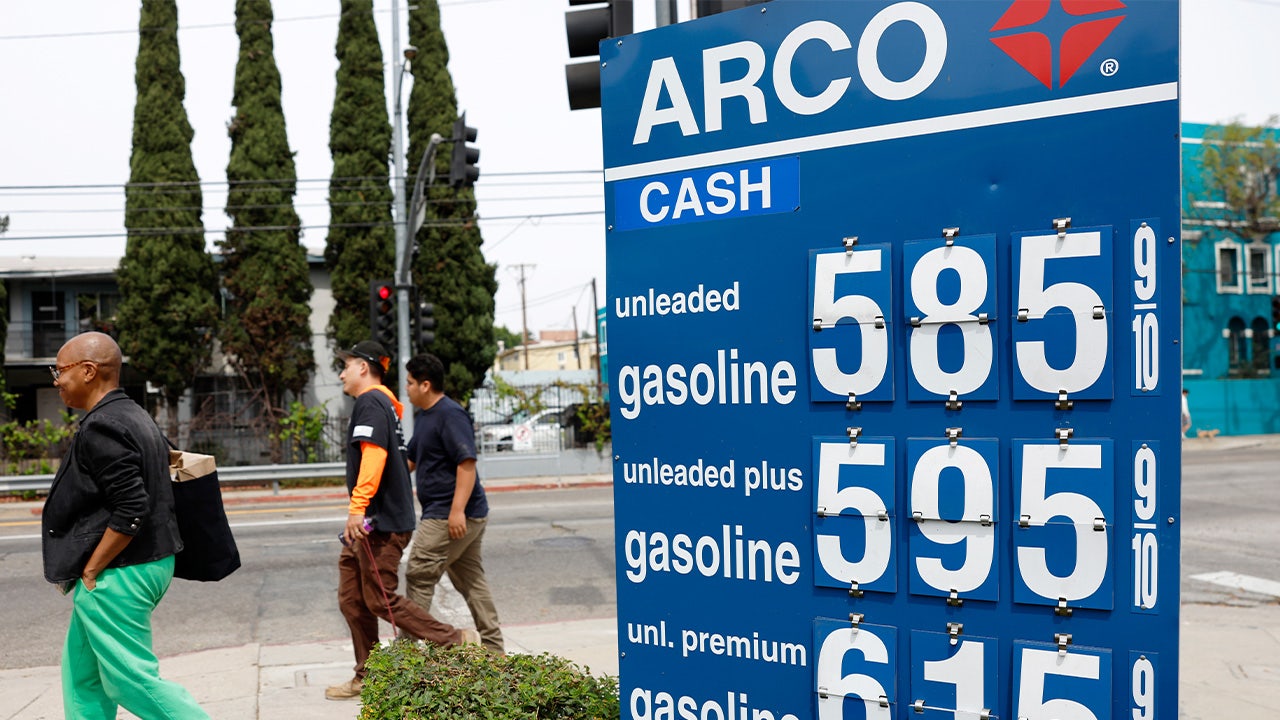
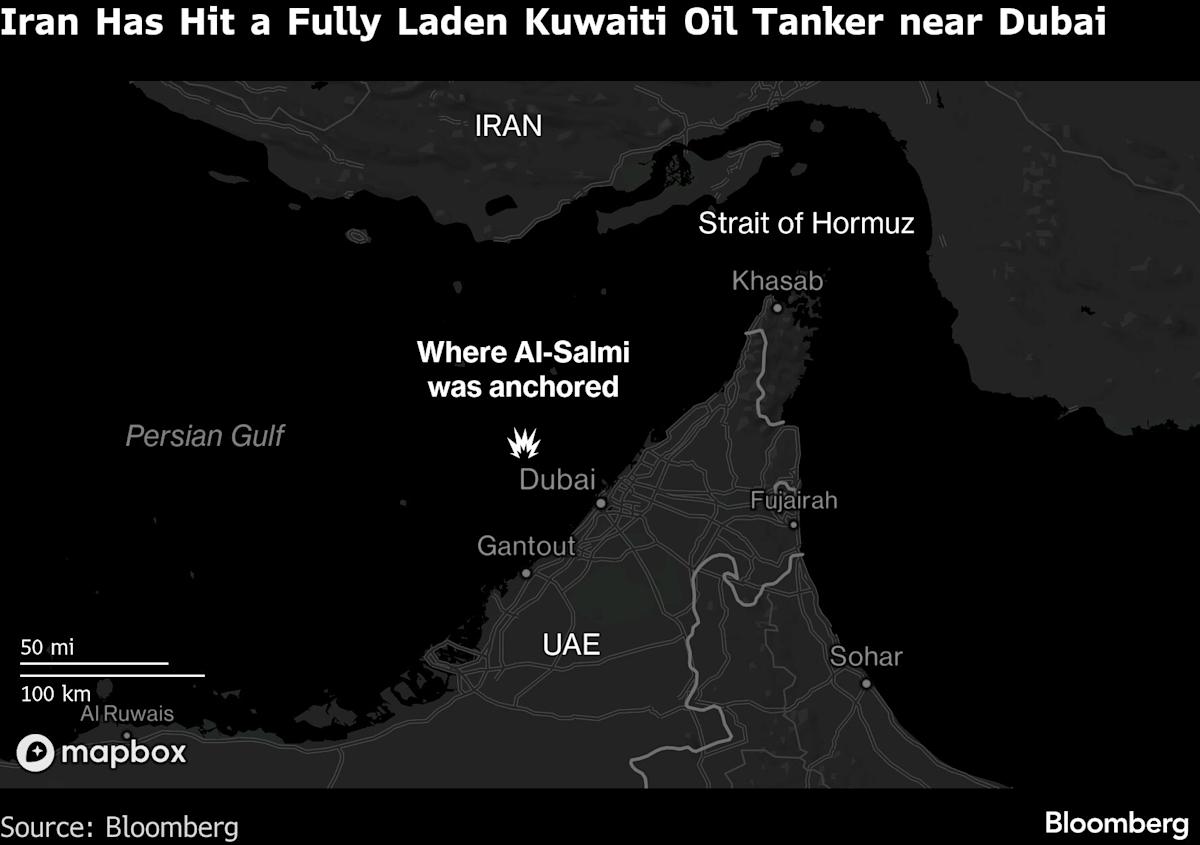
The ongoing conflict involving Iran has led to the closure of the Strait of Hormuz, a critical chokepoint for global energy flows. This strategic waterway facilitates the transit of approximately 20 million barrels of oil daily, accounting for nearly a fifth of the world's oil supply. Its closure has caused a significant disruption, slashing global oil supply by 8 million barrels per day. This sudden supply shock has driven oil prices above $100 per barrel, a level not seen in years, exacerbating economic pressures worldwide. The ripple effects are evident in both energy markets and broader economic activities, as countries and industries dependent on steady oil flows face mounting challenges.
Emergency Measures to Stabilize Markets
In response to the unprecedented disruption, the International Energy Agency (IEA) has announced the release of 400 million barrels from its emergency reserves, an extraordinary measure aimed at stabilizing markets. Concurrently, the United States has committed to deploying 172 million barrels from its Strategic Petroleum Reserve, with a delivery timeline of 120 days. These measures are designed to mitigate the immediate supply shortage and curb price volatility. While these emergency actions provide short-term relief, the effectiveness of these strategies will depend on the conflict’s duration and the ability of alternative suppliers to fill the gap.
Global Reliance on Middle Eastern Energy
The crisis has underscored the global economy's heavy reliance on Middle Eastern energy supplies, particularly in Asia. Countries like Japan, South Korea, and the Philippines are highly vulnerable due to their dependency on Gulf oil, which accounts for a significant portion of their energy imports. Refining capacity constraints in these regions further compound the issue, as many refineries are optimized for processing Middle Eastern crude. Rising transportation costs, driven by increased fuel prices, add another layer of strain, particularly for economies reliant on imported goods and energy. These challenges highlight the urgent need for diversification in energy sourcing and infrastructure.
Economic and Energy Market Implications
The conflict has triggered a reduction in global oil consumption growth, with the IEA revising its forecast downward to 640,000 barrels per day, reflecting a 25% cut. The combination of elevated prices and demand uncertainty has dampened economic activity across sectors, from transportation to manufacturing. Over the long term, the crisis raises critical concerns about energy security and supply chain resilience. As nations scramble to secure alternative energy sources and stabilize their economies, the need for investments in renewable energy and diversified supply chains becomes increasingly apparent. These shifts could redefine energy markets and global economic dynamics in the years to come.
 Sources

About the author






- Iran War Causing Biggest-Ever Oil Market Disruption, IEA Says
 yahoo
yahoo - Iran War Causes Biggest-Ever Oil Market Disruption, IEA Saysyahoo
- Iran war laid bare world's reliance Gulf oil gas
 bbc
bbc - US Would Escort Ships In Strait Of Hormuz 'If Needed,' Trump Tells Fox News As Oil Slips
 benzinga