

Oil Prices Surge Amid Iran Conflict Talks
Market Reaction to Iran Conflict Developments
Stock markets witnessed a notable rebound as optimism grew around potential easing of tensions between the U.S. and Iran. The S&P 500, Dow Jones Industrial Average, and Nasdaq all posted gains following reports of “productive talks” between the two nations. However, the rally was tempered by conflicting narratives from Iranian state media, which denied direct negotiations were underway. This divergence in statements has left investors cautious as geopolitical risks remain elevated. The market's initial enthusiasm underscores its sensitivity to geopolitical developments, particularly those involving major oil-producing regions.
Oil Market Volatility Amid Geopolitical Risks
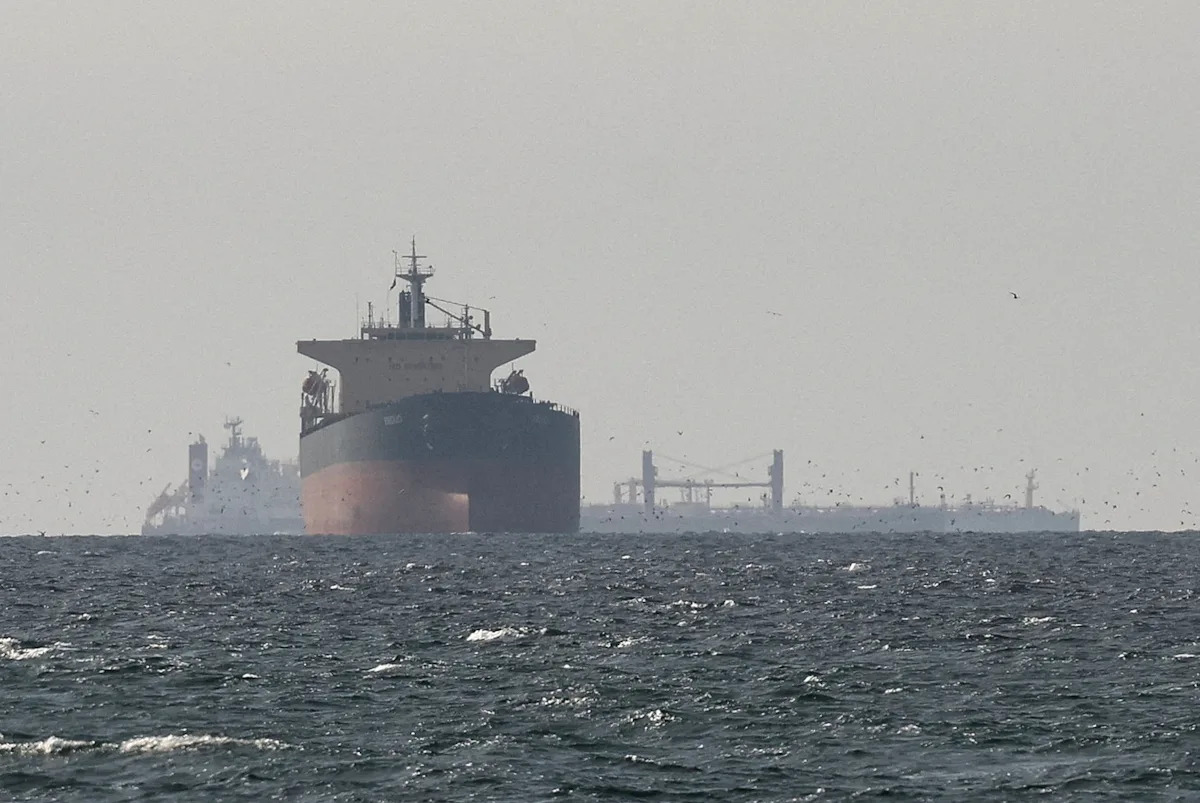
Brent crude and West Texas Intermediate (WTI) crude prices surged in response to heightened tensions in the Middle East. Brent crude climbed above $100 per barrel, while WTI crude settled near $91. The geopolitical risk centers on the Strait of Hormuz, a vital chokepoint through which approximately 20% of the world’s oil supply passes. Any disruption in this region could have significant repercussions on global energy markets. The oil price volatility reflects both immediate supply concerns and the market's pricing of prolonged instability in the area, with analysts projecting further upward pressure if tensions escalate further.
Investor Focus: Economic Data and Earnings
As geopolitical developments unfold, investors are shifting focus to upcoming economic data and corporate earnings. Key manufacturing data due on Tuesday is expected to provide insights into industrial activity and broader economic health. Meanwhile, corporate earnings reports, including GameStop’s, will shed light on individual company performance and consumer behavior. The technology sector also remains under scrutiny as companies navigate volatile market conditions and geopolitical uncertainties. These factors collectively will shape market sentiment and provide a clearer picture of potential growth trajectories in the coming weeks.
 Sources



About the author





- Morning Brief: Hopes deal lift stocks — send oil
 yahoo
yahoo - Stock market today: Dow, S&P 500, Nasdaq futures waver Iran officials reject negotiationyahoo
- Stock market today: Dow, S&P 500, Nasdaq futures waver rally Iran war dragsyahoo