

U.S. Launches Trade Probe Targeting 16 Nations
Background of the Trade Probe
The Supreme Court recently invalidated key tariffs imposed during Donald Trump's presidency under the International Emergency Economic Powers Act (IEEPA). These tariffs were deemed unlawful, prompting the Biden administration to explore alternative measures. In response, a Section 301 investigation was launched, targeting 16 nations suspected of engaging in unfair trade practices. Section 301, under the Trade Act of 1974, empowers the U.S. to impose tariffs or other trade restrictions on nations found to harm U.S. commerce through discriminatory policies or practices. This investigation is seen as a strategic move to address structural trade challenges while ensuring compliance with legal frameworks.
Key Nations and Objectives
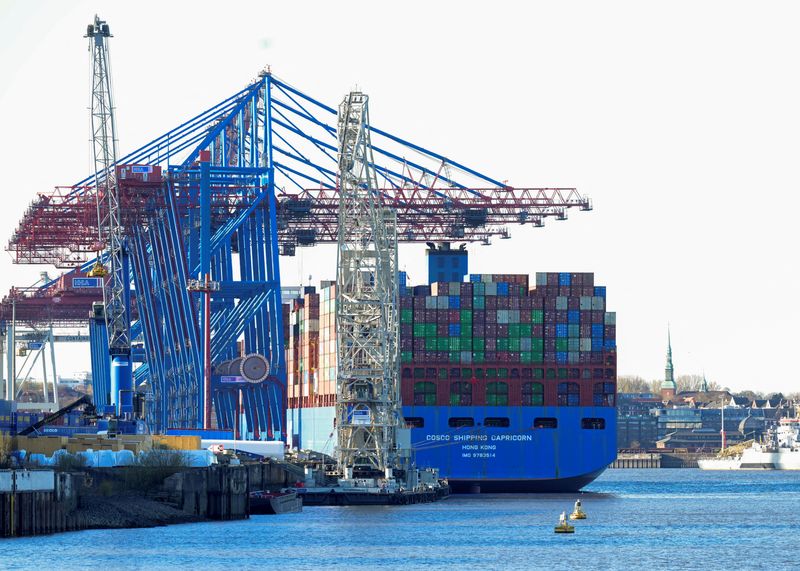
The investigation focuses on 16 nations, including major trading partners such as China, India, and the European Union. Other nations under scrutiny include Japan, South Korea, Taiwan, Vietnam, and Mexico, alongside smaller economies like Malaysia, Bangladesh, and Switzerland. The primary objective is to assess unfair trade practices, particularly those linked to structural overproduction in key manufacturing sectors. This includes examining policies that distort global trade or undermine U.S. industries. The probe aims to ensure a level playing field by addressing issues such as excess capacity, government subsidies, and intellectual property violations that disadvantage American businesses.
Potential Outcomes and Implications
The Section 301 investigation could result in new tariffs or other trade restrictions on nations found in violation of fair trade principles. These measures may include import taxes, service fees, or stricter regulatory controls on specific goods. While the goal is to bolster the U.S. industrial base by curbing unfair practices, there is potential for heightened tensions in global trade relations. Economically, the impact could be twofold: providing relief to U.S. manufacturers but also risking retaliatory measures from affected nations. The probe’s outcome will likely influence U.S. trade strategy, particularly in its dealings with key economies like China and the EU.
 Sources

About the author





- launches trade probe major trading partners tariffs struck
 bbc
bbc - launches probe trading partners including EU, China Indiabbc
- Trump Administration Launches Sweeping Trade Probe 16 Nations, Including China, India, EU
 benzinga