

Iran Conflict Spurs Market Shocks and Energy Concerns
Market Reactions to Iran Conflict
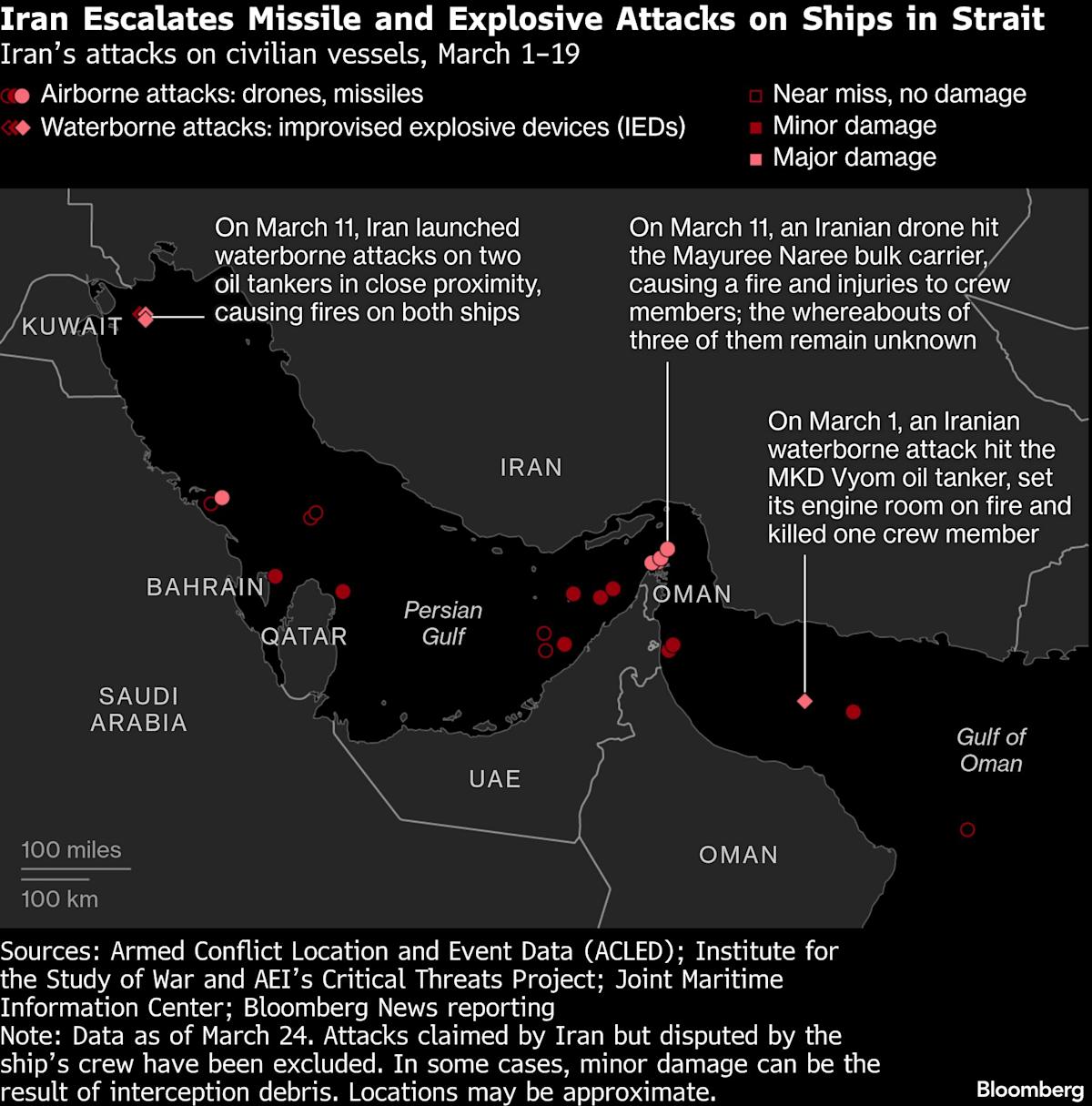
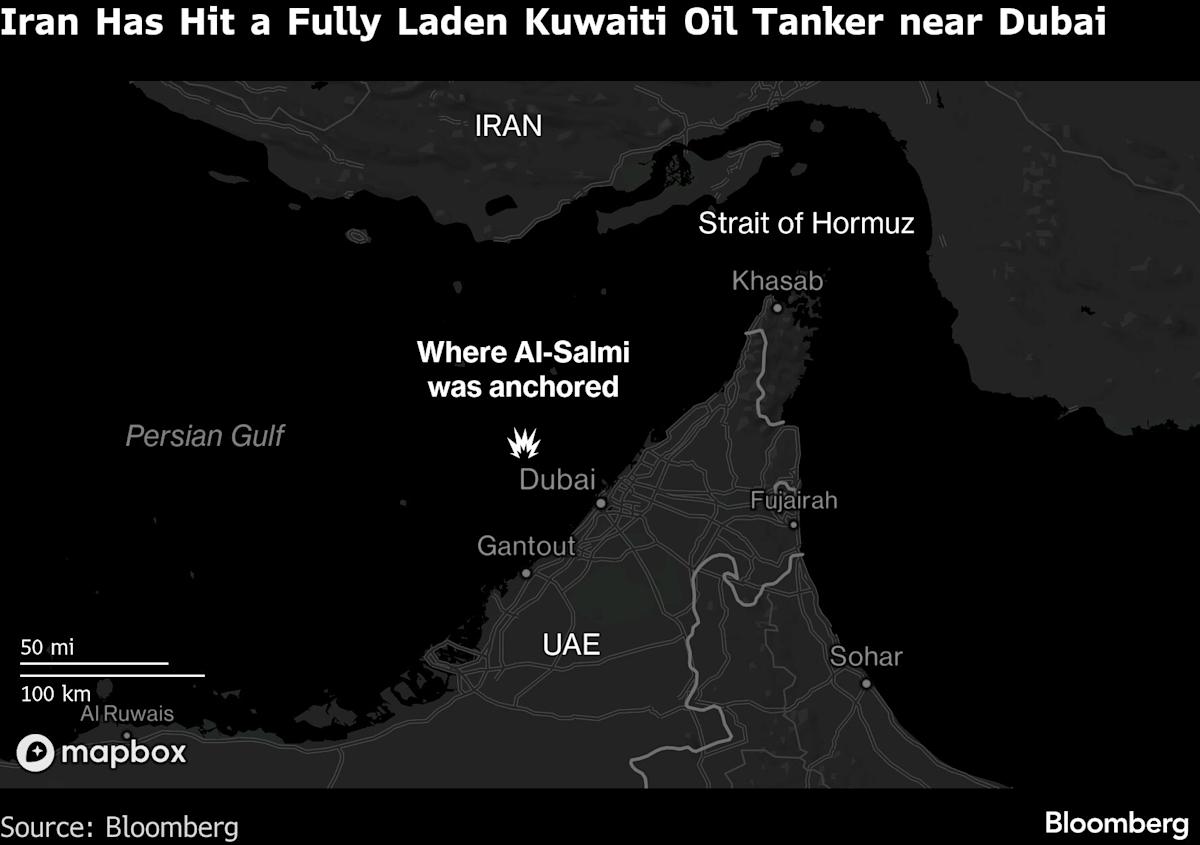
Energy prices have soared following the escalating conflict in Iran, particularly after the closure of the Strait of Hormuz, which is a critical chokepoint for global oil and gas transit. Over 20% of the world's crude oil and liquefied natural gas flows through this narrow passage daily. As the U.S. and Israel launched strikes on Iranian targets, retaliatory measures from Iran, including the closure of the Strait, sent Brent crude oil prices up by 13% in just two trading sessions—the largest two-day increase since March 2022.
Global equity markets are responding with a clear divide between energy-producing and energy-importing nations. Countries like Saudi Arabia, Canada, and Norway, which are net exporters of energy, have seen their markets stabilize or gain. Conversely, energy-dependent nations such as South Korea, Thailand, and Greece experienced significant sell-offs. This polarization underscores how regional conflicts can have asymmetric impacts on global financial markets, depending on energy trade balances.
Comparisons to Past Market Shocks
The market impact of the current Iran conflict is being compared to the Russia-Ukraine invasion of February 2022, with analysts noting that the energy-related consequences are considerably more severe this time. While Brent crude rose 2% on the day of the Ukraine invasion, the recent Iran conflict triggered a 7% spike in a single day, emphasizing the heightened sensitivity of oil markets to disruptions in the Middle East.
Wall Street analysts have historically been criticized for downplaying significant market shocks, and this instance appears no different. Some market commentators have framed the Iran conflict as a "contained risk," despite the sharp movements in oil and commodity prices. However, experts argue that the scale of the energy supply disruption and the geopolitical implications warrant a more cautious approach. The closure of the Strait of Hormuz represents a substantial supply-side shock, with millions of barrels of oil potentially stranded daily.
Economic and Market Outlook
Economists and market experts remain divided on the long-term economic impact of the Iran conflict. While oil price volatility and inflation risks are immediate concerns, many believe the global economy is well-positioned to weather the storm unless a prolonged or complete blockade of the Strait of Hormuz materializes. According to Oxford Economics, a short-term disruption could add 0.3 to 0.4 percentage points to U.S. inflation, which would likely push the Federal Reserve to maintain its current interest rate stance rather than introduce additional hikes.
A complete and sustained blockade, however, would have far-reaching consequences. Analysts predict that such a scenario could push Brent crude prices to $130 per barrel, significantly higher than recent trading levels. This would create ripple effects across global supply chains and consumer markets. For now, the probability of a full blockade is estimated at 10%, with diminishing likelihood as Iran's retaliatory capabilities are gradually exhausted. Markets are expected to stabilize unless the conflict escalates further, but investors remain watchful of developments in the region.
 Sources


About the author







- Iran Shock 3x Bigger Ukraine Invasion, Robin Brooks Says Wall Street Tends 'Downplay Shocks' - Chevr
 benzinga
 - Wall Street Taking War Iran Stride
 investopedia
 - Iran War: Global Markets Repricing New Energy Shock - iShares MSCI Chile ETF (BATS:ECH), iShares MSCbenzinga