

Oil Prices Surge Amid Strait of Hormuz Attacks
Oil Price Surge and Strait of Hormuz Disruptions
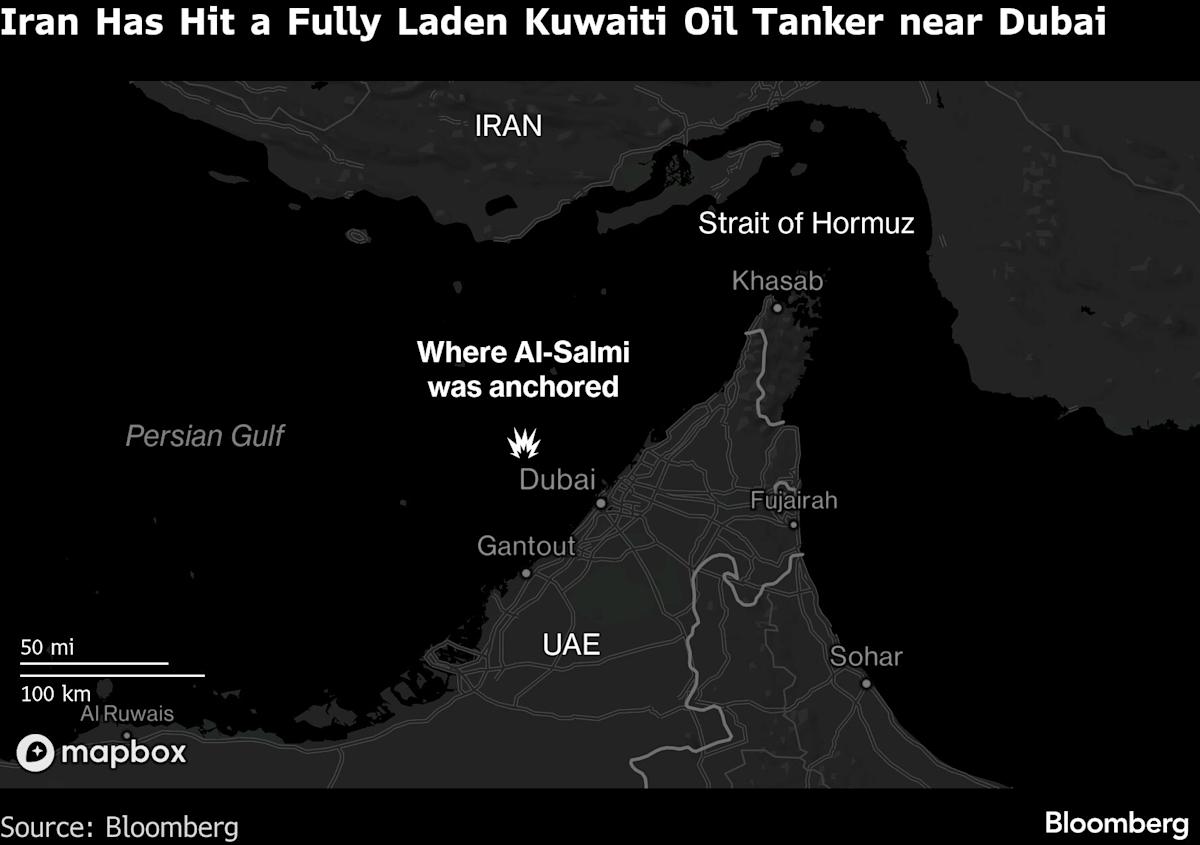
Recent attacks on vessels near the Strait of Hormuz have significantly disrupted international shipping activities. This vital chokepoint, responsible for approximately 20% of global oil and gas transit, has seen operations come to a near standstill. Reports from the UK Maritime Trade Operations Centre (UKMTO) highlight incidents involving unidentified projectiles striking multiple vessels, including fires and evacuations. Consequently, global oil prices have surged sharply. Brent crude rose by 7% to $78.25 per barrel, while US-traded West Texas Intermediate saw a 7.3% increase, reaching $71.93 per barrel. These price hikes reflect market anxiety over potential prolonged disruptions in the region.
Geopolitical Tensions and Market Reactions
The escalating conflict between Iran and Israel has heightened fears of sustained instability in the Middle East. Following recent aerial strikes by both nations, the market braces for further disruptions. Analysts warn that oil prices could surge to $100 per barrel if the conflict endures, exacerbating energy market volatility. Despite current price spikes, experts suggest markets are cautiously optimistic, monitoring the resumption of traffic through the Strait of Hormuz. However, any prolonged closure could severely impact energy supply chains, driving prices significantly higher in the coming weeks.
Global Responses and Mitigation Efforts
In response to these disruptions, OPEC+—a coalition of oil-producing nations including Saudi Arabia and Russia—announced an increase in output by 206,000 barrels per day. While this measure aims to cushion price hikes, analysts remain skeptical about its potential impact on stabilizing the market. Additionally, insurance costs for vessels navigating the region have surged, prompting many ships to reroute around the Cape of Good Hope, significantly increasing transit times. These developments underscore the challenges in mitigating the economic fallout of geopolitical tensions in a region critical to global energy supply.
 Sources


About the author







- Oil prices jump ships attacked near Strait Hormuz
 bbc
bbc - Oil prices surge strikes kill Iran’s supreme leader, tankers hit near Strait Hormuz
 fox
fox - Oil prices rise ships attacked near Strait Hormuzbbc