

Iran Conflict Spurs Volatility in Global Markets
Impact of Iran Conflict on Global Markets
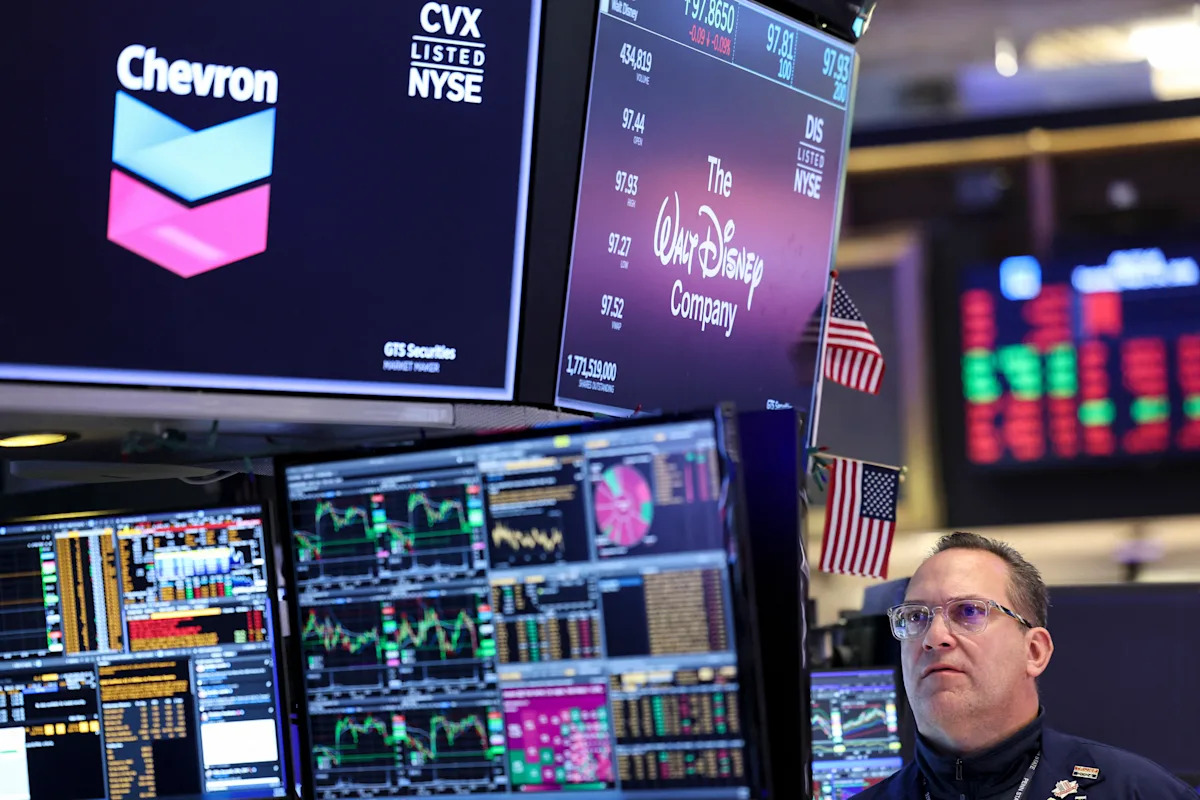
The ongoing conflict involving Iran has significantly impacted global financial markets, with heightened volatility and surges in oil prices taking center stage. On Tuesday, Brent crude futures (BZ=F) climbed above $84 per barrel before easing slightly, while West Texas Intermediate crude (CL=F) traded near $75, signaling concerns over potential disruptions in energy supply chains. Stock markets have also experienced sharp fluctuations. The S&P 500 (^GSPC) shed 2.4% during intraday trading before closing down 0.9%, reflecting the uncertainty gripping investors.
Risk repricing is evident across asset classes as traders weigh the inflationary implications of prolonged instability in the Middle East. The potential for a system-wide energy shock has reignited fears of inflation, raising questions about whether the Federal Reserve will pause interest rate hikes. Treasury yields have risen as investors recalibrate their expectations, further compounding market jitters.
Investor Sentiment and Market Reactions
Investor sentiment remains cautious, with geopolitical tensions fueling a mix of risk-off behavior and opportunistic dip-buying. Early in the week, markets saw sharp sell-offs, but subsequent trading sessions exhibited partial recoveries as dip-buyers sought to capitalize on lower equity valuations. However, this trend may be short-lived as the conflict's scope and duration remain uncertain.
Reliance on President Trump’s intervention to stabilize markets has become increasingly tenuous. In previous crises, markets rebounded on expectations of policy reversals or diplomatic resolutions, but the escalating tensions with Iran present unique challenges. Analysts warn that the unpredictability of geopolitical events makes it difficult to apply traditional buy-the-dip strategies, as broader economic implications could outweigh short-term market rebounds.
Economic and Strategic Implications
The economic implications of the Iran conflict extend beyond immediate market reactions, with risks of prolonged instability potentially exacerbating inflation and disrupting energy markets. Historical precedents, such as the 2022 Russia-Ukraine war, highlight how prolonged geopolitical tensions can lead to sustained energy price increases and inflationary pressures, forcing central banks to adopt more aggressive monetary policies.
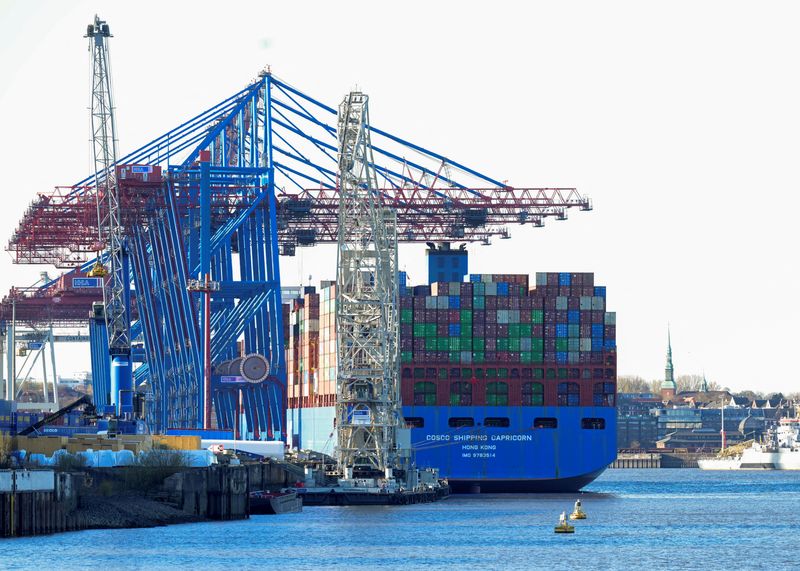
The broader economic outlook remains clouded by uncertainty, as conflicting reports about potential negotiations and military strategies make it challenging to predict the conflict's trajectory. Analysts emphasize that while markets have historically rebounded from geopolitical shocks, the scale and duration of the current crisis could lead to more severe and lasting consequences. The Strait of Hormuz, a critical energy corridor, remains a focal point for global economic stability, with any prolonged disruption likely to have cascading effects on global trade and growth.
 Sources


About the author






- Wall Street Strategists Warn Bet Trump Rescuing Stocks Rattled Iran War
 yahoo
yahoo - markets having change heart Iran waryahoo
- Stock market today: Dow, S&P 500, Nasdaq futures fall Iran reportedly calls talks end conflictyahoo