

Iran Conflict Raises Uncertainty in Energy and Markets
Geopolitical Tensions and Market Reactions
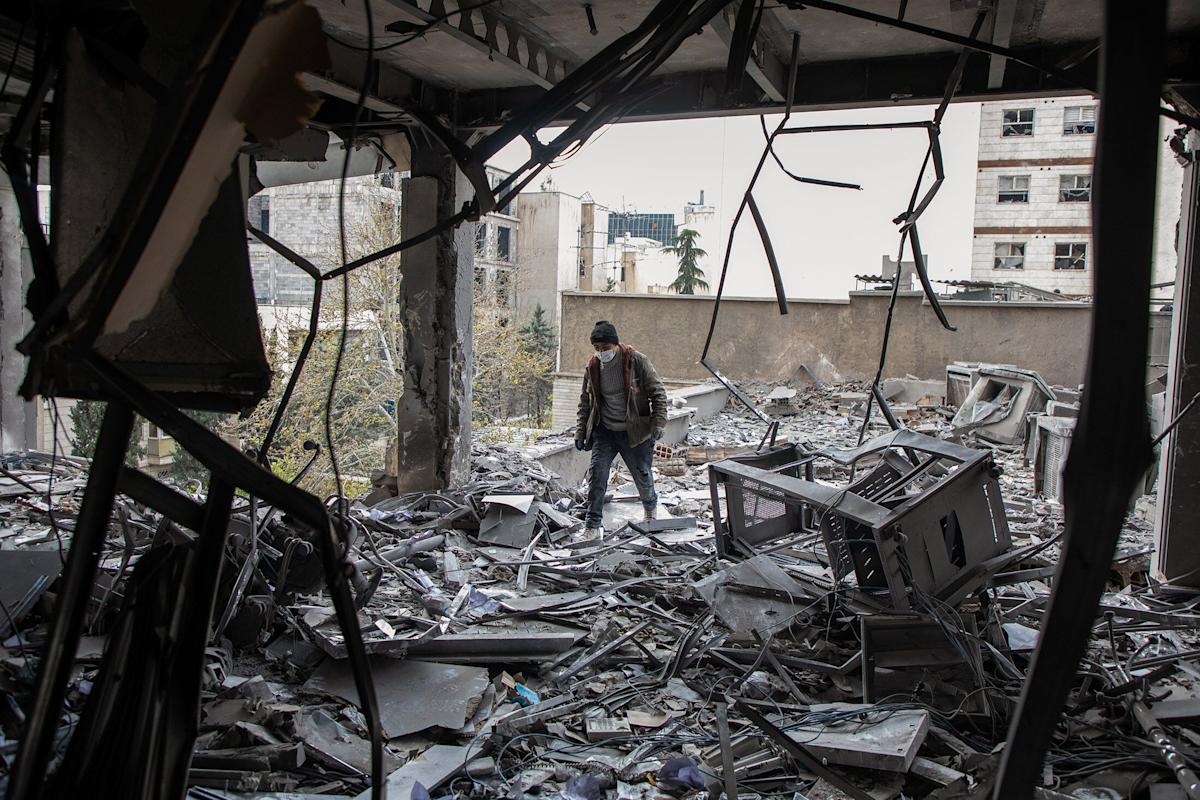
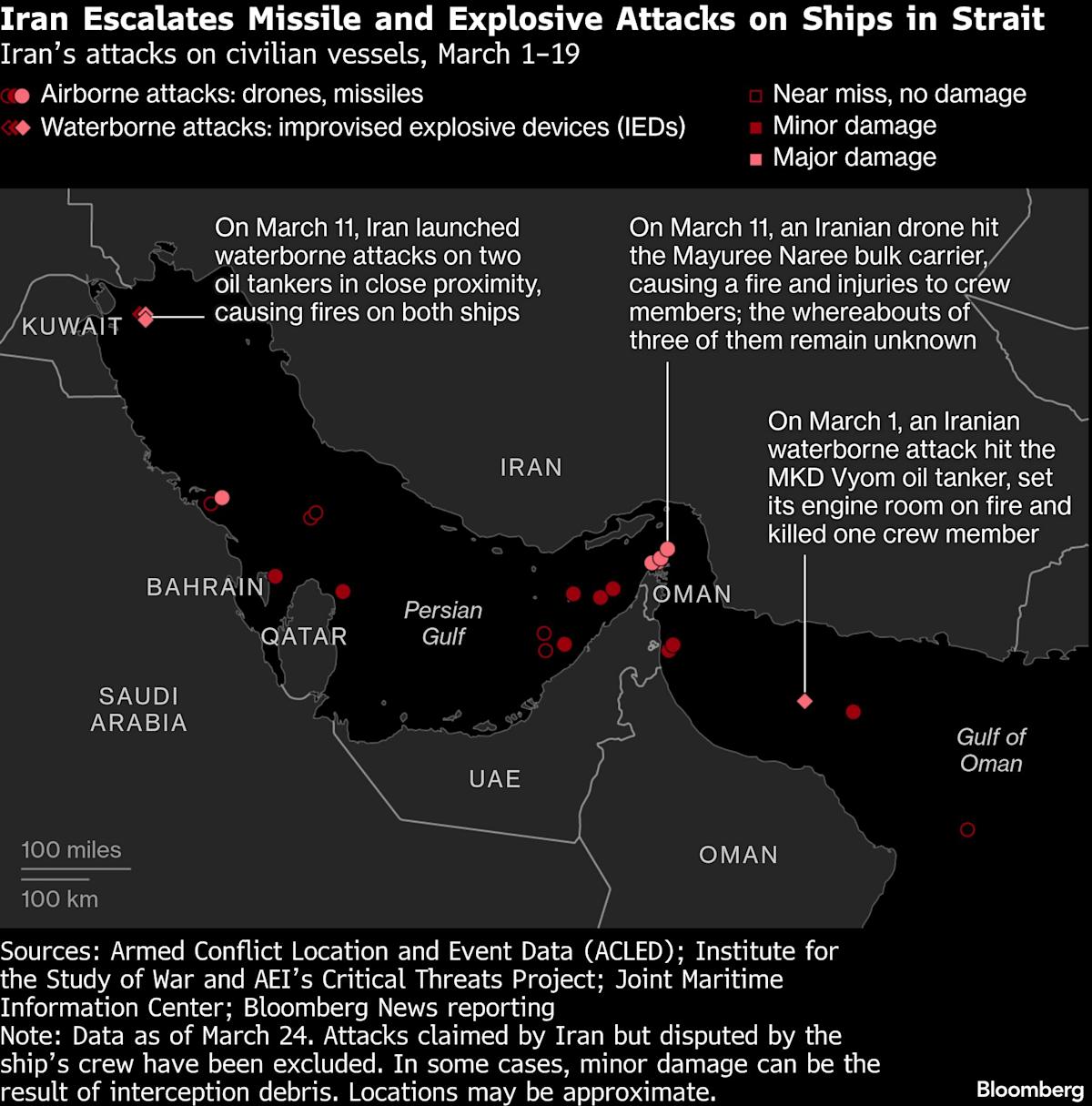
The U.S.-Israeli military strikes on Iran have created immediate disruptions in energy markets, notably oil. The targeted attacks, which resulted in the death of key Iranian leaders, have escalated tensions in the Middle East, raising fears of broader conflict. Iran’s retaliatory actions and threats to restrict transit through the Strait of Hormuz—a critical chokepoint for global oil supply—have added to market uncertainty. Approximately 20% of the world’s oil supply flows through this vital waterway, making it a focal point for potential energy disruptions.
Despite the geopolitical concerns, U.S. stock markets exhibited resilience. While the Nasdaq Composite initially fell 1.5%, it rebounded to end the day down just 0.2%. The S&P 500 and Dow Jones Industrial Average also showed marginal losses after recovering from steep early-session declines. Analysts attribute this recovery to investor confidence that any prolonged market impact would likely be localized to the energy sector. Historical data supports this perspective, as geopolitical risks often lead to short-term volatility rather than long-term market downturns.
Energy Market Volatility and Inflation Risks
The conflict in Iran has triggered a sharp rise in oil prices, with West Texas Intermediate (WTI) futures surging nearly 6% to $71 per barrel, after briefly touching $75—their highest level in eight months. This spike reflects concerns over potential supply disruptions, particularly in the Strait of Hormuz. The uncertainty has also driven natural gas prices higher, with futures up approximately 3.25%.
Economists warn that prolonged conflict could exacerbate inflationary pressures, as higher energy costs ripple through the economy. Gasoline prices at the pump are expected to rise by $0.10 to $0.30 per gallon in the coming weeks, with diesel seeing potentially higher increases. Elevated oil prices also risk undermining consumer confidence and slowing economic growth, especially if energy costs remain high over an extended period. Analysts suggest that a sustained 10% to 30% increase in oil prices could significantly impact U.S. inflation and growth trajectories, potentially introducing recessionary risks if the conflict persists.
Investment Strategies Amid Geopolitical Risks
In light of heightened geopolitical risks, investment experts recommend focusing on opportunities within the energy sector. Oil and gas exploration and production companies, as well as integrated producers, are expected to benefit from higher crude prices. The S&P 500 Energy Sector Index gained 2% on the day, with notable performers such as APA Corp and ConocoPhillips rising 4%. Analysts at Morgan Stanley suggest maintaining a "quality bias" within the energy sector, emphasizing companies with strong balance sheets and free cash flow.
Investors are also advised to reassess their portfolios to ensure proper diversification and resilience against volatility. Tax-loss harvesting could be a tactical strategy for managing potential losses and optimizing future gains. For instance, reallocating from underperforming assets to similar but better-positioned ones within the same sector can help mitigate downside risks. Experts highlight that moments of geopolitical uncertainty provide an opportunity to review and adjust portfolio exposure to align with evolving market conditions.
 Sources


About the author






- War Iran Weeks. Stock Investors Shrugging.
 investopedia
 - Iran Conflict's Economic Impact Worsen War Drags On, Experts Warninvestopedia
- Trump’s Iran War Adds Potential Shock Economy, Voters
 yahoo
yahoo - Investors Adjust Geopolitical Risk Sparked Iran Conflict—Experts Weighinvestopedia