

Middle East Conflict Shakes Markets: Stocks Fall, Oil Surges
Market Reaction to Middle East Conflict
Stock futures dropped sharply on Monday following escalating tensions in the Middle East. Dow Jones Industrial Average futures fell by 1.6%, shedding nearly 800 points, while S&P 500 futures declined 1.7%. The tech-heavy Nasdaq 100 futures registered the steepest drop, plunging 2% as investors moved away from riskier assets.
Oil prices surged in response to the geopolitical developments. Brent crude, the international benchmark, spiked over 10%, briefly surpassing $80 per barrel, while West Texas Intermediate (WTI) crude rose approximately 9% to trade near $73 per barrel. The disruption in Iran, a major OPEC oil producer, raised fears of potential supply chain interruptions, particularly in the vital Strait of Hormuz, through which a significant portion of global oil shipments pass.
Sectoral Impact and Investor Sentiment
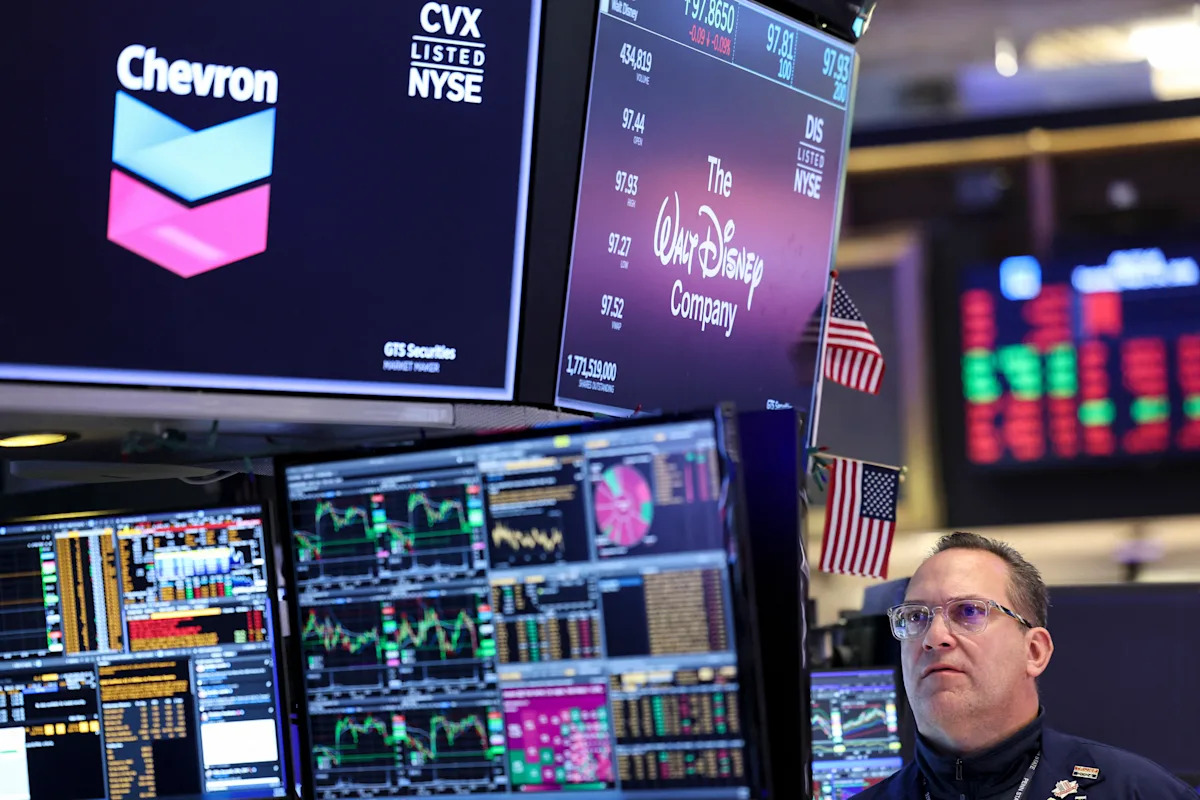
Energy and defense stocks gained traction amid the volatile market conditions. Exxon Mobil (XOM) and Chevron (CVX) saw their shares rise in pre-market trading, while defense contractors like Lockheed Martin (LMT) and Northrop Grumman (NOC) rallied as investors sought exposure to sectors benefiting from the conflict.
Conversely, travel and technology stocks faced sharp declines. Airlines such as Delta (DAL) and United Airlines (UAL) dropped by 5% to 6% as increased oil prices raised concerns over higher operational costs. Cruise operators, including Carnival (CCL) and Royal Caribbean (RCL), also posted losses. In the tech sector, prominent names like Nvidia (NVDA) and Microsoft (MSFT) experienced declines, reflecting heightened risk aversion among investors.
Broader Market Concerns and Outlook
Gold prices surged to $5,400 per ounce, reflecting heightened demand for safe-haven assets as geopolitical risks mounted. Treasury yields, which typically move inversely to bond prices, edged higher, signaling cautious optimism regarding economic stability despite the ongoing conflict.
Investors are now turning their attention to upcoming economic data and corporate earnings reports. The February jobs report, due later this week, is expected to show 60,000 new jobs added, a significant drop from January’s 130,000. Additionally, earnings from major players like Broadcom (AVGO) and Target (TGT) will provide further insight into corporate performance amidst the turbulent backdrop. Markets are likely to remain volatile as geopolitical risks and economic uncertainties continue to dominate sentiment.
 Sources



About the author







- Stock market today: Dow, S&P 500, Nasdaq futures plunge oil prices surge Iran conflict jolts markets
 yahoo
yahoo - Stock Market Today: Stock Futures Sink US, Israel Attack Iran; Oil, Gold Jump
 investopedia
 - Stock market today: Dow, S&P 500, Nasdaq futures sink oil prices jump Iran attacks jolt marketsyahoo