

JPMorgan Sees Opportunity Amid US-Iran Conflict
Market Volatility and Investor Strategies
JPMorgan and Gary Black have both highlighted the current market disruptions as temporary, advising investors to leverage the volatility as a buying opportunity. JPMorgan has urged its clients to "buy the dip," suggesting that the geopolitical tensions will create short-term disruptions but are not a reason to exit equities. Gary Black, managing partner of Future Fund, supports this sentiment, forecasting a 12% year-over-year growth in S&P 500 earnings and projecting earnings to reach $310 by the end of 2026. Both believe that the market will recover swiftly as oil prices stabilize and geopolitical tensions ease.
In contrast, Mohamed El-Erian, Chief Economic Adviser at Allianz, has cautioned about the broader economic risks. Speaking on CNBC, El-Erian warned that the conflict could introduce stagflationary pressures, as rising oil prices will likely push core goods prices higher. He stressed that the duration and spread of the conflict will determine the extent of its global economic impact, emphasizing the limited room for Federal Reserve intervention under current conditions.
Economic Concerns and Oil Price Surge
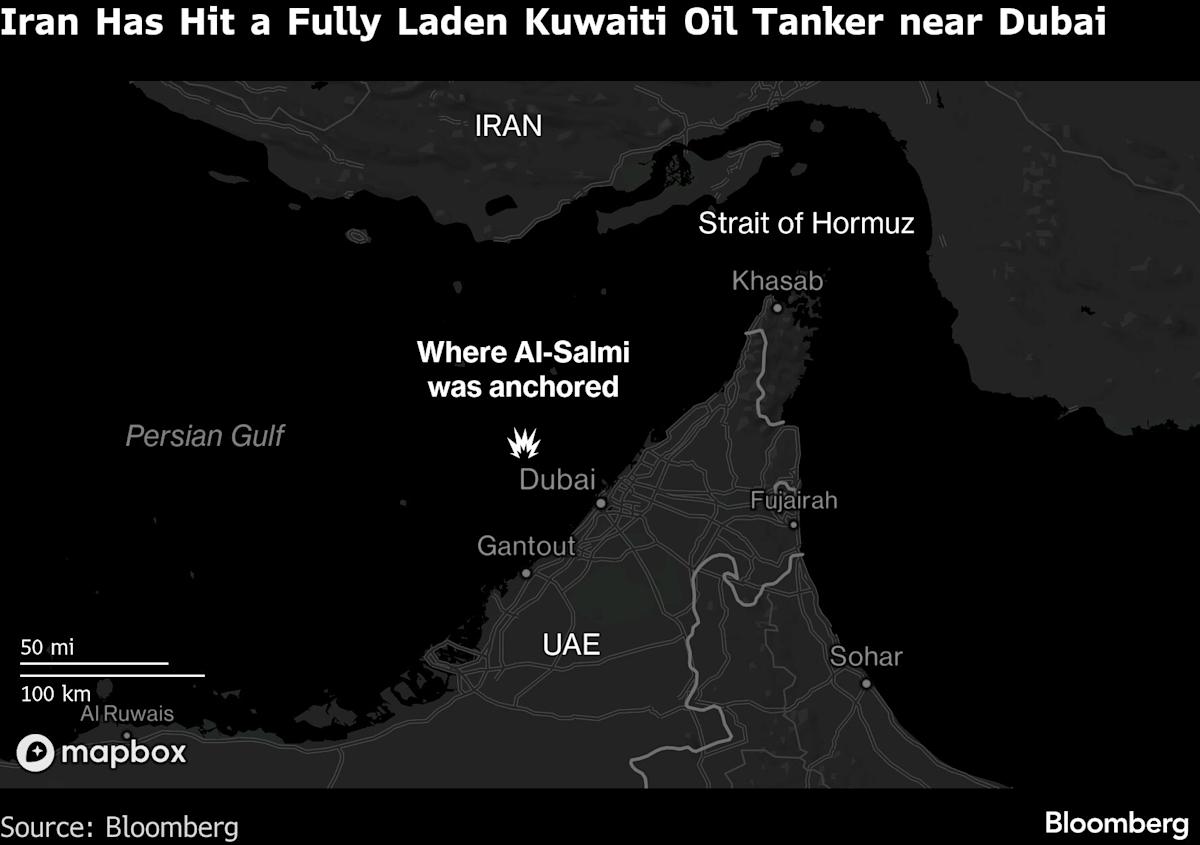
The escalating conflict has caused a surge in oil prices, with Brent crude nearing $80 per barrel and West Texas Intermediate trading around $73. The closure of the Strait of Hormuz, responsible for the transit of approximately 21 million barrels of oil per day, has heightened concerns about supply disruptions. UBS has identified this chokepoint as a critical downside risk, recommending modest allocations in safe-haven assets like gold, which has recently approached record highs.
The Federal Reserve faces constrained options in managing the rising stagflationary pressures. With inflation expected to accelerate due to energy price shocks, the Fed’s ability to lower interest rates or implement other accommodative policies is limited. Economists have noted that a 10% increase in oil prices could add 20-30 basis points to headline inflation, complicating the central bank's policy outlook.
Long-Term Implications for Global Markets
Amid heightened uncertainty, major financial institutions are advocating for diversification strategies to mitigate risks. JPMorgan has emphasized the importance of maintaining a balanced portfolio, suggesting allocations in equities, commodities, and fixed-income securities. While the short-term focus remains on managing volatility, long-term investors are urged to monitor key economic indicators.
Treasury yields have been volatile, with the 10-year yield trading within a range of 4% to 4.5%. This reflects market expectations of prolonged inflationary pressures. Simultaneously, analysts project steady growth in S&P 500 earnings, which are expected to climb in the coming years. Investors are advised to keep an eye on these indicators to navigate the evolving economic landscape effectively.
 Sources



About the author







- JPMorgan Urges Investors 'Buy Dip' Amid US-Iran War: Mohammed El-Erian, Gary Black Diverge Long-Term
 benzinga
 - Stock market today: Dow, S&P 500, Nasdaq futures plunge fresh strikes intensify Iran conflict
 yahoo
yahoo - market's 3 biggest questions Iran conflictyahoo
- Stock Market Today: Futures Plunge Iran War Escalates; Oil, Treasury Yields Jump
 investopedia