Energy Stocks Soar Following Oil Price Increase: Should You Buy, Hold, or Cash Out?

Market Reactions to Geopolitical Tensions: Since hostilities against Iran began, energy stocks have been the primary winners, with Chevron's CEO highlighting that markets are underpricing supply shocks from geopolitical events, particularly the closing of the Strait of Hormuz.
Chevron's Performance: Chevron's stock has surged nearly 33% in 2026, driven by its unique position in the market as the only oil company allowed to operate in Venezuela, and analysts have raised price targets for the stock significantly.
Valero's Distinct Position: Valero Energy, as a pure-play refining company, thrives on volatility and has shown strong performance, with its stock climbing over 45% in 2026, making it a compelling investment option due to its consistent returns and dividend yield.
Midstream Stability with Enbridge: Enbridge, a major pipeline operator, has delivered around 80% total returns over the past three years, benefiting from high volumes and operational flexibility, making it a strong candidate for investors looking for stability in the energy sector.
Trade with 70% Backtested Accuracy
Analyst Views on VLO

About VLO
About the author

Trump Considers Ending War in Iran Amid Oil Price Fluctuations


- Oil Price Fluctuations: Oil prices reversed course as traders reacted to Trump's statements about potentially ending U.S. operations against Iran, with WTI futures dropping 0.72% to $102.14 per barrel and Brent crude falling 1% to $111.55, indicating market sensitivity to geopolitical risks.
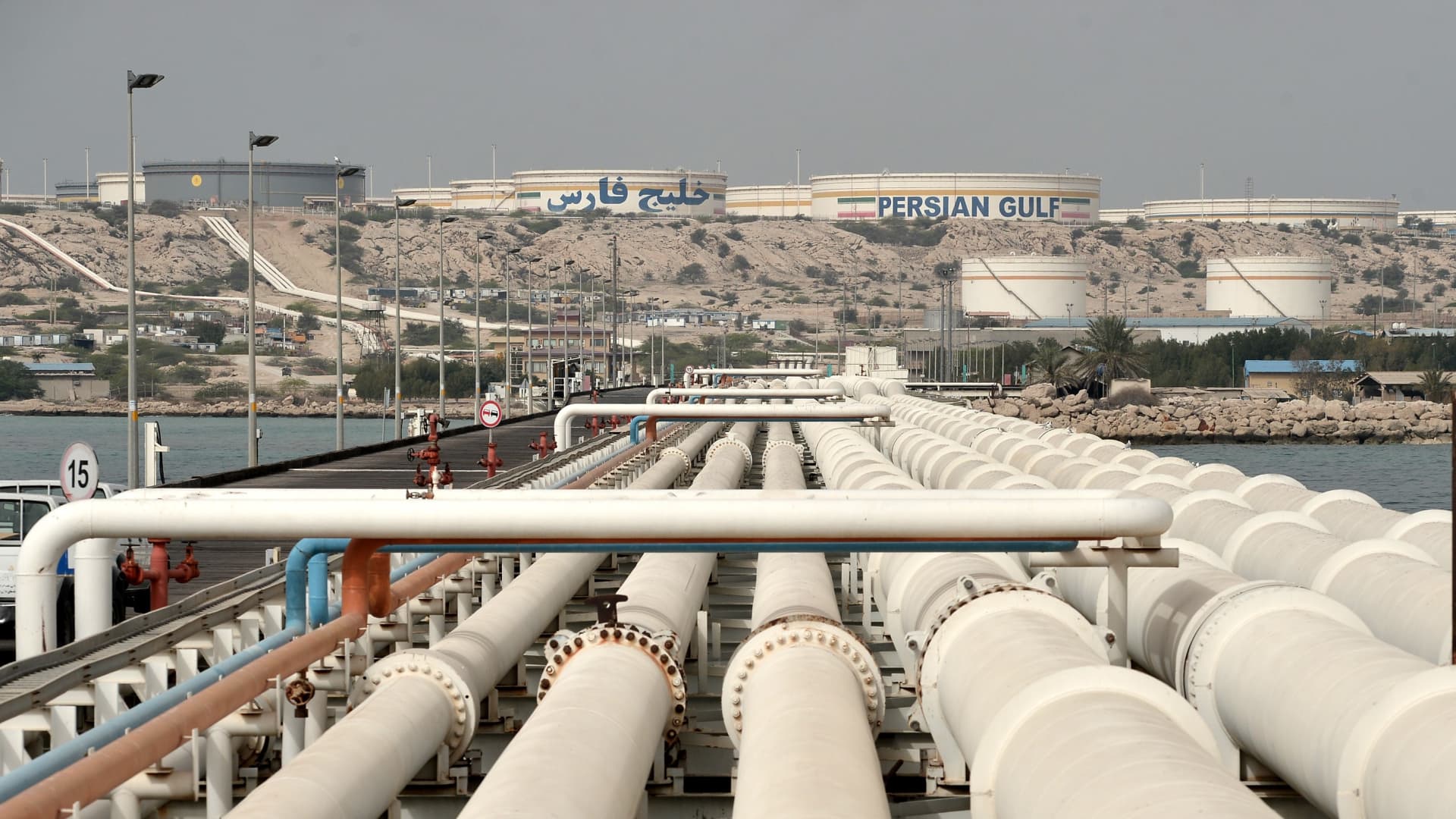
- Escalating Military Threats: Trump threatened to attack Iran's energy infrastructure if Tehran does not reopen the Strait of Hormuz, which could escalate regional tensions and disrupt global energy supply chains, reflecting the precarious balance of power in the region.
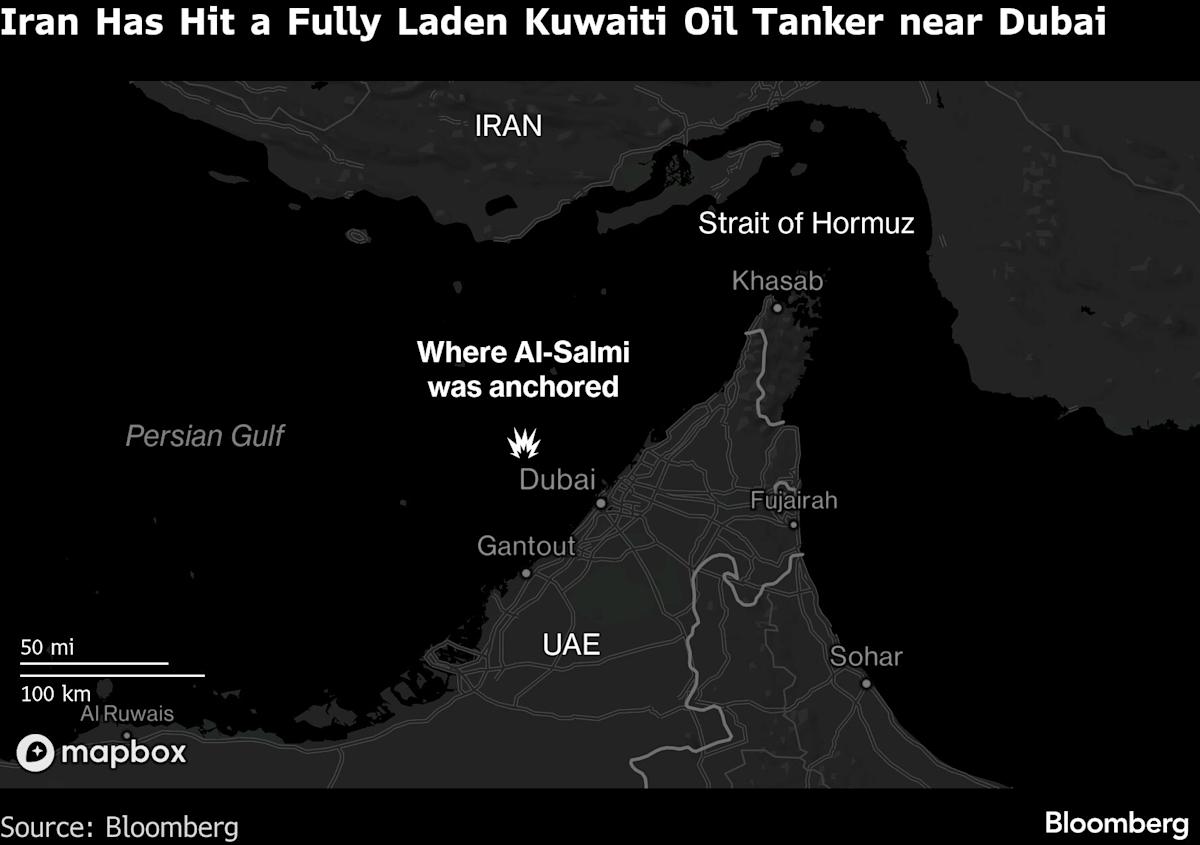
- Ongoing Conflict: The Iran war has entered its fifth week, with Tehran striking a fully laden Kuwaiti oil tanker, prompting firefighting operations in Dubai's port, although no injuries were reported, highlighting the conflict's expanding impact on maritime security.
- Ground Troop Considerations: Trump is reportedly weighing the option of deploying ground forces to seize Kharg Island, a critical fuel hub, which could increase U.S. casualties and extend the war's duration and costs, raising concerns among experts about the potential consequences of such actions.

Middle East Conflict Escalates Turmoil in Asia-Pacific Markets


- Escalating Middle East Tensions: As the conflict in the Middle East enters its fifth week, President Trump escalates threats to destroy Iran's electricity and oil facilities if the Strait of Hormuz remains closed, heightening market anxiety and diminishing investor confidence in Asia-Pacific markets.
- Surging Oil Prices: West Texas Intermediate crude prices rose over 3% to settle just below $103 per barrel, while Brent crude futures climbed to $112.78, marking the highest levels since 2022, reflecting concerns over potential supply disruptions.
- Declining Asia-Pacific Markets: Australia's S&P/ASX 200 index fell 0.30% in early trading, with Japan's Nikkei 225 and Hong Kong's Hang Seng index futures also indicating downward trends, suggesting a pessimistic outlook among investors regarding future market performance.
- Divergent U.S. Stock Performance: While the S&P 500 and Nasdaq Composite fell by 0.39% and 0.73% respectively, the Dow Jones Industrial Average managed a slight gain of 0.11%, indicating varied investor reactions across different sectors amidst ongoing uncertainty.

The Iran Conflict May Persist: Current Investment Opportunities for Success.


- Current Market Status: The Nasdaq is currently in a correction, having dropped over 10% from its recent highs.
- Bear Market Concerns: There are increasing fears that the Nasdaq may soon enter a bear market, defined as a decline of 20%.
- Wall Street Perspective: Despite the downturn, there is a common belief on Wall Street that opportunities for profit exist in other sectors.
- Market Sentiment: The overall sentiment reflects anxiety about the tech-heavy index's performance amidst potential further declines.

Locating Profitable Stocks During the Iran War Crisis


Current Market Status: The Nasdaq Composite is currently in a correction, having fallen over 10% from its recent highs.
Bear Market Concerns: There are increasing fears that the index may soon enter a bear market, defined as a decline of 20% or more.
Wall Street Perspective: Despite the downturn, the sentiment on Wall Street remains optimistic, suggesting that there are always opportunities for gains in other sectors.
Investment Outlook: Investors are encouraged to look for potential bull markets in different areas, even amidst the current challenges faced by the tech-heavy index.
Middle East Tensions Escalate, Oil Prices Surge

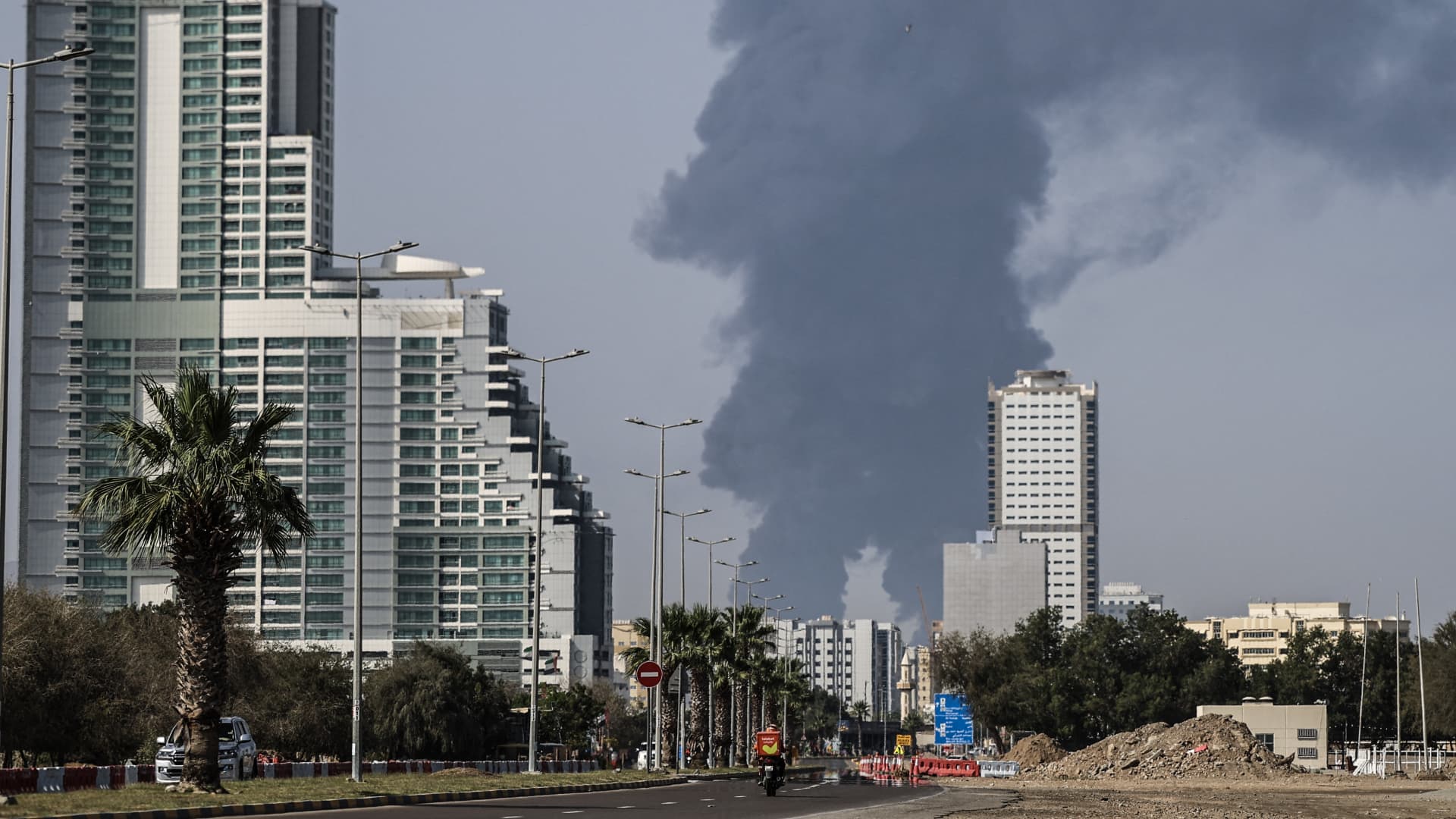
- U.S. Troop Increase: President Trump indicated the possibility of deploying ground forces to Iran's Kharg Island, with 3,500 U.S. troops already in the region, signaling an escalation in military presence that could heighten tensions and impact global energy markets.
- Surging Oil Prices: Brent crude futures rose 2.92% to $115.86 per barrel, while U.S. West Texas Intermediate futures increased by 3.20% to $102.80 per barrel, reflecting market concerns over escalating tensions in the Middle East that could lead to higher energy costs.
- Infrastructure Attacks: An attack on a power generation and desalination plant in Kuwait resulted in the death of an Indian worker, highlighting the threat posed by Iranian aggression to critical infrastructure, which could disrupt water and electricity supplies and escalate regional conflict.
- Houthi Forces Involvement: The Houthi forces from Yemen launched ballistic missiles targeting Israel, further intensifying regional tensions and indicating a broader conflict that could have significant implications for global markets.
Houthi Missile Strike on Israel Drives Oil Prices Higher
- Oil Price Surge: Following the Houthi missile strike on Israel, Brent crude futures rose by 2.92% to $115.86 per barrel, while WTI futures increased by 3.20% to $102.80 per barrel, indicating a market response to heightened geopolitical risks.
- Conflict Escalation: The Houthis' direct involvement in the U.S.-Israel war against Iran marks a significant escalation, as they targeted sensitive Israeli military sites, potentially leading to increased expectations for oil prices since the conflict began on February 28.
- Market Sentiment: Ed Yardeni of Yardeni Research noted that global equities are beginning to reflect a
Trump Considers Ending War in Iran Amid Oil Price Fluctuations
- Oil Price Fluctuations: Oil prices reversed course as traders reacted to Trump's statements about potentially ending U.S. operations against Iran, with WTI futures dropping 0.72% to $102.14 per barrel and Brent crude falling 1% to $111.55, indicating market sensitivity to geopolitical risks.
- Escalating Military Threats: Trump threatened to attack Iran's energy infrastructure if Tehran does not reopen the Strait of Hormuz, which could escalate regional tensions and disrupt global energy supply chains, reflecting the precarious balance of power in the region.
- Ongoing Conflict: The Iran war has entered its fifth week, with Tehran striking a fully laden Kuwaiti oil tanker, prompting firefighting operations in Dubai's port, although no injuries were reported, highlighting the conflict's expanding impact on maritime security.
- Ground Troop Considerations: Trump is reportedly weighing the option of deploying ground forces to seize Kharg Island, a critical fuel hub, which could increase U.S. casualties and extend the war's duration and costs, raising concerns among experts about the potential consequences of such actions.
Middle East Conflict Escalates Turmoil in Asia-Pacific Markets
- Escalating Middle East Tensions: As the conflict in the Middle East enters its fifth week, President Trump escalates threats to destroy Iran's electricity and oil facilities if the Strait of Hormuz remains closed, heightening market anxiety and diminishing investor confidence in Asia-Pacific markets.
- Surging Oil Prices: West Texas Intermediate crude prices rose over 3% to settle just below $103 per barrel, while Brent crude futures climbed to $112.78, marking the highest levels since 2022, reflecting concerns over potential supply disruptions.
- Declining Asia-Pacific Markets: Australia's S&P/ASX 200 index fell 0.30% in early trading, with Japan's Nikkei 225 and Hong Kong's Hang Seng index futures also indicating downward trends, suggesting a pessimistic outlook among investors regarding future market performance.
- Divergent U.S. Stock Performance: While the S&P 500 and Nasdaq Composite fell by 0.39% and 0.73% respectively, the Dow Jones Industrial Average managed a slight gain of 0.11%, indicating varied investor reactions across different sectors amidst ongoing uncertainty.
The Iran Conflict May Persist: Current Investment Opportunities for Success.
- Current Market Status: The Nasdaq is currently in a correction, having dropped over 10% from its recent highs.
- Bear Market Concerns: There are increasing fears that the Nasdaq may soon enter a bear market, defined as a decline of 20%.
- Wall Street Perspective: Despite the downturn, there is a common belief on Wall Street that opportunities for profit exist in other sectors.
- Market Sentiment: The overall sentiment reflects anxiety about the tech-heavy index's performance amidst potential further declines.
Locating Profitable Stocks During the Iran War Crisis
Current Market Status: The Nasdaq Composite is currently in a correction, having fallen over 10% from its recent highs.
Bear Market Concerns: There are increasing fears that the index may soon enter a bear market, defined as a decline of 20% or more.
Wall Street Perspective: Despite the downturn, the sentiment on Wall Street remains optimistic, suggesting that there are always opportunities for gains in other sectors.
Investment Outlook: Investors are encouraged to look for potential bull markets in different areas, even amidst the current challenges faced by the tech-heavy index.
Middle East Tensions Escalate, Oil Prices Surge
- U.S. Troop Increase: President Trump indicated the possibility of deploying ground forces to Iran's Kharg Island, with 3,500 U.S. troops already in the region, signaling an escalation in military presence that could heighten tensions and impact global energy markets.
- Surging Oil Prices: Brent crude futures rose 2.92% to $115.86 per barrel, while U.S. West Texas Intermediate futures increased by 3.20% to $102.80 per barrel, reflecting market concerns over escalating tensions in the Middle East that could lead to higher energy costs.
- Infrastructure Attacks: An attack on a power generation and desalination plant in Kuwait resulted in the death of an Indian worker, highlighting the threat posed by Iranian aggression to critical infrastructure, which could disrupt water and electricity supplies and escalate regional conflict.
- Houthi Forces Involvement: The Houthi forces from Yemen launched ballistic missiles targeting Israel, further intensifying regional tensions and indicating a broader conflict that could have significant implications for global markets.
Houthi Missile Strike on Israel Drives Oil Prices Higher
- Oil Price Surge: Following the Houthi missile strike on Israel, Brent crude futures rose by 2.92% to $115.86 per barrel, while WTI futures increased by 3.20% to $102.80 per barrel, indicating a market response to heightened geopolitical risks.
- Conflict Escalation: The Houthis' direct involvement in the U.S.-Israel war against Iran marks a significant escalation, as they targeted sensitive Israeli military sites, potentially leading to increased expectations for oil prices since the conflict began on February 28.
- Market Sentiment: Ed Yardeni of Yardeni Research noted that global equities are beginning to reflect a