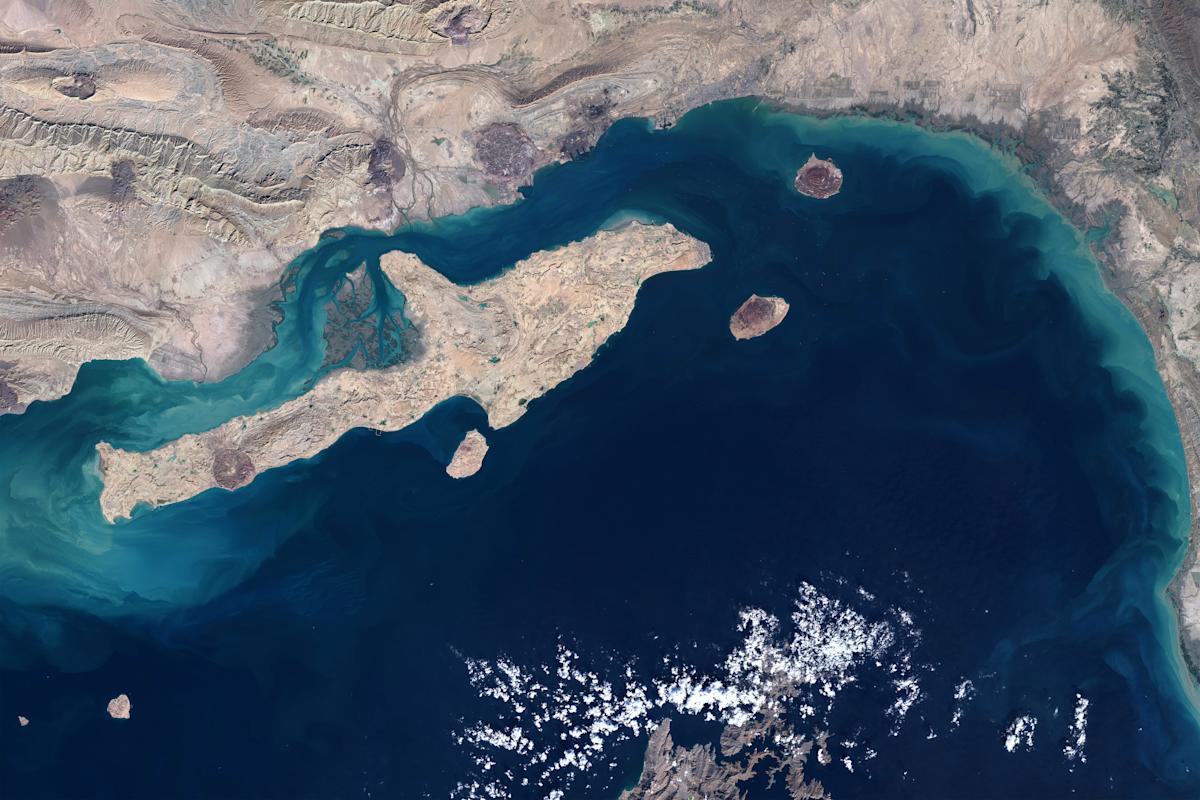
Oil Prices Surge Amid Ongoing Middle East Tensions
Written by Emily J. Thompson, Senior Investment Analyst
Updated: 6 days ago
0mins

Source: Fool
- Oil Price Surge: The ongoing U.S. and Israeli strikes on Iran have effectively closed the Strait of Hormuz, pushing oil prices above $100 per barrel, with Dated Brent reaching $141 on April 2, the highest since 2008, indicating significant geopolitical impacts on energy markets.
- Market Stability: Despite rising oil prices, the S&P 500 remained nearly flat on Monday as investors weighed competing reports of a potential ceasefire against a Tuesday deadline set by President Trump, reflecting market uncertainty regarding future developments.
- Employment Data Impact: The Nasdaq had its first opportunity to react to Friday's strong jobs report, which showed 178,000 positions added, nearly triple the consensus, potentially influencing investor confidence in economic recovery.
- Geopolitical Risks: Trump's warning on social media about further military action against Iran if the Strait of Hormuz remains blocked highlights that geopolitical risks continue to be a significant factor in market volatility, potentially leading to further increases in oil prices.
Trade with 70% Backtested Accuracy
Stop guessing "Should I Buy NNI?" and start using high-conviction signals backed by rigorous historical data.
Sign up today to access powerful investing tools and make smarter, data-driven decisions.
Analyst Views on NNI
Wall Street analysts forecast NNI stock price to rise
1 Analyst Rating
0 Buy
1 Hold
0 Sell
Hold
Current: 132.800

Low
140.00
Averages
140.00
High
140.00
Current: 132.800
Low
140.00
Averages
140.00
High
140.00
About NNI
Nelnet, Inc. operates businesses that are engaged in loan servicing and education technology services and payments. The Company's segments include Loan Servicing and Systems (LSS), Education Technology Services and Payments (ETSP), Asset Generation and Management (AGM), and Nelnet Bank. The LSS segment is focused on consumer loan servicing, loan servicing-related technology solutions and outsourcing business services. This segment includes the brands Nelnet Diversified Solutions, Nelnet Government Services and others. The ETSP segment provides education and payment technology and services for K-12 schools, higher education institutions, churches, and businesses in the United States and internationally. The AGM segment includes the acquisition and management of students and other loan assets, including investment interests therein. The Nelnet Bank includes an Internet Utah-chartered industrial bank focused on the private education and unsecured consumer loan markets.
About the author

Emily J. Thompson
Emily J. Thompson, a Chartered Financial Analyst (CFA) with 12 years in investment research, graduated with honors from the Wharton School. Specializing in industrial and technology stocks, she provides in-depth analysis for Intellectia’s earnings and market brief reports.

Oil Prices Surge Amid SpaceX's $2 Trillion IPO Buzz


- Oil Price Surge: Current prices for West Texas Intermediate and Brent crude have reached $110 per barrel, marking a 35% increase since December, which significantly impacts American consumers as gasoline prices rise from $2.80 to $3.80 per gallon, increasing economic strain on households.
- Futures Market Dynamics: The oil futures market is experiencing backwardation, with current month prices at $110 per barrel compared to $70 for contracts expiring in late 2026, indicating market concerns about short-term supply issues while suggesting a more optimistic long-term outlook that could influence investor strategies.
- SpaceX IPO Outlook: SpaceX has filed for a confidential IPO, potentially valued at $2 trillion, although the actual capital needed may only be $80 to $100 billion, reflecting strong market interest in the space economy and likely attracting significant investor attention.
- Economic Impact Assessment: Despite the pressure from rising oil prices, recent employment data shows a robust job market with a slight decrease in unemployment, indicating that consumers are maintaining some economic resilience in the face of rising costs, necessitating close monitoring of future economic trends.
See More

Rising Oil Prices and Space Economy Outlook
- Oil Price Surge: Current prices for West Texas Intermediate and Brent crude have reached $110 per barrel, marking a 35% increase since last December, which significantly impacts American consumers as gasoline prices rise from $2.80 to $3.80, potentially affecting the overall economy.
- Futures Market Dynamics: The oil futures market is experiencing backwardation, with current month contracts priced at $110 per barrel while contracts for late 2026 are only $70, indicating that investors believe short-term supply issues may not persist, reflecting expectations for a return to normal pricing.
- Economic Impact Assessment: Despite the pressure from rising oil prices, recent employment data shows a decrease in unemployment, suggesting that consumer confidence remains strong, which may mitigate the negative effects of higher oil prices on the economy.
- Space Economy Potential: SpaceX is seeking a confidential public listing with a potential valuation of $2 trillion; however, the actual funds needed may be significantly lower, indicating strong investor interest in the space sector and its growth prospects.
See More

Guide to College Financial Aid Choices

- Importance of Financial Aid: Financial aid has become a crucial factor in college selection, with about two-thirds of full-time students receiving some form of assistance, significantly reducing the financial burden on families.
- Complexity of Aid Structure: Due to the varying formats of financial aid offers from different schools, families often face challenges in comparison; experts recommend focusing on the ratio of free money (like scholarships and grants) to loans that need to be repaid for informed decision-making.
- Knowledge of Loans and Repayment: New borrowing limits will impact future financial planning, and experts emphasize prioritizing federal loans, with borrowing as a last resort, making it essential to understand the repayment terms of different loans.
- Strategies for Securing More Aid: Families can appeal for additional aid from the college financial aid office, especially if financial circumstances change or if better offers are received from other schools, documenting changes in assets and income will aid in negotiations.
See More

Oil Prices Surge Amid Ongoing Middle East Tensions


- Oil Price Surge: The ongoing U.S. and Israeli strikes on Iran have effectively closed the Strait of Hormuz, pushing oil prices above $100 per barrel, with Dated Brent reaching $141 on April 2, the highest since 2008, indicating significant geopolitical impacts on energy markets.
- Market Stability: Despite rising oil prices, the S&P 500 remained nearly flat on Monday as investors weighed competing reports of a potential ceasefire against a Tuesday deadline set by President Trump, reflecting market uncertainty regarding future developments.
- Employment Data Impact: The Nasdaq had its first opportunity to react to Friday's strong jobs report, which showed 178,000 positions added, nearly triple the consensus, potentially influencing investor confidence in economic recovery.
- Geopolitical Risks: Trump's warning on social media about further military action against Iran if the Strait of Hormuz remains blocked highlights that geopolitical risks continue to be a significant factor in market volatility, potentially leading to further increases in oil prices.
See More

Urgent Changes to Parent Loan Repayment Plans
- Repayment Plan Changes: Starting in July, Parent PLUS loan borrowers will lose access to income-driven repayment plans due to Trump's One Big Beautiful Bill Act, affecting approximately 3.6 million borrowers and over $114 billion in debt, leading to increased repayment burdens.
- Consolidation Opportunity: Borrowers can maintain access to IDR options by consolidating their Parent PLUS loans into a Direct Consolidation Loan by April, and experts recommend starting this process immediately to ensure completion before the July 1 deadline.
- Reduced Repayment Options: Parent borrowers who do not consolidate will face fewer repayment choices, with existing borrowers retaining access to the Standard Repayment Plan, while new borrowers will only have the new Tiered Standard Repayment Plan available, which does not offer loan forgiveness.
- Income Impact Analysis: For parent borrowers earning under $30,000 annually, the Income-Based Repayment plan results in a $0 monthly payment, while those earning $50,000 would pay $146 monthly, compared to a potential $432 under the new Tiered Standard Plan, highlighting the advantages of IDR plans.
See More

Student Loan SAVE Plan Set to End Soon

- End of SAVE Plan: The Trump administration's announcement to terminate the SAVE plan affects approximately 7.5 million borrowers, who will receive guidance on enrolling in a new repayment plan, highlighting the legal challenges that led to the plan's blockage by a federal appeals court, impacting borrowers' repayment options and financial planning.
- Borrower Deadline: Borrowers must select a new repayment plan by July 1, 2026, as communicated by the Department of Education, with those failing to do so automatically placed into the Standard Repayment Plan, which may result in higher monthly payments than under SAVE.
- Interest Resumption Impact: With interest resuming for SAVE borrowers in August 2024, the average loan balance of $57,000 at a 6.7% interest rate means borrowers have seen their debt increase by over $2,500 since interest accrual resumed, exacerbating their financial burden.
- Diverse Repayment Options: Borrowers can enroll in existing income-driven repayment plans or wait for the new Repayment Assistance Plan, which will set monthly payments between 1% and 10% of income, demonstrating the government's flexibility in adjusting student loan policies to meet borrower needs.
See More
Oil Prices Surge Amid SpaceX's $2 Trillion IPO Buzz
- Oil Price Surge: Current prices for West Texas Intermediate and Brent crude have reached $110 per barrel, marking a 35% increase since December, which significantly impacts American consumers as gasoline prices rise from $2.80 to $3.80 per gallon, increasing economic strain on households.
- Futures Market Dynamics: The oil futures market is experiencing backwardation, with current month prices at $110 per barrel compared to $70 for contracts expiring in late 2026, indicating market concerns about short-term supply issues while suggesting a more optimistic long-term outlook that could influence investor strategies.
- SpaceX IPO Outlook: SpaceX has filed for a confidential IPO, potentially valued at $2 trillion, although the actual capital needed may only be $80 to $100 billion, reflecting strong market interest in the space economy and likely attracting significant investor attention.
- Economic Impact Assessment: Despite the pressure from rising oil prices, recent employment data shows a robust job market with a slight decrease in unemployment, indicating that consumers are maintaining some economic resilience in the face of rising costs, necessitating close monitoring of future economic trends.
See More
Rising Oil Prices and Space Economy Outlook
- Oil Price Surge: Current prices for West Texas Intermediate and Brent crude have reached $110 per barrel, marking a 35% increase since last December, which significantly impacts American consumers as gasoline prices rise from $2.80 to $3.80, potentially affecting the overall economy.
- Futures Market Dynamics: The oil futures market is experiencing backwardation, with current month contracts priced at $110 per barrel while contracts for late 2026 are only $70, indicating that investors believe short-term supply issues may not persist, reflecting expectations for a return to normal pricing.
- Economic Impact Assessment: Despite the pressure from rising oil prices, recent employment data shows a decrease in unemployment, suggesting that consumer confidence remains strong, which may mitigate the negative effects of higher oil prices on the economy.
- Space Economy Potential: SpaceX is seeking a confidential public listing with a potential valuation of $2 trillion; however, the actual funds needed may be significantly lower, indicating strong investor interest in the space sector and its growth prospects.
See More
Guide to College Financial Aid Choices
- Importance of Financial Aid: Financial aid has become a crucial factor in college selection, with about two-thirds of full-time students receiving some form of assistance, significantly reducing the financial burden on families.
- Complexity of Aid Structure: Due to the varying formats of financial aid offers from different schools, families often face challenges in comparison; experts recommend focusing on the ratio of free money (like scholarships and grants) to loans that need to be repaid for informed decision-making.
- Knowledge of Loans and Repayment: New borrowing limits will impact future financial planning, and experts emphasize prioritizing federal loans, with borrowing as a last resort, making it essential to understand the repayment terms of different loans.
- Strategies for Securing More Aid: Families can appeal for additional aid from the college financial aid office, especially if financial circumstances change or if better offers are received from other schools, documenting changes in assets and income will aid in negotiations.
See More
Oil Prices Surge Amid Ongoing Middle East Tensions
- Oil Price Surge: The ongoing U.S. and Israeli strikes on Iran have effectively closed the Strait of Hormuz, pushing oil prices above $100 per barrel, with Dated Brent reaching $141 on April 2, the highest since 2008, indicating significant geopolitical impacts on energy markets.
- Market Stability: Despite rising oil prices, the S&P 500 remained nearly flat on Monday as investors weighed competing reports of a potential ceasefire against a Tuesday deadline set by President Trump, reflecting market uncertainty regarding future developments.
- Employment Data Impact: The Nasdaq had its first opportunity to react to Friday's strong jobs report, which showed 178,000 positions added, nearly triple the consensus, potentially influencing investor confidence in economic recovery.
- Geopolitical Risks: Trump's warning on social media about further military action against Iran if the Strait of Hormuz remains blocked highlights that geopolitical risks continue to be a significant factor in market volatility, potentially leading to further increases in oil prices.
See More
Urgent Changes to Parent Loan Repayment Plans
- Repayment Plan Changes: Starting in July, Parent PLUS loan borrowers will lose access to income-driven repayment plans due to Trump's One Big Beautiful Bill Act, affecting approximately 3.6 million borrowers and over $114 billion in debt, leading to increased repayment burdens.
- Consolidation Opportunity: Borrowers can maintain access to IDR options by consolidating their Parent PLUS loans into a Direct Consolidation Loan by April, and experts recommend starting this process immediately to ensure completion before the July 1 deadline.
- Reduced Repayment Options: Parent borrowers who do not consolidate will face fewer repayment choices, with existing borrowers retaining access to the Standard Repayment Plan, while new borrowers will only have the new Tiered Standard Repayment Plan available, which does not offer loan forgiveness.
- Income Impact Analysis: For parent borrowers earning under $30,000 annually, the Income-Based Repayment plan results in a $0 monthly payment, while those earning $50,000 would pay $146 monthly, compared to a potential $432 under the new Tiered Standard Plan, highlighting the advantages of IDR plans.
See More
Student Loan SAVE Plan Set to End Soon
- End of SAVE Plan: The Trump administration's announcement to terminate the SAVE plan affects approximately 7.5 million borrowers, who will receive guidance on enrolling in a new repayment plan, highlighting the legal challenges that led to the plan's blockage by a federal appeals court, impacting borrowers' repayment options and financial planning.
- Borrower Deadline: Borrowers must select a new repayment plan by July 1, 2026, as communicated by the Department of Education, with those failing to do so automatically placed into the Standard Repayment Plan, which may result in higher monthly payments than under SAVE.
- Interest Resumption Impact: With interest resuming for SAVE borrowers in August 2024, the average loan balance of $57,000 at a 6.7% interest rate means borrowers have seen their debt increase by over $2,500 since interest accrual resumed, exacerbating their financial burden.
- Diverse Repayment Options: Borrowers can enroll in existing income-driven repayment plans or wait for the new Repayment Assistance Plan, which will set monthly payments between 1% and 10% of income, demonstrating the government's flexibility in adjusting student loan policies to meet borrower needs.
See More