Oil Price Volatility Impacts Three Major Oil Stocks
Written by Emily J. Thompson, Senior Investment Analyst
Updated: Mar 21 2026
0mins
Source: Fool
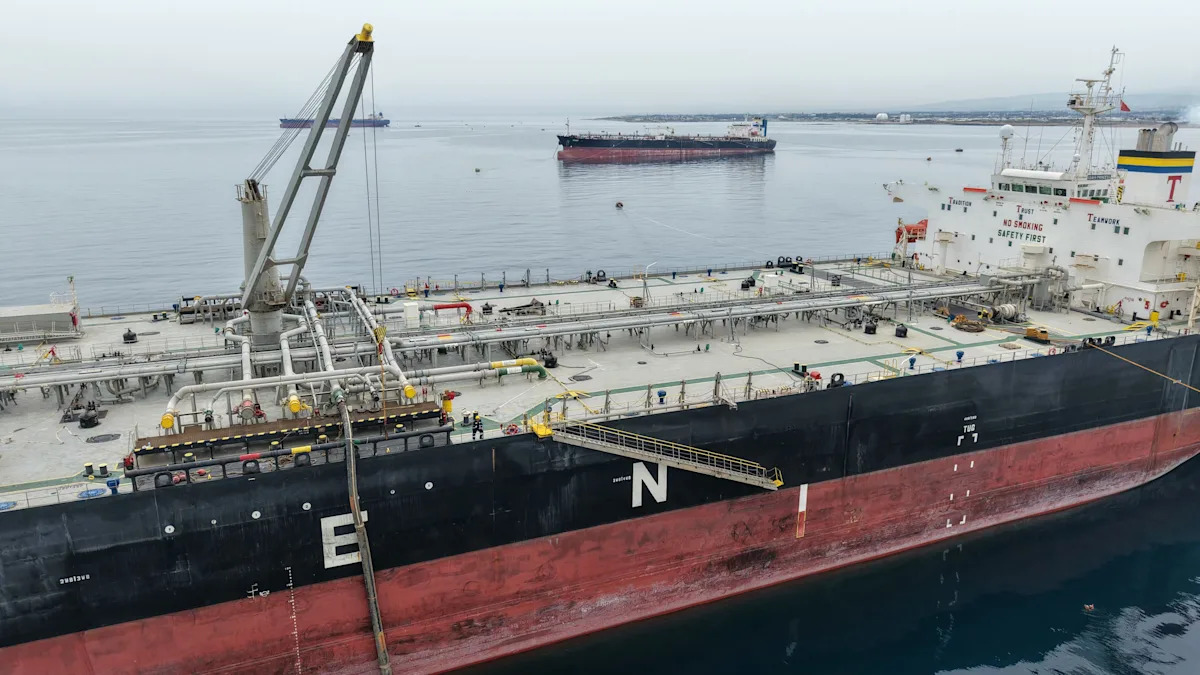
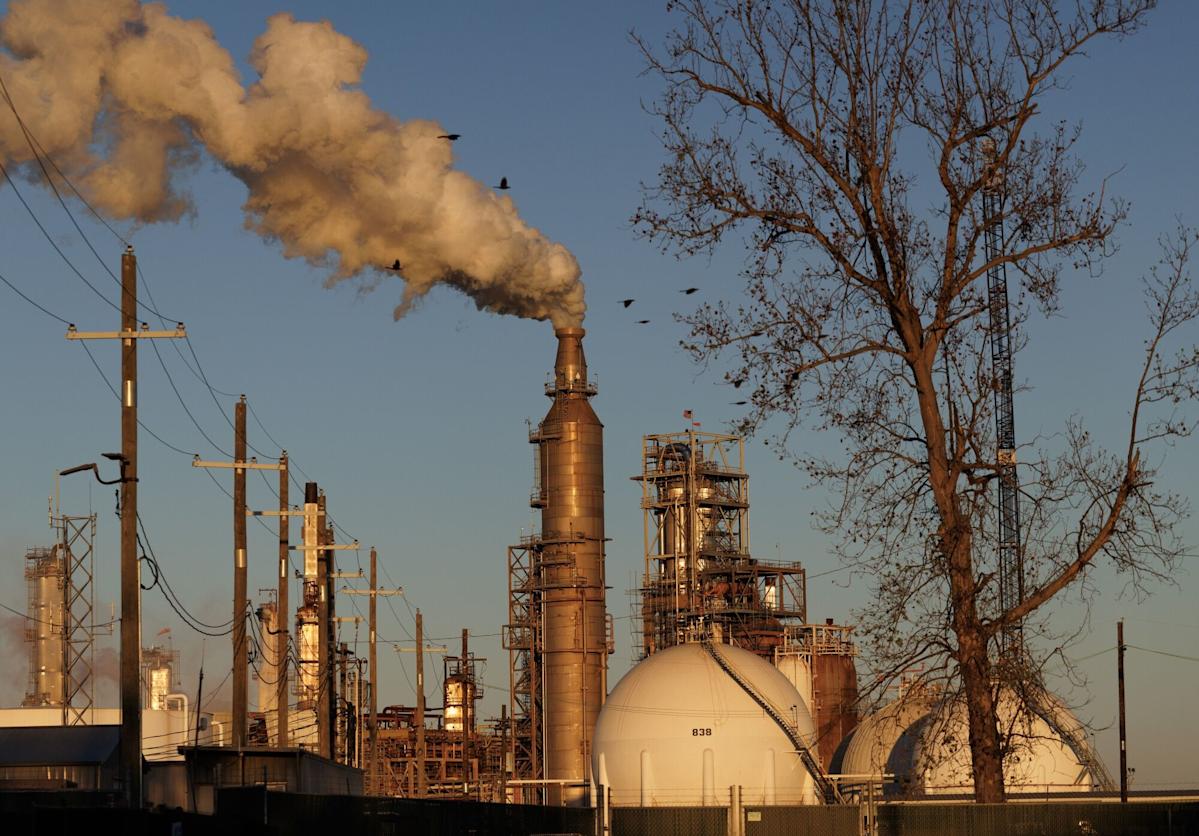
- Oil Price Volatility: Oil prices have been highly volatile since Israel and the U.S. launched military strikes against Iran, recently surging due to attacks on oil tankers and energy infrastructure, highlighting the direct impact of geopolitical tensions on the oil market.
- Earnings Growth Potential: For instance, a $1 increase in oil prices can boost Chevron's annual earnings and cash flow by $600 million, while ConocoPhillips sees an increase of over $100 million, indicating significant profitability enhancement amid rising crude prices.
- Downside Protection: Even with falling oil prices, Chevron expects to achieve over 10% annual free cash flow growth at an average price of $70 per barrel, demonstrating its strong risk resilience and sustainable growth potential.
- Consistent Dividend Growth: Chevron has increased its dividend for 39 consecutive years, while Canadian Natural Resources and ConocoPhillips have extended their streaks to 26 and 10 years respectively, indicating these companies' ability to maintain stable shareholder returns despite oil price fluctuations.
Trade with 70% Backtested Accuracy
Stop guessing "Should I Buy COP?" and start using high-conviction signals backed by rigorous historical data.
Sign up today to access powerful investing tools and make smarter, data-driven decisions.
Analyst Views on COP
Wall Street analysts forecast COP stock price to fall
19 Analyst Rating
15 Buy
3 Hold
1 Sell
Moderate Buy
Current: 121.570

Low
98.00
Averages
115.67
High
133.00
Current: 121.570
Low
98.00
Averages
115.67
High
133.00
About COP
ConocoPhillips is an exploration and production company. Its Alaska segment primarily explores for, produces, transports and markets crude oil, natural gas and NGLs. The Lower 48 segment consists of operations located in the 48 contiguous states in the United States and the Gulf of Mexico. Canadian operations consist of the Surmont oil sands development in Alberta, the liquids-rich Montney unconventional play in British Columbia and commercial operations. The Europe, Middle East and North Africa segment consists of operations principally located in the Norwegian sector of the North Sea, the Norwegian Sea, Qatar, Libya, Equatorial Guinea and commercial and terminalling operations in the United Kingdom. Asia Pacific segment has exploration and production operations in China, Malaysia, Australia and commercial operations in China, Singapore and Japan. Other International segment includes interests in Colombia as well as contingencies associated with prior operations in other countries.
About the author

Emily J. Thompson
Emily J. Thompson, a Chartered Financial Analyst (CFA) with 12 years in investment research, graduated with honors from the Wharton School. Specializing in industrial and technology stocks, she provides in-depth analysis for Intellectia’s earnings and market brief reports.

US Stocks Surge as Oil Prices Plunge Amid Peace Talks


- Market Rally: The S&P 500 rose 1.20% and the Nasdaq 100 increased by 1.29%, reaching all-time highs, reflecting investor optimism regarding US-Iran peace talks, which may enhance risk appetite in the markets.
- Oil Price Plunge: WTI crude prices fell over 11% to a five-week low after Iran announced the Strait of Hormuz is fully open, easing inflation concerns and causing the 10-year T-note yield to drop 7 basis points to 4.24%.
- Strong Earnings Season: The earnings season started robustly, with 81% of the 48 S&P 500 companies reporting Q1 earnings exceeding estimates, projecting a 12% year-over-year increase in earnings, providing strong support for the stock market.
- Airline Stocks Surge: Airline stocks surged as fuel costs decreased, with Alaska Air Group (ALK) rising over 10% and Royal Caribbean Cruises Ltd (RCL) up more than 7%, indicating market confidence in the recovery of the airline industry.
See More
Energy Stocks Hit by Oil Price Drop, Buying Opportunities Arise


- Oil Price Impact: Brent crude futures fell over 8% and West Texas Intermediate dropped 10%, leading to a broad decline in energy stocks, which may present buying opportunities for stocks favored by Goldman Sachs.
- Goldman’s Stock Picks: Analyst Neil Mehta noted that despite geopolitical and commodity volatility, the energy stocks he recommends are fundamentally supported in the mid-term, particularly with a bullish long-term view that Brent crude will normalize at $75 per barrel.
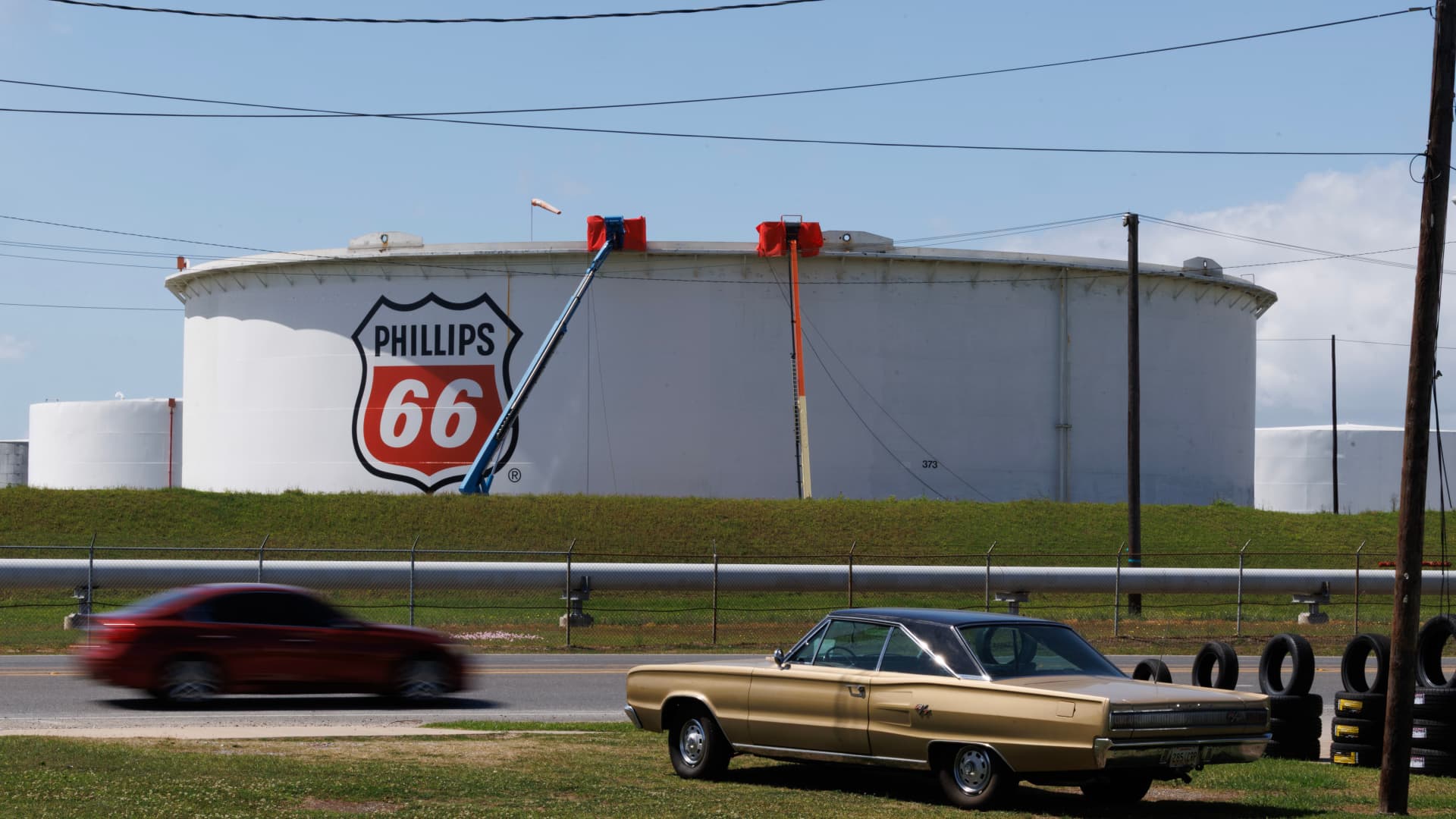
- Cash Flow Growth Potential: ConocoPhillips is expected to achieve a 20% to 25% compound annual growth rate in free cash flow per share through cost reductions and major projects coming online, with a price target of $144 implying an 18% upside from Thursday's close.
- Electrification Investment Theme: Vistra is performing well under the electrification theme, with attractive fundamentals, a price target of $212 suggesting a 28% upside, and recent agreements with Meta providing additional support for future growth.
See More
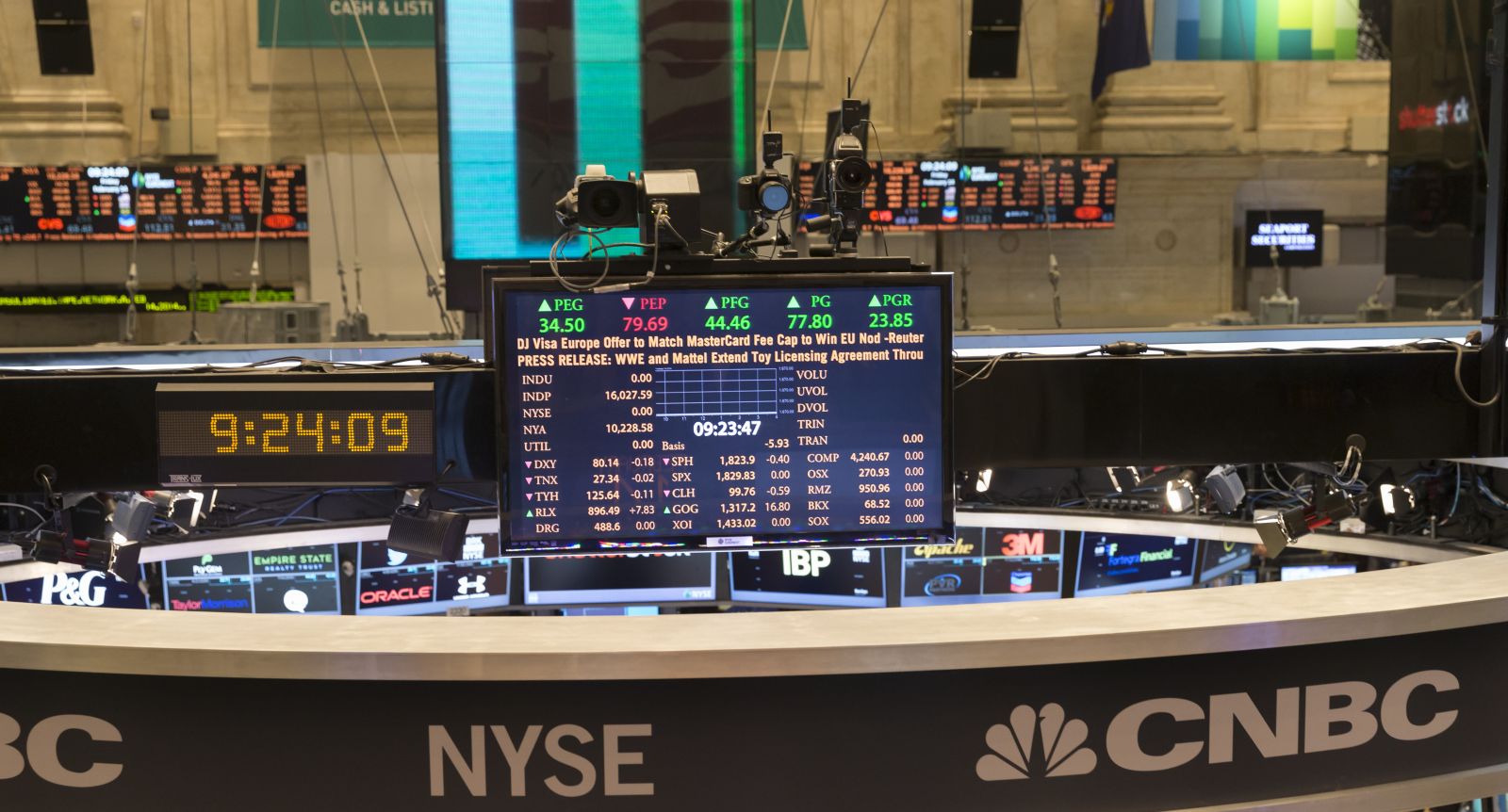
US Stocks Rally as Oil Prices Plunge Amid Peace Talks
- Market Surge: The S&P 500 rose by 1.28% and the Nasdaq 100 reached an all-time high, reflecting investor optimism driven by peace talks between the US and Iran, which may enhance risk appetite and bolster overall market confidence.
- Oil Price Plunge: WTI crude oil prices fell over 13% to a five-week low after the Strait of Hormuz reopened, easing inflation concerns and causing the 10-year Treasury yield to drop by 8 basis points, further supporting the bond market.
- Earnings Growth Expectations: Q1 earnings for the S&P 500 are projected to increase by 12% year-over-year, although excluding the tech sector, growth is only 3%, indicating resilience in corporate performance amid economic recovery and providing market support.
- Airline Stocks Soar: With reduced fuel costs, Alaska Air Group and United Airlines surged by over 14% and 11%, respectively, demonstrating the positive impact of falling oil prices on the airline industry, which could enhance profitability for related companies.
See More

Oil Stocks Plummet as Strait of Hormuz Reopens


- Oil Stock Decline: Major U.S. oil stocks, including Exxon Mobil, Chevron, and ConocoPhillips, fell between 5% and 14% on Friday, reflecting market concerns over declining oil prices, particularly in light of the reopening of the Strait of Hormuz.
- Crude Price Plunge: U.S. West Texas Intermediate (WTI) crude futures dropped nearly 13%, hovering around $82 per barrel, the lowest in over a month, while Brent crude futures fell about 11%, which could negatively impact oil companies' profitability.
- Market Surge: The reopening of the Strait of Hormuz led to a significant surge in U.S. equities on Friday, with the Dow Jones Industrial Average soaring by more than 1,000 points, and both the S&P 500 and Nasdaq Composite reaching all-time highs, indicating strong market optimism regarding economic recovery.
- Trump's Announcement: President Trump stated on social media that the U.S. and Iran are collaborating to remove sea mines in the Strait of Hormuz, eliminating a critical threat to vessels, which may further bolster market confidence.
See More

Strait of Hormuz Opening Impacts Oil Prices
- Oil Price Drop: WTI and Brent crude oil prices fell by 11%, with WTI priced just over $84 per barrel and Brent below $89, reflecting a significant decrease from a few weeks ago when Brent approached $110, indicating a bearish market outlook on future oil prices.
- Market Reaction: While the S&P 500 rose by 1%, ConocoPhillips (COP) shares dropped by 6.6% as investors began to factor in the potential for lower oil prices, making the stock appear expensive at a 19 times earnings ratio with only a 12% projected long-term growth rate.
- Geopolitical Factors: Iranian Foreign Minister confirmed the Strait of Hormuz is now open for all commercial vessels, although President Trump stated this is not linked to the truce in Lebanon, highlighting the complexities of geopolitical dynamics that could affect oil market supply and demand.
- Future Outlook: With the opening of the Strait of Hormuz, the market anticipates a resumption of Iranian oil supplies, which may pressure oil prices in the short term, potentially leading to continued downward pressure on ConocoPhillips stock, but could improve overall supply conditions in the oil market in the long run.
See More

S&P 500 Index Reaches New All-Time High

- Market Recovery: After a consistent downslide since February, the S&P 500 index rebounded this week to reach a new all-time high, currently up nearly 3% year-to-date and almost 32% over the past 12 months, reflecting market resilience and renewed investor confidence.
- Strong Energy Stock Performance: The ongoing conflict in the Middle East has driven oil prices higher, leading energy stocks like ExxonMobil, Chevron, and ConocoPhillips in the S&P 500 to significantly outperform the index, thereby enhancing overall index performance and mitigating declines in other sectors.
- Long-Term Investment Returns: Over the past 25 years, the S&P 500 has delivered total returns exceeding 850%, indicating that a $5,000 investment in an S&P 500 ETF 25 years ago would be worth approximately $48,000 today, highlighting the potential benefits of long-term holding.
- Investment Strategy Recommendation: Despite ongoing short-term volatility, the S&P 500 ETF, with its broad diversification and historical stability, emerges as an ideal investment choice during uncertain times, suitable for investors seeking both stability and potentially lucrative long-term returns.
See More
US Stocks Surge as Oil Prices Plunge Amid Peace Talks
- Market Rally: The S&P 500 rose 1.20% and the Nasdaq 100 increased by 1.29%, reaching all-time highs, reflecting investor optimism regarding US-Iran peace talks, which may enhance risk appetite in the markets.
- Oil Price Plunge: WTI crude prices fell over 11% to a five-week low after Iran announced the Strait of Hormuz is fully open, easing inflation concerns and causing the 10-year T-note yield to drop 7 basis points to 4.24%.
- Strong Earnings Season: The earnings season started robustly, with 81% of the 48 S&P 500 companies reporting Q1 earnings exceeding estimates, projecting a 12% year-over-year increase in earnings, providing strong support for the stock market.
- Airline Stocks Surge: Airline stocks surged as fuel costs decreased, with Alaska Air Group (ALK) rising over 10% and Royal Caribbean Cruises Ltd (RCL) up more than 7%, indicating market confidence in the recovery of the airline industry.
See More
Energy Stocks Hit by Oil Price Drop, Buying Opportunities Arise
- Oil Price Impact: Brent crude futures fell over 8% and West Texas Intermediate dropped 10%, leading to a broad decline in energy stocks, which may present buying opportunities for stocks favored by Goldman Sachs.
- Goldman’s Stock Picks: Analyst Neil Mehta noted that despite geopolitical and commodity volatility, the energy stocks he recommends are fundamentally supported in the mid-term, particularly with a bullish long-term view that Brent crude will normalize at $75 per barrel.
- Cash Flow Growth Potential: ConocoPhillips is expected to achieve a 20% to 25% compound annual growth rate in free cash flow per share through cost reductions and major projects coming online, with a price target of $144 implying an 18% upside from Thursday's close.
- Electrification Investment Theme: Vistra is performing well under the electrification theme, with attractive fundamentals, a price target of $212 suggesting a 28% upside, and recent agreements with Meta providing additional support for future growth.
See More
US Stocks Rally as Oil Prices Plunge Amid Peace Talks
- Market Surge: The S&P 500 rose by 1.28% and the Nasdaq 100 reached an all-time high, reflecting investor optimism driven by peace talks between the US and Iran, which may enhance risk appetite and bolster overall market confidence.
- Oil Price Plunge: WTI crude oil prices fell over 13% to a five-week low after the Strait of Hormuz reopened, easing inflation concerns and causing the 10-year Treasury yield to drop by 8 basis points, further supporting the bond market.
- Earnings Growth Expectations: Q1 earnings for the S&P 500 are projected to increase by 12% year-over-year, although excluding the tech sector, growth is only 3%, indicating resilience in corporate performance amid economic recovery and providing market support.
- Airline Stocks Soar: With reduced fuel costs, Alaska Air Group and United Airlines surged by over 14% and 11%, respectively, demonstrating the positive impact of falling oil prices on the airline industry, which could enhance profitability for related companies.
See More
Oil Stocks Plummet as Strait of Hormuz Reopens
- Oil Stock Decline: Major U.S. oil stocks, including Exxon Mobil, Chevron, and ConocoPhillips, fell between 5% and 14% on Friday, reflecting market concerns over declining oil prices, particularly in light of the reopening of the Strait of Hormuz.
- Crude Price Plunge: U.S. West Texas Intermediate (WTI) crude futures dropped nearly 13%, hovering around $82 per barrel, the lowest in over a month, while Brent crude futures fell about 11%, which could negatively impact oil companies' profitability.
- Market Surge: The reopening of the Strait of Hormuz led to a significant surge in U.S. equities on Friday, with the Dow Jones Industrial Average soaring by more than 1,000 points, and both the S&P 500 and Nasdaq Composite reaching all-time highs, indicating strong market optimism regarding economic recovery.
- Trump's Announcement: President Trump stated on social media that the U.S. and Iran are collaborating to remove sea mines in the Strait of Hormuz, eliminating a critical threat to vessels, which may further bolster market confidence.
See More
Strait of Hormuz Opening Impacts Oil Prices
- Oil Price Drop: WTI and Brent crude oil prices fell by 11%, with WTI priced just over $84 per barrel and Brent below $89, reflecting a significant decrease from a few weeks ago when Brent approached $110, indicating a bearish market outlook on future oil prices.
- Market Reaction: While the S&P 500 rose by 1%, ConocoPhillips (COP) shares dropped by 6.6% as investors began to factor in the potential for lower oil prices, making the stock appear expensive at a 19 times earnings ratio with only a 12% projected long-term growth rate.
- Geopolitical Factors: Iranian Foreign Minister confirmed the Strait of Hormuz is now open for all commercial vessels, although President Trump stated this is not linked to the truce in Lebanon, highlighting the complexities of geopolitical dynamics that could affect oil market supply and demand.
- Future Outlook: With the opening of the Strait of Hormuz, the market anticipates a resumption of Iranian oil supplies, which may pressure oil prices in the short term, potentially leading to continued downward pressure on ConocoPhillips stock, but could improve overall supply conditions in the oil market in the long run.
See More
S&P 500 Index Reaches New All-Time High
- Market Recovery: After a consistent downslide since February, the S&P 500 index rebounded this week to reach a new all-time high, currently up nearly 3% year-to-date and almost 32% over the past 12 months, reflecting market resilience and renewed investor confidence.
- Strong Energy Stock Performance: The ongoing conflict in the Middle East has driven oil prices higher, leading energy stocks like ExxonMobil, Chevron, and ConocoPhillips in the S&P 500 to significantly outperform the index, thereby enhancing overall index performance and mitigating declines in other sectors.
- Long-Term Investment Returns: Over the past 25 years, the S&P 500 has delivered total returns exceeding 850%, indicating that a $5,000 investment in an S&P 500 ETF 25 years ago would be worth approximately $48,000 today, highlighting the potential benefits of long-term holding.
- Investment Strategy Recommendation: Despite ongoing short-term volatility, the S&P 500 ETF, with its broad diversification and historical stability, emerges as an ideal investment choice during uncertain times, suitable for investors seeking both stability and potentially lucrative long-term returns.
See More