SpaceX IPO Sparks Investor Excitement for Space Stocks
Written by Emily J. Thompson, Senior Investment Analyst
Updated: Apr 20 2026
0mins


Should l Buy ASTS?
Source: Fool
- AST SpaceMobile's Strong Prospects: Focused on commercializing its satellite-based broadband network, AST SpaceMobile is projected to generate $70.9 million in revenue by 2025, with analysts forecasting $777 million in 2024, indicating robust growth potential despite a current gross margin of -14399.31%.
- Rocket Lab's Growth Momentum: Both Rocket Lab's launch services and space systems divisions have shown healthy growth, with the launch segment increasing nearly 40% last year and the space systems segment over 34%, establishing the company as a leader in space hardware.
- Increased Market Attention: As SpaceX's IPO approaches, heightened market interest in space exploration may create additional investment opportunities for companies like AST SpaceMobile and Rocket Lab, potentially driving their stock prices higher.
- Long-Term Investment Value: Although Rocket Lab is not yet profitable, its $48 billion market cap and expected mid-double-digit sales growth suggest that as sales scale up, the company is likely to achieve profitability in the future, attracting long-term investor interest.
Trade with 70% Backtested Accuracy
Stop guessing "Should I Buy ASTS?" and start using high-conviction signals backed by rigorous historical data.
Sign up today to access powerful investing tools and make smarter, data-driven decisions.
Analyst Views on ASTS
Wall Street analysts forecast ASTS stock price to rise
8 Analyst Rating
3 Buy
4 Hold
1 Sell
Hold
Current: 65.350

Low
43.00
Averages
91.68
High
137.00
Current: 65.350
Low
43.00
Averages
91.68
High
137.00
About ASTS
AST SpaceMobile, Inc. is engaged in building a global cellular broadband network in space to operate directly with standard, unmodified mobile devices based on its intellectual property (IP) and patent portfolio and designed for both commercial and government applications. The Company is engaged in designing and developing the constellation of BlueBird (BB) satellites and has planned space-based Cellular Broadband network distributed through a constellation of low Earth orbit (LEO) satellites. Its SpaceMobile Service is being designed to provide high-speed cellular broadband services to end-users who are out of terrestrial cellular coverage using existing mobile devices. The Company intends to continue testing capabilities of the BW3 test satellite, including further testing with cellular service providers and the government. The Company has operations in India, Scotland, Spain, and Israel.
About the author

Emily J. Thompson
Emily J. Thompson, a Chartered Financial Analyst (CFA) with 12 years in investment research, graduated with honors from the Wharton School. Specializing in industrial and technology stocks, she provides in-depth analysis for Intellectia’s earnings and market brief reports.
AST SpaceMobile Expands Production Capacity with New Facility

- New Facility Launch: AST SpaceMobile's new Midland, Texas facility is designed for high-volume production of 'Microns,' enabling the production of up to six satellites per month, thereby significantly enhancing the company's competitiveness in the U.S. government market.
- Production Capacity and Demand: The new facility's capabilities allow AST SpaceMobile to rapidly respond to U.S. government needs, increasing the company's importance in satellite manufacturing, particularly in meeting warfighter requirements.
- Financial Outlook: AST SpaceMobile is expected to report first-quarter revenues of $40 million, a substantial increase from $3.25 million a year earlier, with analysts predicting a narrower loss of $0.17 per share, indicating an improvement in the company's financial health.
- Investor Sentiment Recovery: With AST SpaceMobile's stock price rising 197% over the past year, investor sentiment has shifted from neutral to bullish, as the market eagerly anticipates the upcoming earnings report, with analysts setting a price target of $83.9, suggesting a 12% upside.
See More

Trump Rejects Iran's Revised Proposal Amid Geopolitical Tensions


- Trump's Proposal Rejection: Trump labeled Iran's latest sanctions relief and uranium export proposal as 'totally unacceptable' on social media, potentially escalating tensions in the Middle East and impacting global market sentiment.
- Market Reaction: U.S. stock futures edged lower on Monday morning, with S&P 500 and Dow futures declining by 0.1% while Nasdaq futures remained flat, indicating investor caution ahead of upcoming economic data amid geopolitical developments.
- Chip Sector Momentum: Memory chip stocks like Micron (MU) and Everspin (MRAM) continued to dominate retail chatter, with Everspin's stock surging 35% in early trading, reflecting strong momentum in the AI infrastructure trade.
- Biotech Stocks in Focus: Biotech stocks such as Moderna (MRNA) and Novavax (NVAX) garnered attention, while MoonLake Immunotherapeutics (MLTX) trended high after a positive FDA meeting, showcasing investor confidence in new drug developments.
See More

AST SpaceMobile to Announce Q1 Earnings on May 11
- Earnings Announcement: AST SpaceMobile is set to release its Q1 earnings on May 11 after market close, with consensus EPS estimate at -$0.19 and revenue estimate at $36.58 million, indicating cautious market sentiment regarding the company's financial performance.
- Historical Performance Review: Over the past year, AST SpaceMobile has only beaten EPS and revenue estimates 25% of the time, reflecting challenges in profitability and revenue growth that may impact investor confidence moving forward.
- Estimate Revision Dynamics: In the last three months, EPS estimates saw no upward revisions and one downward revision, while revenue estimates experienced one upward and two downward revisions, suggesting a conservative outlook from the market on the company's future performance.
- Market Reaction: Despite financial challenges, AST SpaceMobile's stock rose following the FCC's approval of its direct-to-device broadband service from space, indicating market recognition of its future business potential.
See More
ASTS Plans Mid-June Launch of Three Satellites
- Launch Plan Update: AST SpaceMobile announced a mid-June launch for three BlueBird satellites aboard a Falcon 9 rocket, with plans for launches every one to two months on average, aiming to expand its satellite-based mobile broadband network and enhance market competitiveness.
- Manufacturing Capacity Showcase: The company released a video of its Texas factory highlighting over 500,000 square feet of manufacturing capacity and ongoing satellite assembly operations, which not only boosts investor confidence but also lays the groundwork for future production scalability.
- Stock Price Surge: Following the launch announcement, ASTS shares jumped 4% in extended trading and rose 11% on Monday to close at $70.68, marking its best performance in over a month, reflecting market optimism ahead of the upcoming earnings report.
- Investor Dynamics: Rakuten Mobile completed its trading plan, selling all its shares and now holding a 5.3% stake in ASTS, raising investor concerns about the company's ability to achieve its target of 45 satellites in orbit by year-end, although analysts estimate a shortfall of about 7 satellites.
See More
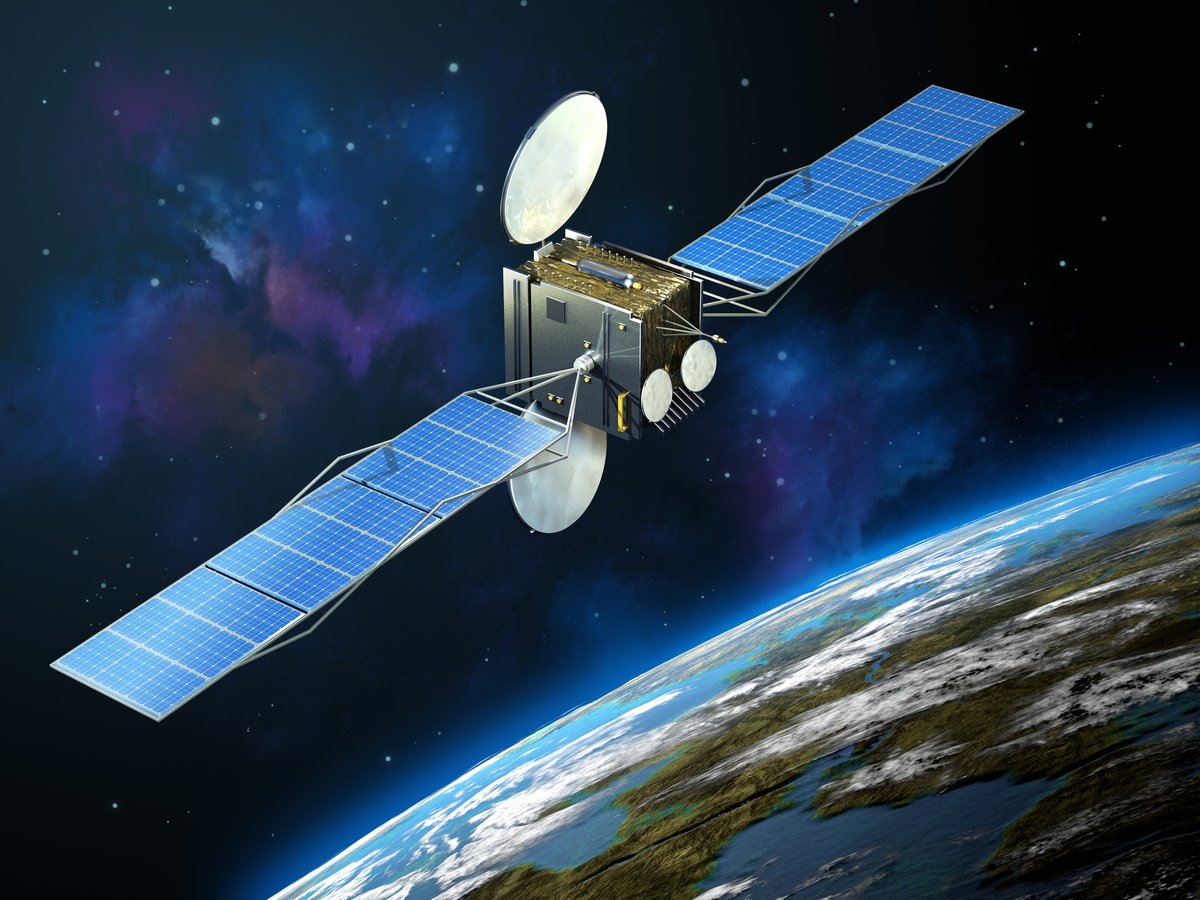
AST SpaceMobile's Satellite Launch Plans Hit Snag
- Launch Plans Stalled: AST SpaceMobile aimed to deploy 45 to 60 satellites by the end of 2026 to cover target markets, but the failure of the BlueBird 7 satellite launch has significantly impacted these plans, potentially delaying implementation.
- Launch Capacity Constraints: With the FAA grounding the New Glenn rocket for investigation, AST SpaceMobile faces launch delays; while New Glenn can carry eight satellites, SpaceX's Falcon 9 can only carry three to four, necessitating approximately 13 Falcon 9 launches to meet its goals.
- Revenue Expectations Downgraded: Management projected revenue between $150 million and $200 million this year, but the path to achieving this target has become longer due to launch delays, with analysts forecasting $1 billion in revenue by 2027, contingent on the fleet providing continuous service.
- Intensified Market Competition: AST SpaceMobile faces fierce competition from SpaceX's Starlink satellites, making time-to-market crucial for these early-stage players; amidst a 2,689% stock price increase over the past two years, investor concerns about profitability and competitiveness may intensify.
See More

AST SpaceMobile's Satellite Launch Plans Hit Setback
- Satellite Deployment Goals: AST SpaceMobile aims to deploy 45 to 60 satellites by the end of 2026 for continuous market coverage; however, the failure of the BlueBird 7 satellite launch on Blue Origin's New Glenn rocket may delay these plans, impacting the company's competitive position in the satellite market.
- Launch Capacity Constraints: The grounding of the New Glenn rocket by the FAA due to upper-stage engine failure severely hampers AST's launch schedule, necessitating approximately 13 Falcon 9 launches to meet its goals, which increases both time and cost pressures.
- Revenue Expectations Adjustment: While AST's management anticipates revenues of $150 million to $200 million this year, the launch delays challenge analysts' forecasts of $1 billion for 2027, potentially undermining investor confidence.
- Intensifying Market Competition: AST faces fierce competition from SpaceX's Starlink, making timely market entry crucial for early-stage players; the recent launch failure could negatively impact its stock price, prompting investors to carefully assess its future profitability.
See More
AST SpaceMobile Expands Production Capacity with New Facility
- New Facility Launch: AST SpaceMobile's new Midland, Texas facility is designed for high-volume production of 'Microns,' enabling the production of up to six satellites per month, thereby significantly enhancing the company's competitiveness in the U.S. government market.
- Production Capacity and Demand: The new facility's capabilities allow AST SpaceMobile to rapidly respond to U.S. government needs, increasing the company's importance in satellite manufacturing, particularly in meeting warfighter requirements.
- Financial Outlook: AST SpaceMobile is expected to report first-quarter revenues of $40 million, a substantial increase from $3.25 million a year earlier, with analysts predicting a narrower loss of $0.17 per share, indicating an improvement in the company's financial health.
- Investor Sentiment Recovery: With AST SpaceMobile's stock price rising 197% over the past year, investor sentiment has shifted from neutral to bullish, as the market eagerly anticipates the upcoming earnings report, with analysts setting a price target of $83.9, suggesting a 12% upside.
See More
Trump Rejects Iran's Revised Proposal Amid Geopolitical Tensions
- Trump's Proposal Rejection: Trump labeled Iran's latest sanctions relief and uranium export proposal as 'totally unacceptable' on social media, potentially escalating tensions in the Middle East and impacting global market sentiment.
- Market Reaction: U.S. stock futures edged lower on Monday morning, with S&P 500 and Dow futures declining by 0.1% while Nasdaq futures remained flat, indicating investor caution ahead of upcoming economic data amid geopolitical developments.
- Chip Sector Momentum: Memory chip stocks like Micron (MU) and Everspin (MRAM) continued to dominate retail chatter, with Everspin's stock surging 35% in early trading, reflecting strong momentum in the AI infrastructure trade.
- Biotech Stocks in Focus: Biotech stocks such as Moderna (MRNA) and Novavax (NVAX) garnered attention, while MoonLake Immunotherapeutics (MLTX) trended high after a positive FDA meeting, showcasing investor confidence in new drug developments.
See More
AST SpaceMobile to Announce Q1 Earnings on May 11
- Earnings Announcement: AST SpaceMobile is set to release its Q1 earnings on May 11 after market close, with consensus EPS estimate at -$0.19 and revenue estimate at $36.58 million, indicating cautious market sentiment regarding the company's financial performance.
- Historical Performance Review: Over the past year, AST SpaceMobile has only beaten EPS and revenue estimates 25% of the time, reflecting challenges in profitability and revenue growth that may impact investor confidence moving forward.
- Estimate Revision Dynamics: In the last three months, EPS estimates saw no upward revisions and one downward revision, while revenue estimates experienced one upward and two downward revisions, suggesting a conservative outlook from the market on the company's future performance.
- Market Reaction: Despite financial challenges, AST SpaceMobile's stock rose following the FCC's approval of its direct-to-device broadband service from space, indicating market recognition of its future business potential.
See More
ASTS Plans Mid-June Launch of Three Satellites
- Launch Plan Update: AST SpaceMobile announced a mid-June launch for three BlueBird satellites aboard a Falcon 9 rocket, with plans for launches every one to two months on average, aiming to expand its satellite-based mobile broadband network and enhance market competitiveness.
- Manufacturing Capacity Showcase: The company released a video of its Texas factory highlighting over 500,000 square feet of manufacturing capacity and ongoing satellite assembly operations, which not only boosts investor confidence but also lays the groundwork for future production scalability.
- Stock Price Surge: Following the launch announcement, ASTS shares jumped 4% in extended trading and rose 11% on Monday to close at $70.68, marking its best performance in over a month, reflecting market optimism ahead of the upcoming earnings report.
- Investor Dynamics: Rakuten Mobile completed its trading plan, selling all its shares and now holding a 5.3% stake in ASTS, raising investor concerns about the company's ability to achieve its target of 45 satellites in orbit by year-end, although analysts estimate a shortfall of about 7 satellites.
See More
AST SpaceMobile's Satellite Launch Plans Hit Snag
- Launch Plans Stalled: AST SpaceMobile aimed to deploy 45 to 60 satellites by the end of 2026 to cover target markets, but the failure of the BlueBird 7 satellite launch has significantly impacted these plans, potentially delaying implementation.
- Launch Capacity Constraints: With the FAA grounding the New Glenn rocket for investigation, AST SpaceMobile faces launch delays; while New Glenn can carry eight satellites, SpaceX's Falcon 9 can only carry three to four, necessitating approximately 13 Falcon 9 launches to meet its goals.
- Revenue Expectations Downgraded: Management projected revenue between $150 million and $200 million this year, but the path to achieving this target has become longer due to launch delays, with analysts forecasting $1 billion in revenue by 2027, contingent on the fleet providing continuous service.
- Intensified Market Competition: AST SpaceMobile faces fierce competition from SpaceX's Starlink satellites, making time-to-market crucial for these early-stage players; amidst a 2,689% stock price increase over the past two years, investor concerns about profitability and competitiveness may intensify.
See More
AST SpaceMobile's Satellite Launch Plans Hit Setback
- Satellite Deployment Goals: AST SpaceMobile aims to deploy 45 to 60 satellites by the end of 2026 for continuous market coverage; however, the failure of the BlueBird 7 satellite launch on Blue Origin's New Glenn rocket may delay these plans, impacting the company's competitive position in the satellite market.
- Launch Capacity Constraints: The grounding of the New Glenn rocket by the FAA due to upper-stage engine failure severely hampers AST's launch schedule, necessitating approximately 13 Falcon 9 launches to meet its goals, which increases both time and cost pressures.
- Revenue Expectations Adjustment: While AST's management anticipates revenues of $150 million to $200 million this year, the launch delays challenge analysts' forecasts of $1 billion for 2027, potentially undermining investor confidence.
- Intensifying Market Competition: AST faces fierce competition from SpaceX's Starlink, making timely market entry crucial for early-stage players; the recent launch failure could negatively impact its stock price, prompting investors to carefully assess its future profitability.
See More