Eurozone PMI Drops to 10-Month Low Amid Iran Conflict
- Significant PMI Decline: The S&P Global flash PMI for the Eurozone fell to 50.5 in March from 51.9 in February, marking a steep decline that signals slowing economic growth and falls below economists' expectations of 51.0, indicating potential stagflation risks.
- Rising Cost Pressures: Firms are experiencing the fastest rise in costs in over three years due to surging energy prices and supply chain disruptions, with supplier delays reaching their highest level since mid-2022, exacerbating operational pressures on businesses.
- Hiring Slowdown: The survey indicates that Eurozone companies marginally scaled back hiring in March, reflecting a downward adjustment in output expectations, which suggests that uncertainty in the economic outlook is impacting the labor market.
- Stagflation Alarm: Economists warn that the current economic conditions could lead to stagflation, presenting a dilemma for central banks, as traditional measures to combat high inflation, such as raising interest rates, may stifle economic growth and employment.
Trade with 70% Backtested Accuracy
Analyst Views on SPGI

About SPGI
About the author

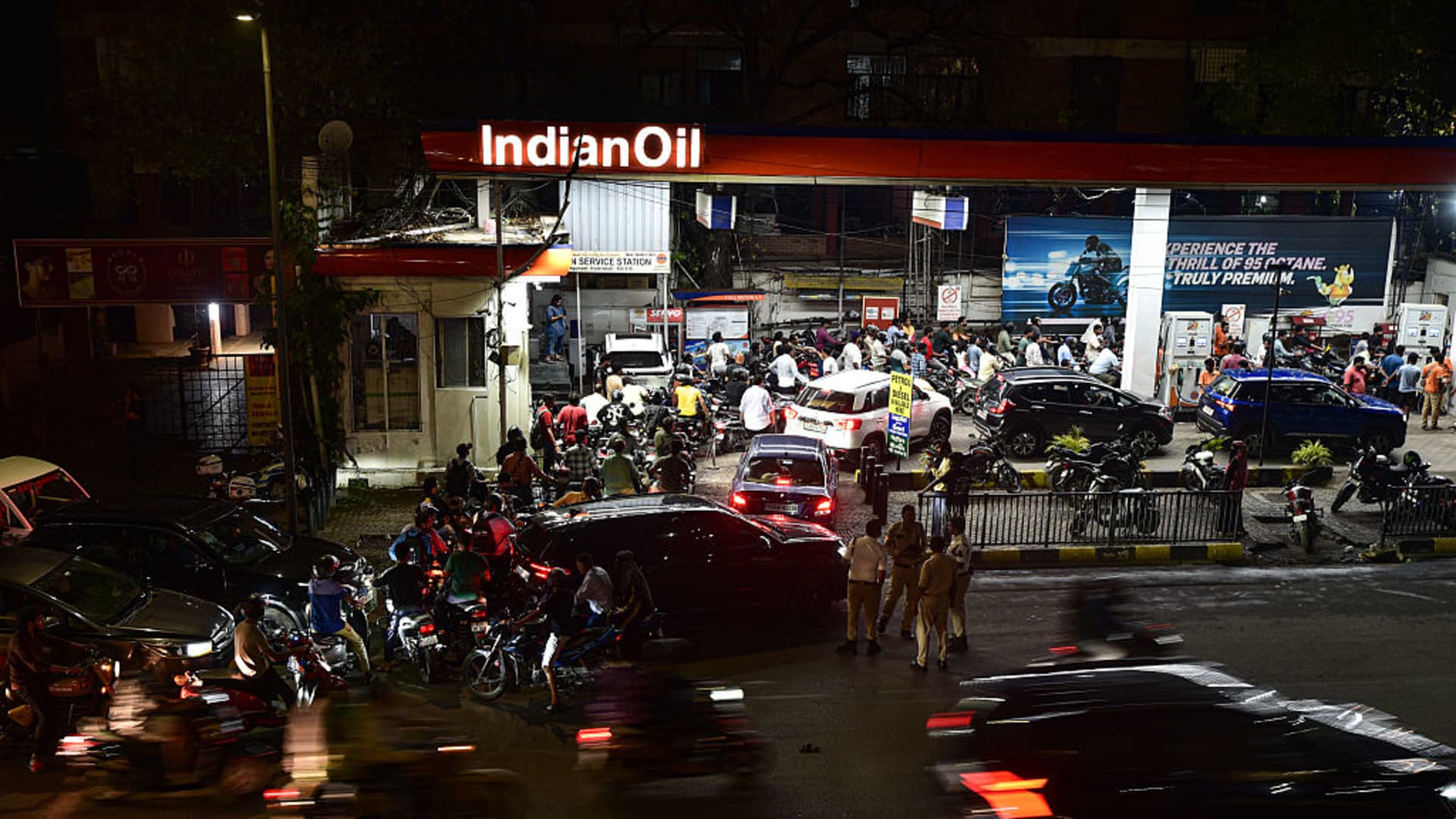
India's Economic Growth Faces Downside Risks Amid Middle East Conflict


- Growth Forecast Downgrade: India's growth forecast for the fiscal year ending March 2027 has been adjusted down to 7.0%-7.4% due to rising energy costs and supply chain disruptions linked to the Iran war, which is expected to significantly increase the trade deficit and impact the current account deficit, potentially hindering economic recovery.
- Rising Energy Costs: India relies on the Strait of Hormuz for about 50% of its crude oil, with prices surging from $80 to $140, leading to increased domestic fuel prices; while the government has cut taxes to alleviate consumer burdens, tax revenues are likely to be adversely affected.
- Private Sector Activity Slowdown: The HSBC flash Purchasing Managers' Index indicates that private sector activity in India fell to its lowest level since October 2022 in March, reflecting weak domestic demand and heightened inflationary pressures, with businesses expressing pessimism about future growth.
- Policy Response Measures: The Indian government has implemented measures to reduce central excise duties on petrol and diesel to prevent price hikes while raising export duties on diesel and aviation fuel to ensure domestic supply, demonstrating a cautious approach in addressing the energy crisis.
Energy Executives Warn of Middle East War Impact


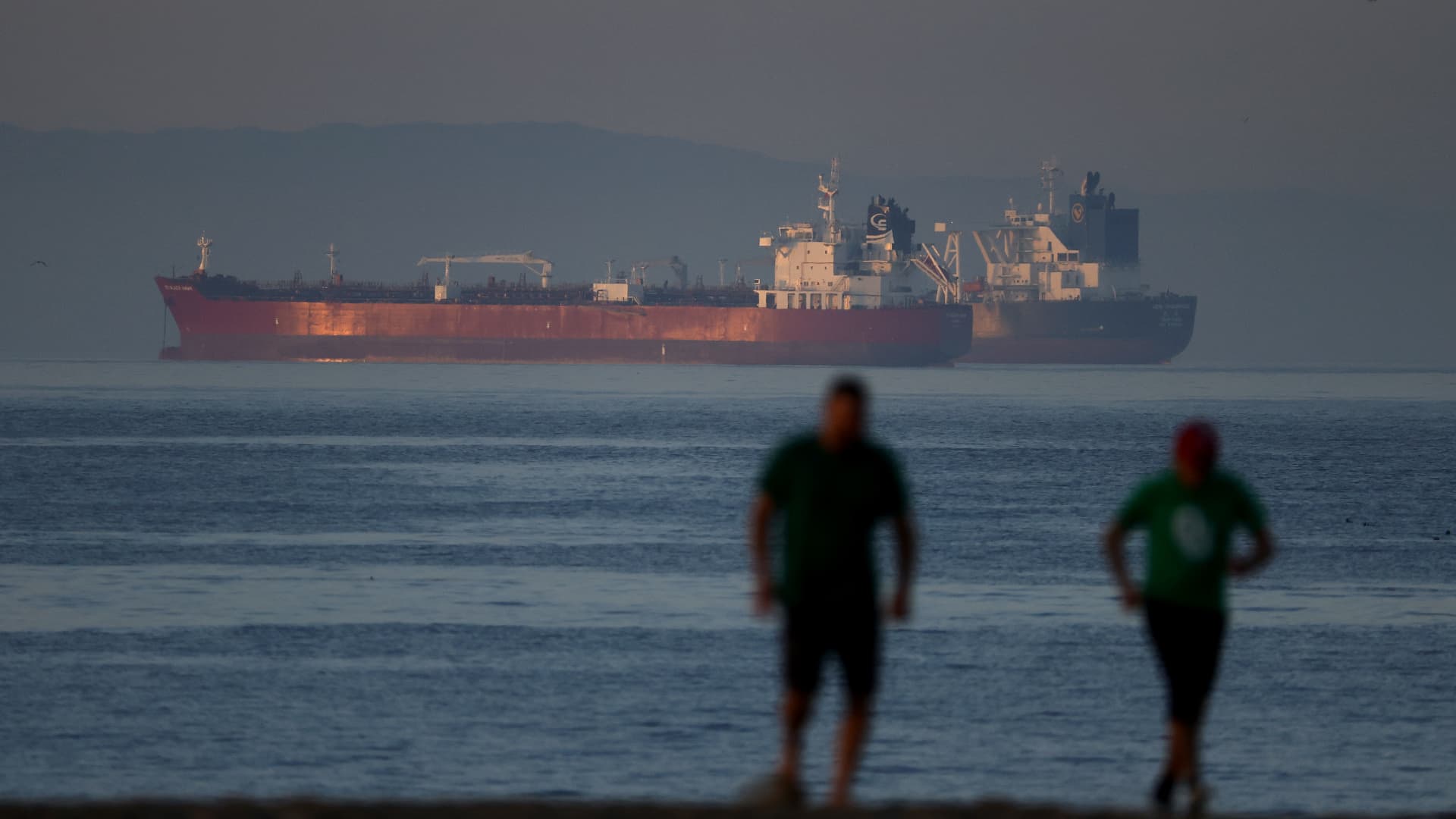
- Oil Supply Crisis: CEOs of major energy companies warned at S&P Global's CERAWeek that the Iran war has disrupted 8 million barrels of oil and 20% of the LNG market daily, potentially leading to fuel shortages in Asia and Europe, severely impacting the global economy.
- Market Reaction Lag: ConocoPhillips CEO Ryan Lance noted that the market is not reflecting the scale of the supply disruption, with oil prices likely to remain high at $99.64 per barrel even after the conflict ends, as countries will need to restock depleted reserves.
- Geopolitical Risks Escalate: Kuwait Petroleum CEO Sheikh Nawaf al-Sabah stated that Iran's blockade of the Strait of Hormuz is not only an attack on Gulf nations but poses a threat to the global economy, potentially causing a domino effect throughout the supply chain.
- Fuel Shortages Spread: Shell CEO Wael Sawan highlighted that jet fuel and diesel prices have surged to $200 and $160 per barrel respectively, with the crisis expected to impact major Asian economies and reach Europe by April, prompting governments to stockpile and protect their supplies.

Impact of Iran War on U.S. Economy Intensifies


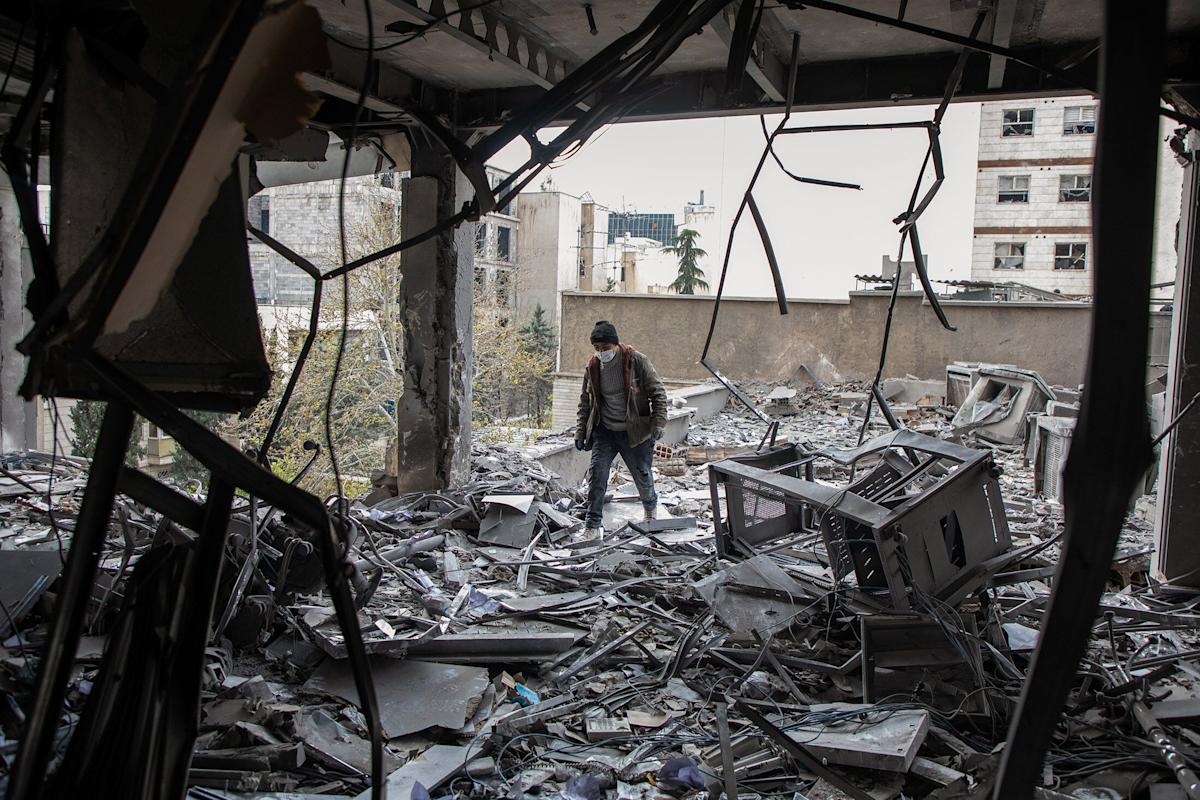
- Strait of Hormuz Closure Risk: Iran's attacks on civilian ships and energy infrastructure have led to a near standstill in the Strait of Hormuz, threatening about 20% of global oil supply, and if not reopened within the next three weeks, energy prices could surge, putting pressure on the global economy.
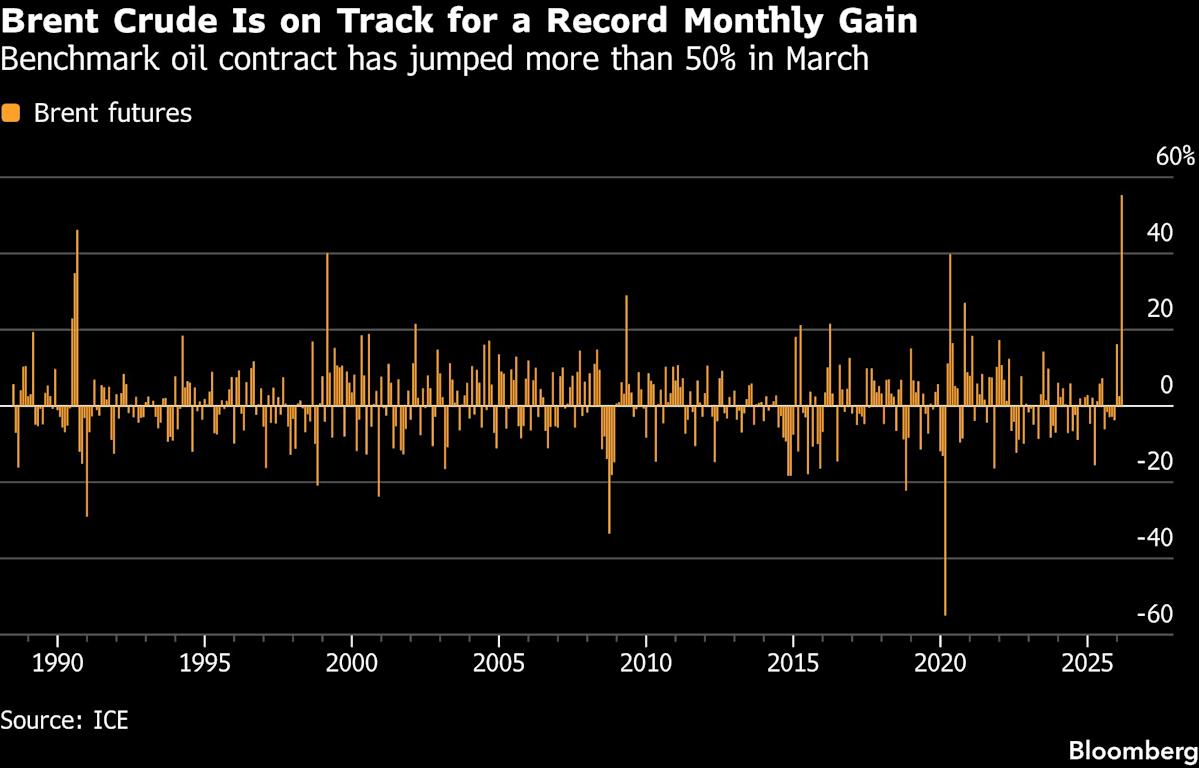
- Oil Price Volatility: Brent crude futures have risen 36% since February 27, while Dubai crude prices have surged 76%, highlighting a significant disparity between paper prices and physical delivery prices, reflecting market concerns over future supply shortages.
- Strategic Reserve Release: The U.S. government plans to release 400 million barrels from its strategic oil reserves, the largest release on record, aimed at alleviating market pressure; however, analysts warn that the effectiveness of this measure will diminish by mid-April, potentially leading to soaring oil prices.
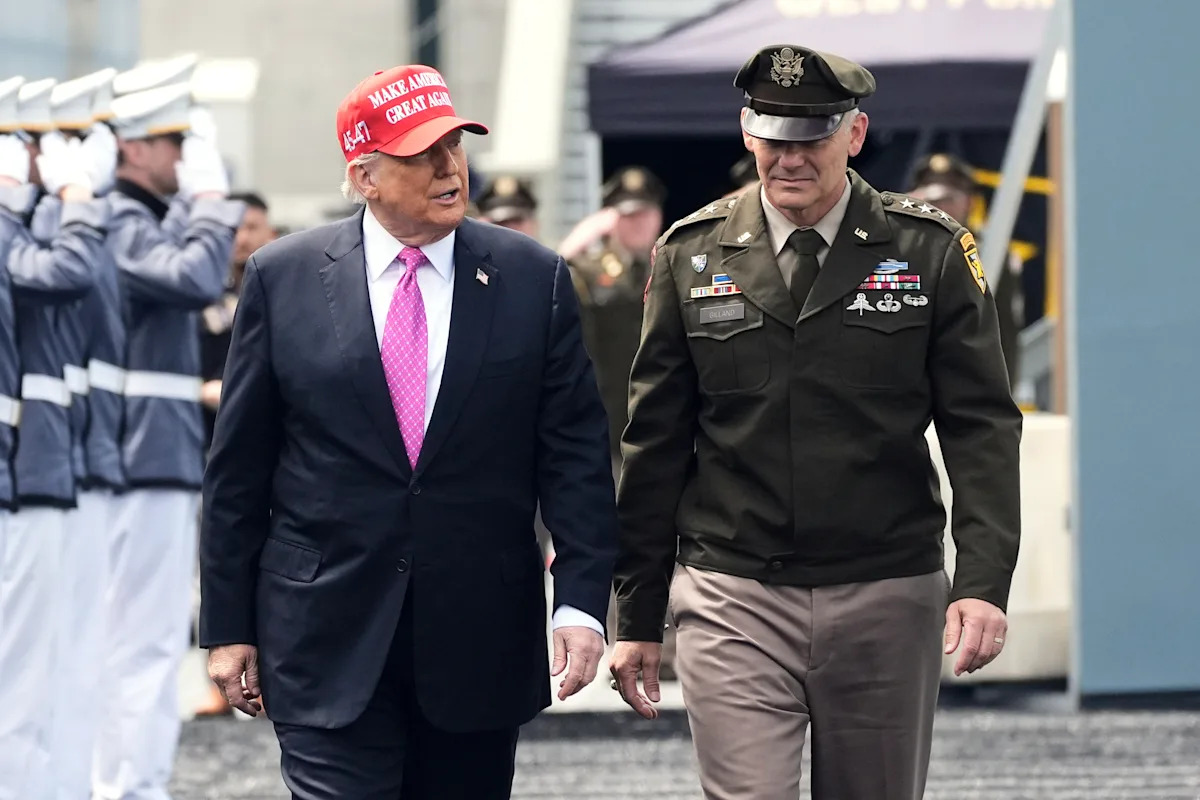
- Market Confidence Erosion: Despite a slight uptick in the S&P 500 amid optimism over Trump's delay of military action, the index fell 3.4% in subsequent days, indicating investor concerns about inflation and interest rate prospects, leading to a significant deterioration in market sentiment.

Oil Executives Anticipate Rising Prices and Increased Investment in Renewables

Impact of the Iran War: The ongoing conflict in Iran is causing significant disruptions to global energy supplies, with the full financial implications yet to be determined.
CERAWeek Insights: Executives from major oil companies shared their perspectives on the situation during the S&P Global annual energy conference held in Houston.
Timeline for Cost Assessment: It may take several months to accurately assess the total costs associated with the energy supply disruptions caused by the war.
Industry Concerns: The uncertainty surrounding energy supply and pricing is a major concern for the oil industry as they navigate the implications of the conflict.

Market Volatility Amid Oil Price Concerns


- Market Bounce and Caution: Following President Trump's announcement of 'productive' talks between the U.S. and Russia, stocks surged on Monday; however, analysts warn that the market still faces new downward pressures, suggesting the rebound may merely be a 'dead cat bounce.'
- Impact of Economic Data: Analysts predict that any further declines in the stock market will primarily stem from economic data, particularly the 'stagflation' phenomenon of high inflation and low growth, which could lead to slow, gradual declines rather than violent swings.
- Oil Prices and Economic Resilience: Despite U.S. crude prices rising back to around $100 per barrel, Wells Fargo argues that the U.S. economy is better positioned to withstand oil shocks today, being a net exporter of fossil fuels and having historically low household energy expenditure percentages.
- Future Data Focus: Investors will closely monitor upcoming economic data, especially the March retail sales report, to gauge consumer behavior amid current economic turmoil, with market sentiment likely influenced by the duration of the ongoing conflict.

Financial Stocks Struggle, Consumer Finance Takes Major Hit


- Consumer Finance Decline: Year-to-date, consumer finance stocks have plummeted by 21%, with Robinhood, Affirm, and SoFi down 39%, 40%, and 38% respectively, reflecting investor concerns over economic slowdown and rising credit risks, leading to a valuation correction for these previously high-performing stocks in 2025.
- Payment Processor Advantage: Visa and Mastercard, as the largest payment processors in the U.S., account for 76% of credit card transaction volume and 69% of cards in circulation, and due to their lack of credit risk exposure, they maintain stable cash flows during economic downturns, with expectations of double-digit earnings growth in 2026.
- Market Dominance: S&P Global and Moody's control 80% of the credit rating market, and with its strong positions in market intelligence and indexing, S&P Global has historically performed well under various market conditions, with a projected 5% increase in credit issuance in 2026.
- Analyst Optimism: 93% of analysts rate Mastercard and S&P Global as
India's Economic Growth Faces Downside Risks Amid Middle East Conflict
- Growth Forecast Downgrade: India's growth forecast for the fiscal year ending March 2027 has been adjusted down to 7.0%-7.4% due to rising energy costs and supply chain disruptions linked to the Iran war, which is expected to significantly increase the trade deficit and impact the current account deficit, potentially hindering economic recovery.
- Rising Energy Costs: India relies on the Strait of Hormuz for about 50% of its crude oil, with prices surging from $80 to $140, leading to increased domestic fuel prices; while the government has cut taxes to alleviate consumer burdens, tax revenues are likely to be adversely affected.
- Private Sector Activity Slowdown: The HSBC flash Purchasing Managers' Index indicates that private sector activity in India fell to its lowest level since October 2022 in March, reflecting weak domestic demand and heightened inflationary pressures, with businesses expressing pessimism about future growth.
- Policy Response Measures: The Indian government has implemented measures to reduce central excise duties on petrol and diesel to prevent price hikes while raising export duties on diesel and aviation fuel to ensure domestic supply, demonstrating a cautious approach in addressing the energy crisis.
Energy Executives Warn of Middle East War Impact
- Oil Supply Crisis: CEOs of major energy companies warned at S&P Global's CERAWeek that the Iran war has disrupted 8 million barrels of oil and 20% of the LNG market daily, potentially leading to fuel shortages in Asia and Europe, severely impacting the global economy.
- Market Reaction Lag: ConocoPhillips CEO Ryan Lance noted that the market is not reflecting the scale of the supply disruption, with oil prices likely to remain high at $99.64 per barrel even after the conflict ends, as countries will need to restock depleted reserves.
- Geopolitical Risks Escalate: Kuwait Petroleum CEO Sheikh Nawaf al-Sabah stated that Iran's blockade of the Strait of Hormuz is not only an attack on Gulf nations but poses a threat to the global economy, potentially causing a domino effect throughout the supply chain.
- Fuel Shortages Spread: Shell CEO Wael Sawan highlighted that jet fuel and diesel prices have surged to $200 and $160 per barrel respectively, with the crisis expected to impact major Asian economies and reach Europe by April, prompting governments to stockpile and protect their supplies.
Impact of Iran War on U.S. Economy Intensifies
- Strait of Hormuz Closure Risk: Iran's attacks on civilian ships and energy infrastructure have led to a near standstill in the Strait of Hormuz, threatening about 20% of global oil supply, and if not reopened within the next three weeks, energy prices could surge, putting pressure on the global economy.
- Oil Price Volatility: Brent crude futures have risen 36% since February 27, while Dubai crude prices have surged 76%, highlighting a significant disparity between paper prices and physical delivery prices, reflecting market concerns over future supply shortages.
- Strategic Reserve Release: The U.S. government plans to release 400 million barrels from its strategic oil reserves, the largest release on record, aimed at alleviating market pressure; however, analysts warn that the effectiveness of this measure will diminish by mid-April, potentially leading to soaring oil prices.
- Market Confidence Erosion: Despite a slight uptick in the S&P 500 amid optimism over Trump's delay of military action, the index fell 3.4% in subsequent days, indicating investor concerns about inflation and interest rate prospects, leading to a significant deterioration in market sentiment.
Oil Executives Anticipate Rising Prices and Increased Investment in Renewables
Impact of the Iran War: The ongoing conflict in Iran is causing significant disruptions to global energy supplies, with the full financial implications yet to be determined.
CERAWeek Insights: Executives from major oil companies shared their perspectives on the situation during the S&P Global annual energy conference held in Houston.
Timeline for Cost Assessment: It may take several months to accurately assess the total costs associated with the energy supply disruptions caused by the war.
Industry Concerns: The uncertainty surrounding energy supply and pricing is a major concern for the oil industry as they navigate the implications of the conflict.
Market Volatility Amid Oil Price Concerns
- Market Bounce and Caution: Following President Trump's announcement of 'productive' talks between the U.S. and Russia, stocks surged on Monday; however, analysts warn that the market still faces new downward pressures, suggesting the rebound may merely be a 'dead cat bounce.'
- Impact of Economic Data: Analysts predict that any further declines in the stock market will primarily stem from economic data, particularly the 'stagflation' phenomenon of high inflation and low growth, which could lead to slow, gradual declines rather than violent swings.
- Oil Prices and Economic Resilience: Despite U.S. crude prices rising back to around $100 per barrel, Wells Fargo argues that the U.S. economy is better positioned to withstand oil shocks today, being a net exporter of fossil fuels and having historically low household energy expenditure percentages.
- Future Data Focus: Investors will closely monitor upcoming economic data, especially the March retail sales report, to gauge consumer behavior amid current economic turmoil, with market sentiment likely influenced by the duration of the ongoing conflict.
Financial Stocks Struggle, Consumer Finance Takes Major Hit
- Consumer Finance Decline: Year-to-date, consumer finance stocks have plummeted by 21%, with Robinhood, Affirm, and SoFi down 39%, 40%, and 38% respectively, reflecting investor concerns over economic slowdown and rising credit risks, leading to a valuation correction for these previously high-performing stocks in 2025.
- Payment Processor Advantage: Visa and Mastercard, as the largest payment processors in the U.S., account for 76% of credit card transaction volume and 69% of cards in circulation, and due to their lack of credit risk exposure, they maintain stable cash flows during economic downturns, with expectations of double-digit earnings growth in 2026.
- Market Dominance: S&P Global and Moody's control 80% of the credit rating market, and with its strong positions in market intelligence and indexing, S&P Global has historically performed well under various market conditions, with a projected 5% increase in credit issuance in 2026.
- Analyst Optimism: 93% of analysts rate Mastercard and S&P Global as