Li Auto announces Q2 EPS of 19 cents, down from 20 cents a year ago.
Q2 Financial Performance: Li Auto reported Q2 revenue of $4.22 billion, a decrease from $4.36 billion the previous year, with total vehicle deliveries reaching 111,074, marking a 2.3% increase year-over-year.
Market Position: The company has solidified its status as China's leading domestic automotive brand in the RMB200,000 and above NEV market, driven by user-centric innovations.
Product Launches: In July, Li Auto launched the Li i8, a six-seat battery electric SUV, along with new technology initiatives, enhancing their product offerings and user experience.
Future Plans: Li Auto announced a brand upgrade aimed at providing high-quality spaces for diverse consumers and plans to launch the Li i6 in September to further strengthen its position in the premium BEV market.
Trade with 70% Backtested Accuracy
Analyst Views on LI

About LI
About the author

Nio Shares Surge Again as Delivery Numbers Impress Investors


- Impressive Delivery Numbers: Nio shipped 35,486 electric vehicles in March, representing a 136% year-over-year growth, which not only highlights the company's strong market performance but also lays the groundwork for sustained profitability.
- First Quarterly Profit Achieved: Nio reported its first-ever quarterly profit in March, driven by record Q4 deliveries, which has boosted investor confidence in the company's future profitability potential.
- Market Performance Comparison: Compared to competitors Xpeng's 17% year-over-year decline in deliveries and Li Auto's modest 12% growth, Nio's robust performance further solidifies its competitive edge in the Chinese EV market.
- Stock Price Uptrend: Nio's stock has been on a continuous rise this year, with shares surging as much as 5.5% today, reflecting market optimism regarding its future delivery growth and profitability prospects.

Li Auto Reports Cumulative Deliveries Exceeding 1.6 Million Units

- Delivery Update: As of the end of March 2026, Li Auto's cumulative deliveries reached 1,635,357 units, indicating the company's sustained growth potential in the electric vehicle market and further solidifying its market position.
- Stock Performance: Li Auto's shares are currently trading at $18.43 on Nasdaq, up 3.36% from the previous trading day, reflecting investor optimism regarding the delivery data and enhancing market confidence.
- Retail Network Expansion: The company operates 517 retail stores in 160 cities and 552 service centers, with authorized service shops in 223 cities, which helps improve customer satisfaction and brand loyalty through extensive service coverage.
- Stock Price Volatility: Over the past year, Li Auto's stock price has fluctuated between $15.71 and $32.03, indicating varying market expectations for its future growth while also reflecting the intense competition in the electric vehicle sector.

Nio Exceeds Expectations with March Deliveries
- Delivery Growth: Nio reported 35,486 vehicle deliveries in March, representing a remarkable 136% year-over-year increase, which not only surpassed first-quarter guidance but also demonstrated its strong performance in the EV market, further solidifying its profitability.
- Market Performance vs. Competitors: In contrast to Nio, XPeng reported a 17% decline in March deliveries year-over-year, while Li Auto saw only a 12% increase, indicating Nio's maintained leadership in a competitive market, attracting more investor interest.
- Stock Price Surge: Following the delivery report, Nio's stock surged by 5.5% on the day, although it later pared some gains to a 1.4% increase, reflecting market confidence in its sustained growth and profitability potential.
- Quarterly Profit Outlook: Nio reported its first-ever quarterly profit in March, and with the continuously increasing delivery numbers, investors are optimistic about future profitability, which is expected to drive further stock price appreciation.
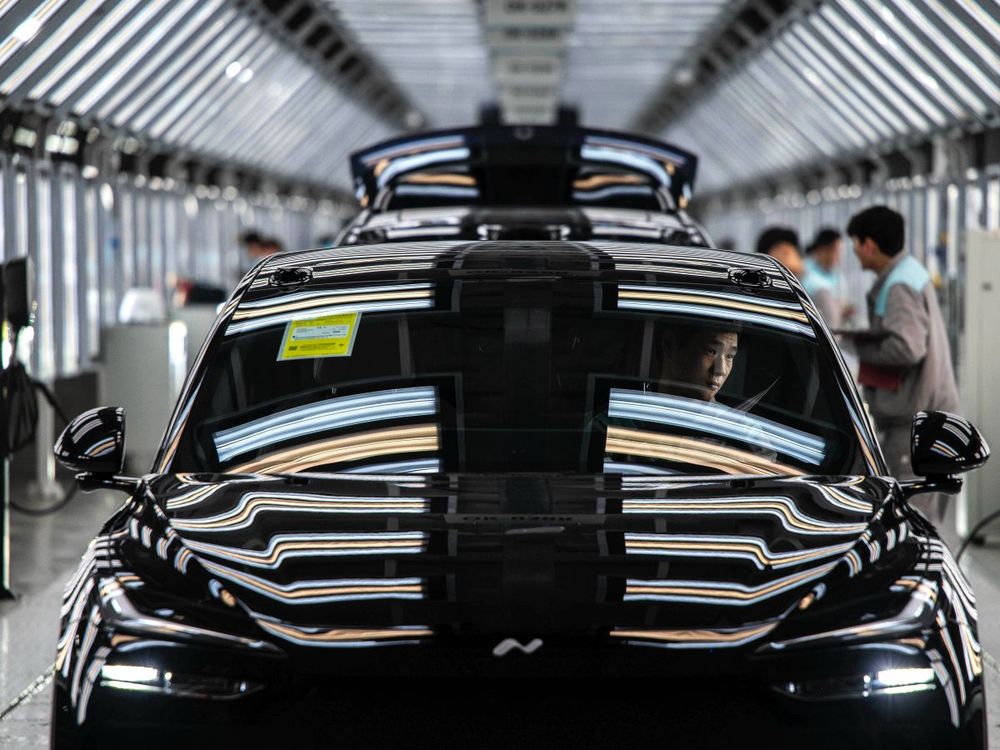
Nio's Q1 Deliveries Exceed Expectations
- Nio's Delivery Beat: Nio delivered 83,465 vehicles in Q1 2026, surpassing its own estimate of 80,000 to 83,000 units, reflecting a robust year-over-year growth of 98.3%, which strengthens its leadership position in the Chinese EV market amid rising demand.
- Li Auto's Growth: Li Auto reported March deliveries of 41,053 vehicles, a 12% increase from the previous year, driven by resolved production bottlenecks and the launch of new models, indicating its potential for sustained growth in a competitive landscape.
- XPeng's Decline: XPeng delivered 27,415 vehicles in March 2026, marking an 80% month-over-month increase but an 18% year-over-year decline, with total Q1 deliveries at 62,682 units, highlighting the challenges it faces in maintaining market share.
- Tesla's Lower Expectations: Tesla is projected to deliver approximately 368,900 vehicles in Q1, an 11.8% decrease from the previous quarter, indicating the need for a strategic reassessment to navigate increasing competition in key markets.
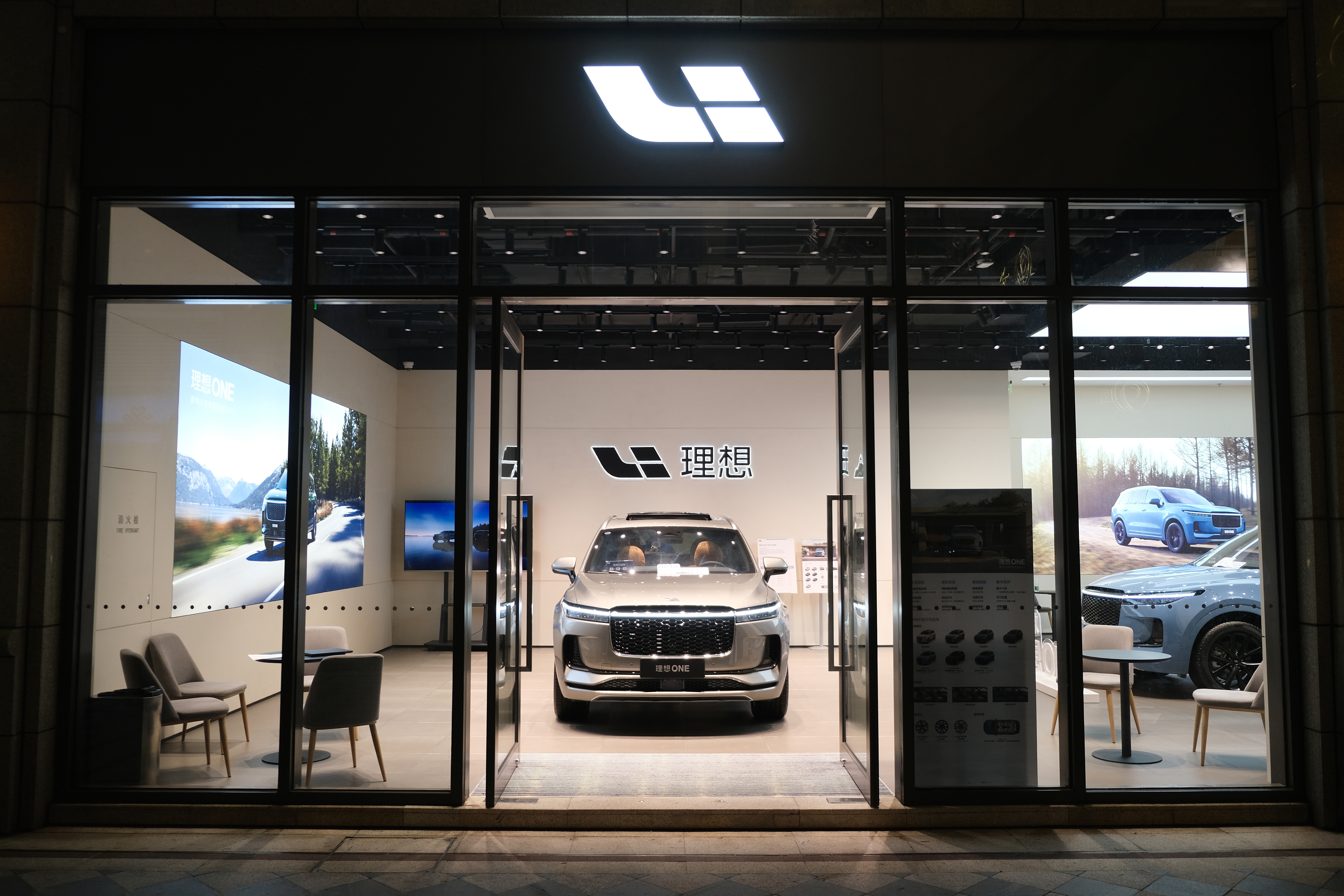
Li Auto Reports Significant Delivery Growth in March
- Delivery Growth: Li Auto reported 41,053 vehicle deliveries in March 2026, reflecting a robust 12% year-over-year increase and a sharp 55.4% sequential rise from February, indicating strong market demand and sales momentum that is expected to enhance the company's competitiveness in the EV market.
- Cumulative Delivery Milestone: As of March 31, 2026, Li Auto's cumulative deliveries reached 1,635,357 units, marking a significant achievement that underscores the company's ongoing growth and increasing market recognition, thereby boosting investor confidence.
- Retail and Service Network Expansion: The company operates 517 retail stores and 552 service centers across 160 cities, with authorized service shops in 223 cities, and 4,057 supercharging stations with 22,447 stalls, further solidifying its market coverage and customer service capabilities.
- Future Product Launch: Li Auto is set to launch the all-new Li L9 in Q2 2026, and at NVIDIA GTC 2026, it introduced its next-generation autonomous driving model, MindVLA, featuring a 3D ViT Encoder that enhances spatial cognition, signaling the company's ongoing commitment to technological innovation.
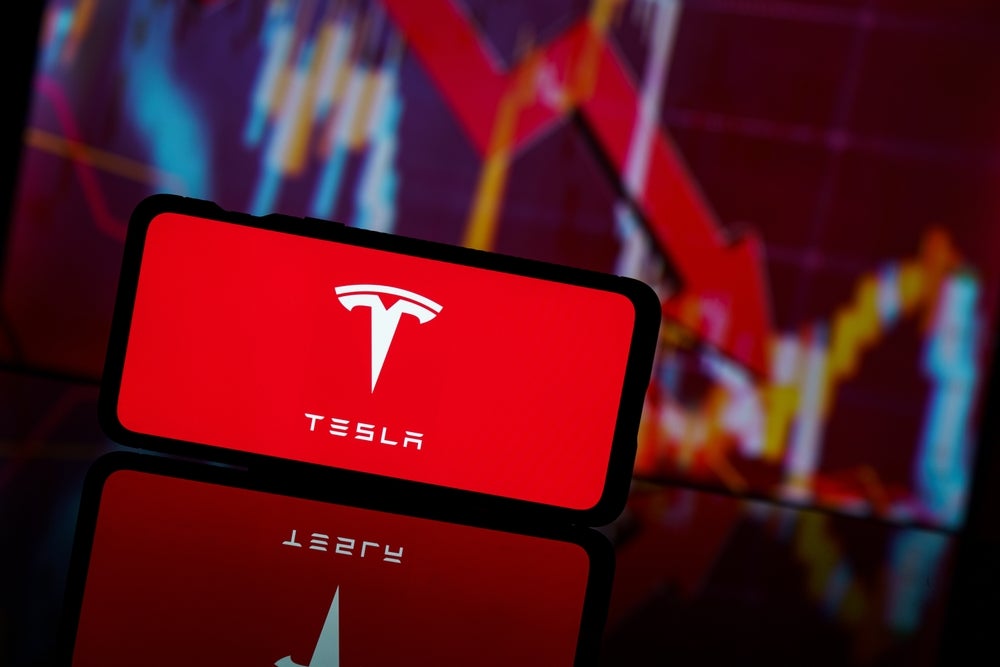
Li Auto Delivers Over 41,000 Vehicles in March 2026
- Record Deliveries: In March 2026, Li Auto delivered 41,053 vehicles, bringing its cumulative deliveries to 1,635,357, which demonstrates the company's robust growth momentum in the new energy vehicle market and solidifies its leadership position.
- Production Bottleneck Resolved: With the production bottleneck addressed, monthly deliveries of the Li i6 surpassed 24,000 units in March, enhancing production efficiency and laying a strong foundation for upcoming model launches.
- New Model Launch: The all-new Li L9 is expected to launch in the second quarter of 2026, reflecting the company's ongoing efforts to expand its product lineup aimed at attracting a broader user base and enhancing market competitiveness.
- Technological Innovation Showcase: At the NVIDIA GTC 2026, Li Auto unveiled its next-generation autonomous driving foundation model, MindVLA, along with its 3D ViT Encoder, showcasing the company's cutting-edge position in smart electric vehicle technology and advancing towards human-level spatial cognition.
Nio Shares Surge Again as Delivery Numbers Impress Investors
- Impressive Delivery Numbers: Nio shipped 35,486 electric vehicles in March, representing a 136% year-over-year growth, which not only highlights the company's strong market performance but also lays the groundwork for sustained profitability.
- First Quarterly Profit Achieved: Nio reported its first-ever quarterly profit in March, driven by record Q4 deliveries, which has boosted investor confidence in the company's future profitability potential.
- Market Performance Comparison: Compared to competitors Xpeng's 17% year-over-year decline in deliveries and Li Auto's modest 12% growth, Nio's robust performance further solidifies its competitive edge in the Chinese EV market.
- Stock Price Uptrend: Nio's stock has been on a continuous rise this year, with shares surging as much as 5.5% today, reflecting market optimism regarding its future delivery growth and profitability prospects.
Li Auto Reports Cumulative Deliveries Exceeding 1.6 Million Units
- Delivery Update: As of the end of March 2026, Li Auto's cumulative deliveries reached 1,635,357 units, indicating the company's sustained growth potential in the electric vehicle market and further solidifying its market position.
- Stock Performance: Li Auto's shares are currently trading at $18.43 on Nasdaq, up 3.36% from the previous trading day, reflecting investor optimism regarding the delivery data and enhancing market confidence.
- Retail Network Expansion: The company operates 517 retail stores in 160 cities and 552 service centers, with authorized service shops in 223 cities, which helps improve customer satisfaction and brand loyalty through extensive service coverage.
- Stock Price Volatility: Over the past year, Li Auto's stock price has fluctuated between $15.71 and $32.03, indicating varying market expectations for its future growth while also reflecting the intense competition in the electric vehicle sector.
Nio Exceeds Expectations with March Deliveries
- Delivery Growth: Nio reported 35,486 vehicle deliveries in March, representing a remarkable 136% year-over-year increase, which not only surpassed first-quarter guidance but also demonstrated its strong performance in the EV market, further solidifying its profitability.
- Market Performance vs. Competitors: In contrast to Nio, XPeng reported a 17% decline in March deliveries year-over-year, while Li Auto saw only a 12% increase, indicating Nio's maintained leadership in a competitive market, attracting more investor interest.
- Stock Price Surge: Following the delivery report, Nio's stock surged by 5.5% on the day, although it later pared some gains to a 1.4% increase, reflecting market confidence in its sustained growth and profitability potential.
- Quarterly Profit Outlook: Nio reported its first-ever quarterly profit in March, and with the continuously increasing delivery numbers, investors are optimistic about future profitability, which is expected to drive further stock price appreciation.
Nio's Q1 Deliveries Exceed Expectations
- Nio's Delivery Beat: Nio delivered 83,465 vehicles in Q1 2026, surpassing its own estimate of 80,000 to 83,000 units, reflecting a robust year-over-year growth of 98.3%, which strengthens its leadership position in the Chinese EV market amid rising demand.
- Li Auto's Growth: Li Auto reported March deliveries of 41,053 vehicles, a 12% increase from the previous year, driven by resolved production bottlenecks and the launch of new models, indicating its potential for sustained growth in a competitive landscape.
- XPeng's Decline: XPeng delivered 27,415 vehicles in March 2026, marking an 80% month-over-month increase but an 18% year-over-year decline, with total Q1 deliveries at 62,682 units, highlighting the challenges it faces in maintaining market share.
- Tesla's Lower Expectations: Tesla is projected to deliver approximately 368,900 vehicles in Q1, an 11.8% decrease from the previous quarter, indicating the need for a strategic reassessment to navigate increasing competition in key markets.
Li Auto Reports Significant Delivery Growth in March
- Delivery Growth: Li Auto reported 41,053 vehicle deliveries in March 2026, reflecting a robust 12% year-over-year increase and a sharp 55.4% sequential rise from February, indicating strong market demand and sales momentum that is expected to enhance the company's competitiveness in the EV market.
- Cumulative Delivery Milestone: As of March 31, 2026, Li Auto's cumulative deliveries reached 1,635,357 units, marking a significant achievement that underscores the company's ongoing growth and increasing market recognition, thereby boosting investor confidence.
- Retail and Service Network Expansion: The company operates 517 retail stores and 552 service centers across 160 cities, with authorized service shops in 223 cities, and 4,057 supercharging stations with 22,447 stalls, further solidifying its market coverage and customer service capabilities.
- Future Product Launch: Li Auto is set to launch the all-new Li L9 in Q2 2026, and at NVIDIA GTC 2026, it introduced its next-generation autonomous driving model, MindVLA, featuring a 3D ViT Encoder that enhances spatial cognition, signaling the company's ongoing commitment to technological innovation.
Li Auto Delivers Over 41,000 Vehicles in March 2026
- Record Deliveries: In March 2026, Li Auto delivered 41,053 vehicles, bringing its cumulative deliveries to 1,635,357, which demonstrates the company's robust growth momentum in the new energy vehicle market and solidifies its leadership position.
- Production Bottleneck Resolved: With the production bottleneck addressed, monthly deliveries of the Li i6 surpassed 24,000 units in March, enhancing production efficiency and laying a strong foundation for upcoming model launches.
- New Model Launch: The all-new Li L9 is expected to launch in the second quarter of 2026, reflecting the company's ongoing efforts to expand its product lineup aimed at attracting a broader user base and enhancing market competitiveness.
- Technological Innovation Showcase: At the NVIDIA GTC 2026, Li Auto unveiled its next-generation autonomous driving foundation model, MindVLA, along with its 3D ViT Encoder, showcasing the company's cutting-edge position in smart electric vehicle technology and advancing towards human-level spatial cognition.