

Gold Gains Amid Dollar Decline and Rate Speculation
Impact of Dollar Weakness and Oil Prices on Gold
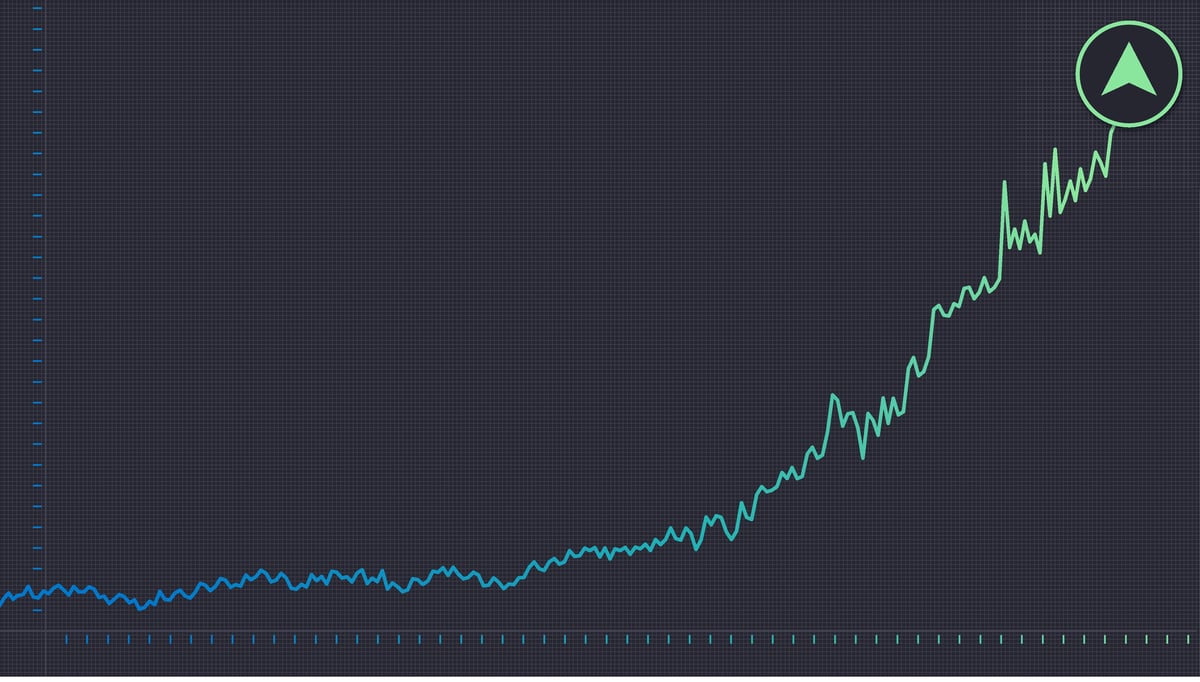
A weakening U.S. dollar often bolsters gold prices as the metal becomes cheaper for holders of other currencies. Recent declines in the Bloomberg Dollar Spot Index have coincided with a rise in spot gold prices, indicating the inverse relationship remains intact. Spot gold advanced 1.1% to $5,194.54 per ounce in New York trading, reflecting renewed investor interest.
Easing oil prices also play a critical role in shaping inflation expectations, which in turn influence central bank rate decisions. A sharp decline in crude oil prices, driven by geopolitical reassurances and reduced inflationary pressures, has softened market expectations for aggressive rate hikes. According to Bart Melek, global head of commodity strategy at TD Securities, lower oil prices reduce inflation risks but may not entirely dissuade central banks from cutting rates. This dynamic supports gold, as lower interest rates enhance the appeal of non-yielding assets like bullion.
Geopolitical Tensions and Market Sentiment
Ongoing geopolitical tensions, particularly the conflict in the Middle East, continue to disrupt energy markets and fuel uncertainty. The Strait of Hormuz, a critical conduit for global energy shipments, has seen periodic disruptions, further exacerbating oil price volatility. Conflicting reports about naval escorts and military actions have created a clouded outlook for energy markets.
This uncertainty has driven a shift in investor sentiment towards safe-haven assets such as gold. Historically, gold thrives during periods of global instability, and recent geopolitical upheavals have been no exception. Despite some choppiness in trading, gold has managed to post gains for the fifth consecutive year. Investors often turn to bullion as a hedge against geopolitical and economic risks, underscoring its role as a store of value.
ETF Holdings and Gold Market Dynamics
Despite the rally in gold prices, ETF holdings—a key pillar of gold demand—have seen a significant decline. Data compiled by Bloomberg indicates that gold-backed ETFs experienced a net outflow of nearly 30 tons in a single week, marking the largest weekly selloff in years. This decline raises questions about the sustainability of the current rally.
Speculative traders have also shown mixed sentiment. According to the Commodity Futures Trading Commission (CFTC), large speculative traders held 160,145 net-long gold futures contracts as of March 3. While this represents a slight week-over-week increase, the overall positioning remains near a two-year low. The subdued speculative interest suggests that the current rally may not be driven by aggressive buying from hedge funds or institutional investors.
The divergence between ETF outflows and price gains highlights the complexity of gold market dynamics. While safe-haven demand and dollar weakness have supported prices, the sustainability of this trend will depend on broader market participation and geopolitical developments in the months ahead.
 Sources


About the author






- Gold Rises Dollar Weakness Traders Weigh Rate Outlook
 yahoo
yahoo - Gold Rallies ETF Support — Who’sBuying Metal? - SPDR Gold Shares (ARCA:GLD), iShares Gold Trust Shar
 benzinga
 - Gold Pares Gains Oil-Price Swings Cloud Outlook Rate Cutsyahoo