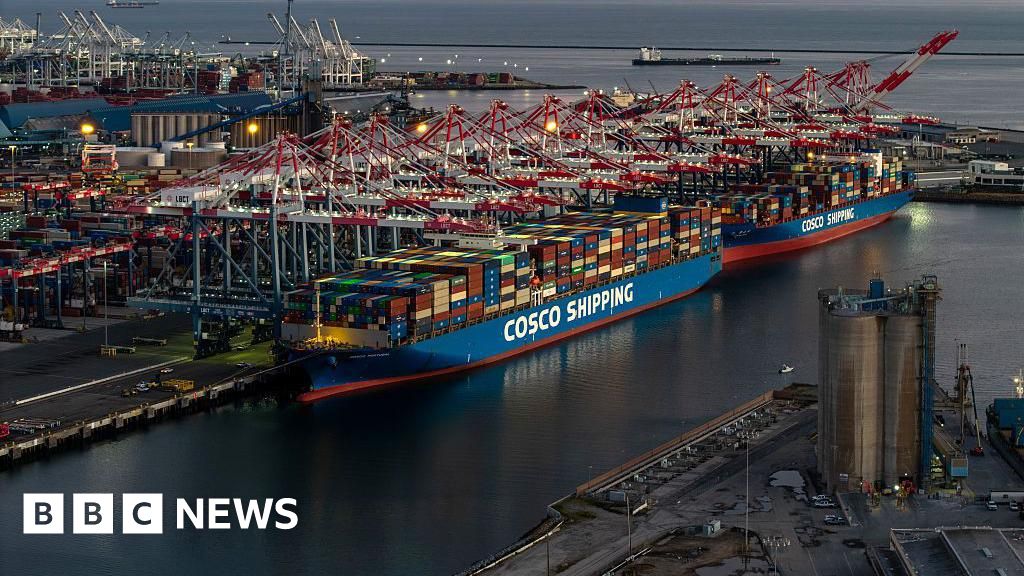
The 'Boomcession' Phenomenon in the U.S. Economy
Written by Emily J. Thompson, Senior Investment Analyst
Updated: Feb 18 2026
0mins


Source: CNBC
- Disconnect Between Data and Sentiment: Despite rising economic output and stock market gains, ordinary Americans are feeling increased financial pressure, as evidenced by credit card debt reaching a record $1.28 trillion in Q4 last year, indicating that economic prosperity is not benefiting the majority.
- Uneven Inflation Impact: According to Morgan Stanley, lower-income consumers faced significantly higher inflation rates for food and housing in 2024 compared to wealthier counterparts, exacerbating the gap between economic growth and consumer confidence and highlighting social inequality.
- 'Hiring Recession' in Job Market: While economic output per hour hit new highs, ordinary workers are anxious as the job market tightens, with December job openings falling to their lowest level since 2020, reflecting the disparity in economic benefits between high-income stockholders and the general workforce.
- Crisis of Trust in Economic Data: Surveys reveal that nearly 60% of Americans believe the economy is in recession, particularly among low-income households facing unstable financial situations, leading to a decline in trust in government economic data and highlighting the significant gap between economic prosperity and public sentiment.
Trade with 70% Backtested Accuracy
Stop guessing "Should I Buy MS?" and start using high-conviction signals backed by rigorous historical data.
Sign up today to access powerful investing tools and make smarter, data-driven decisions.
Analyst Views on MS
Wall Street analysts forecast MS stock price to rise
14 Analyst Rating
7 Buy
7 Hold
0 Sell
Moderate Buy
Current: 160.890

Low
132.00
Averages
185.00
High
219.00
Current: 160.890
Low
132.00
Averages
185.00
High
219.00
About MS
Morgan Stanley is a global financial services company. The Company is engaged in providing a range of investment banking, securities, wealth management and investment management services. Its segments include Institutional Securities, Wealth Management and Investment Management. Its Institutional Securities segment provides a variety of products and services to corporations, governments, financial institutions and ultra-high net worth clients. Its Wealth Management segment provides an array of financial services and solutions to individual investors and small to medium-sized businesses and institutions. Its Investment Management segment provides a range of investment strategies and products that span geographies, asset classes, and public and private markets to a diverse group of clients across institutional and intermediary channels. Its investment banking services consist of capital raising and financial advisory services, including the underwriting of debt and other products.
About the author

Emily J. Thompson
Emily J. Thompson, a Chartered Financial Analyst (CFA) with 12 years in investment research, graduated with honors from the Wharton School. Specializing in industrial and technology stocks, she provides in-depth analysis for Intellectia’s earnings and market brief reports.
Morgan Stanley Hires Contract Staff in Hong Kong to Manage IPO Surge

- Hiring Strategy Shift: Morgan Stanley has begun hiring staff on a contract basis in Hong Kong to manage the surge in IPO activity, aiming to control costs while navigating the challenges posed by market volatility.
- Temporary Employment Trend: While global banks typically hire temporary workers during business peaks, this practice is uncommon in investment banking, particularly in Asia, highlighting Morgan Stanley's innovative approach to flexible staffing.
- Team Formation: Since Q4 2025, Morgan Stanley's IPO transaction team has been formed with approximately 10 members, focusing on due diligence for Hong Kong and U.S. IPOs, primarily serving Chinese companies, reflecting its commitment to the Asia-Pacific market.
- Market Environment Impact: The strategy allows Morgan Stanley to respond quickly to market changes without justifying the high costs of permanent hires, thereby maintaining operational flexibility and competitiveness in a volatile environment.
See More

Strait of Hormuz Bottleneck Disrupts Fertilizer Prices


- Fertilizer Price Volatility: The shipping bottleneck in the Strait of Hormuz is causing immediate volatility in liquid fertilizer prices, as noted by Jefferies analyst Laurence Alexander, who believes that despite a rally in fertilizer stocks this month, two producers may have further upside potential.
- Price Increase Metrics: Since late February, the price of U.S. Gulf NOLA urea-ammonium nitrate has surged by 21%, indicating that global fertilizer markets have tightened sharply due to Middle Eastern producers halting production, particularly as the spring planting season commences.
- Rating Adjustments: Jefferies upgraded Nutrien to a buy rating and raised its price target from $74 to $96, suggesting a 21% upside, while also increasing LSB Industries' target from $11 to $15, although it maintained a hold rating on the stock.
- Market Demand Impact: The Strait of Hormuz accounts for approximately 27% of global ammonia and 35% of global urea flows, and even if it reopens, normalizing fertilizer trade may take time, especially with high demand during the spring planting season, where logistical and production challenges could keep prices elevated in the short term.
See More
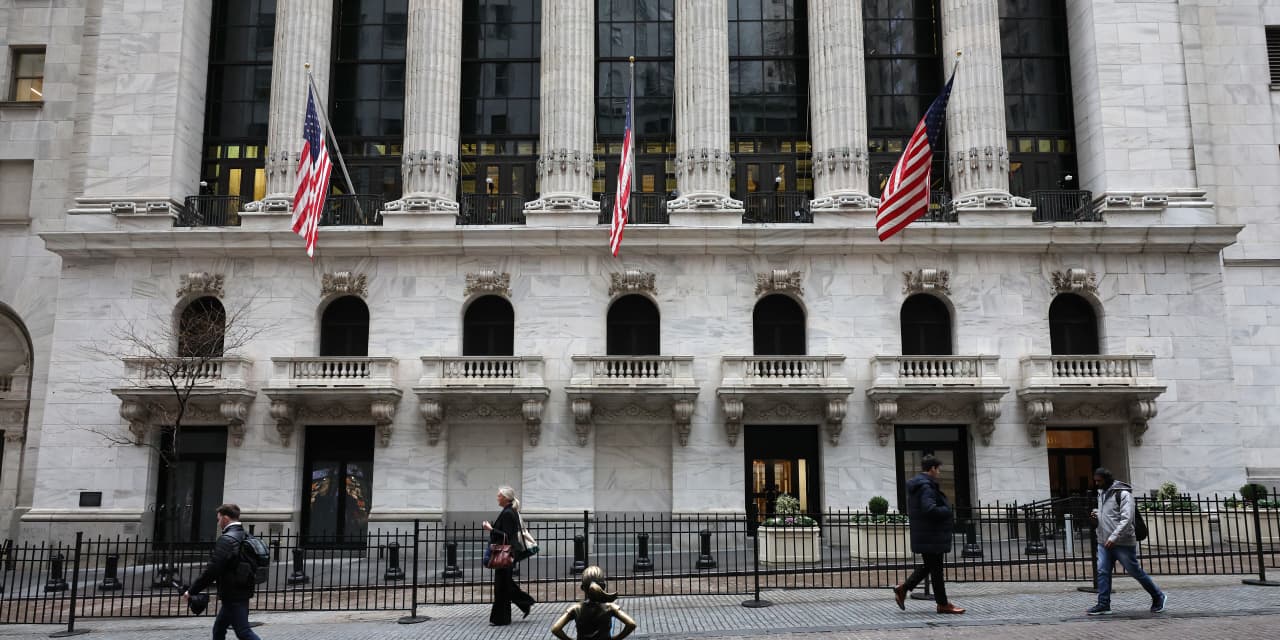
Retail Investors Remain Pessimistic While Hedge Funds Anticipate Significant Profits; Both Are Essential for Market Recovery.


Investor Sentiment: Two distinct camps are emerging on Wall Street, reflecting the uncertainty among investors due to the ongoing war in the Middle East.
Market Reactions: The conflict is causing varied reactions in the financial markets, highlighting differing strategies and outlooks among investors.
See More
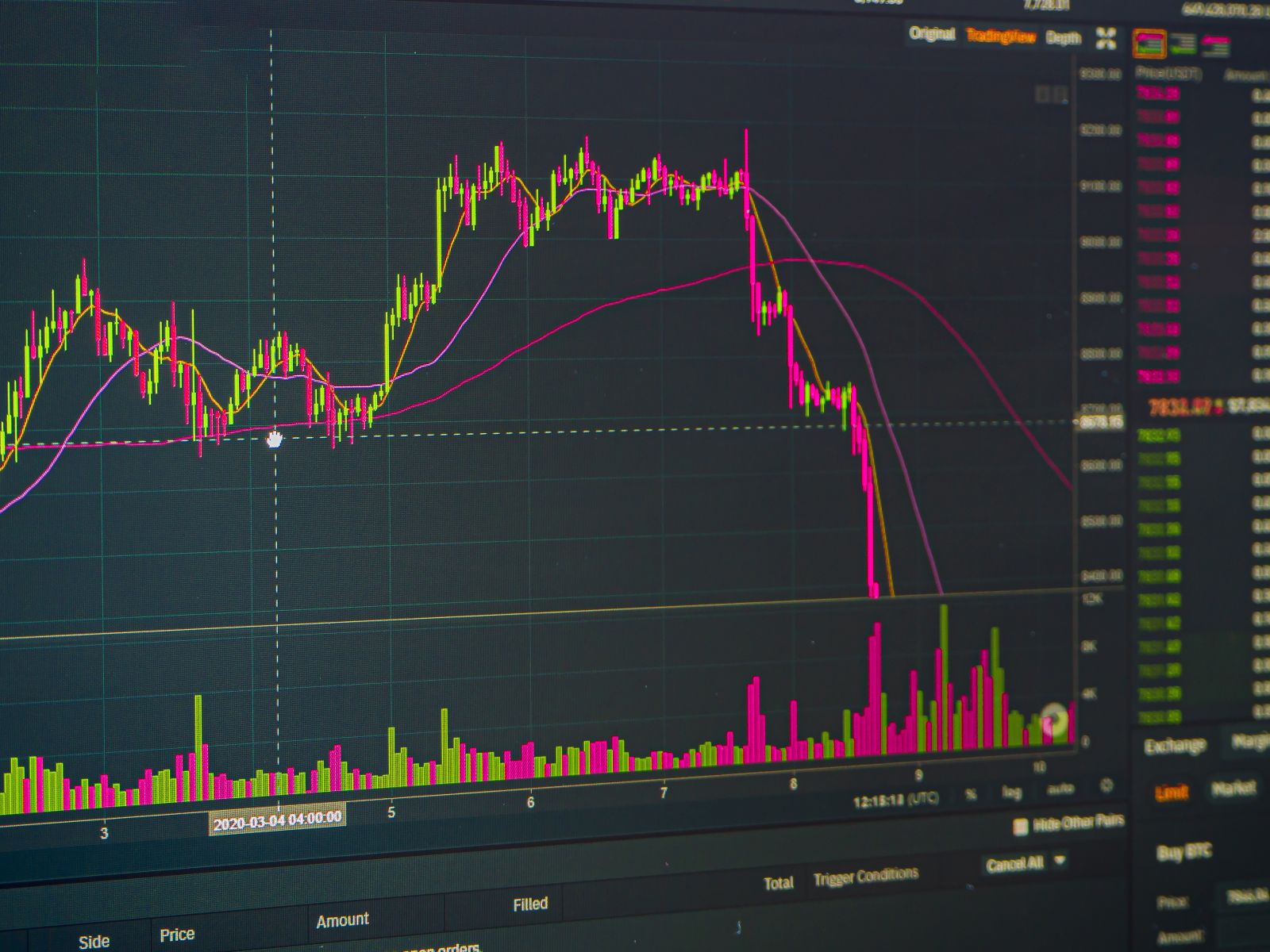
US Stocks Decline Amid Rising Oil Prices


- Oil Price Surge Impacts Market: WTI crude oil prices surged over 9% today following Iraq's suspension of oil terminal activities due to Iranian attacks on tankers, leading the S&P 500 to drop 1.22%, the Dow Jones by 1.32%, and the Nasdaq 100 by 1.46%, indicating market sensitivity to rising energy costs.
- Bank Stocks Under Pressure: Morgan Stanley and Cliffwater LLC capped withdrawals from their private credit funds amid investor redemption demands exceeding fund limits, causing both Morgan Stanley and KKR to decline over 4%, reflecting growing concerns about credit quality in the market.
- Mixed Economic Data: Initial jobless claims in the US fell by 1,000 to 213,000, indicating labor market strength, while January housing starts unexpectedly rose 7.2% to 1.487 million, despite building permits dropping 5.4% to 1.376 million, suggesting potential slowdowns in future construction activity.
- Optimistic Earnings Outlook: Despite market volatility, over 95% of S&P 500 companies have reported earnings, with 74% exceeding expectations, and Q4 earnings growth is projected at 8.4%, providing some support to the market, although overall sentiment remains pressured by rising oil prices.
See More

JPMorgan Positioned to Weather Private Credit Market Stress

- Risk Management Strategy: JPMorgan's proactive decision to mark down the value of certain software-related loans reflects its active risk management approach, reducing exposure to specific private credit funds and indicating no expected losses, showcasing its ability to manage underlying collateral effectively.
- Industry Growth Comparison: With revenue growth approximately double that of the industry over the past decade, JPMorgan has lessened its reliance on riskier deals, highlighting its competitive position and market strength amid increasing scrutiny in the private credit sector.
- Complexity of Credit Structures: While the private credit industry faces risks from increasingly complex loan structures, JPMorgan typically lends through senior financing structures that historically yield lower loan losses, demonstrating its superior credit management capabilities compared to smaller lenders.
- Market Performance Volatility: Despite JPMorgan's shares falling over 6% this month and declining for the third consecutive month, with a nearly 13% drop in 2026, analysts believe the bank remains well-positioned to withstand market pressures due to its robust monitoring and risk management practices.
See More

Kevin Warsh's Nomination Confirmation Prospects Dim

- Nomination Stalled: Federal Reserve chairman nominee Kevin Warsh met with several senators in Washington, and despite his comment that “things are progressing well,” the gloomy weather reflects the dim prospects for his confirmation.
- Obstruction Factors: Senator Thom Tillis from North Carolina has effectively blocked Warsh's nomination, vowing not to support any Fed nominee until the ongoing criminal investigation into current Fed Chair Jerome Powell concludes.
- Investigation Impact: Powell indicated that the DOJ's criminal probe stems from the Fed board's refusal to cut interest rates as drastically as demanded by the Trump administration, highlighting the tension between the Fed and the government, which could hinder Warsh's nomination process.
- Time Pressure: If Tillis continues his obstruction, Warsh may not receive a Senate vote before his term ends in January, which could negatively impact the stability of the Fed's leadership.
See More
Morgan Stanley Hires Contract Staff in Hong Kong to Manage IPO Surge
- Hiring Strategy Shift: Morgan Stanley has begun hiring staff on a contract basis in Hong Kong to manage the surge in IPO activity, aiming to control costs while navigating the challenges posed by market volatility.
- Temporary Employment Trend: While global banks typically hire temporary workers during business peaks, this practice is uncommon in investment banking, particularly in Asia, highlighting Morgan Stanley's innovative approach to flexible staffing.
- Team Formation: Since Q4 2025, Morgan Stanley's IPO transaction team has been formed with approximately 10 members, focusing on due diligence for Hong Kong and U.S. IPOs, primarily serving Chinese companies, reflecting its commitment to the Asia-Pacific market.
- Market Environment Impact: The strategy allows Morgan Stanley to respond quickly to market changes without justifying the high costs of permanent hires, thereby maintaining operational flexibility and competitiveness in a volatile environment.
See More
Strait of Hormuz Bottleneck Disrupts Fertilizer Prices
- Fertilizer Price Volatility: The shipping bottleneck in the Strait of Hormuz is causing immediate volatility in liquid fertilizer prices, as noted by Jefferies analyst Laurence Alexander, who believes that despite a rally in fertilizer stocks this month, two producers may have further upside potential.
- Price Increase Metrics: Since late February, the price of U.S. Gulf NOLA urea-ammonium nitrate has surged by 21%, indicating that global fertilizer markets have tightened sharply due to Middle Eastern producers halting production, particularly as the spring planting season commences.
- Rating Adjustments: Jefferies upgraded Nutrien to a buy rating and raised its price target from $74 to $96, suggesting a 21% upside, while also increasing LSB Industries' target from $11 to $15, although it maintained a hold rating on the stock.
- Market Demand Impact: The Strait of Hormuz accounts for approximately 27% of global ammonia and 35% of global urea flows, and even if it reopens, normalizing fertilizer trade may take time, especially with high demand during the spring planting season, where logistical and production challenges could keep prices elevated in the short term.
See More
Retail Investors Remain Pessimistic While Hedge Funds Anticipate Significant Profits; Both Are Essential for Market Recovery.
Investor Sentiment: Two distinct camps are emerging on Wall Street, reflecting the uncertainty among investors due to the ongoing war in the Middle East.
Market Reactions: The conflict is causing varied reactions in the financial markets, highlighting differing strategies and outlooks among investors.
See More
US Stocks Decline Amid Rising Oil Prices
- Oil Price Surge Impacts Market: WTI crude oil prices surged over 9% today following Iraq's suspension of oil terminal activities due to Iranian attacks on tankers, leading the S&P 500 to drop 1.22%, the Dow Jones by 1.32%, and the Nasdaq 100 by 1.46%, indicating market sensitivity to rising energy costs.
- Bank Stocks Under Pressure: Morgan Stanley and Cliffwater LLC capped withdrawals from their private credit funds amid investor redemption demands exceeding fund limits, causing both Morgan Stanley and KKR to decline over 4%, reflecting growing concerns about credit quality in the market.
- Mixed Economic Data: Initial jobless claims in the US fell by 1,000 to 213,000, indicating labor market strength, while January housing starts unexpectedly rose 7.2% to 1.487 million, despite building permits dropping 5.4% to 1.376 million, suggesting potential slowdowns in future construction activity.
- Optimistic Earnings Outlook: Despite market volatility, over 95% of S&P 500 companies have reported earnings, with 74% exceeding expectations, and Q4 earnings growth is projected at 8.4%, providing some support to the market, although overall sentiment remains pressured by rising oil prices.
See More
JPMorgan Positioned to Weather Private Credit Market Stress
- Risk Management Strategy: JPMorgan's proactive decision to mark down the value of certain software-related loans reflects its active risk management approach, reducing exposure to specific private credit funds and indicating no expected losses, showcasing its ability to manage underlying collateral effectively.
- Industry Growth Comparison: With revenue growth approximately double that of the industry over the past decade, JPMorgan has lessened its reliance on riskier deals, highlighting its competitive position and market strength amid increasing scrutiny in the private credit sector.
- Complexity of Credit Structures: While the private credit industry faces risks from increasingly complex loan structures, JPMorgan typically lends through senior financing structures that historically yield lower loan losses, demonstrating its superior credit management capabilities compared to smaller lenders.
- Market Performance Volatility: Despite JPMorgan's shares falling over 6% this month and declining for the third consecutive month, with a nearly 13% drop in 2026, analysts believe the bank remains well-positioned to withstand market pressures due to its robust monitoring and risk management practices.
See More
Kevin Warsh's Nomination Confirmation Prospects Dim
- Nomination Stalled: Federal Reserve chairman nominee Kevin Warsh met with several senators in Washington, and despite his comment that “things are progressing well,” the gloomy weather reflects the dim prospects for his confirmation.
- Obstruction Factors: Senator Thom Tillis from North Carolina has effectively blocked Warsh's nomination, vowing not to support any Fed nominee until the ongoing criminal investigation into current Fed Chair Jerome Powell concludes.
- Investigation Impact: Powell indicated that the DOJ's criminal probe stems from the Fed board's refusal to cut interest rates as drastically as demanded by the Trump administration, highlighting the tension between the Fed and the government, which could hinder Warsh's nomination process.
- Time Pressure: If Tillis continues his obstruction, Warsh may not receive a Senate vote before his term ends in January, which could negatively impact the stability of the Fed's leadership.
See More