Investment Opportunities and Challenges in AI Stocks
Written by Emily J. Thompson, Senior Investment Analyst
Updated: 6 hours ago
0mins

Should l Buy TSM?
Source: Fool
- AI Market Overview: Over the past three years, AI stocks have provided substantial returns for investors, particularly chip design companies whose revenues surged due to increased demand for chips powering large language models; however, recent market pullbacks indicate investor caution towards growth assets.
- Infrastructure Investment: Cloud companies are set to invest nearly $700 billion in infrastructure to meet soaring demand, and despite investor concerns about spending pace, the strong demand for AI infrastructure suggests significant market potential in the future.
- Success Indicators: Companies like Palantir Technologies have excelled in the AI space, winning government and commercial clients with their AI-driven software, demonstrating strong competitive positioning and sustained revenue growth in the market.
- Diversification Advantage: Amazon, as a leader in e-commerce and cloud computing, has transformed into an AI powerhouse through its cloud business, indicating that its diversified approach across multiple sectors will support long-term growth and further solidify its market position.
Trade with 70% Backtested Accuracy
Stop guessing "Should I Buy TSM?" and start using high-conviction signals backed by rigorous historical data.
Sign up today to access powerful investing tools and make smarter, data-driven decisions.
Analyst Views on TSM
Wall Street analysts forecast TSM stock price to fall
8 Analyst Rating
7 Buy
1 Hold
0 Sell
Strong Buy
Current: 365.490

Low
63.24
Averages
313.46
High
390.00
Current: 365.490
Low
63.24
Averages
313.46
High
390.00
About TSM
Taiwan Semiconductor Manufacturing Co Ltd is a Taiwan-based integrated circuit foundry service provider. The Company is primarily engaged in integrated circuit manufacturing services. It offers advanced process technologies, specialised process solutions, advanced photomask and silicon stacking, and packaging-related technologies, while supporting a comprehensive design ecosystem. The Company's products serve diverse electronic sectors including artificial intelligence, high-performance computing, wired and wireless communications, automotive and industrial equipment, personal computing, information applications, consumer electronics, smart internet of things, and wearable devices.
About the author

Emily J. Thompson
Emily J. Thompson, a Chartered Financial Analyst (CFA) with 12 years in investment research, graduated with honors from the Wharton School. Specializing in industrial and technology stocks, she provides in-depth analysis for Intellectia’s earnings and market brief reports.
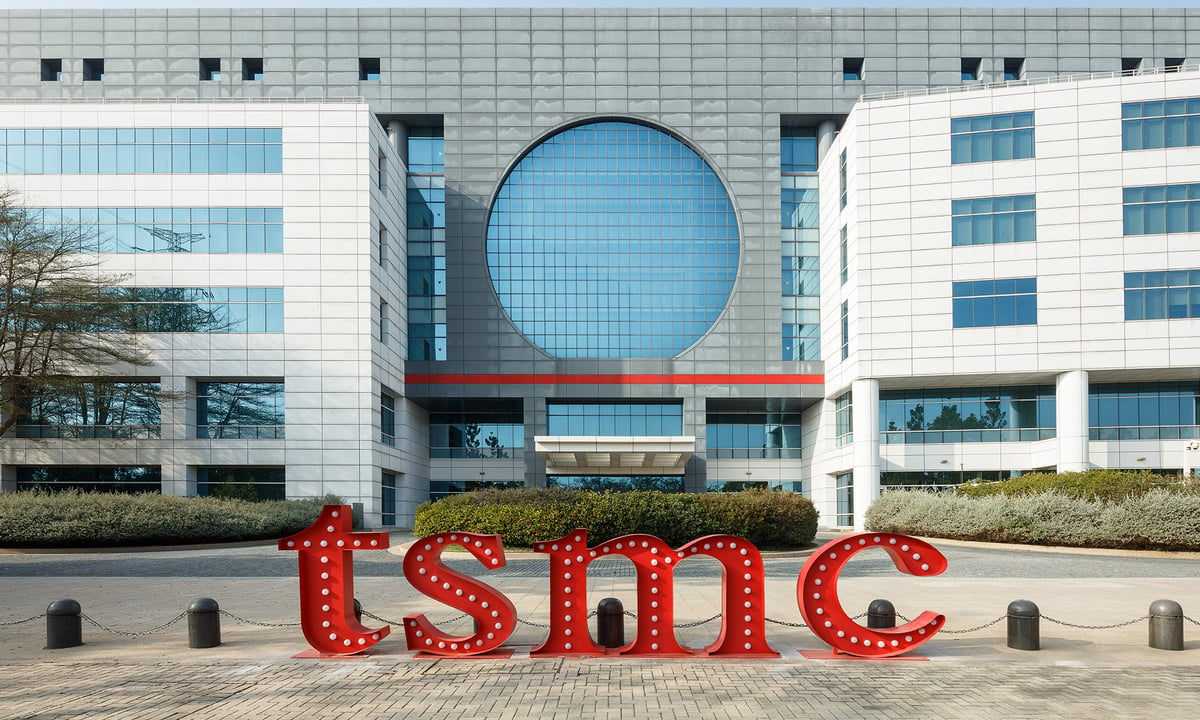
TSMC: The Leader in AI Chip Market

- Strong Market Demand: According to Dell'Oro Group, data center spending is projected to reach $1.7 trillion by 2030, providing a potential market for chips worth hundreds of billions, with TSMC positioned to benefit as a leading chip manufacturer.
- Significant Revenue Growth: TSMC achieved double-digit revenue growth in 2025, with an annual production capacity exceeding 17 million 12-inch equivalent wafers, supporting $122 billion in annual revenue, making it one of the largest semiconductor companies globally.
- AI Chip Growth Expectations: Management anticipates over 50% annual growth in AI chips through 2029, indicating strong long-term demand for advanced process technologies, despite the cyclical risks inherent in the industry.
- Increasing Market Share: TSMC's market share reached 72% in the second half of 2025, demonstrating its strong position in the competitive foundry market, and its 45% profit margin underscores its customer relationships and scale advantages.
See More

Long-Term Growth Potential of AI Stocks

- Market Volatility Impact: Despite recent sell-offs in AI stocks as investors rotate into other sectors due to economic and geopolitical uncertainties, the long-term growth narrative for AI remains intact, indicating sustained market confidence in this sector.
- Surge in Infrastructure Investment: Cloud companies are set to invest nearly $700 billion in infrastructure to meet skyrocketing demand, which not only reflects confidence in the AI market but also lays the groundwork for future growth.
- Company Competitive Advantages: Companies like Palantir and Nvidia showcase strong competitive advantages in AI, with Palantir winning government and commercial clients through its AI-driven software, while Nvidia maintains market leadership by continuously updating its chip technology.
- Diversification Strategy: Amazon, as a leader in e-commerce and cloud computing, is becoming a significant player in AI through its robust cloud services platform, which is expected to drive substantial long-term growth.
See More

Investment Opportunities and Challenges in AI Stocks
- AI Market Overview: Over the past three years, AI stocks have provided substantial returns for investors, particularly chip design companies whose revenues surged due to increased demand for chips powering large language models; however, recent market pullbacks indicate investor caution towards growth assets.
- Infrastructure Investment: Cloud companies are set to invest nearly $700 billion in infrastructure to meet soaring demand, and despite investor concerns about spending pace, the strong demand for AI infrastructure suggests significant market potential in the future.
- Success Indicators: Companies like Palantir Technologies have excelled in the AI space, winning government and commercial clients with their AI-driven software, demonstrating strong competitive positioning and sustained revenue growth in the market.
- Diversification Advantage: Amazon, as a leader in e-commerce and cloud computing, has transformed into an AI powerhouse through its cloud business, indicating that its diversified approach across multiple sectors will support long-term growth and further solidify its market position.
See More

U.S. Navy to Blockade Iranian Ports, Oil Prices Surge


- Naval Blockade: The U.S. Navy plans to blockade Iranian ports starting Monday after negotiations with Iran failed, which is expected to significantly impact the global oil supply chain and potentially lead to further increases in oil prices.
- Oil Price Surge: Following the announcement, oil prices jumped sharply due to escalating geopolitical tensions, raising concerns about future supply disruptions that could affect the global economic recovery process.
- Consequences of Failed Talks: The inability to reach an agreement with Iran highlights the complexities of international relations and may lead to stricter sanctions, impacting Iran's oil exports and the stability of global markets.
- Market Reaction: Investor concerns over future developments have intensified, leading to declines in the futures market, indicating the market's sensitivity to geopolitical risks, which could influence investment decisions in related sectors.
See More

AI Stock Market Volatility in Q1 2026


- Divergent Market Performance: In Q1 2026, while major AI stocks like Nvidia have seen declines, with Nvidia down nearly 5% year-to-date, many semiconductor stocks are rising, such as Taiwan Semiconductor up 13.7% and Texas Instruments up 15.1%, indicating varied market reactions to different company types.
- Investor Confidence Fluctuations: Major AI spenders like Alphabet and Apple have seen their stocks drop by 2.5% and 6.9%, respectively, while Meta and Microsoft have plummeted by 12.9% and 23%, reflecting uncertainty in the market regarding these companies' future earnings potential.
- Manufacturing Companies Benefiting: Manufacturing firms like Vertiv and Micron have excelled, with Vertiv soaring 61.8% year-to-date and Micron up 32.3%, both outperforming the S&P 500's 16.4% return in 2025, suggesting a market preference for companies directly benefiting from AI spending.
- Long-Term Investment Opportunities: Despite the market's lack of confidence in AI spenders, if one believes AI is a sustainable long-term trend, now may be an opportune time to buy the dip, especially considering the potential future returns these companies may generate.
See More

Analysis of AI Stock Market Fluctuations in 2026
- Divergent AI Stock Performance: In Q1 2026, while Nvidia's stock fell nearly 5%, many semiconductor stocks rose, with Taiwan Semiconductor Manufacturing up 13.7%, indicating a market preference for different types of AI companies.
- Mixed Market Reactions: Alphabet and Apple saw declines of 2.5% and 6.9%, respectively, while Meta and Microsoft dropped 12.9% and 23%, suggesting a waning confidence in large AI firms, which could impact their future investment appeal.
- Manufacturing Companies Thrive: Vertiv's stock surged 61.8% and Micron rose 32.3%, indicating that the market favors companies with their own fabrication plants, reflecting a focus on short-term gains that may lead to neglect of fabless companies like Nvidia.
- Long-Term Investment Opportunities: Despite increased volatility in AI stocks, analysts believe AI represents a sustainable long-term trend, suggesting that now may be a good time to buy the dip, especially as the market shows weakness in certain companies.
See More
TSMC: The Leader in AI Chip Market
- Strong Market Demand: According to Dell'Oro Group, data center spending is projected to reach $1.7 trillion by 2030, providing a potential market for chips worth hundreds of billions, with TSMC positioned to benefit as a leading chip manufacturer.
- Significant Revenue Growth: TSMC achieved double-digit revenue growth in 2025, with an annual production capacity exceeding 17 million 12-inch equivalent wafers, supporting $122 billion in annual revenue, making it one of the largest semiconductor companies globally.
- AI Chip Growth Expectations: Management anticipates over 50% annual growth in AI chips through 2029, indicating strong long-term demand for advanced process technologies, despite the cyclical risks inherent in the industry.
- Increasing Market Share: TSMC's market share reached 72% in the second half of 2025, demonstrating its strong position in the competitive foundry market, and its 45% profit margin underscores its customer relationships and scale advantages.
See More
Long-Term Growth Potential of AI Stocks
- Market Volatility Impact: Despite recent sell-offs in AI stocks as investors rotate into other sectors due to economic and geopolitical uncertainties, the long-term growth narrative for AI remains intact, indicating sustained market confidence in this sector.
- Surge in Infrastructure Investment: Cloud companies are set to invest nearly $700 billion in infrastructure to meet skyrocketing demand, which not only reflects confidence in the AI market but also lays the groundwork for future growth.
- Company Competitive Advantages: Companies like Palantir and Nvidia showcase strong competitive advantages in AI, with Palantir winning government and commercial clients through its AI-driven software, while Nvidia maintains market leadership by continuously updating its chip technology.
- Diversification Strategy: Amazon, as a leader in e-commerce and cloud computing, is becoming a significant player in AI through its robust cloud services platform, which is expected to drive substantial long-term growth.
See More
Investment Opportunities and Challenges in AI Stocks
- AI Market Overview: Over the past three years, AI stocks have provided substantial returns for investors, particularly chip design companies whose revenues surged due to increased demand for chips powering large language models; however, recent market pullbacks indicate investor caution towards growth assets.
- Infrastructure Investment: Cloud companies are set to invest nearly $700 billion in infrastructure to meet soaring demand, and despite investor concerns about spending pace, the strong demand for AI infrastructure suggests significant market potential in the future.
- Success Indicators: Companies like Palantir Technologies have excelled in the AI space, winning government and commercial clients with their AI-driven software, demonstrating strong competitive positioning and sustained revenue growth in the market.
- Diversification Advantage: Amazon, as a leader in e-commerce and cloud computing, has transformed into an AI powerhouse through its cloud business, indicating that its diversified approach across multiple sectors will support long-term growth and further solidify its market position.
See More
U.S. Navy to Blockade Iranian Ports, Oil Prices Surge
- Naval Blockade: The U.S. Navy plans to blockade Iranian ports starting Monday after negotiations with Iran failed, which is expected to significantly impact the global oil supply chain and potentially lead to further increases in oil prices.
- Oil Price Surge: Following the announcement, oil prices jumped sharply due to escalating geopolitical tensions, raising concerns about future supply disruptions that could affect the global economic recovery process.
- Consequences of Failed Talks: The inability to reach an agreement with Iran highlights the complexities of international relations and may lead to stricter sanctions, impacting Iran's oil exports and the stability of global markets.
- Market Reaction: Investor concerns over future developments have intensified, leading to declines in the futures market, indicating the market's sensitivity to geopolitical risks, which could influence investment decisions in related sectors.
See More
AI Stock Market Volatility in Q1 2026
- Divergent Market Performance: In Q1 2026, while major AI stocks like Nvidia have seen declines, with Nvidia down nearly 5% year-to-date, many semiconductor stocks are rising, such as Taiwan Semiconductor up 13.7% and Texas Instruments up 15.1%, indicating varied market reactions to different company types.
- Investor Confidence Fluctuations: Major AI spenders like Alphabet and Apple have seen their stocks drop by 2.5% and 6.9%, respectively, while Meta and Microsoft have plummeted by 12.9% and 23%, reflecting uncertainty in the market regarding these companies' future earnings potential.
- Manufacturing Companies Benefiting: Manufacturing firms like Vertiv and Micron have excelled, with Vertiv soaring 61.8% year-to-date and Micron up 32.3%, both outperforming the S&P 500's 16.4% return in 2025, suggesting a market preference for companies directly benefiting from AI spending.
- Long-Term Investment Opportunities: Despite the market's lack of confidence in AI spenders, if one believes AI is a sustainable long-term trend, now may be an opportune time to buy the dip, especially considering the potential future returns these companies may generate.
See More
Analysis of AI Stock Market Fluctuations in 2026
- Divergent AI Stock Performance: In Q1 2026, while Nvidia's stock fell nearly 5%, many semiconductor stocks rose, with Taiwan Semiconductor Manufacturing up 13.7%, indicating a market preference for different types of AI companies.
- Mixed Market Reactions: Alphabet and Apple saw declines of 2.5% and 6.9%, respectively, while Meta and Microsoft dropped 12.9% and 23%, suggesting a waning confidence in large AI firms, which could impact their future investment appeal.
- Manufacturing Companies Thrive: Vertiv's stock surged 61.8% and Micron rose 32.3%, indicating that the market favors companies with their own fabrication plants, reflecting a focus on short-term gains that may lead to neglect of fabless companies like Nvidia.
- Long-Term Investment Opportunities: Despite increased volatility in AI stocks, analysts believe AI represents a sustainable long-term trend, suggesting that now may be a good time to buy the dip, especially as the market shows weakness in certain companies.
See More