Ford Adjusts EV Strategy and New Investments
Written by Emily J. Thompson, Senior Investment Analyst
Updated: 4 days ago
0mins
Should l Buy F?
Source: Fool
- EV Strategy Shift: After incurring a $4.8 billion loss in its EV business, Ford announced the cancellation of several planned electric vehicle models and a $19.5 billion write-down, yet it continues to develop a competitor to Tesla's Model 3 and Model Y, indicating ongoing commitment to the EV market.
- Hybrid Transition: Ford is shifting its focus from all-electric models to hybrids and extended-range EVs, with expectations that its Model e segment will become profitable by 2029, a strategic pivot aimed at reducing capital burn and enhancing market competitiveness.
- Energy Storage Investment: The company plans to invest $2 billion in its Kentucky plant to scale production of battery energy storage systems, targeting an annual output of 20 gigawatt-hours by 2027 to meet the growing demand from data centers for power storage solutions, thereby diversifying its business portfolio.
- Market Potential Analysis: Research indicates that the battery energy storage system industry is projected to grow at an annual rate of 15.8%, reaching $106 billion by 2030, suggesting that while Ford may not see immediate returns from this new venture, it could serve as a significant growth catalyst in the long run.
Trade with 70% Backtested Accuracy
Stop guessing "Should I Buy F?" and start using high-conviction signals backed by rigorous historical data.
Sign up today to access powerful investing tools and make smarter, data-driven decisions.
Analyst Views on F
Wall Street analysts forecast F stock price to rise
14 Analyst Rating
3 Buy
10 Hold
1 Sell
Hold
Current: 12.240

Low
11.00
Averages
13.65
High
16.00
Current: 12.240
Low
11.00
Averages
13.65
High
16.00
About F
Ford Motor Company is an automobile company. The Company develops and delivers Ford trucks, sport utility vehicles, commercial vans and cars, and Lincoln luxury vehicles, along with connected services. The Company’s segments include Ford Blue, Ford Model e, Ford Pro, and Ford Credit. The Ford Blue segment primarily includes the sale of Ford and Lincoln internal combustion engine (ICE) and hybrid vehicles, service parts, accessories, and digital services for retail customers. The Ford Model e segment primarily includes the sale of its electric vehicles, service parts, accessories, and digital services for retail customers. The Ford Pro segment primarily includes the sale of Ford and Lincoln vehicles, service parts, accessories, and services for commercial, government, and rental customers. The Ford Credit segment consists of the Ford Credit business on a consolidated basis, which is primarily vehicle-related financing and leasing activities. Its vehicle brands are Ford and Lincoln.
About the author

Emily J. Thompson
Emily J. Thompson, a Chartered Financial Analyst (CFA) with 12 years in investment research, graduated with honors from the Wharton School. Specializing in industrial and technology stocks, she provides in-depth analysis for Intellectia’s earnings and market brief reports.
Iran Conflict Disrupts Luxury Car Market Dynamics

- Increased Market Uncertainty: The ongoing conflict in Iran exacerbates challenges for luxury automakers, with slowing demand in China and Europe leading to profit erosion from tariffs, creating a more precarious market environment.
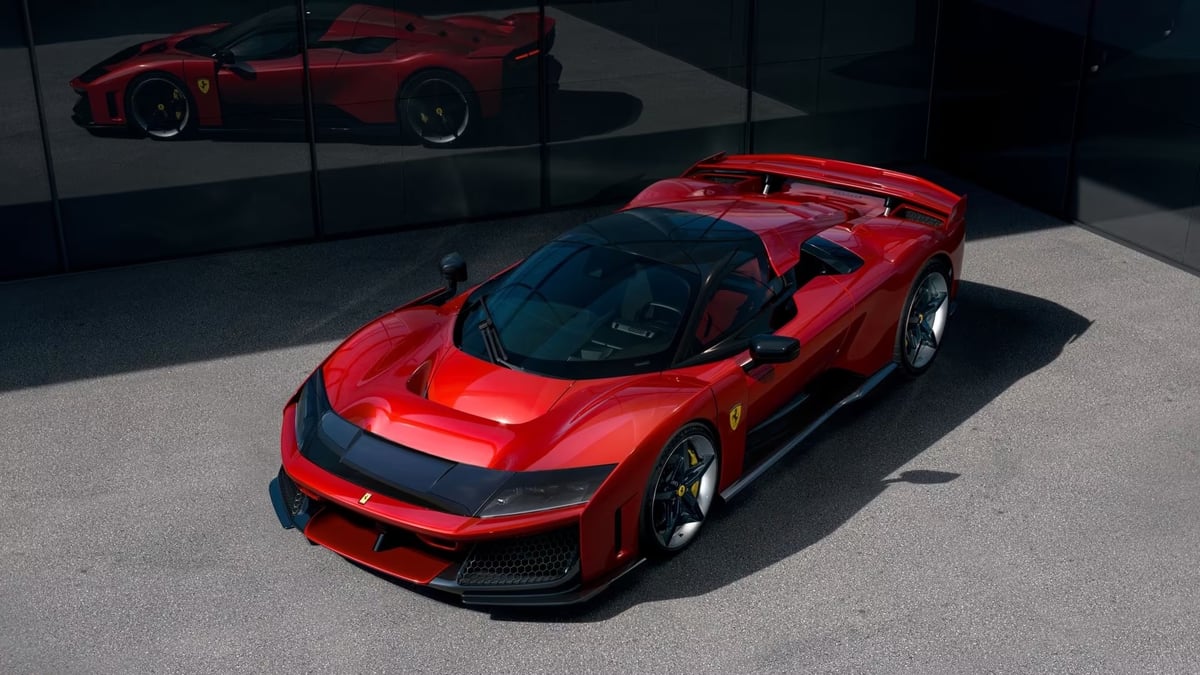
- Rising Importance of Middle East: Ferrari's 2025 report indicates that the Middle East accounted for 4.6% of total sales, a significant increase from 3.5% the previous year, highlighting the region's growing importance amid current market turmoil.
- Profitability Risks Emerge: Although the Middle East contributes a relatively small portion to Ferrari's sales, supply chain constraints, rising air freight costs, and declining regional demand pose direct threats to profitability, prompting potential production adjustments in response to sudden changes.
- Investment Opportunities Arise: While the Iran conflict negatively impacts Ferrari, investors should view this as a temporary setback; with its global competitive advantages and strong brand image, Ferrari remains a quality long-term investment choice.
See More

Impact of Iran Conflict on Luxury Automakers
- Market Impact Assessment: The Iran conflict severely affects Ferrari's high-margin market in the Middle East, which accounted for 4.6% of total sales in 2025, up from 3.5% the previous year, highlighting the region's significance.
- Increased Sales Risks: With supply chain constraints, rising air freight costs, and declining regional demand, Ferrari faces direct profitability risks, particularly in the luxury market, raising concerns about potential production cuts.
- Competitive Advantages and Challenges: Despite these challenges, Ferrari's stable order book and strong global brand image provide flexibility to adapt to market changes, presenting investors with a rare opportunity to buy at a lower valuation.
- Economic Environment Impact: Higher oil prices could negatively affect luxury sales, especially for inflation-sensitive consumers, potentially impacting Ferrari's long-term competitive advantages in the short term.
See More
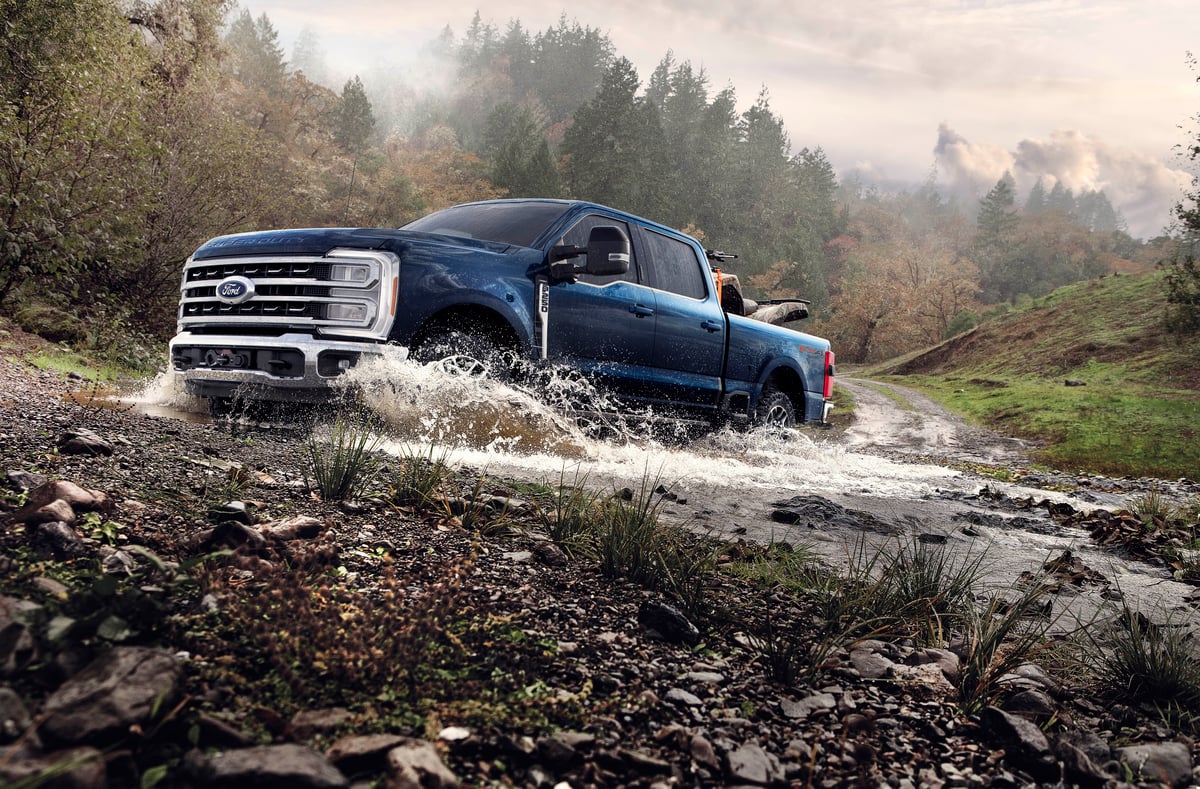
Ford's Q1 Sales Decline Analysis

- Sales Comparison: Q1 2026 U.S. auto sales faced significant challenges, with major players like Ford, GM, and Toyota experiencing declines, notably Ford's F-Series truck sales dropping 16% year-over-year, highlighting intensified market competition and pricing pressures.
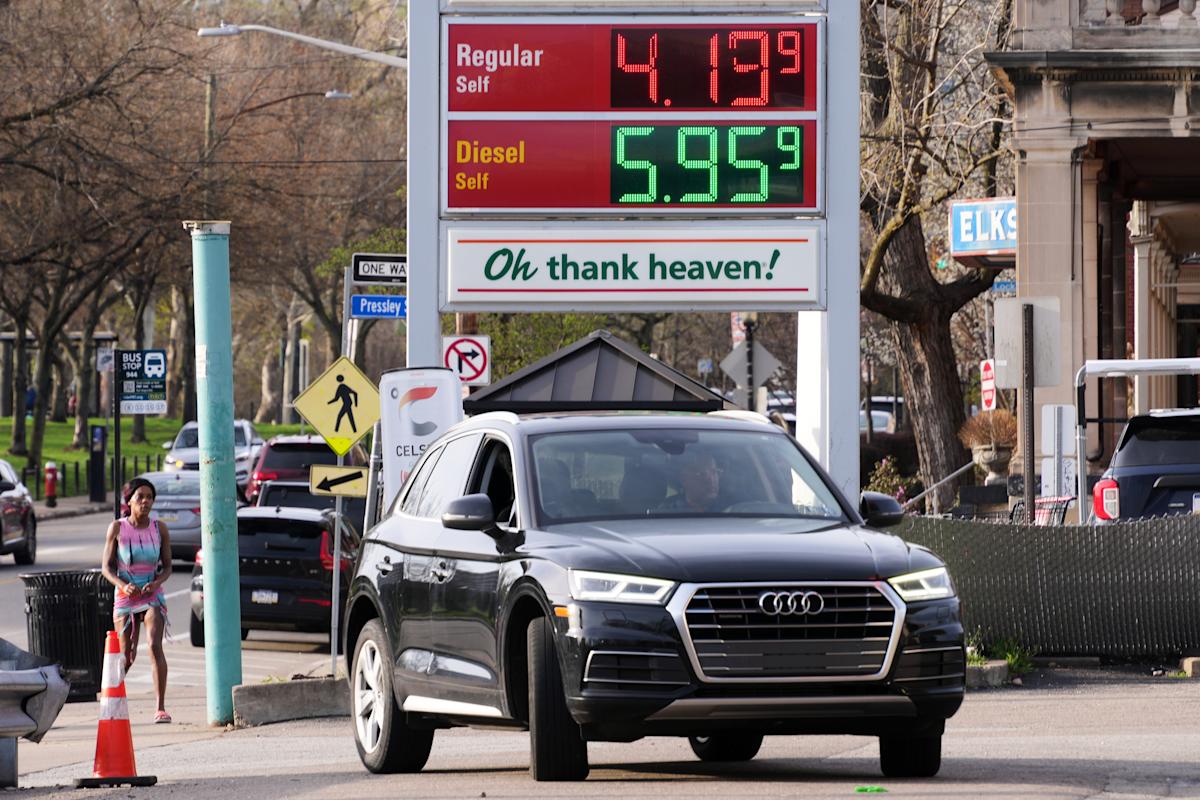
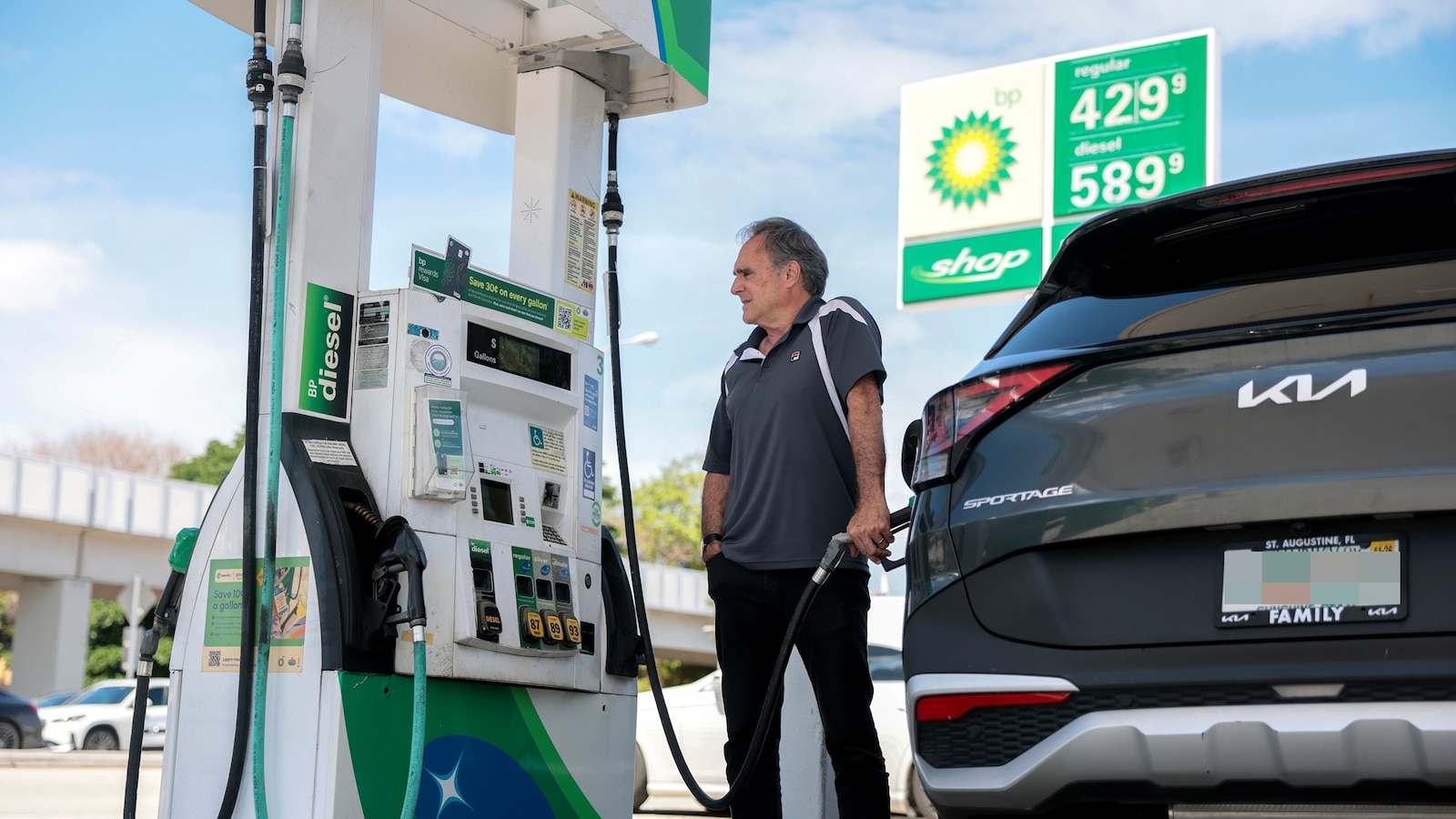
- Market Environment Impact: The overall 8.7% decline in Ford's Q1 sales was exacerbated by lingering winter weather, near-record vehicle prices, and rising gasoline costs, contrasting sharply with last year's strong performance and raising investor concerns.
- Aluminum Supply Chain Crisis: The production of Ford's F-150 was impacted by a fire at the Novelis aluminum plant in New York, which supplies 40% of U.S. automotive aluminum, with estimated losses of up to $2 billion between 2025 and 2026, prompting Ford to source aluminum from alternative suppliers.
- Production Recovery Plan: Ford plans to add a third shift at its Dearborn Truck Plant to compensate for approximately 50,000 vehicles lost in production, with a stronger recovery anticipated in the second half of 2026 as the aluminum plant is expected to resume full production by the end of Q2.
See More

Ford Reports 16% Decline in Q1 Sales Amid Challenges
- Sales Performance Decline: Ford's F-Series truck sales dropped 16% year-over-year in Q1, nearly double the overall decline of 8.7%, indicating significant pressure in the competitive full-size truck market, especially compared to GM's stable sales figures.
- Aluminum Supply Crisis: A fire at the Novelis aluminum plant in Oswego, New York, is expected to cost Ford between $1.5 billion and $2 billion in earnings from 2025 to 2026, although Ford has managed to reduce the net loss to approximately $1 billion through alternative sourcing and operational adjustments.
- Production Recovery Plan: Ford is adding a third shift at its Dearborn Truck Plant this year to compensate for a production loss of about 50,000 vehicles, with expectations for stronger sales performance in the second half of 2026 as the aluminum plant is projected to resume full production by the end of Q2.
- Challenging Market Environment: Q1 sales data faced tough comparisons due to last year's strong performance driven by consumer rush before anticipated tariff increases, leading Ford and other automakers to navigate a more challenging sales landscape in 2026.
See More
Salesforce's Transformation and Challenges in the Age of AI

- Cost-Saving Strategy: Morgan DeBaun, CEO of Blavity, anticipates a shift from Salesforce's CRM platform to a more cost-efficient AI solution by early 2027, potentially saving 50% to 60%, highlighting the emphasis on cost-effectiveness in the AI era.
- Expectations for AI Features: DeBaun insists that Salesforce's AI capabilities should be included in the base offering rather than charged separately, indicating dissatisfaction with pricing strategies that could impact Salesforce's competitive position in the market.
- Market Reaction and Stock Volatility: Salesforce's stock has dropped over 35% in the past year, currently trading around $170, reflecting investor concerns about AI tools potentially disrupting traditional enterprise software, leading to a broader sell-off in software stocks.
- Future Outlook and Investment Confidence: Despite challenges, analysts remain bullish on Salesforce, with Citizens maintaining a buy rating and a $315 price target, demonstrating confidence in the company's ability to adapt to the evolving AI landscape.
See More
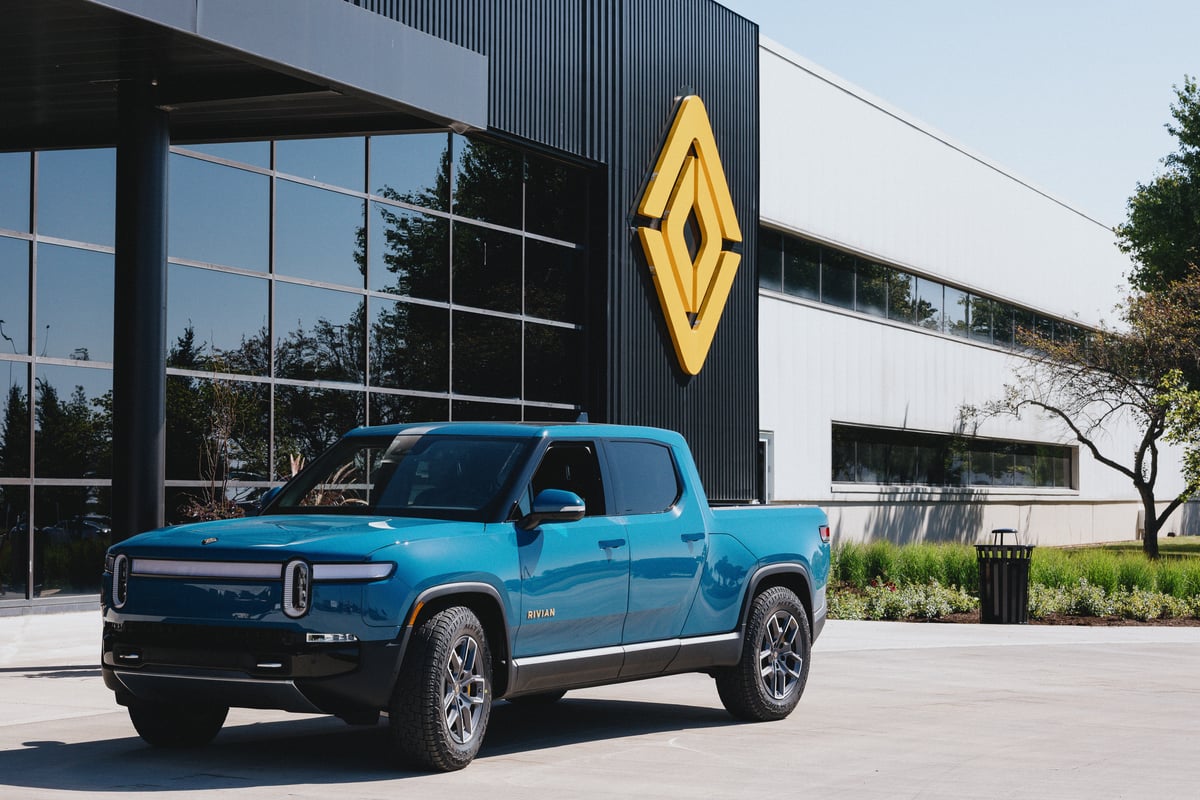
Potential Catalysts for Rivian's Stock Rebound


- Production Review: Rivian produced 24,337 vehicles in 2022, with expectations to increase to 57,232 in 2023, although production is projected to decline to 49,476 and 42,284 in 2024 and 2025 due to supply chain constraints and intensified competition, impacting investor confidence.
- New Model Launch: The launch of the new R2 SUV in March, priced $30,000-$40,000 lower than the R1T and R1S, is expected to significantly expand market reach and improve margins due to its simplified design and fewer electronic control units.
- Investor Confidence Rebound: Uber's recent $1.25 billion investment in Rivian and plans to deploy up to 10,000 fully autonomous R2 robotaxis from 2028 to 2031 provide strong support for Rivian's future growth prospects.
- Insider Buying: Rivian insiders have purchased more than twice as many shares as they sold in the past three months, and this positive insider sentiment, combined with low valuation and multiple potential partnerships, makes Rivian a compelling stock to buy ahead of its next earnings report.
See More
Iran Conflict Disrupts Luxury Car Market Dynamics
- Increased Market Uncertainty: The ongoing conflict in Iran exacerbates challenges for luxury automakers, with slowing demand in China and Europe leading to profit erosion from tariffs, creating a more precarious market environment.
- Rising Importance of Middle East: Ferrari's 2025 report indicates that the Middle East accounted for 4.6% of total sales, a significant increase from 3.5% the previous year, highlighting the region's growing importance amid current market turmoil.
- Profitability Risks Emerge: Although the Middle East contributes a relatively small portion to Ferrari's sales, supply chain constraints, rising air freight costs, and declining regional demand pose direct threats to profitability, prompting potential production adjustments in response to sudden changes.
- Investment Opportunities Arise: While the Iran conflict negatively impacts Ferrari, investors should view this as a temporary setback; with its global competitive advantages and strong brand image, Ferrari remains a quality long-term investment choice.
See More
Impact of Iran Conflict on Luxury Automakers
- Market Impact Assessment: The Iran conflict severely affects Ferrari's high-margin market in the Middle East, which accounted for 4.6% of total sales in 2025, up from 3.5% the previous year, highlighting the region's significance.
- Increased Sales Risks: With supply chain constraints, rising air freight costs, and declining regional demand, Ferrari faces direct profitability risks, particularly in the luxury market, raising concerns about potential production cuts.
- Competitive Advantages and Challenges: Despite these challenges, Ferrari's stable order book and strong global brand image provide flexibility to adapt to market changes, presenting investors with a rare opportunity to buy at a lower valuation.
- Economic Environment Impact: Higher oil prices could negatively affect luxury sales, especially for inflation-sensitive consumers, potentially impacting Ferrari's long-term competitive advantages in the short term.
See More
Ford's Q1 Sales Decline Analysis
- Sales Comparison: Q1 2026 U.S. auto sales faced significant challenges, with major players like Ford, GM, and Toyota experiencing declines, notably Ford's F-Series truck sales dropping 16% year-over-year, highlighting intensified market competition and pricing pressures.
- Market Environment Impact: The overall 8.7% decline in Ford's Q1 sales was exacerbated by lingering winter weather, near-record vehicle prices, and rising gasoline costs, contrasting sharply with last year's strong performance and raising investor concerns.
- Aluminum Supply Chain Crisis: The production of Ford's F-150 was impacted by a fire at the Novelis aluminum plant in New York, which supplies 40% of U.S. automotive aluminum, with estimated losses of up to $2 billion between 2025 and 2026, prompting Ford to source aluminum from alternative suppliers.
- Production Recovery Plan: Ford plans to add a third shift at its Dearborn Truck Plant to compensate for approximately 50,000 vehicles lost in production, with a stronger recovery anticipated in the second half of 2026 as the aluminum plant is expected to resume full production by the end of Q2.
See More
Ford Reports 16% Decline in Q1 Sales Amid Challenges
- Sales Performance Decline: Ford's F-Series truck sales dropped 16% year-over-year in Q1, nearly double the overall decline of 8.7%, indicating significant pressure in the competitive full-size truck market, especially compared to GM's stable sales figures.
- Aluminum Supply Crisis: A fire at the Novelis aluminum plant in Oswego, New York, is expected to cost Ford between $1.5 billion and $2 billion in earnings from 2025 to 2026, although Ford has managed to reduce the net loss to approximately $1 billion through alternative sourcing and operational adjustments.
- Production Recovery Plan: Ford is adding a third shift at its Dearborn Truck Plant this year to compensate for a production loss of about 50,000 vehicles, with expectations for stronger sales performance in the second half of 2026 as the aluminum plant is projected to resume full production by the end of Q2.
- Challenging Market Environment: Q1 sales data faced tough comparisons due to last year's strong performance driven by consumer rush before anticipated tariff increases, leading Ford and other automakers to navigate a more challenging sales landscape in 2026.
See More
Salesforce's Transformation and Challenges in the Age of AI
- Cost-Saving Strategy: Morgan DeBaun, CEO of Blavity, anticipates a shift from Salesforce's CRM platform to a more cost-efficient AI solution by early 2027, potentially saving 50% to 60%, highlighting the emphasis on cost-effectiveness in the AI era.
- Expectations for AI Features: DeBaun insists that Salesforce's AI capabilities should be included in the base offering rather than charged separately, indicating dissatisfaction with pricing strategies that could impact Salesforce's competitive position in the market.
- Market Reaction and Stock Volatility: Salesforce's stock has dropped over 35% in the past year, currently trading around $170, reflecting investor concerns about AI tools potentially disrupting traditional enterprise software, leading to a broader sell-off in software stocks.
- Future Outlook and Investment Confidence: Despite challenges, analysts remain bullish on Salesforce, with Citizens maintaining a buy rating and a $315 price target, demonstrating confidence in the company's ability to adapt to the evolving AI landscape.
See More
Potential Catalysts for Rivian's Stock Rebound
- Production Review: Rivian produced 24,337 vehicles in 2022, with expectations to increase to 57,232 in 2023, although production is projected to decline to 49,476 and 42,284 in 2024 and 2025 due to supply chain constraints and intensified competition, impacting investor confidence.
- New Model Launch: The launch of the new R2 SUV in March, priced $30,000-$40,000 lower than the R1T and R1S, is expected to significantly expand market reach and improve margins due to its simplified design and fewer electronic control units.
- Investor Confidence Rebound: Uber's recent $1.25 billion investment in Rivian and plans to deploy up to 10,000 fully autonomous R2 robotaxis from 2028 to 2031 provide strong support for Rivian's future growth prospects.
- Insider Buying: Rivian insiders have purchased more than twice as many shares as they sold in the past three months, and this positive insider sentiment, combined with low valuation and multiple potential partnerships, makes Rivian a compelling stock to buy ahead of its next earnings report.
See More