

Gas Prices Remain High Despite Ceasefire
Impact of Ceasefire on Oil and Gas Prices
Following the announcement of a two-week ceasefire between the U.S. and Iran, oil prices witnessed a sharp decline, signaling temporary relief in energy markets. WTI crude dropped 16.41% to $94.41 per barrel, while Brent crude fell 13.29% to $94.75 per barrel. Despite these significant drops, oil prices remain notably higher than the pre-conflict levels of $67 per barrel for WTI and $73 for Brent.
However, gas prices at the pump have yet to reflect these declines due to the lag in retail price adjustments. On average, U.S. gas prices stand at $4.16 per gallon, up $1.18 since the onset of the conflict, according to AAA data. Retailers are slow to lower prices as they work through higher-cost inventory, a practice that often delays consumer relief. Analysts from GasBuddy estimate that it could take weeks for prices to drop meaningfully, with minor reductions of a few cents per gallon expected in the coming days.
Challenges to Sustained Price Drops
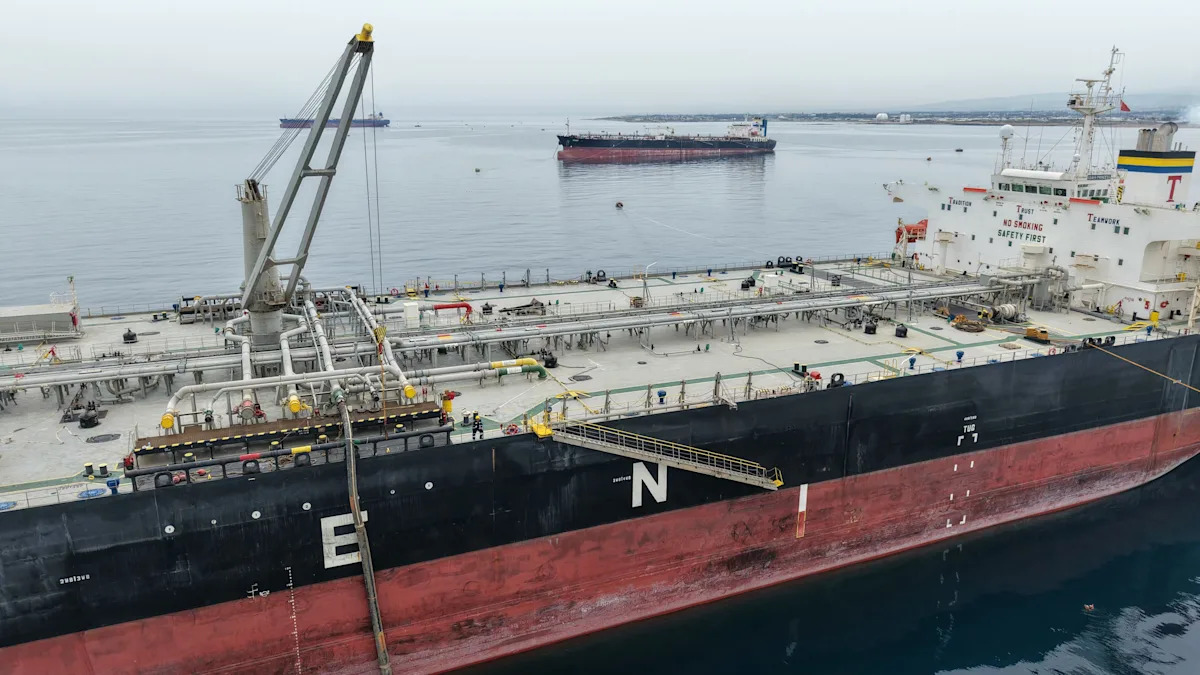
The ceasefire brings hope for stability, but significant hurdles remain. The Strait of Hormuz, a critical chokepoint through which 20% of global oil passes, remains closed as tensions persist. Iranian and Israeli military actions in the region have disrupted tanker traffic, adding uncertainty to the ceasefire’s durability. Reports suggest Iran may impose transit fees of $1-2 million per tanker, which could increase the cost of oil transport.
Additionally, energy infrastructure in Gulf nations such as Saudi Arabia and Kuwait has suffered extensive damage, with an estimated 7.5 million barrels per day of production offline, according to the U.S. Energy Information Administration (EIA). Repairs are expected to take weeks or months, delaying the resumption of normal oil flows and keeping supply constrained. This combination of geopolitical risks and logistical challenges has dampened optimism for a rapid normalization of global oil markets.
Future Outlook for Gas Prices
While analysts agree that gas prices are likely to decline gradually, a return to pre-conflict levels of $3 per gallon appears unlikely in the near term. Seasonal demand, driven by summer travel and the switch to costlier summer fuel blends, will exert upward pressure on prices. Additionally, geopolitical risks, including the possibility of renewed conflict or disruptions to the Strait of Hormuz, will maintain a risk premium on oil and gas prices.
Projections vary, with some analysts forecasting a national average of $3.60 per gallon in the coming months, while others predict a more conservative decline of 50 cents by late spring. However, damaged infrastructure and higher transportation costs from the Gulf region may offset some of these reductions. Experts caution that any escalation in tensions could quickly reverse price declines, underscoring the fragile nature of the current market.
 Sources


About the author






- Oil plunging, don’t expect $3 gas anytime soon. Here’s
 yahoo
yahoo - pump prices stay elevated despite US-Iran ceasefire deal, market observersyahoo
- Oil plunges, Dow sees best day year US-Iran ceasefire, ‘hurdles remain’yahoo
- US-Iran ceasefire bring gas prices?
 abc
abc