Chevron Acquires Production Rights at Iraq's West Qurna 2 Oil Field
Written by Emily J. Thompson, Senior Investment Analyst
Updated: 3 days ago
0mins
Should l Buy CVX?
Source: NASDAQ.COM
- Acquisition Opportunity: Chevron has successfully acquired production rights at Iraq's West Qurna 2 oil field, which has estimated recoverable reserves of 13 billion barrels, accounting for 10% of Iraq's total output, providing strong support for the company's future revenue growth.
- Positive Market Reaction: Driven by the conflict in Iran and the potential opening of the Venezuelan market, Chevron's stock has risen 25.11% year-to-date, reflecting market optimism regarding its expansion in the Middle East and further solidifying its leading position in the energy sector.
- Geopolitical Implications: By displacing two Russian companies in Iraq, Chevron's involvement may impact China's crude oil supply chain, likely prompting long-term support from the U.S. government for Chevron's investments in the Middle East, thereby enhancing its market competitiveness.
- Future Production Expectations: With its superior operational expertise, Chevron's involvement in these two oil fields is expected to boost Iraq's production to over 6 million barrels per day by 2029, which will not only increase Iraq's fiscal revenues but also significantly enhance Chevron's profitability.
Trade with 70% Backtested Accuracy
Stop guessing "Should I Buy CVX?" and start using high-conviction signals backed by rigorous historical data.
Sign up today to access powerful investing tools and make smarter, data-driven decisions.
Analyst Views on CVX
Wall Street analysts forecast CVX stock price to fall
19 Analyst Rating
15 Buy
4 Hold
0 Sell
Strong Buy
Current: 185.160

Low
158.00
Averages
176.95
High
206.00
Current: 185.160
Low
158.00
Averages
176.95
High
206.00
About CVX
Chevron Corporation is an integrated energy company. The Company produces crude oil and natural gas; manufactures transportation fuels, lubricants, petrochemicals and additives; and develops technologies that enhance its business and industry. The Company’s segments include Upstream and Downstream. Upstream operations consist primarily of exploring for, developing, producing and transporting crude oil and natural gas; liquefaction, transportation and regasification associated with LNG; transporting crude oil by major international oil export pipelines; processing, transporting, storage and marketing of natural gas; carbon capture and storage; and a gas-to-liquids plant. Downstream operations consist primarily of the refining of crude oil into petroleum products; marketing crude oil, refined products, and lubricants; manufacturing and marketing of renewable fuels, and transporting of crude oil and refined products by pipeline, marine vessel, motor equipment and rail car.
About the author

Emily J. Thompson
Emily J. Thompson, a Chartered Financial Analyst (CFA) with 12 years in investment research, graduated with honors from the Wharton School. Specializing in industrial and technology stocks, she provides in-depth analysis for Intellectia’s earnings and market brief reports.
Chevron to Explore Oil and Gas South of Malta

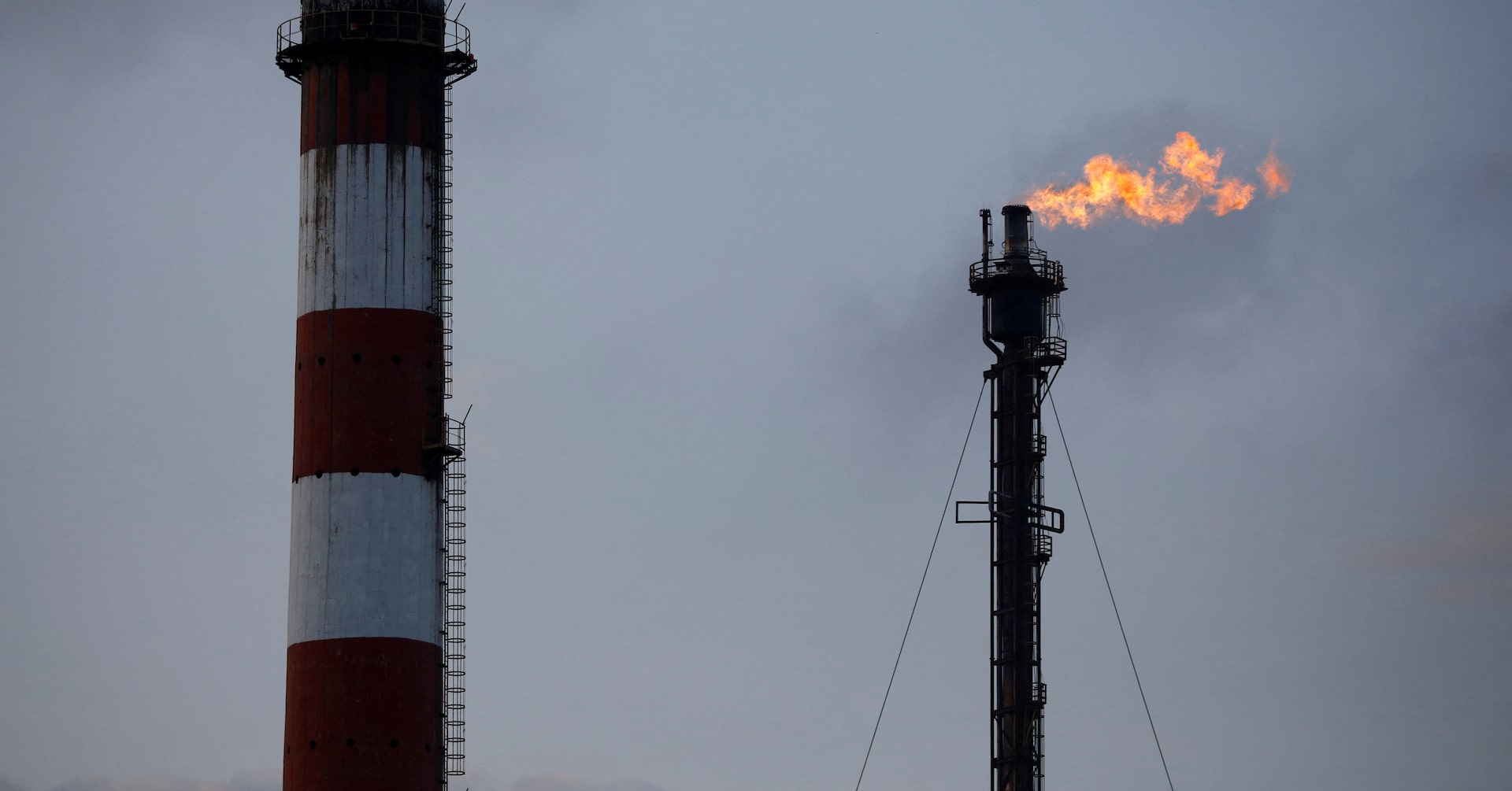
- New Exploration Initiative: Chevron announced plans to explore for oil and gas south of Malta, a region that has yet to see any production, but is strategically located near producing nations like Libya, Italy, and Tunisia, indicating potential resource value.
- Market Potential: This move could not only open new resource avenues for Chevron but also enhance its market position in the Mediterranean, especially against the backdrop of rising global energy demand.
- Strategic Diversification: By exploring south of Malta, Chevron aims to diversify its energy portfolio and reduce reliance on traditional production areas, thereby strengthening the company's long-term sustainability and profitability.
- Regional Collaboration Opportunities: The exploration initiative may provide opportunities for Chevron to collaborate with neighboring countries, fostering energy cooperation and development in the region, further solidifying its influence in the international market.
See More
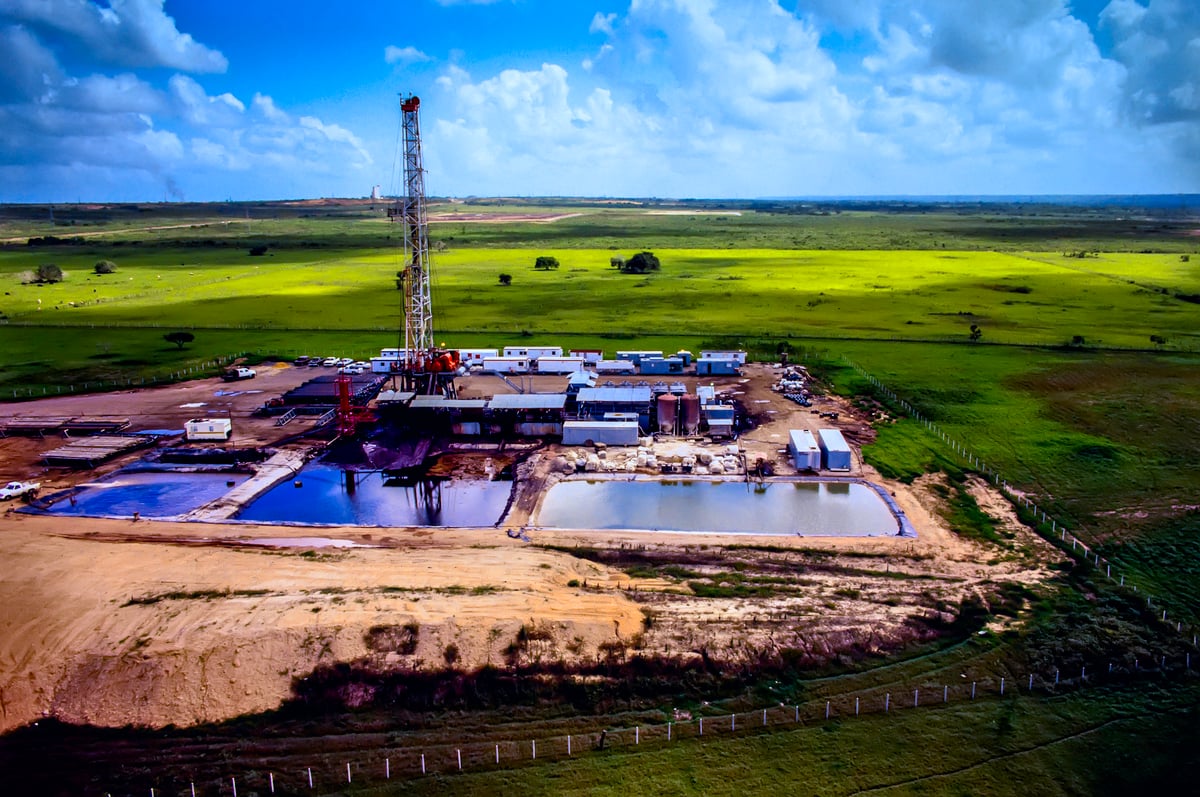
Oil Prices Surge, Companies Adjust Strategies Differently


- Surge in Oil Prices: The war with Iran has caused WTI crude prices to rise by 85% to over $100 per barrel, leading to record depletion of global oil stockpiles and creating market uncertainty.
- Caution from Major Players: Oil giants ExxonMobil and Chevron are maintaining their capital spending plans, with Chevron's budget set at $18 billion to $19 billion, ensuring flexibility in a volatile market environment.
- Proactive Smaller Firms: ConocoPhillips has raised its capital budget from $12 billion to $12.5 billion to increase Permian activity in response to supply disruptions and higher oil prices, aiming to maintain operational efficiency.
- Increased Drilling Activities: Diamondback Energy plans to add 2 to 3 drilling rigs to boost production, raising its capital spending from $3.75 billion to $3.9 billion to meet the urgent market demand for oil.
See More
Shell Reports Stronger-Than-Expected Q1 Profit Amid Iran War
- Strong Earnings Performance: Shell reported adjusted earnings of $6.92 billion for Q1, exceeding analyst expectations of $6.1 billion, demonstrating the company's resilience and operational efficiency amid global energy market disruptions.
- Dividend and Buyback Adjustments: The company announced a 5% increase in its dividend to $0.3906 per share while reducing its quarterly buyback from $3.5 billion to $3 billion, reflecting prudent capital management strategies.
- Rising Debt Levels: Shell's net debt rose to $52.6 billion at the end of Q1 from $45.7 billion at the end of last year, primarily due to the negative impact of rising oil prices on inventory values, although analysts view this as a minor negative factor.
- ARC Resources Acquisition: Last month, Shell announced a $16.4 billion acquisition of Canadian ARC Resources, aimed at strengthening its resource base in low-carbon intensity production, which is expected to support future output growth.
See More

US Stocks Surge as Tech Stocks Lead Gains


- Tech Stocks Rally: The Nasdaq 100 surged 2.08% to reach an all-time high on Wednesday, driven by stellar earnings from chipmakers and AI infrastructure firms, particularly Advanced Micro Devices, which rose over 17% as it raised its full-year sales forecast, reflecting strong investor optimism about ongoing AI investments.
- Crude Oil Plunge: WTI crude oil prices fell more than 7% to a two-week low as market expectations for a US-Iran peace agreement increased, easing inflation fears and contributing to stock market gains, with the 10-year Treasury yield dropping to a one-week low of 4.33%.
- Employment Data Impact: The April ADP employment report indicated that US companies added 109,000 jobs, below the expected 120,000, yet the market remains optimistic about the Fed's monetary policy, believing it will help maintain a low interest rate environment.
- International Market Surge: Overseas stock markets closed sharply higher, with the Euro Stoxx 50 rising 2.68% and China's Shanghai Composite gaining 1.17%, indicating a positive global market response to the US economic recovery, further boosting investor confidence.
See More
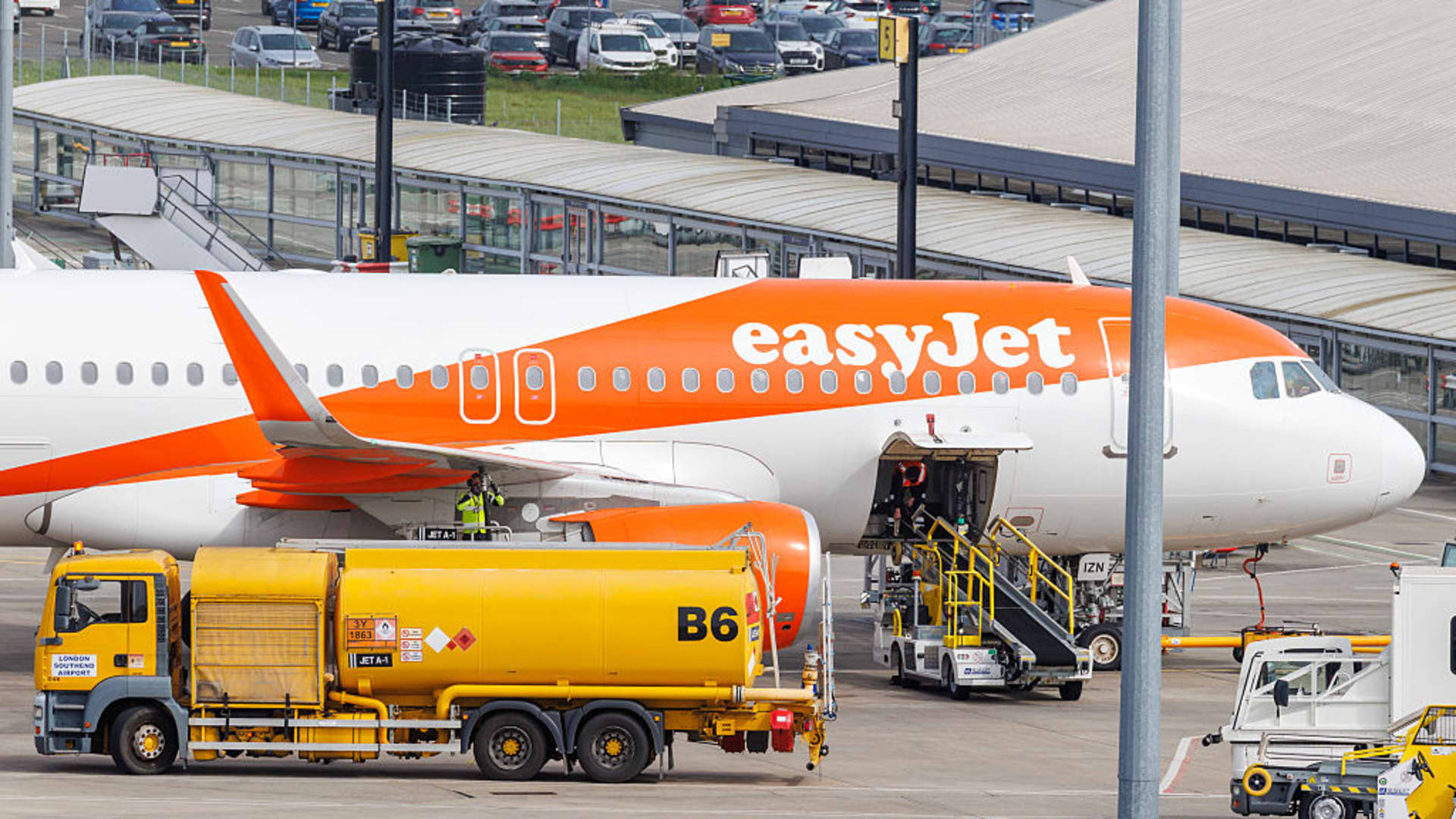
Jet Fuel Crisis Threatens Global Supply Chains
- Supply Chain Disruption: The blockade of the Strait of Hormuz by Iran has led to a 30% drop in global jet fuel exports in April, down to 1.3 million barrels per day, directly impacting air travel in Europe and Asia and potentially causing significant disruptions this summer.
- Price Surge: As of May 1, jet fuel prices in Europe have doubled to $187 per barrel, forcing Lufthansa to cut 20,000 short-haul flights, highlighting the immense pressure fuel costs are placing on the airline industry.
- Alternative Supply Efforts: The EU is actively seeking jet fuel supplies from the U.S., with exports to Europe surging over 400% to 94,000 bpd in April, demonstrating a proactive response from U.S. refiners like Valero and Marathon Petroleum to global demand.
- Future Risks: As the market relies on commercial inventories to mitigate supply disruptions, countries dependent on energy imports may face critical shortages by June or July, with the broader economic impacts becoming increasingly apparent.
See More
Trump Meets Oil Giants to Discuss Venezuela
- High-Level Meeting: President Trump revealed on Wednesday that he met with top officials from Chevron and ExxonMobil a day earlier to discuss matters related to Venezuela, indicating the administration's concern over the situation in the country.
- Energy Policy Impact: This meeting could influence U.S. energy policy towards Venezuela, particularly in the context of global energy market instability, as the Trump administration may seek to optimize energy supply through collaboration with major oil companies.
- Corporate Involvement: The participation of Chevron and ExxonMobil, as the largest oil companies in the U.S., underscores the significant role of corporations in international politics, which may affect future investment decisions and market dynamics.
- Geopolitical Considerations: Trump's discussions with oil giants not only involve business interests but may also reflect U.S. geopolitical strategy in Latin America, especially in addressing Venezuela's economic crisis and political turmoil.
See More
Chevron to Explore Oil and Gas South of Malta
- New Exploration Initiative: Chevron announced plans to explore for oil and gas south of Malta, a region that has yet to see any production, but is strategically located near producing nations like Libya, Italy, and Tunisia, indicating potential resource value.
- Market Potential: This move could not only open new resource avenues for Chevron but also enhance its market position in the Mediterranean, especially against the backdrop of rising global energy demand.
- Strategic Diversification: By exploring south of Malta, Chevron aims to diversify its energy portfolio and reduce reliance on traditional production areas, thereby strengthening the company's long-term sustainability and profitability.
- Regional Collaboration Opportunities: The exploration initiative may provide opportunities for Chevron to collaborate with neighboring countries, fostering energy cooperation and development in the region, further solidifying its influence in the international market.
See More
Oil Prices Surge, Companies Adjust Strategies Differently
- Surge in Oil Prices: The war with Iran has caused WTI crude prices to rise by 85% to over $100 per barrel, leading to record depletion of global oil stockpiles and creating market uncertainty.
- Caution from Major Players: Oil giants ExxonMobil and Chevron are maintaining their capital spending plans, with Chevron's budget set at $18 billion to $19 billion, ensuring flexibility in a volatile market environment.
- Proactive Smaller Firms: ConocoPhillips has raised its capital budget from $12 billion to $12.5 billion to increase Permian activity in response to supply disruptions and higher oil prices, aiming to maintain operational efficiency.
- Increased Drilling Activities: Diamondback Energy plans to add 2 to 3 drilling rigs to boost production, raising its capital spending from $3.75 billion to $3.9 billion to meet the urgent market demand for oil.
See More
Shell Reports Stronger-Than-Expected Q1 Profit Amid Iran War
- Strong Earnings Performance: Shell reported adjusted earnings of $6.92 billion for Q1, exceeding analyst expectations of $6.1 billion, demonstrating the company's resilience and operational efficiency amid global energy market disruptions.
- Dividend and Buyback Adjustments: The company announced a 5% increase in its dividend to $0.3906 per share while reducing its quarterly buyback from $3.5 billion to $3 billion, reflecting prudent capital management strategies.
- Rising Debt Levels: Shell's net debt rose to $52.6 billion at the end of Q1 from $45.7 billion at the end of last year, primarily due to the negative impact of rising oil prices on inventory values, although analysts view this as a minor negative factor.
- ARC Resources Acquisition: Last month, Shell announced a $16.4 billion acquisition of Canadian ARC Resources, aimed at strengthening its resource base in low-carbon intensity production, which is expected to support future output growth.
See More
US Stocks Surge as Tech Stocks Lead Gains
- Tech Stocks Rally: The Nasdaq 100 surged 2.08% to reach an all-time high on Wednesday, driven by stellar earnings from chipmakers and AI infrastructure firms, particularly Advanced Micro Devices, which rose over 17% as it raised its full-year sales forecast, reflecting strong investor optimism about ongoing AI investments.
- Crude Oil Plunge: WTI crude oil prices fell more than 7% to a two-week low as market expectations for a US-Iran peace agreement increased, easing inflation fears and contributing to stock market gains, with the 10-year Treasury yield dropping to a one-week low of 4.33%.
- Employment Data Impact: The April ADP employment report indicated that US companies added 109,000 jobs, below the expected 120,000, yet the market remains optimistic about the Fed's monetary policy, believing it will help maintain a low interest rate environment.
- International Market Surge: Overseas stock markets closed sharply higher, with the Euro Stoxx 50 rising 2.68% and China's Shanghai Composite gaining 1.17%, indicating a positive global market response to the US economic recovery, further boosting investor confidence.
See More
Jet Fuel Crisis Threatens Global Supply Chains
- Supply Chain Disruption: The blockade of the Strait of Hormuz by Iran has led to a 30% drop in global jet fuel exports in April, down to 1.3 million barrels per day, directly impacting air travel in Europe and Asia and potentially causing significant disruptions this summer.
- Price Surge: As of May 1, jet fuel prices in Europe have doubled to $187 per barrel, forcing Lufthansa to cut 20,000 short-haul flights, highlighting the immense pressure fuel costs are placing on the airline industry.
- Alternative Supply Efforts: The EU is actively seeking jet fuel supplies from the U.S., with exports to Europe surging over 400% to 94,000 bpd in April, demonstrating a proactive response from U.S. refiners like Valero and Marathon Petroleum to global demand.
- Future Risks: As the market relies on commercial inventories to mitigate supply disruptions, countries dependent on energy imports may face critical shortages by June or July, with the broader economic impacts becoming increasingly apparent.
See More
Trump Meets Oil Giants to Discuss Venezuela
- High-Level Meeting: President Trump revealed on Wednesday that he met with top officials from Chevron and ExxonMobil a day earlier to discuss matters related to Venezuela, indicating the administration's concern over the situation in the country.
- Energy Policy Impact: This meeting could influence U.S. energy policy towards Venezuela, particularly in the context of global energy market instability, as the Trump administration may seek to optimize energy supply through collaboration with major oil companies.
- Corporate Involvement: The participation of Chevron and ExxonMobil, as the largest oil companies in the U.S., underscores the significant role of corporations in international politics, which may affect future investment decisions and market dynamics.
- Geopolitical Considerations: Trump's discussions with oil giants not only involve business interests but may also reflect U.S. geopolitical strategy in Latin America, especially in addressing Venezuela's economic crisis and political turmoil.
See More