

Iran, US Near War-Ending Deal Amid Oil Drop
Progress Toward a US-Iran Agreement
The proposed memorandum of understanding between the U.S. and Iran aims to resolve the ongoing conflict by lifting sanctions on Iran and gradually reopening the Strait of Hormuz. The agreement includes provisions for Iran to impose a moratorium on its nuclear enrichment program, while the U.S. would ease restrictions on Iranian ports. This framework is expected to set the stage for more comprehensive nuclear negotiations in the future.
Pakistan has taken a prominent role as a mediator, facilitating communication between Washington and Tehran. Prime Minister Shehbaz Sharif has expressed optimism about the current momentum, highlighting the potential for a durable peace. China, with its significant economic ties to Iran, has also urged restraint and encouraged negotiations. Foreign Minister Wang Yi recently met with his Iranian counterpart, stressing the importance of avoiding further hostilities and maintaining regional stability.
Economic and Market Impact
Oil prices experienced significant volatility following reports of the potential agreement. Brent crude fell by 7% to $102.22 per barrel, while West Texas Intermediate dropped by 7.7%. This marks a notable decline from the elevated prices seen since the conflict began in late February, which had previously pushed Brent above $126 per barrel.
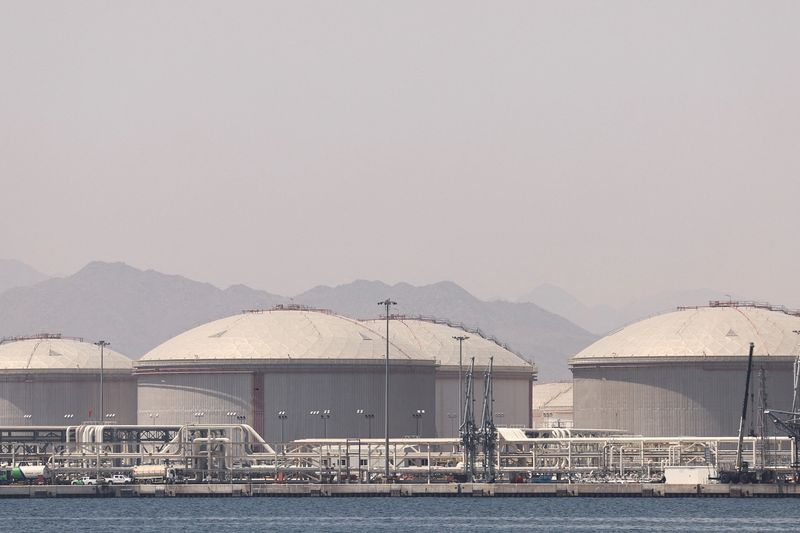
The reopening of the Strait of Hormuz, a critical chokepoint for global oil and LNG trade, is expected to alleviate supply disruptions. However, analysts warn that it will take time for stranded tankers to reroute and for the insurance market to adjust to reduced risks. Additionally, the conflict's impact on energy infrastructure and production capacity could delay a full recovery in oil supply, keeping markets cautious in the near term.
Diplomatic and Military Developments
President Donald Trump has suspended “Project Freedom,” a military operation aimed at escorting vessels through the Strait of Hormuz. This decision was made to prevent further clashes and maintain a fragile ceasefire while negotiations proceed. Trump described the progress in talks as “great,” though he emphasized that the U.S. military is prepared to resume operations if an agreement is not reached.
Despite optimism, several challenges remain in securing a final deal. Key sticking points include Iran’s control over the Strait of Hormuz and its nuclear program. Iranian officials have criticized the U.S.’s demands as unrealistic, while Israel has expressed concerns about any agreement that does not fully dismantle Iran’s nuclear and missile programs. These disagreements, coupled with internal divisions within Iran, highlight the complexity of achieving a lasting resolution.
 Sources



About the author






- Boosts Efforts End Iran War Trump Suspends Hormuz Plan
 yahoo
yahoo - Oil Slumps Report Iran Near Deal End Waryahoo
- Iran Evaluating Proposal End War China Calls Peaceyahoo
- Oil plunges reports US, Iran close deal end waryahoo