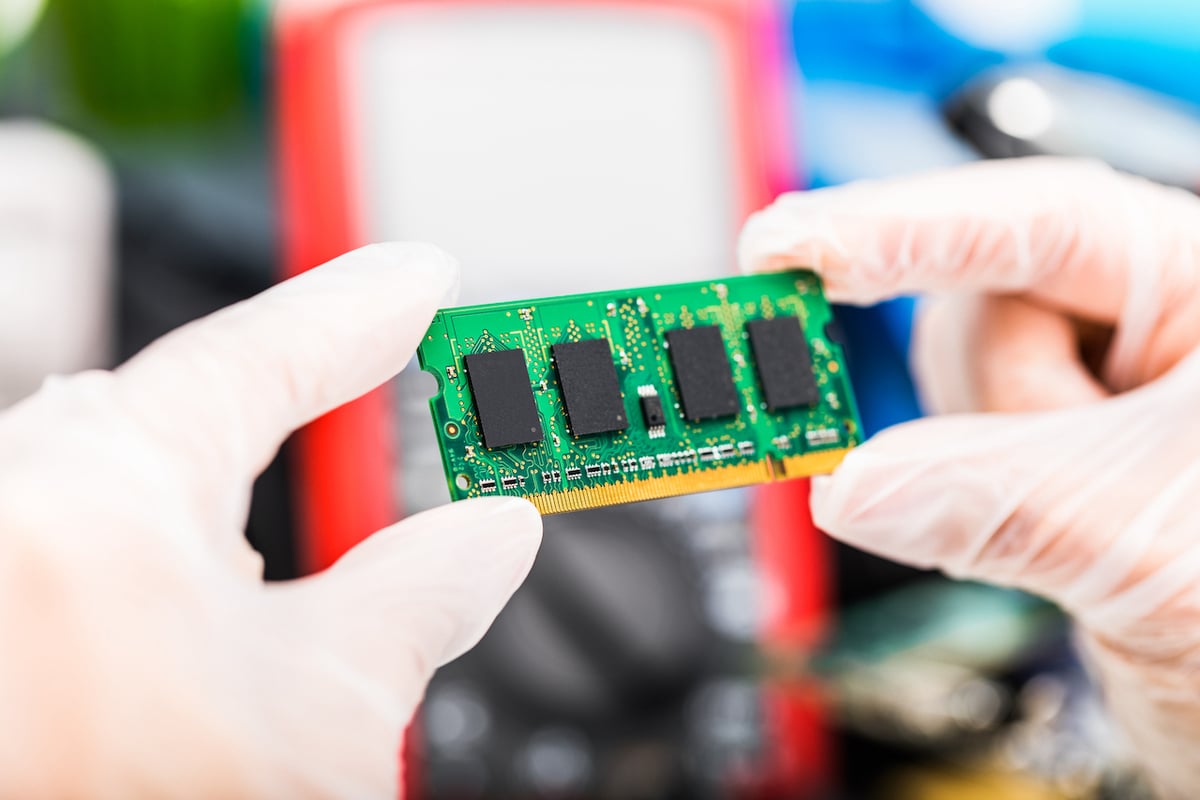
SK Hynix Surpasses $1 Trillion Market Value Amid AI Chip Demand
Written by Emily J. Thompson, Senior Investment Analyst
Updated: 51 minutes ago
0mins
Source: Newsfilter
- Stock Surge: SK Hynix shares jumped 11% on Wednesday, pushing its market capitalization above $1 trillion, reflecting strong investor interest in AI-related semiconductor stocks and indicating growing confidence in AI technology.
- Year-to-Date Growth: The stock has skyrocketed approximately 250% since the beginning of the year, primarily driven by surging demand for high-bandwidth memory chips used in AI servers and accelerators, highlighting the company's significance in the rapidly evolving AI market.
- Global Supply Chain Position: As a key supplier to AI chip giant Nvidia, SK Hynix has solidified its central role in the global AI supply chain, enhancing its market competitiveness and laying a foundation for future growth.
- Market Risk Warning: Despite both SK Hynix and Samsung Electronics surpassing $1 trillion in market value, analysts warn that this concentration could heighten market volatility and expose the benchmark to risks such as supply chain disruptions and a slowdown in global data center investment.
Trade with 70% Backtested Accuracy
Stop guessing "Should I Buy NVDA?" and start using high-conviction signals backed by rigorous historical data.
Sign up today to access powerful investing tools and make smarter, data-driven decisions.
Analyst Views on NVDA
Wall Street analysts forecast NVDA stock price to rise
41 Analyst Rating
39 Buy
1 Hold
1 Sell
Strong Buy
Current: 215.330

Low
200.00
Averages
264.97
High
352.00
Current: 215.330
Low
200.00
Averages
264.97
High
352.00
About NVDA
NVIDIA Corporation is an artificial intelligence (AI) infrastructure company. The Company is engaged in accelerated computing to help solve the challenging computational problems. Its segments include Compute & Networking and Graphics. The Compute & Networking segment includes its Data Center accelerated computing and networking platforms and AI solutions and software, and automotive platforms and autonomous and electric vehicle solutions, including software. The Graphics segment includes GeForce GPUs for gaming and personal computers (PCs), and Quadro/NVIDIA RTX GPUs for enterprise workstation graphics. Its technology stack includes the foundational NVIDIA CUDA development platform that runs on all NVIDIA GPUs, as well as hundreds of domain-specific software libraries, frameworks, algorithms, software development kits (SDKs), and application programming interfaces (APIs). Its platforms address four markets, which include Data Center, Gaming, Professional Visualization, and Automotive.
About the author

Emily J. Thompson
Emily J. Thompson, a Chartered Financial Analyst (CFA) with 12 years in investment research, graduated with honors from the Wharton School. Specializing in industrial and technology stocks, she provides in-depth analysis for Intellectia’s earnings and market brief reports.

Nvidia's Strong Earnings Mask Underlying Concerns

- Significant Revenue Growth: Nvidia reported an 85% revenue growth in Q1 of Fiscal 2027, surpassing the previous quarter's 73%, indicating strong demand for its AI chips; however, market concerns about future growth expectations have emerged.
- Increased Competition Risks: The company warned in its earnings report that some customers are developing their own ASICs and other products, which could erode Nvidia's market share and margins, raising investor concerns about future profitability.
- Stock Price Volatility Reasons: Despite a strong earnings report, Nvidia's stock fell by 0.88% post-release, reflecting that investor uncertainty about future growth may outweigh current performance metrics.
- Valuation Controversy: With a market cap of $5.2 trillion, Nvidia appears expensive, yet its forward P/E ratio of 25 suggests it could be undervalued; however, any slowdown in tech spending or increased competition could impact earnings projections, necessitating cautious investor sentiment.
See More
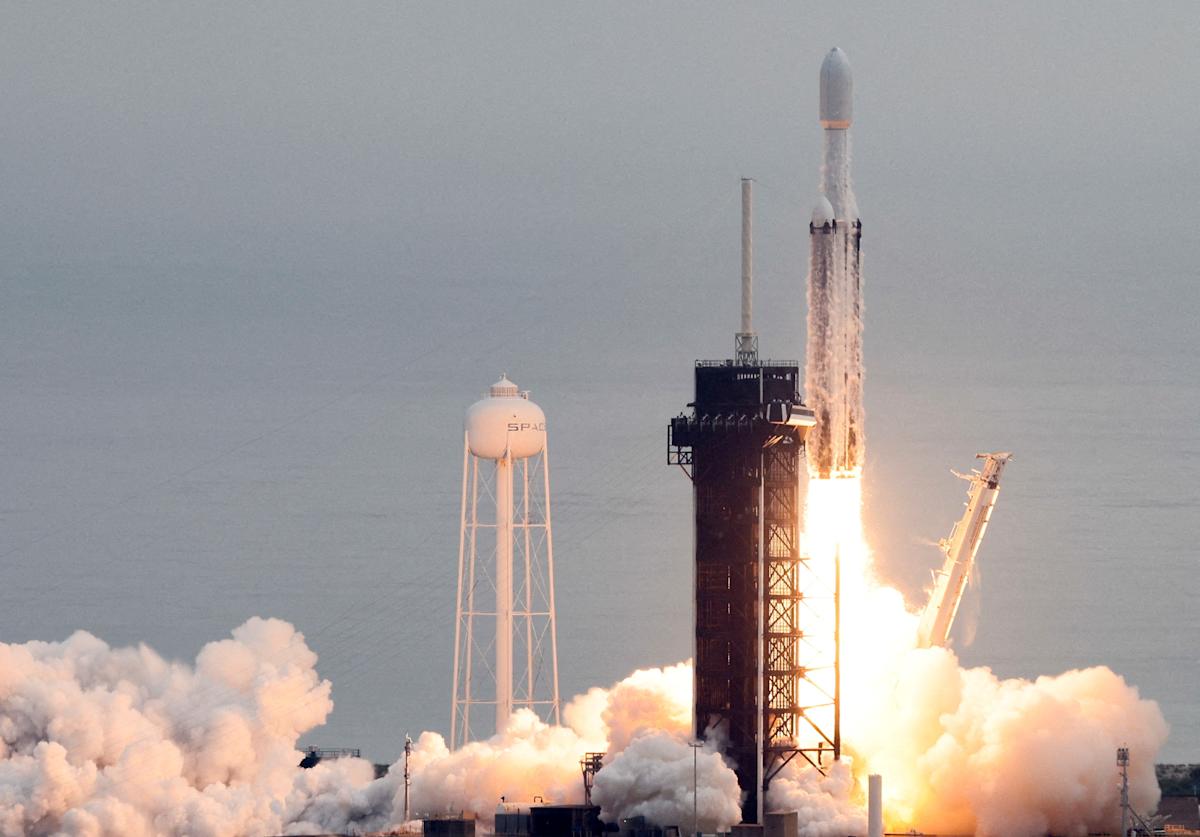
SpaceX IPO Sparks Tech Stock Rally
- SpaceX IPO Outlook: SpaceX filed its S-1 IPO prospectus seeking a $2 trillion valuation, showcasing its ambitions in AI infrastructure and interstellar travel, which is expected to attract investor interest in tech themes.
- Intensifying AI Competition: OpenAI and Anthropic are also reportedly planning to file for IPOs in the coming weeks, which is likely to further fuel the AI trading frenzy and create a new competitive landscape in the market.
- Nvidia Earnings Boost: Nvidia's quarterly results last week exceeded Wall Street expectations and provided an optimistic second-quarter outlook, offering strong support for AI-related stocks and boosting investor confidence.
- Positive Market Reaction: As several tech companies report earnings this week, investors are optimistic about future profit expectations, particularly for firms like Zscaler, Marvell, and Salesforce, which may further drive tech stock gains.
See More
Corsair Launches AI Workstations CORSAIR PRO Amid Strong Q1 Earnings

- AI Product Line Launch: Corsair has launched the CORSAIR PRO series of AI workstations and servers utilizing NVIDIA Grace Blackwell technology, aimed at meeting businesses' demand for secure in-house AI systems, thereby enhancing the company's competitive edge in the high-performance hardware market.
- Earnings Beat Expectations: Corsair reported Q1 earnings of $0.27 per share, exceeding market expectations of $0.18, with adjusted EBITDA growing 58% year-over-year, indicating strong growth potential in its AI business.
- Positive Market Reaction: Corsair's stock surged over 11% in Tuesday's trading, as investor confidence in the company's new AI offerings and robust earnings remained strong, potentially attracting more institutional investors in the short term.
- Retail Sentiment Shift: On Stocktwits, retail sentiment around Corsair shifted from 'bullish' to 'extremely bullish', with a 1,300% increase in message volume within 24 hours, reflecting strong market anticipation and optimism regarding potential revenues from its AI products.
See More

SpaceX Plans to Launch Historic IPO Targeting $2 Trillion Valuation

- IPO Overview: SpaceX filed to go public earlier this month, planning to list on Nasdaq under the ticker SPCX with a valuation target of around $1.75 trillion, potentially exceeding $2 trillion, which would make it the largest IPO in history, aiming to raise approximately $75 billion, significantly surpassing the record set by Saudi Aramco in 2019.
- Complex Financials: According to the prospectus, SpaceX's revenue reached about $18.7 billion in 2025, a 33% increase year-over-year, yet it reported a net loss of $4.9 billion, highlighting challenges in profitability, particularly as its only profitable segment, Starlink, faces declining average revenue per user while relying on cash from other loss-making segments.
- Starlink Performance: As SpaceX's primary revenue driver, Starlink generated $11.4 billion last year, accounting for 61% of total revenue, but its average monthly revenue per user dropped from $99 in 2023 to $66 by Q1 2026, reflecting increased market competition and pricing strategy adjustments.
- Historical Lessons and Risks: Despite SpaceX's valuation nearing $2 trillion, history shows that the largest IPOs often fail to meet expectations, as evidenced by Saudi Aramco and Alibaba's lackluster post-IPO performance, prompting investors to carefully assess SpaceX's future performance and the inherent risks associated with its unproven Starship program.
See More

SK Hynix Surpasses $1 Trillion Market Value Amid AI Chip Demand
- Stock Surge: SK Hynix shares jumped 11% on Wednesday, pushing its market capitalization above $1 trillion, reflecting strong investor interest in AI-related semiconductor stocks and indicating growing confidence in AI technology.
- Year-to-Date Growth: The stock has skyrocketed approximately 250% since the beginning of the year, primarily driven by surging demand for high-bandwidth memory chips used in AI servers and accelerators, highlighting the company's significance in the rapidly evolving AI market.
- Global Supply Chain Position: As a key supplier to AI chip giant Nvidia, SK Hynix has solidified its central role in the global AI supply chain, enhancing its market competitiveness and laying a foundation for future growth.
- Market Risk Warning: Despite both SK Hynix and Samsung Electronics surpassing $1 trillion in market value, analysts warn that this concentration could heighten market volatility and expose the benchmark to risks such as supply chain disruptions and a slowdown in global data center investment.
See More
SK Hynix Market Cap Surpasses $1 Trillion
- Stock Surge: SK Hynix shares jumped 11% on Wednesday, pushing its market capitalization above $1 trillion, reflecting strong investor interest in AI-linked semiconductor stocks and solidifying its key role in the global AI supply chain.
- Year-to-Date Performance: The company's stock has skyrocketed approximately 250% since the beginning of the year, primarily driven by surging demand for high-bandwidth memory chips used in AI servers and accelerators, showcasing its competitive advantage in a rapidly growing market.
- Market Impact: Together, SK Hynix and Samsung Electronics account for over 40% of South Korea's benchmark Kospi index, indicating that the index's performance is closely tied to global demand for AI-related semiconductors and memory chips, further influencing investor confidence.
- Risk Warning: Analysts have cautioned that increased market concentration could heighten volatility, leaving the benchmark more exposed to risks such as supply chain disruptions and a slowdown in global data center investment, urging investors to be mindful of potential market instability.
See More
Nvidia's Strong Earnings Mask Underlying Concerns
- Significant Revenue Growth: Nvidia reported an 85% revenue growth in Q1 of Fiscal 2027, surpassing the previous quarter's 73%, indicating strong demand for its AI chips; however, market concerns about future growth expectations have emerged.
- Increased Competition Risks: The company warned in its earnings report that some customers are developing their own ASICs and other products, which could erode Nvidia's market share and margins, raising investor concerns about future profitability.
- Stock Price Volatility Reasons: Despite a strong earnings report, Nvidia's stock fell by 0.88% post-release, reflecting that investor uncertainty about future growth may outweigh current performance metrics.
- Valuation Controversy: With a market cap of $5.2 trillion, Nvidia appears expensive, yet its forward P/E ratio of 25 suggests it could be undervalued; however, any slowdown in tech spending or increased competition could impact earnings projections, necessitating cautious investor sentiment.
See More
SpaceX IPO Sparks Tech Stock Rally
- SpaceX IPO Outlook: SpaceX filed its S-1 IPO prospectus seeking a $2 trillion valuation, showcasing its ambitions in AI infrastructure and interstellar travel, which is expected to attract investor interest in tech themes.
- Intensifying AI Competition: OpenAI and Anthropic are also reportedly planning to file for IPOs in the coming weeks, which is likely to further fuel the AI trading frenzy and create a new competitive landscape in the market.
- Nvidia Earnings Boost: Nvidia's quarterly results last week exceeded Wall Street expectations and provided an optimistic second-quarter outlook, offering strong support for AI-related stocks and boosting investor confidence.
- Positive Market Reaction: As several tech companies report earnings this week, investors are optimistic about future profit expectations, particularly for firms like Zscaler, Marvell, and Salesforce, which may further drive tech stock gains.
See More
Corsair Launches AI Workstations CORSAIR PRO Amid Strong Q1 Earnings
- AI Product Line Launch: Corsair has launched the CORSAIR PRO series of AI workstations and servers utilizing NVIDIA Grace Blackwell technology, aimed at meeting businesses' demand for secure in-house AI systems, thereby enhancing the company's competitive edge in the high-performance hardware market.
- Earnings Beat Expectations: Corsair reported Q1 earnings of $0.27 per share, exceeding market expectations of $0.18, with adjusted EBITDA growing 58% year-over-year, indicating strong growth potential in its AI business.
- Positive Market Reaction: Corsair's stock surged over 11% in Tuesday's trading, as investor confidence in the company's new AI offerings and robust earnings remained strong, potentially attracting more institutional investors in the short term.
- Retail Sentiment Shift: On Stocktwits, retail sentiment around Corsair shifted from 'bullish' to 'extremely bullish', with a 1,300% increase in message volume within 24 hours, reflecting strong market anticipation and optimism regarding potential revenues from its AI products.
See More
SpaceX Plans to Launch Historic IPO Targeting $2 Trillion Valuation
- IPO Overview: SpaceX filed to go public earlier this month, planning to list on Nasdaq under the ticker SPCX with a valuation target of around $1.75 trillion, potentially exceeding $2 trillion, which would make it the largest IPO in history, aiming to raise approximately $75 billion, significantly surpassing the record set by Saudi Aramco in 2019.
- Complex Financials: According to the prospectus, SpaceX's revenue reached about $18.7 billion in 2025, a 33% increase year-over-year, yet it reported a net loss of $4.9 billion, highlighting challenges in profitability, particularly as its only profitable segment, Starlink, faces declining average revenue per user while relying on cash from other loss-making segments.
- Starlink Performance: As SpaceX's primary revenue driver, Starlink generated $11.4 billion last year, accounting for 61% of total revenue, but its average monthly revenue per user dropped from $99 in 2023 to $66 by Q1 2026, reflecting increased market competition and pricing strategy adjustments.
- Historical Lessons and Risks: Despite SpaceX's valuation nearing $2 trillion, history shows that the largest IPOs often fail to meet expectations, as evidenced by Saudi Aramco and Alibaba's lackluster post-IPO performance, prompting investors to carefully assess SpaceX's future performance and the inherent risks associated with its unproven Starship program.
See More
SK Hynix Surpasses $1 Trillion Market Value Amid AI Chip Demand
- Stock Surge: SK Hynix shares jumped 11% on Wednesday, pushing its market capitalization above $1 trillion, reflecting strong investor interest in AI-related semiconductor stocks and indicating growing confidence in AI technology.
- Year-to-Date Growth: The stock has skyrocketed approximately 250% since the beginning of the year, primarily driven by surging demand for high-bandwidth memory chips used in AI servers and accelerators, highlighting the company's significance in the rapidly evolving AI market.
- Global Supply Chain Position: As a key supplier to AI chip giant Nvidia, SK Hynix has solidified its central role in the global AI supply chain, enhancing its market competitiveness and laying a foundation for future growth.
- Market Risk Warning: Despite both SK Hynix and Samsung Electronics surpassing $1 trillion in market value, analysts warn that this concentration could heighten market volatility and expose the benchmark to risks such as supply chain disruptions and a slowdown in global data center investment.
See More
SK Hynix Market Cap Surpasses $1 Trillion
- Stock Surge: SK Hynix shares jumped 11% on Wednesday, pushing its market capitalization above $1 trillion, reflecting strong investor interest in AI-linked semiconductor stocks and solidifying its key role in the global AI supply chain.
- Year-to-Date Performance: The company's stock has skyrocketed approximately 250% since the beginning of the year, primarily driven by surging demand for high-bandwidth memory chips used in AI servers and accelerators, showcasing its competitive advantage in a rapidly growing market.
- Market Impact: Together, SK Hynix and Samsung Electronics account for over 40% of South Korea's benchmark Kospi index, indicating that the index's performance is closely tied to global demand for AI-related semiconductors and memory chips, further influencing investor confidence.
- Risk Warning: Analysts have cautioned that increased market concentration could heighten volatility, leaving the benchmark more exposed to risks such as supply chain disruptions and a slowdown in global data center investment, urging investors to be mindful of potential market instability.
See More