Wells Fargo's Q1 Performance Falls Short of Expectations
Written by Emily J. Thompson, Senior Investment Analyst
Updated: 4 days ago
0mins


Should l Buy WFC?
Source: Yahoo Finance
- Lackluster Performance: Wells Fargo reported Q1 revenue exceeding $21.4 billion and net income nearing $5.3 billion, showing year-over-year growth, yet falling short of the $21.8 billion analyst expectations, indicating market disappointment.
- Interest Income Shortfall: Net interest income rose from $11.5 billion to $12.1 billion but missed the $12.3 billion forecast, reflecting challenges the bank faces in the current interest rate environment, which could impact future profitability.
- Weak Investment Banking: Investment banking fees and the credit quality of the loan portfolio also disappointed, and while overall revenue and profits increased, these red flags may undermine investor confidence and lead to stock price volatility.
- Market Reaction and Opportunity: Despite a 5% drop in stock price, the market's reaction may be overly pessimistic, as analysts are likely to adjust future expectations; Wells Fargo still has potential for stable growth moving forward, with a current dividend yield of 2.3% providing appeal to investors.
Trade with 70% Backtested Accuracy
Stop guessing "Should I Buy WFC?" and start using high-conviction signals backed by rigorous historical data.
Sign up today to access powerful investing tools and make smarter, data-driven decisions.
Analyst Views on WFC
Wall Street analysts forecast WFC stock price to rise
17 Analyst Rating
10 Buy
6 Hold
1 Sell
Moderate Buy
Current: 81.250

Low
74.00
Averages
98.66
High
113.00
Current: 81.250
Low
74.00
Averages
98.66
High
113.00
About WFC
Wells Fargo & Company is a financial services company. The Company provides a diversified set of banking, investment and mortgage products and services, as well as consumer and commercial finance, to individuals, businesses and institutions. The Company operates through four segments: Consumer Banking and Lending, Commercial Banking, Corporate and Investment Banking, and Wealth & Investment Management. The Company provides consumer financial products and services, including checking and savings accounts, credit and debit cards, and auto, residential mortgage, and small business lending. In addition, the Company offers financial planning, private banking, investment management, and fiduciary services. It also provides financial solutions to businesses through products and services including traditional commercial loans and lines of credit, letters of credit, asset-based lending and leasing, trade financing, treasury management, and investment banking services.
About the author

Emily J. Thompson
Emily J. Thompson, a Chartered Financial Analyst (CFA) with 12 years in investment research, graduated with honors from the Wharton School. Specializing in industrial and technology stocks, she provides in-depth analysis for Intellectia’s earnings and market brief reports.
Stocks Surge to Record Highs on Iran Peace Deal Hopes


- Market Rebound: The S&P 500 surged 4% last week, closing above 7,100 for the first time, while the Nasdaq achieved its longest winning streak since 1992 with 13 consecutive days of gains, reflecting optimism over a potential peace deal with Iran.
- Rapid Recovery: The S&P 500 rebounded from near correction territory (down about 9%) to an all-time high in just 11 trading days, marking the fastest recovery since at least 1990, indicating strong investor sentiment amid geopolitical developments.
- Software Stock Comeback: Beaten-down software stocks like Microsoft, CrowdStrike, and Salesforce emerged as top gainers, with Microsoft up 14% week-to-date, CrowdStrike gaining 11.9%, and Salesforce rising 10.4%, suggesting a renewed confidence in the software sector.
- Strong Consumer Spending: JPMorgan reported consumer spending growth exceeding 2025 levels, with credit card spending volume up 9% year-over-year, showcasing resilience among consumers and small businesses despite market volatility driven by the war.
See More
Banking Sector Shows Resilience Amid Geopolitical Turmoil

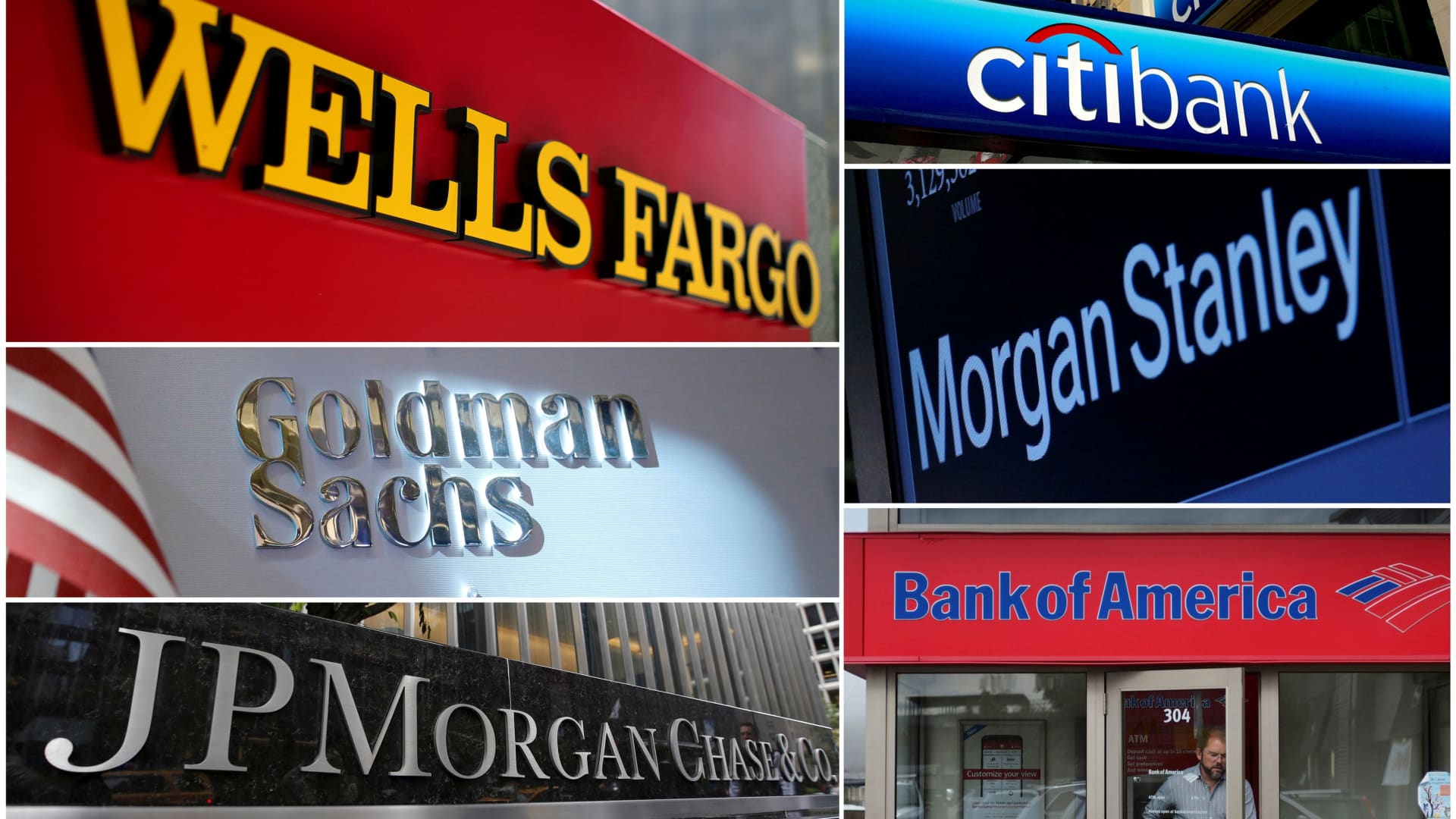
- Investment Banking Surge: Goldman Sachs reported a 48% year-over-year increase in investment banking revenue to $2.48 billion, with CEO David Solomon noting a robust investment banking environment, which significantly contributes to advisory fees and capital market revenues, showcasing the firm's strength in M&A and IPOs.
- Credit Card Growth: Despite a slight overall revenue miss, Wells Fargo's new credit card account openings surged nearly 60% year-over-year, with the consumer banking and lending division seeing a 6.6% revenue increase in Q1, indicating strong consumer spending resilience even amid rising oil prices, enhancing the bank's profitability.
- Trading Desk Performance: The volatility from the Iran-U.S. conflict led to a 27% year-over-year increase in Goldman’s equities revenue, reaching a record $5.33 billion, as clients actively repositioned portfolios, reflecting the firm's execution capabilities and risk management in a dynamic environment.
- Market Adaptability: While geopolitical uncertainty affected some deals, Morgan Stanley and Bank of America saw trading revenues rise by 29% and 30% respectively, demonstrating that banks can still capitalize on market fluctuations, highlighting their ability to adapt to changing market conditions.
See More
Market Preview: Oil Prices Drop, iPhone Shipments Surge


- Oil Price Decline: Oil prices fell approximately 10% after Iran declared the Strait of Hormuz open for commercial traffic during a 10-day ceasefire between Israel and Lebanon, which could negatively impact the earnings of related energy companies.
- Surge in iPhone Shipments: According to CounterPoint Research, iPhone shipments in China increased by 20% in Q1, despite an overall decline in the smartphone market due to soaring memory costs, providing a positive outlook for Apple's primary revenue source.
- Netflix Price Target Cuts: Barclays lowered Netflix's price target from $115 to $110, with Wolfe Research and Rosenblatt also cutting theirs to $107 and $95 respectively, leading to a more than 9% drop in shares, reflecting market concerns about its future performance.
- Target Price Adjustments: Several companies, including Danaher and Abbott Laboratories, saw their price targets cut, with Danaher's target reduced from $220 to $205 due to concerns over its legacy business, while Abbott's target was lowered to $120 by multiple firms, although all maintained a buy rating.
See More

Wells Fargo Predicts Gold Could Surge to $8,000
- Gold Price Forecast: Wells Fargo predicts that gold prices could surge to $8,000 by 2027, based on current levels near $4,500, indicating over 66% upside potential, reflecting a trend of central banks selling fiat currencies.
- Economic Scenario Analysis: Chief Equity Strategist Ohsung Kwon notes that four out of five economic scenarios suggest further debasement, indicating sustained demand for gold as a safe haven asset, which will drive prices higher.
- History of Debasement Cycles: Kwon identifies the current debasement cycle, triggered by Russia's invasion of Ukraine in 2022, with central banks increasing gold purchases; historically, such cycles last an average of 8.5 years, and this one is currently 3.5 years in.
- Bear Market Scenario: Despite the bullish outlook, Wells Fargo also presents a bear case where gold prices could decline to $4,000 by the end of 2027, representing a roughly 17% drop from current levels, highlighting market uncertainties.
See More
CNBC Investing Club April Meeting Highlights


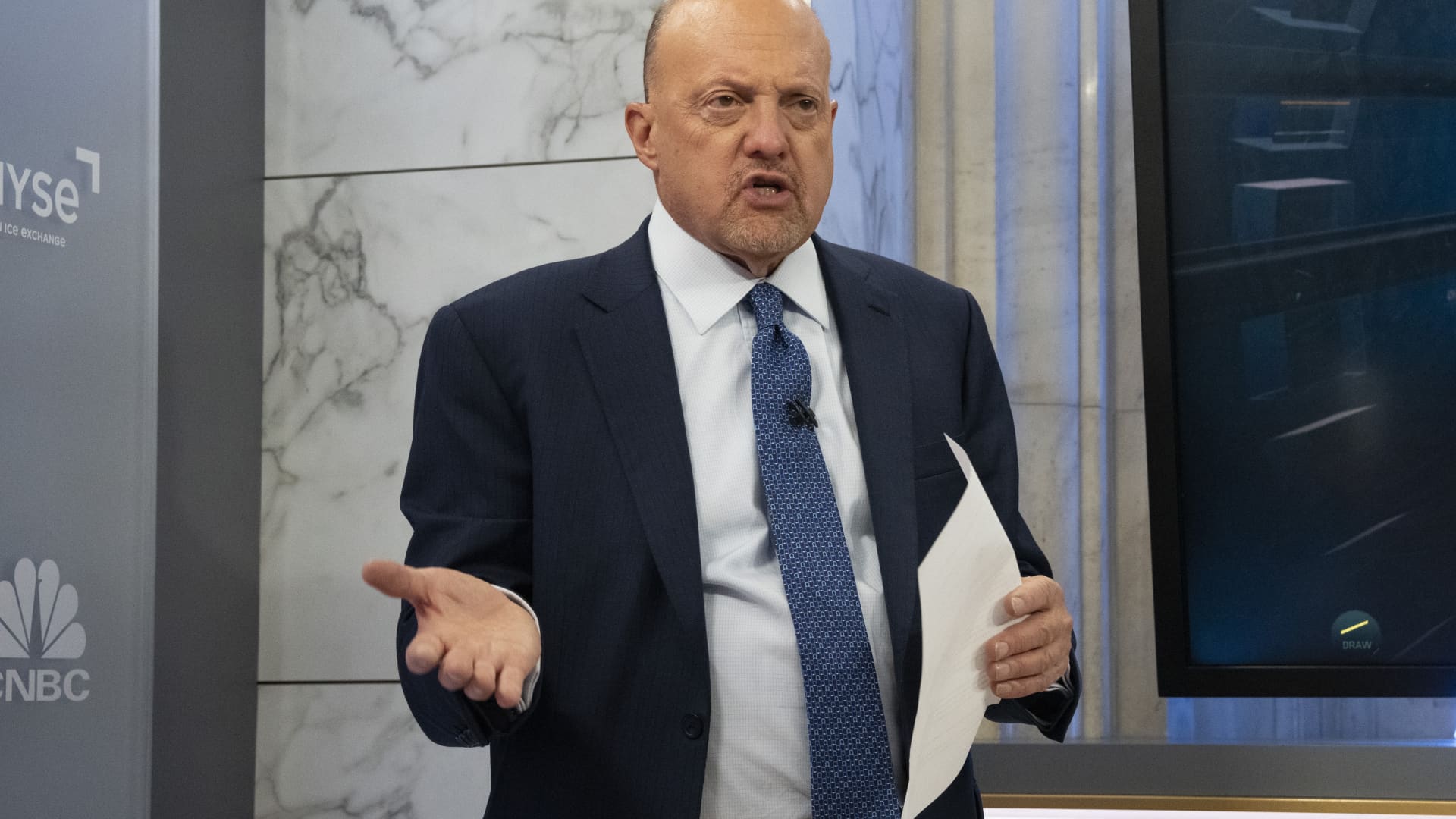
- Market Rebound Analysis: The S&P 500 index reached a record high in April, marking a significant recovery from the Iran war sell-off, indicating a renewed focus on company fundamentals despite the ongoing conflict, which underscores the importance of investor calmness.
- Nike Investment Reflection: Despite insider buying signals prompting us to increase our stake in Nike last December, we are now skeptical about CEO Elliott Hill's ability to turn the company around, and if next quarter's performance is disappointing, we will consider exiting.
- Amazon Cloud Business Recovery: Amazon's stock rebound highlights the importance of patience, as the market is gradually recognizing the strength of its AWS cloud division and online retail business, which are expected to continue growing in the future.
- Nvidia Market Leadership: Nvidia's leading position in the AI chip sector is paying off, and despite competitive pressures, its advantage in computing power positions it well to maintain market leadership going forward.
See More
Goldman Sachs' Fixed Income Division Reports Disappointing Results

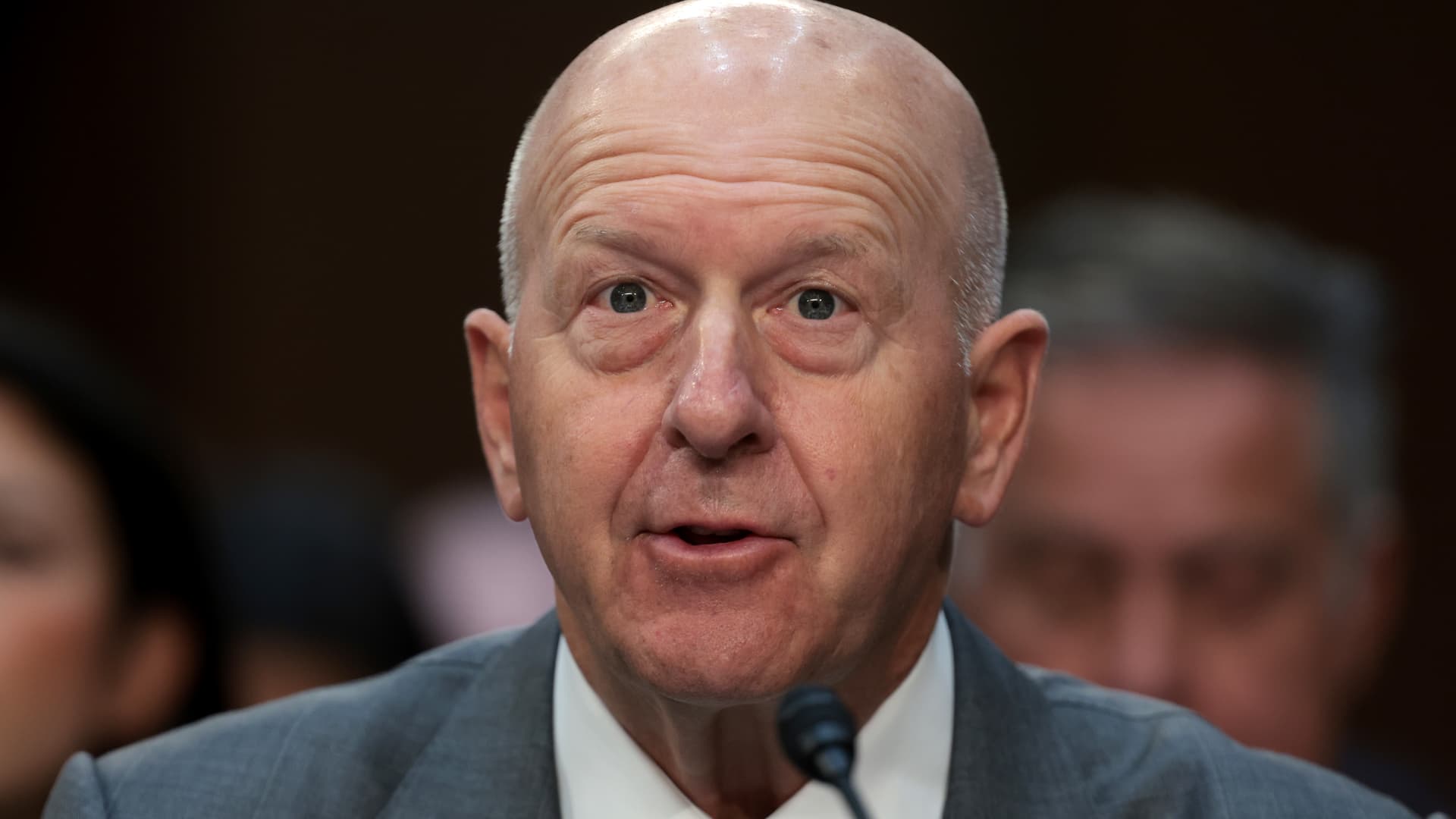
- Fixed Income Revenue Decline: Goldman Sachs reported a 10% drop in fixed income revenue for Q1, totaling $910 million, significantly missing analysts' expectations, which may lead to decreased investor confidence in the firm's trading capabilities.
- Rivals' Strong Performance: While Goldman struggled, JPMorgan's fixed income trading revenue surged 21% to $7.1 billion, with Morgan Stanley and Citigroup also posting 29% and 13% increases respectively, highlighting Goldman's relative underperformance in the industry.
- Market Environment Shift: The surge in oil prices due to the Iran war altered inflation expectations, leading to perceived missteps in Goldman’s interest rate trades, indicating a lack of responsiveness to changing market dynamics that could impact future trading strategies.
- Management Response: CEO David Solomon acknowledged the disappointing fixed income results but emphasized the overall strong performance of the diversified business, reflecting confidence in the company's strategy, although the market reacted negatively, causing a drop in shares by about 4%.
See More
Stocks Surge to Record Highs on Iran Peace Deal Hopes
- Market Rebound: The S&P 500 surged 4% last week, closing above 7,100 for the first time, while the Nasdaq achieved its longest winning streak since 1992 with 13 consecutive days of gains, reflecting optimism over a potential peace deal with Iran.
- Rapid Recovery: The S&P 500 rebounded from near correction territory (down about 9%) to an all-time high in just 11 trading days, marking the fastest recovery since at least 1990, indicating strong investor sentiment amid geopolitical developments.
- Software Stock Comeback: Beaten-down software stocks like Microsoft, CrowdStrike, and Salesforce emerged as top gainers, with Microsoft up 14% week-to-date, CrowdStrike gaining 11.9%, and Salesforce rising 10.4%, suggesting a renewed confidence in the software sector.
- Strong Consumer Spending: JPMorgan reported consumer spending growth exceeding 2025 levels, with credit card spending volume up 9% year-over-year, showcasing resilience among consumers and small businesses despite market volatility driven by the war.
See More
Banking Sector Shows Resilience Amid Geopolitical Turmoil
- Investment Banking Surge: Goldman Sachs reported a 48% year-over-year increase in investment banking revenue to $2.48 billion, with CEO David Solomon noting a robust investment banking environment, which significantly contributes to advisory fees and capital market revenues, showcasing the firm's strength in M&A and IPOs.
- Credit Card Growth: Despite a slight overall revenue miss, Wells Fargo's new credit card account openings surged nearly 60% year-over-year, with the consumer banking and lending division seeing a 6.6% revenue increase in Q1, indicating strong consumer spending resilience even amid rising oil prices, enhancing the bank's profitability.
- Trading Desk Performance: The volatility from the Iran-U.S. conflict led to a 27% year-over-year increase in Goldman’s equities revenue, reaching a record $5.33 billion, as clients actively repositioned portfolios, reflecting the firm's execution capabilities and risk management in a dynamic environment.
- Market Adaptability: While geopolitical uncertainty affected some deals, Morgan Stanley and Bank of America saw trading revenues rise by 29% and 30% respectively, demonstrating that banks can still capitalize on market fluctuations, highlighting their ability to adapt to changing market conditions.
See More
Market Preview: Oil Prices Drop, iPhone Shipments Surge
- Oil Price Decline: Oil prices fell approximately 10% after Iran declared the Strait of Hormuz open for commercial traffic during a 10-day ceasefire between Israel and Lebanon, which could negatively impact the earnings of related energy companies.
- Surge in iPhone Shipments: According to CounterPoint Research, iPhone shipments in China increased by 20% in Q1, despite an overall decline in the smartphone market due to soaring memory costs, providing a positive outlook for Apple's primary revenue source.
- Netflix Price Target Cuts: Barclays lowered Netflix's price target from $115 to $110, with Wolfe Research and Rosenblatt also cutting theirs to $107 and $95 respectively, leading to a more than 9% drop in shares, reflecting market concerns about its future performance.
- Target Price Adjustments: Several companies, including Danaher and Abbott Laboratories, saw their price targets cut, with Danaher's target reduced from $220 to $205 due to concerns over its legacy business, while Abbott's target was lowered to $120 by multiple firms, although all maintained a buy rating.
See More
Wells Fargo Predicts Gold Could Surge to $8,000
- Gold Price Forecast: Wells Fargo predicts that gold prices could surge to $8,000 by 2027, based on current levels near $4,500, indicating over 66% upside potential, reflecting a trend of central banks selling fiat currencies.
- Economic Scenario Analysis: Chief Equity Strategist Ohsung Kwon notes that four out of five economic scenarios suggest further debasement, indicating sustained demand for gold as a safe haven asset, which will drive prices higher.
- History of Debasement Cycles: Kwon identifies the current debasement cycle, triggered by Russia's invasion of Ukraine in 2022, with central banks increasing gold purchases; historically, such cycles last an average of 8.5 years, and this one is currently 3.5 years in.
- Bear Market Scenario: Despite the bullish outlook, Wells Fargo also presents a bear case where gold prices could decline to $4,000 by the end of 2027, representing a roughly 17% drop from current levels, highlighting market uncertainties.
See More
CNBC Investing Club April Meeting Highlights
- Market Rebound Analysis: The S&P 500 index reached a record high in April, marking a significant recovery from the Iran war sell-off, indicating a renewed focus on company fundamentals despite the ongoing conflict, which underscores the importance of investor calmness.
- Nike Investment Reflection: Despite insider buying signals prompting us to increase our stake in Nike last December, we are now skeptical about CEO Elliott Hill's ability to turn the company around, and if next quarter's performance is disappointing, we will consider exiting.
- Amazon Cloud Business Recovery: Amazon's stock rebound highlights the importance of patience, as the market is gradually recognizing the strength of its AWS cloud division and online retail business, which are expected to continue growing in the future.
- Nvidia Market Leadership: Nvidia's leading position in the AI chip sector is paying off, and despite competitive pressures, its advantage in computing power positions it well to maintain market leadership going forward.
See More
Goldman Sachs' Fixed Income Division Reports Disappointing Results
- Fixed Income Revenue Decline: Goldman Sachs reported a 10% drop in fixed income revenue for Q1, totaling $910 million, significantly missing analysts' expectations, which may lead to decreased investor confidence in the firm's trading capabilities.
- Rivals' Strong Performance: While Goldman struggled, JPMorgan's fixed income trading revenue surged 21% to $7.1 billion, with Morgan Stanley and Citigroup also posting 29% and 13% increases respectively, highlighting Goldman's relative underperformance in the industry.
- Market Environment Shift: The surge in oil prices due to the Iran war altered inflation expectations, leading to perceived missteps in Goldman’s interest rate trades, indicating a lack of responsiveness to changing market dynamics that could impact future trading strategies.
- Management Response: CEO David Solomon acknowledged the disappointing fixed income results but emphasized the overall strong performance of the diversified business, reflecting confidence in the company's strategy, although the market reacted negatively, causing a drop in shares by about 4%.
See More