Ralph Lauren's Brand Strategy Proves Successful
- Brand Elevation Success: Citi Research analyst Paul Lejuez upgraded Ralph Lauren's stock from Neutral to Buy, citing the company's successful implementation of its brand elevation strategy amidst current macroeconomic volatility, achieving significant unit retail growth over the past few years, which validates its turnaround plan.
- Sustained Customer Growth: Ralph Lauren has added 1.5M to 2M new customers each quarter over the past two years, with a recent holiday quarter showing an increase to 2.1M new customers compared to 1.9M in the same period of 2024, notably attracting a significant portion of Gen Z and Millennials, demonstrating the brand's appeal to younger consumers.
- Earnings Estimates Raised: Lejuez raised his EPS estimates for FY26/27/28 to $16.54, $19.47, and $22.84, respectively, exceeding prior estimates and consensus, with expectations that the company will easily surpass conservative FY27 guidance.
- Buying Opportunity Identified: Despite a 7% decline in shares over the past month, Lejuez views this as a buying opportunity given the company's historical performance (+204% over the past three years) and has raised his price target by 11% to $400, indicating an 18% upside from Monday's close.
Trade with 70% Backtested Accuracy
Analyst Views on RL

About RL
About the author

U.S. Stocks Edge Up as PepsiCo and TSMC Shine


- PepsiCo's Quarter Performance: PepsiCo achieved its first volume growth in North American food business in two years, with CEO Ramon Laguarta addressing the industry's threat from GLP-1 weight-loss drugs, leading to a 1% rise in shares, demonstrating the company's resilience and adaptability in a competitive consumer goods market.
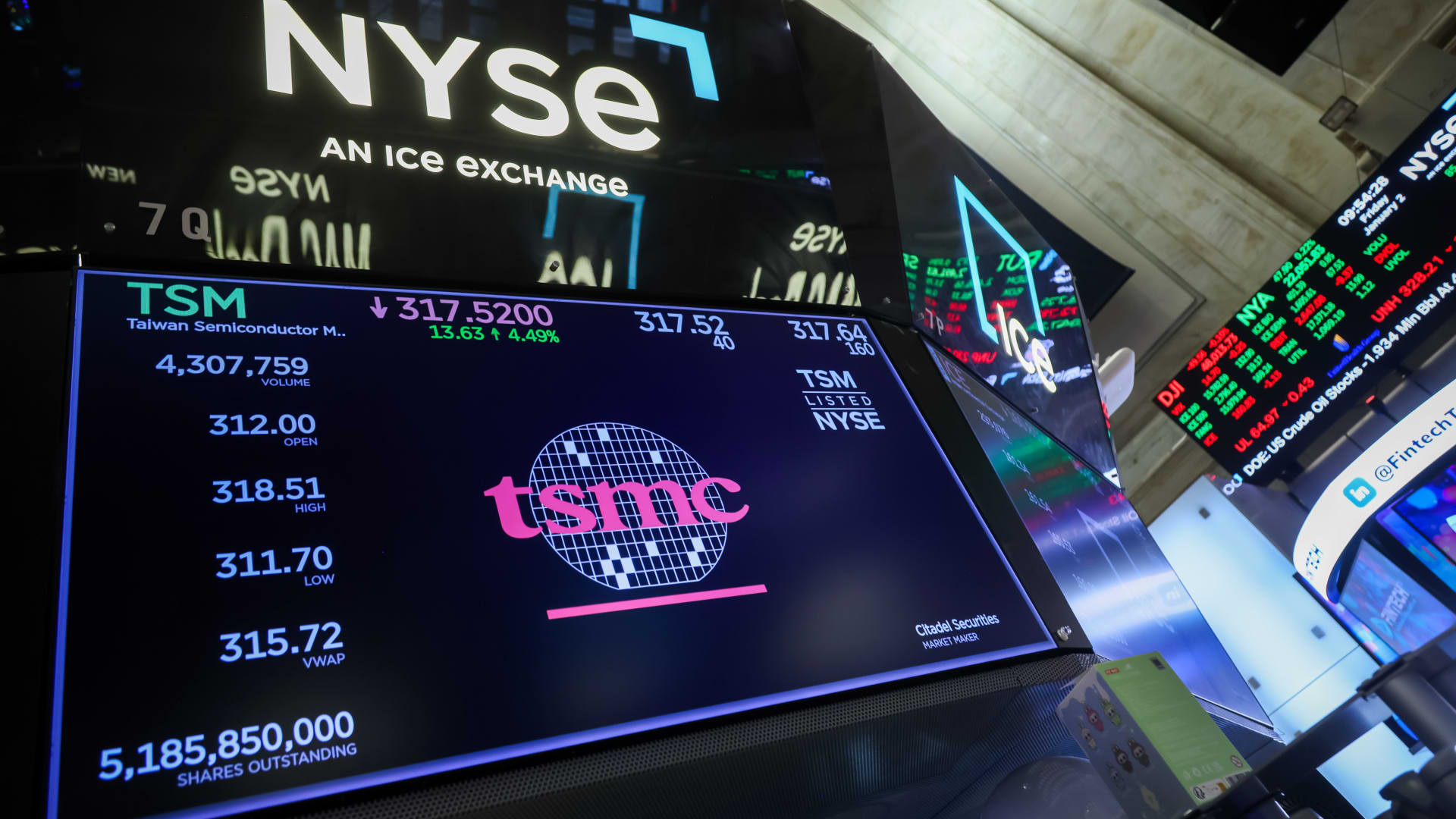
- TSMC Profit Surge: TSMC reported a 58% year-over-year profit increase, despite facing challenges with shortages of industrial gases; management noted a 'little bit softer' memory pricing, indicating ongoing demand and competitive pressures in advanced chip manufacturing that could impact future profitability.
- J.B. Hunt Transport Services: J.B. Hunt indicated the start of a new cycle with positive demand signals, reporting a first-quarter earnings beat and a 1% premarket share increase, reflecting potential growth opportunities in the transportation sector.
- Analyst Rating Changes: JPMorgan downgraded Corning to hold and cut its price target from $175 to $115, citing the need for greater earnings visibility to support stock upside, indicating a cautious market outlook on the company's future performance.

Top 5 Consumer Stocks to Buy Amid Challenges


- Netflix Growth Potential: Netflix surpassed 325 million paid memberships in Q4 2025, driven by a rich portfolio of localized and foreign-language content, with an ambitious target to double revenue by 2030 and reach a $1 trillion market cap, indicating strong market appeal.
- Ralph Lauren Business Enhancement: Ralph Lauren's execution of the 'Next Great Chapter: Drive Plan' focuses on brand elevation and operational agility, with expected revenue growth in fiscal 2026 in the high-single to low-double digits, showcasing robust performance in global markets.
- Roku Advertising Ecosystem: Roku's growth in platform revenues is supported by accelerating streaming adoption, with expected revenue and earnings growth rates of 16.3% and over 100% for 2026, highlighting its strong competitive position in the advertising market.
- Take-Two Release Pipeline: Take-Two benefits from steady net bookings growth driven by a strong release pipeline and mobile portfolio, with expected revenue and earnings growth rates of 37.3% and over 100% for fiscal 2026, demonstrating its strong potential in the gaming industry.

Iran Ceasefire Boosts U.S. Stock Rally

- Market Rally: The Iran ceasefire has reduced the risk of broader conflict in the Middle East, leading to a surge in U.S. stocks, particularly in the apparel and footwear sectors, which are sensitive to freight and synthetic fiber costs, indicating a renewed optimism about economic stability.
- Luxury Stocks Surge: Luxury brands like Ralph Lauren and Tapestry saw increases of 6.9% and 7.2% respectively, reflecting a rebound in consumer confidence that is driving recovery in the high-end goods market, suggesting strong demand in the luxury sector.
- Apparel Sector Performance: Kontoor Brands and Canada Goose rose by 7.8% and 6.8%, showcasing robust performance in the apparel industry amid economic recovery, which may attract more investor interest in potential growth opportunities within this sector.
- Footwear Market Activity: On Holding AG and Birkenstock increased by 7.2% and 7.0%, indicating strong consumer demand for footwear products, further boosting overall market sentiment and potentially signaling future sales growth.

Calvin Klein's Parent Company Could Be the Best Value in the Market


Stock Performance: PVH Corp's stock has struggled for years but shows potential for recovery, with recent earnings reports indicating strong cash flow and improving financial conditions.
Market Trends: Analysts suggest that trends in retail will continue positively, highlighting the value opportunity in PVH's stock, which is trading at a low price-to-earnings ratio compared to peers.
Growth Strategy: The company's successful execution of its PVH+ strategy focuses on brand appeal and direct-to-consumer sales, which is expected to drive consistent growth and capital returns.
Future Outlook: Analysts maintain a positive sentiment towards PVH, with forecasts indicating potential price targets that suggest significant upside, while also noting the importance of consumer trends and market conditions.
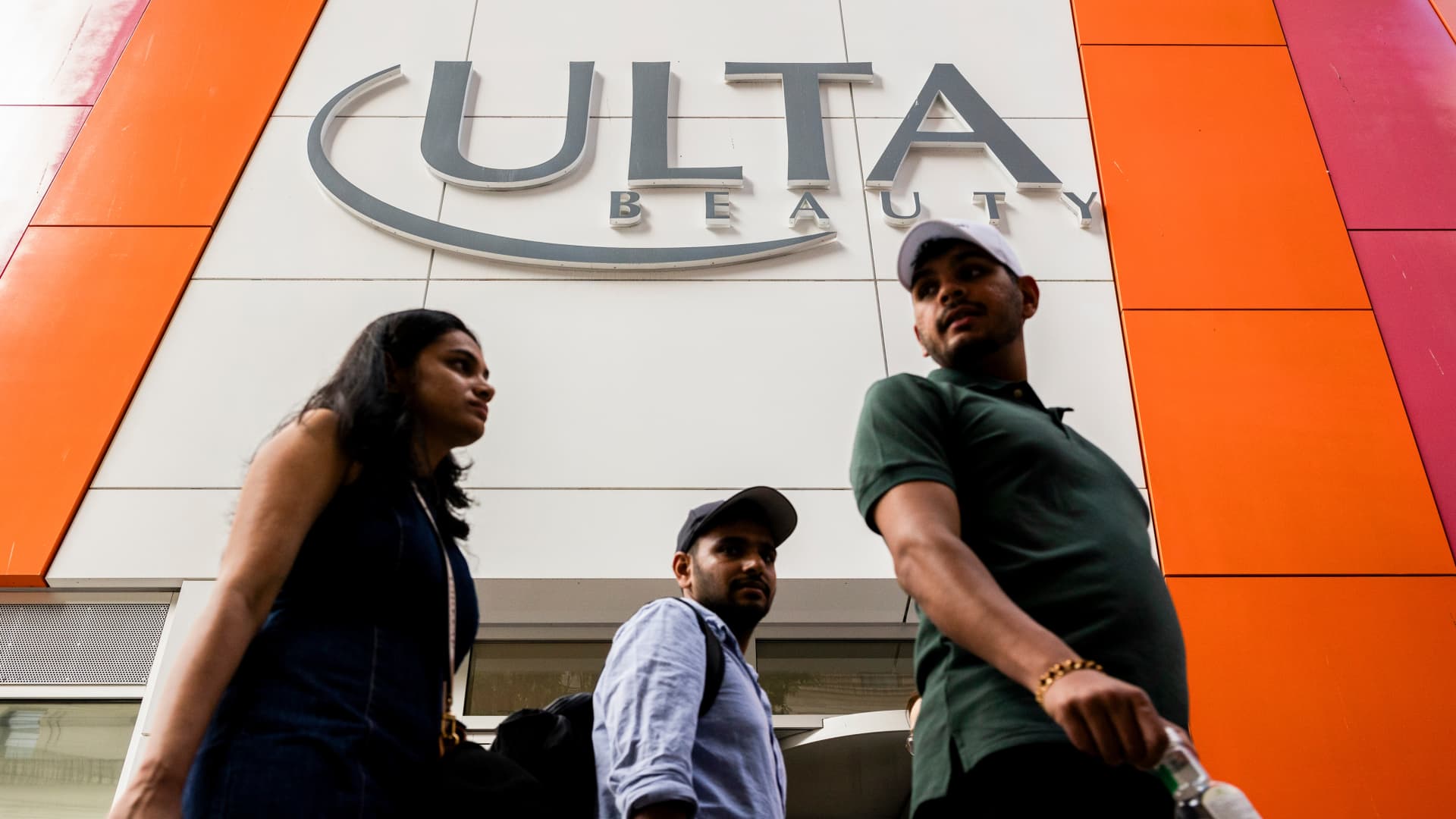
Analysis of Retail Sector Impact from Rising Oil Prices


- Impact of Rising Oil Prices: Brent crude futures have surged above $110 per barrel due to the ongoing Middle East conflict, with diesel prices exceeding $5 per gallon for the first time since 2022, potentially imposing secondary effects on the U.S. retail sector and increasing household budget pressures.
- Advantage of Higher-Income Customers: Deutsche Bank analysts noted that retailers like Ulta Beauty and Costco, which cater to higher-income demographics, have historically shown a positive correlation between sales and rising oil prices, indicating better sales performance in such environments.
- Pressure on Lower-Income Customers: Conversely, retailers like BJ's Wholesale Club and Burlington Stores, which primarily serve lower-income customers, exhibit negative sales correlations with rising gas prices, highlighting a trend where lower-income consumers reduce spending as fuel costs increase.
- Inventory Management Strategy: Despite the risks associated with rising input costs, many global brands, including Amer Sports and Birkenstock, maintain over 200 days of finished goods inventory, which helps mitigate near-term margin pressures and ensures market stability amid supply chain disruptions.
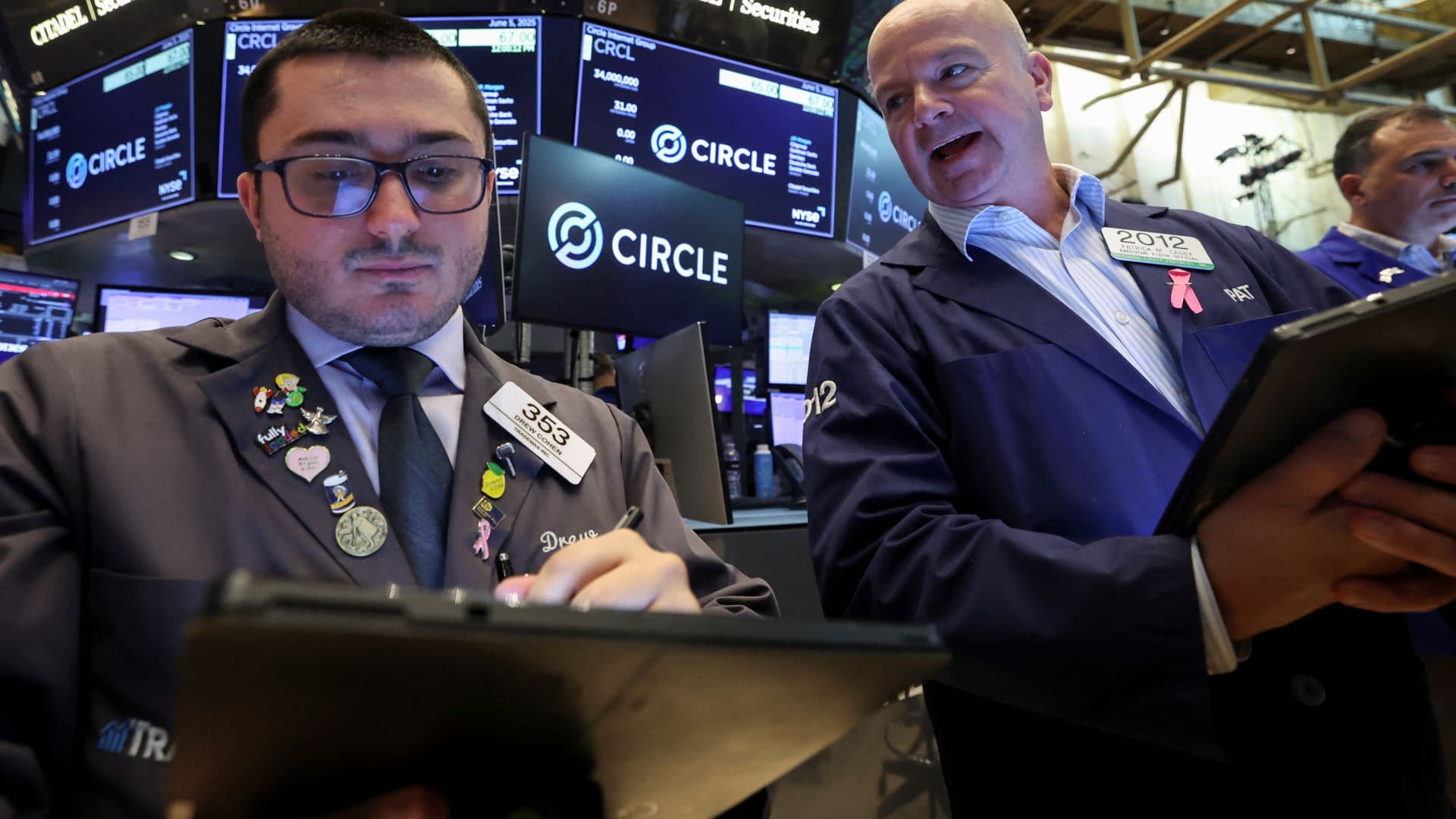
Circle's Shares Plunge 19% Following Tether's Audit Announcement


- Stablecoin Market Turmoil: Circle's shares plummeted approximately 19% after rival Tether announced it hired a Big Four accounting firm to audit its USDT reserves, raising concerns over transparency in the stablecoin market and potentially undermining investor confidence and market stability.
- SAP Rating Downgrade: SAP's stock fell 4% following JPMorgan's downgrade from overweight to neutral and a price target reduction from €260 to €175, with analysts noting that the company's cloud backlog is likely to decelerate further as the migration base matures, increasing uncertainty around future performance.
- Surge in Optical Component Demand: Applied Optoelectronics saw a 14% increase in shares after announcing a new order for 800G data center transceivers from a major hyperscale customer, which not only boosts revenue expectations but also strengthens its market position in the optical manufacturing sector.
- Network Equipment Market Shift: Netgear's stock surged 16% after the FCC banned imports of consumer routers made abroad due to national security risks, a policy change that is likely to enhance Netgear's competitive advantage in the domestic market.
U.S. Stocks Edge Up as PepsiCo and TSMC Shine
- PepsiCo's Quarter Performance: PepsiCo achieved its first volume growth in North American food business in two years, with CEO Ramon Laguarta addressing the industry's threat from GLP-1 weight-loss drugs, leading to a 1% rise in shares, demonstrating the company's resilience and adaptability in a competitive consumer goods market.
- TSMC Profit Surge: TSMC reported a 58% year-over-year profit increase, despite facing challenges with shortages of industrial gases; management noted a 'little bit softer' memory pricing, indicating ongoing demand and competitive pressures in advanced chip manufacturing that could impact future profitability.
- J.B. Hunt Transport Services: J.B. Hunt indicated the start of a new cycle with positive demand signals, reporting a first-quarter earnings beat and a 1% premarket share increase, reflecting potential growth opportunities in the transportation sector.
- Analyst Rating Changes: JPMorgan downgraded Corning to hold and cut its price target from $175 to $115, citing the need for greater earnings visibility to support stock upside, indicating a cautious market outlook on the company's future performance.
Top 5 Consumer Stocks to Buy Amid Challenges
- Netflix Growth Potential: Netflix surpassed 325 million paid memberships in Q4 2025, driven by a rich portfolio of localized and foreign-language content, with an ambitious target to double revenue by 2030 and reach a $1 trillion market cap, indicating strong market appeal.
- Ralph Lauren Business Enhancement: Ralph Lauren's execution of the 'Next Great Chapter: Drive Plan' focuses on brand elevation and operational agility, with expected revenue growth in fiscal 2026 in the high-single to low-double digits, showcasing robust performance in global markets.
- Roku Advertising Ecosystem: Roku's growth in platform revenues is supported by accelerating streaming adoption, with expected revenue and earnings growth rates of 16.3% and over 100% for 2026, highlighting its strong competitive position in the advertising market.
- Take-Two Release Pipeline: Take-Two benefits from steady net bookings growth driven by a strong release pipeline and mobile portfolio, with expected revenue and earnings growth rates of 37.3% and over 100% for fiscal 2026, demonstrating its strong potential in the gaming industry.
Iran Ceasefire Boosts U.S. Stock Rally
- Market Rally: The Iran ceasefire has reduced the risk of broader conflict in the Middle East, leading to a surge in U.S. stocks, particularly in the apparel and footwear sectors, which are sensitive to freight and synthetic fiber costs, indicating a renewed optimism about economic stability.
- Luxury Stocks Surge: Luxury brands like Ralph Lauren and Tapestry saw increases of 6.9% and 7.2% respectively, reflecting a rebound in consumer confidence that is driving recovery in the high-end goods market, suggesting strong demand in the luxury sector.
- Apparel Sector Performance: Kontoor Brands and Canada Goose rose by 7.8% and 6.8%, showcasing robust performance in the apparel industry amid economic recovery, which may attract more investor interest in potential growth opportunities within this sector.
- Footwear Market Activity: On Holding AG and Birkenstock increased by 7.2% and 7.0%, indicating strong consumer demand for footwear products, further boosting overall market sentiment and potentially signaling future sales growth.
Calvin Klein's Parent Company Could Be the Best Value in the Market
Stock Performance: PVH Corp's stock has struggled for years but shows potential for recovery, with recent earnings reports indicating strong cash flow and improving financial conditions.
Market Trends: Analysts suggest that trends in retail will continue positively, highlighting the value opportunity in PVH's stock, which is trading at a low price-to-earnings ratio compared to peers.
Growth Strategy: The company's successful execution of its PVH+ strategy focuses on brand appeal and direct-to-consumer sales, which is expected to drive consistent growth and capital returns.
Future Outlook: Analysts maintain a positive sentiment towards PVH, with forecasts indicating potential price targets that suggest significant upside, while also noting the importance of consumer trends and market conditions.
Analysis of Retail Sector Impact from Rising Oil Prices
- Impact of Rising Oil Prices: Brent crude futures have surged above $110 per barrel due to the ongoing Middle East conflict, with diesel prices exceeding $5 per gallon for the first time since 2022, potentially imposing secondary effects on the U.S. retail sector and increasing household budget pressures.
- Advantage of Higher-Income Customers: Deutsche Bank analysts noted that retailers like Ulta Beauty and Costco, which cater to higher-income demographics, have historically shown a positive correlation between sales and rising oil prices, indicating better sales performance in such environments.
- Pressure on Lower-Income Customers: Conversely, retailers like BJ's Wholesale Club and Burlington Stores, which primarily serve lower-income customers, exhibit negative sales correlations with rising gas prices, highlighting a trend where lower-income consumers reduce spending as fuel costs increase.
- Inventory Management Strategy: Despite the risks associated with rising input costs, many global brands, including Amer Sports and Birkenstock, maintain over 200 days of finished goods inventory, which helps mitigate near-term margin pressures and ensures market stability amid supply chain disruptions.
Circle's Shares Plunge 19% Following Tether's Audit Announcement
- Stablecoin Market Turmoil: Circle's shares plummeted approximately 19% after rival Tether announced it hired a Big Four accounting firm to audit its USDT reserves, raising concerns over transparency in the stablecoin market and potentially undermining investor confidence and market stability.
- SAP Rating Downgrade: SAP's stock fell 4% following JPMorgan's downgrade from overweight to neutral and a price target reduction from €260 to €175, with analysts noting that the company's cloud backlog is likely to decelerate further as the migration base matures, increasing uncertainty around future performance.
- Surge in Optical Component Demand: Applied Optoelectronics saw a 14% increase in shares after announcing a new order for 800G data center transceivers from a major hyperscale customer, which not only boosts revenue expectations but also strengthens its market position in the optical manufacturing sector.
- Network Equipment Market Shift: Netgear's stock surged 16% after the FCC banned imports of consumer routers made abroad due to national security risks, a policy change that is likely to enhance Netgear's competitive advantage in the domestic market.