One Fin Capital Management Fully Exits GRAIL Position
Written by Emily J. Thompson, Senior Investment Analyst
Updated: Mar 22 2026
0mins


Source: Yahoo Finance
- Complete Exit: On February 17, 2026, One Fin Capital Management sold approximately 380,000 shares of GRAIL for $22.47 million, reducing its stake from 7.4% to 0%, indicating a cautious outlook on the stock's future performance.
- Market Volatility: GRAIL's stock price has risen 68% over the past year, currently priced at $46.84, but experienced a sharp 50% drop in a single day following its earnings report, highlighting fragile market sentiment and concerns over fundamentals.
- Financial Condition Analysis: Despite generating $147.2 million in annual revenue, GRAIL reported a net loss of $408.35 million, revealing execution risks and profitability challenges in the early cancer detection technology sector.
- Investor Strategy Reminder: This exit underscores the importance of maintaining investment discipline when high-growth stories face significant challenges, as One Fin shifts its portfolio towards companies with more predictable cash flows and clearer near-term earnings visibility, reflecting a focus on risk management.
Trade with 70% Backtested Accuracy
Stop guessing "Should I Buy COF?" and start using high-conviction signals backed by rigorous historical data.
Sign up today to access powerful investing tools and make smarter, data-driven decisions.
Analyst Views on COF
Wall Street analysts forecast COF stock price to rise
19 Analyst Rating
16 Buy
3 Hold
0 Sell
Strong Buy
Current: 200.710

Low
256.00
Averages
280.42
High
310.00
Current: 200.710
Low
256.00
Averages
280.42
High
310.00
About COF
Capital One Financial Corporation is a diversified financial services holding company with banking and non-banking subsidiaries. The Company offers a broad spectrum of financial products and services to consumers, small businesses and commercial clients through a variety of channels. It operates through three segments: Credit Card, Consumer Banking and Commercial Banking. The Credit Card segment consists of its domestic consumer and small business card lending, and international card businesses in the United Kingdom and Canada. The Consumer Banking segment consists of its deposit gathering and lending activities for consumers and small businesses, and national auto lending. The Commercial Banking segment consists of its lending, deposit gathering, capital markets and treasury management services to commercial real estate and commercial and industrial customers. Its principal operating subsidiary is Capital One, National Association, which offers banking products and financial services.
About the author

Emily J. Thompson
Emily J. Thompson, a Chartered Financial Analyst (CFA) with 12 years in investment research, graduated with honors from the Wharton School. Specializing in industrial and technology stocks, she provides in-depth analysis for Intellectia’s earnings and market brief reports.

Wall Street Earnings Season Faces Major Test

- Earnings Season Significance: Wall Street is set for a packed earnings season featuring key companies like Capital One and Boeing, with investors eager to glean insights into the economic impact of the Iran war from these reports.
- Capital One Performance Focus: Capital One is scheduled to report earnings on Tuesday, with market attention on its consumer health metrics and the progress of its acquisitions of Discover and Brex, particularly amid rising economic uncertainties.
- Boeing Earnings Outlook: Boeing is expected to release its earnings report on Wednesday, with market focus on order volumes in both its commercial and defense sectors, as well as free cash flow performance, especially after previous unexpected losses.
- GE Vernova Order Growth: GE Vernova will report alongside Boeing, with first-quarter new orders anticipated to reach $14.4 billion, reflecting a 65% year-over-year increase, indicating strong market performance amid rising electricity demand.
See More
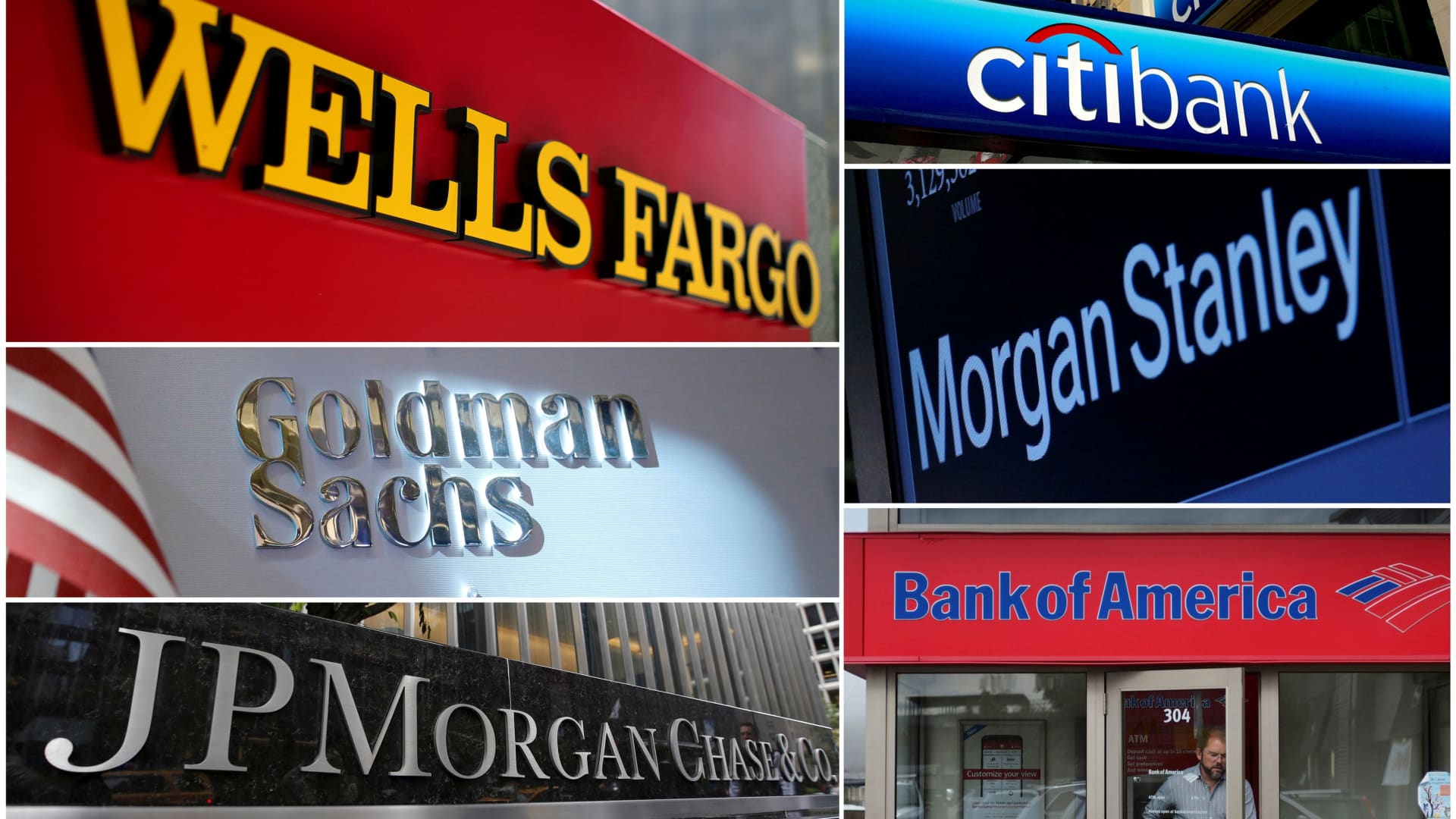
Banking Sector Shows Resilience Amid Geopolitical Turmoil


- Investment Banking Surge: Goldman Sachs reported a 48% year-over-year increase in investment banking revenue to $2.48 billion, with CEO David Solomon noting a robust investment banking environment, which significantly contributes to advisory fees and capital market revenues, showcasing the firm's strength in M&A and IPOs.
- Credit Card Growth: Despite a slight overall revenue miss, Wells Fargo's new credit card account openings surged nearly 60% year-over-year, with the consumer banking and lending division seeing a 6.6% revenue increase in Q1, indicating strong consumer spending resilience even amid rising oil prices, enhancing the bank's profitability.
- Trading Desk Performance: The volatility from the Iran-U.S. conflict led to a 27% year-over-year increase in Goldman’s equities revenue, reaching a record $5.33 billion, as clients actively repositioned portfolios, reflecting the firm's execution capabilities and risk management in a dynamic environment.
- Market Adaptability: While geopolitical uncertainty affected some deals, Morgan Stanley and Bank of America saw trading revenues rise by 29% and 30% respectively, demonstrating that banks can still capitalize on market fluctuations, highlighting their ability to adapt to changing market conditions.
See More
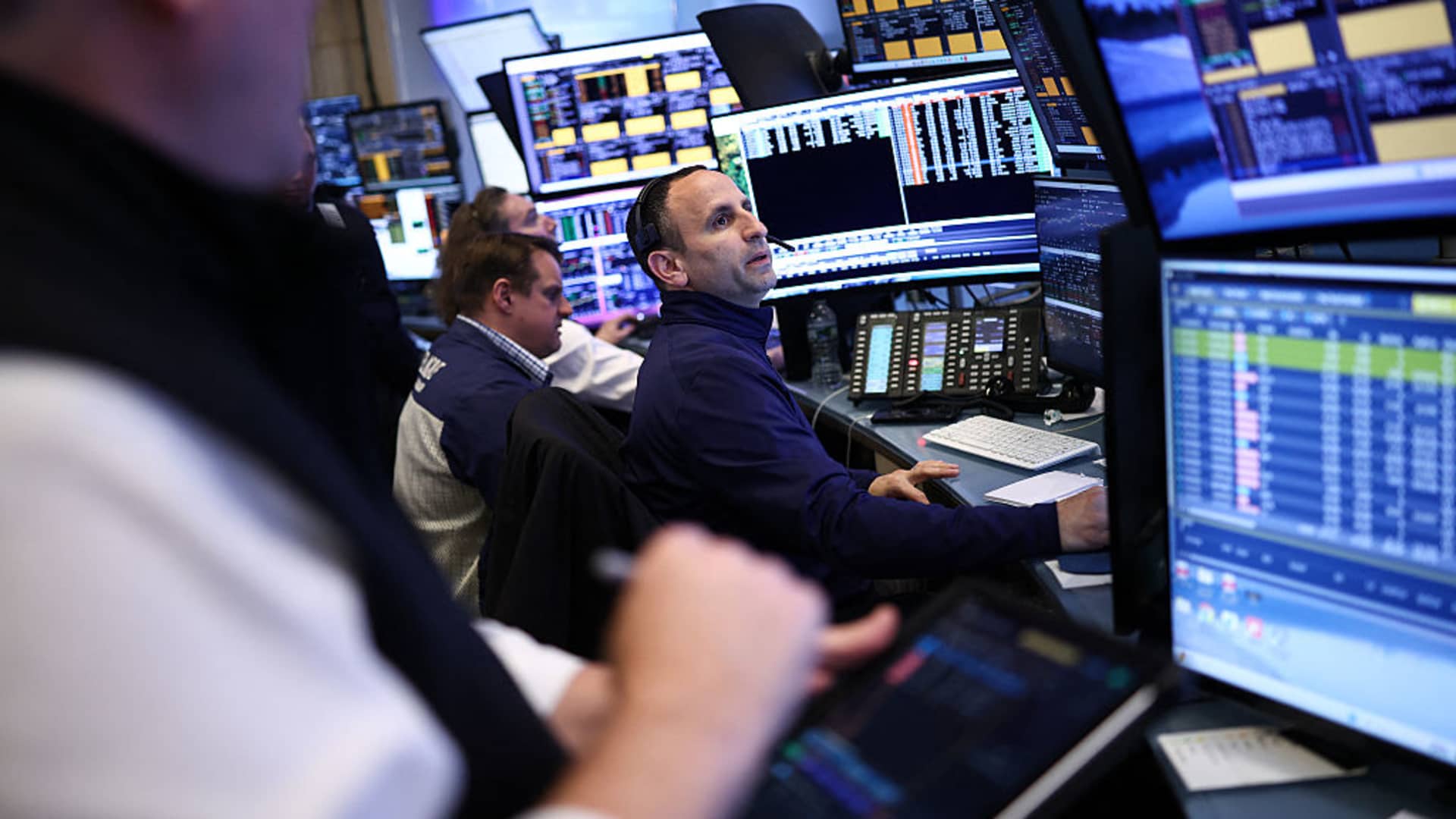
Wall Street Optimism Rises Amid Ceasefire Hopes


- Market Rebound: The S&P 500 and Nasdaq Composite reached all-time highs this week, with the S&P 500 surpassing 7,100 for the first time, reflecting strong investor confidence in economic recovery and suggesting further upward momentum for equities.
- Earnings Expectations: According to FactSet, the S&P 500 is projected to have a blended growth rate of 12.5% in Q1, with 78% of reporting companies exceeding expectations, providing a positive backdrop for the upcoming earnings season that could further bolster market confidence.
- Oil Price Volatility: While oil prices have fallen to around $80 per barrel, significantly below the $110 peak during the conflict, the market must remain vigilant regarding the potential impacts of U.S.-Iran tensions on global supply chains, particularly concerning the safety of transit through the Strait of Hormuz.
- Technical Fragility: Despite the market's strong short-term performance, analyst Craig Johnson warns that the rapid transition from oversold to overbought conditions masks underlying macroeconomic risks, urging investors to remain cautious and focus on high-quality investment opportunities.
See More
S&P 500 Hits Record High as Oil Prices Plunge

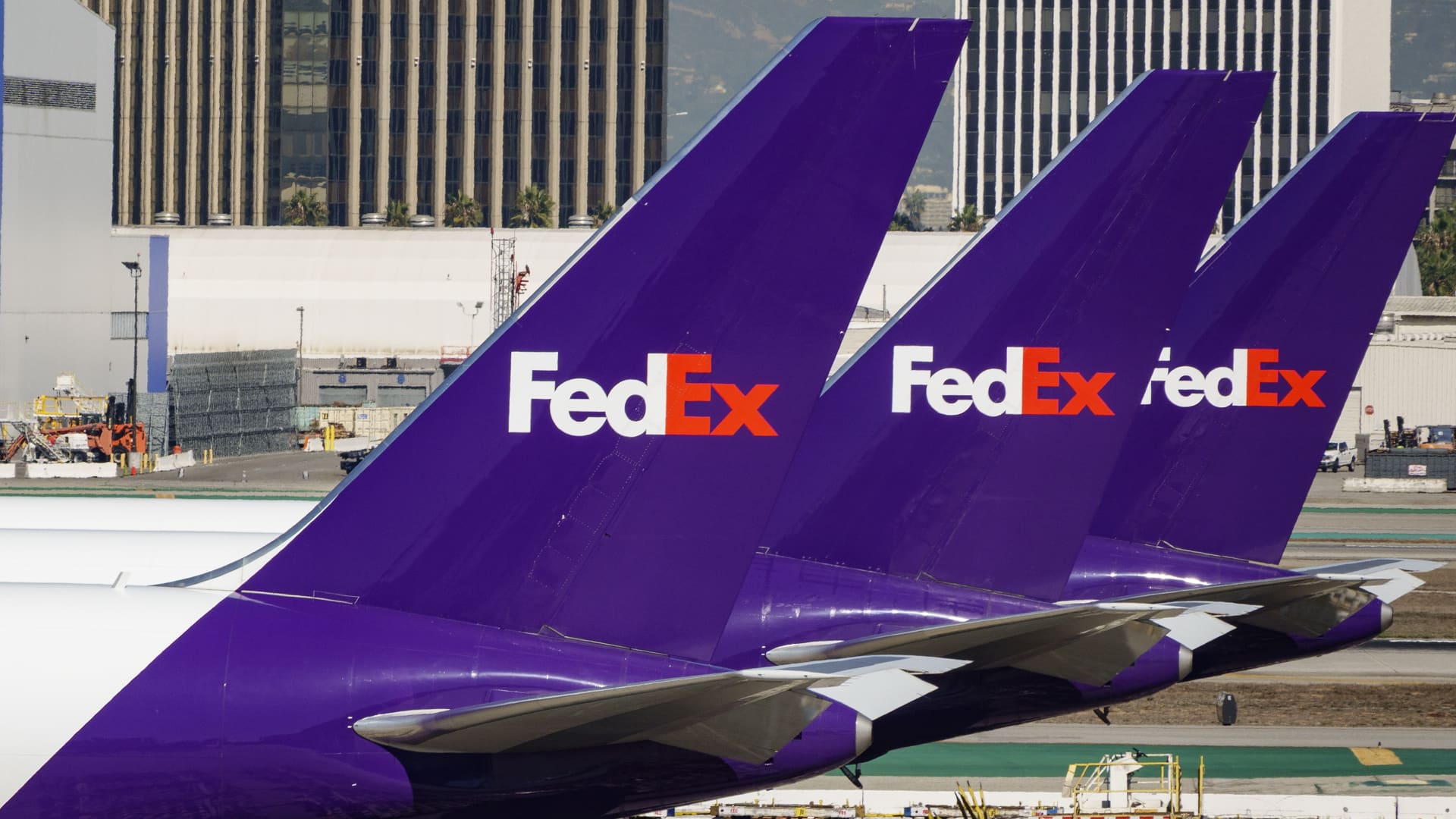
- Strong Market Performance: The S&P 500 reached a new record high on Friday after Iran announced the Strait of Hormuz was 'completely open,' indicating a significant improvement in market sentiment, while oil prices fell over 10%, with WTI crude dropping to the low $80s, reflecting investor optimism about future economic recovery.
- Interest Rate Expectations Shift: The market is beginning to price in a 25-basis-point cut in December, indicating a reduction in investor concerns about economic slowdown, and the anticipated decline in rates is expected to further stimulate consumption and investment, driving stock market gains.
- Arm Holdings Strategic Shift: Arm recently unveiled its first in-house data center CPU, the AGI CPU, marking a significant transition from solely licensing to designing and selling its own chips, with projections of generating $25 billion in revenue by FY2031, $15 billion of which will come from these in-house chips, showcasing its ambitions in the semiconductor market.
- FedEx Spin-Off Plan: FedEx plans to spin off FedEx Freight on June 1, aiming to enhance the value of both companies through sharper strategic focus, with FedEx Freight being the largest LTL carrier in North America, and a medium-term revenue growth outlook of 4% to 6% expected to further strengthen its market competitiveness.
See More
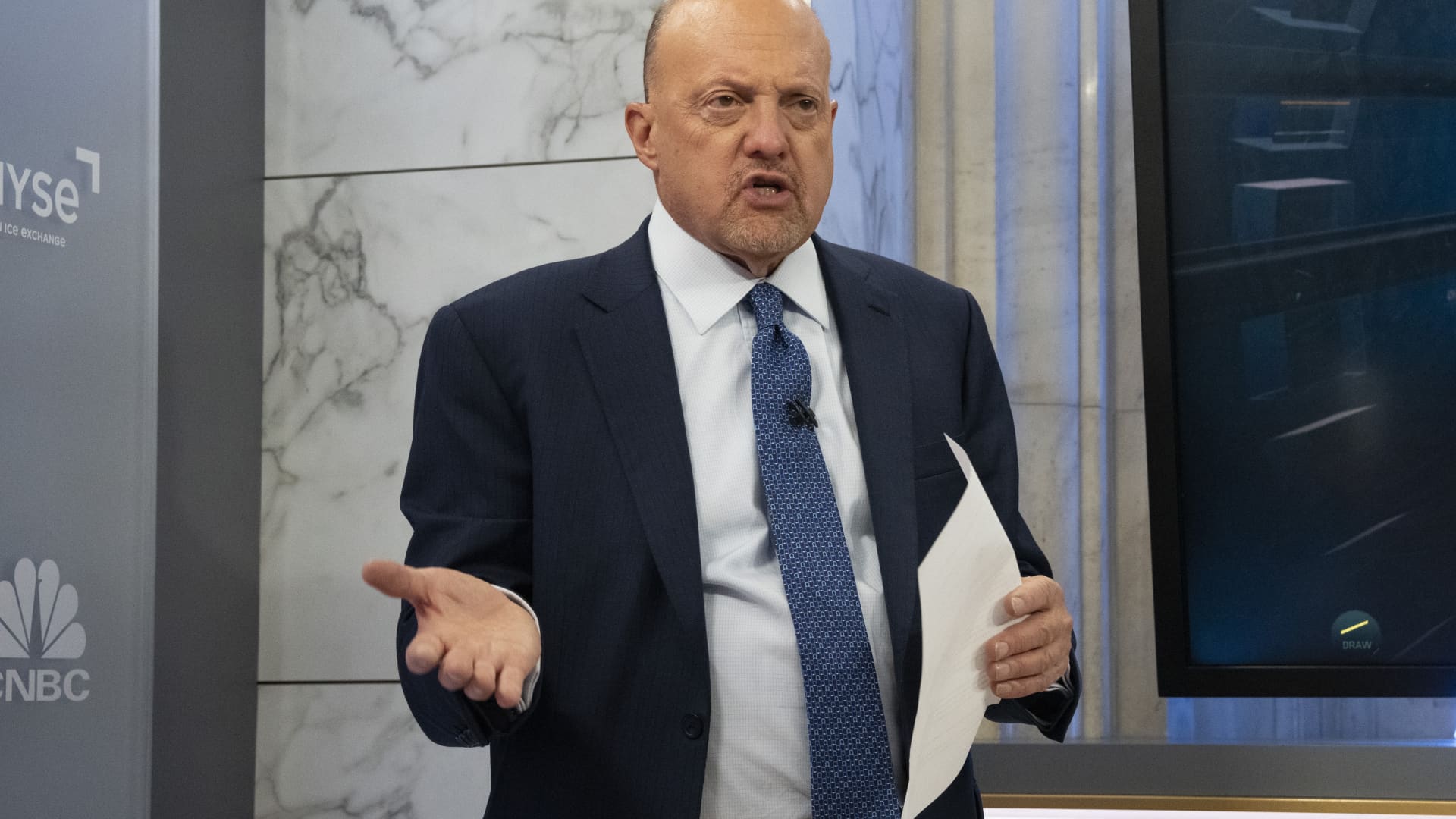
CNBC Investing Club April Meeting Highlights


- Market Rebound Analysis: The S&P 500 index reached a record high in April, marking a significant recovery from the Iran war sell-off, indicating a renewed focus on company fundamentals despite the ongoing conflict, which underscores the importance of investor calmness.
- Nike Investment Reflection: Despite insider buying signals prompting us to increase our stake in Nike last December, we are now skeptical about CEO Elliott Hill's ability to turn the company around, and if next quarter's performance is disappointing, we will consider exiting.
- Amazon Cloud Business Recovery: Amazon's stock rebound highlights the importance of patience, as the market is gradually recognizing the strength of its AWS cloud division and online retail business, which are expected to continue growing in the future.
- Nvidia Market Leadership: Nvidia's leading position in the AI chip sector is paying off, and despite competitive pressures, its advantage in computing power positions it well to maintain market leadership going forward.
See More

Oil Prices Surge Amid Truce Doubts; Meta Stock Rallies


- Oil Price Surge: U.S. oil prices jumped 8% on Thursday as traders questioned the validity of the U.S.-Iran truce, pushing West Texas Intermediate futures back over $100 per barrel, indicating potential economic implications from oil price volatility despite a flat S&P 500.
- Meta Stock Recovery: Meta Platforms saw its shares rise over 2.5% on Thursday, following a 6.5% increase the previous day due to the announcement of its new AI model, Muse Spark, reflecting a renewed market confidence in its innovation capabilities.
- Capital One Upgrade: JPMorgan upgraded Capital One to an overweight rating with a price target of $213 per share, suggesting an 8% upside from current levels, despite the stock being down over 20% year-to-date, highlighting limited downside risk unless new challenges arise.
- Rapid Stock Review: Stocks mentioned in Thursday's rapid-fire segment included Constellation Brands, Texas Instruments, McCormick, and Unilever, indicating a diverse investment interest among investors as they explore opportunities across various sectors.
See More
Wall Street Earnings Season Faces Major Test
- Earnings Season Significance: Wall Street is set for a packed earnings season featuring key companies like Capital One and Boeing, with investors eager to glean insights into the economic impact of the Iran war from these reports.
- Capital One Performance Focus: Capital One is scheduled to report earnings on Tuesday, with market attention on its consumer health metrics and the progress of its acquisitions of Discover and Brex, particularly amid rising economic uncertainties.
- Boeing Earnings Outlook: Boeing is expected to release its earnings report on Wednesday, with market focus on order volumes in both its commercial and defense sectors, as well as free cash flow performance, especially after previous unexpected losses.
- GE Vernova Order Growth: GE Vernova will report alongside Boeing, with first-quarter new orders anticipated to reach $14.4 billion, reflecting a 65% year-over-year increase, indicating strong market performance amid rising electricity demand.
See More
Banking Sector Shows Resilience Amid Geopolitical Turmoil
- Investment Banking Surge: Goldman Sachs reported a 48% year-over-year increase in investment banking revenue to $2.48 billion, with CEO David Solomon noting a robust investment banking environment, which significantly contributes to advisory fees and capital market revenues, showcasing the firm's strength in M&A and IPOs.
- Credit Card Growth: Despite a slight overall revenue miss, Wells Fargo's new credit card account openings surged nearly 60% year-over-year, with the consumer banking and lending division seeing a 6.6% revenue increase in Q1, indicating strong consumer spending resilience even amid rising oil prices, enhancing the bank's profitability.
- Trading Desk Performance: The volatility from the Iran-U.S. conflict led to a 27% year-over-year increase in Goldman’s equities revenue, reaching a record $5.33 billion, as clients actively repositioned portfolios, reflecting the firm's execution capabilities and risk management in a dynamic environment.
- Market Adaptability: While geopolitical uncertainty affected some deals, Morgan Stanley and Bank of America saw trading revenues rise by 29% and 30% respectively, demonstrating that banks can still capitalize on market fluctuations, highlighting their ability to adapt to changing market conditions.
See More
Wall Street Optimism Rises Amid Ceasefire Hopes
- Market Rebound: The S&P 500 and Nasdaq Composite reached all-time highs this week, with the S&P 500 surpassing 7,100 for the first time, reflecting strong investor confidence in economic recovery and suggesting further upward momentum for equities.
- Earnings Expectations: According to FactSet, the S&P 500 is projected to have a blended growth rate of 12.5% in Q1, with 78% of reporting companies exceeding expectations, providing a positive backdrop for the upcoming earnings season that could further bolster market confidence.
- Oil Price Volatility: While oil prices have fallen to around $80 per barrel, significantly below the $110 peak during the conflict, the market must remain vigilant regarding the potential impacts of U.S.-Iran tensions on global supply chains, particularly concerning the safety of transit through the Strait of Hormuz.
- Technical Fragility: Despite the market's strong short-term performance, analyst Craig Johnson warns that the rapid transition from oversold to overbought conditions masks underlying macroeconomic risks, urging investors to remain cautious and focus on high-quality investment opportunities.
See More
S&P 500 Hits Record High as Oil Prices Plunge
- Strong Market Performance: The S&P 500 reached a new record high on Friday after Iran announced the Strait of Hormuz was 'completely open,' indicating a significant improvement in market sentiment, while oil prices fell over 10%, with WTI crude dropping to the low $80s, reflecting investor optimism about future economic recovery.
- Interest Rate Expectations Shift: The market is beginning to price in a 25-basis-point cut in December, indicating a reduction in investor concerns about economic slowdown, and the anticipated decline in rates is expected to further stimulate consumption and investment, driving stock market gains.
- Arm Holdings Strategic Shift: Arm recently unveiled its first in-house data center CPU, the AGI CPU, marking a significant transition from solely licensing to designing and selling its own chips, with projections of generating $25 billion in revenue by FY2031, $15 billion of which will come from these in-house chips, showcasing its ambitions in the semiconductor market.
- FedEx Spin-Off Plan: FedEx plans to spin off FedEx Freight on June 1, aiming to enhance the value of both companies through sharper strategic focus, with FedEx Freight being the largest LTL carrier in North America, and a medium-term revenue growth outlook of 4% to 6% expected to further strengthen its market competitiveness.
See More
CNBC Investing Club April Meeting Highlights
- Market Rebound Analysis: The S&P 500 index reached a record high in April, marking a significant recovery from the Iran war sell-off, indicating a renewed focus on company fundamentals despite the ongoing conflict, which underscores the importance of investor calmness.
- Nike Investment Reflection: Despite insider buying signals prompting us to increase our stake in Nike last December, we are now skeptical about CEO Elliott Hill's ability to turn the company around, and if next quarter's performance is disappointing, we will consider exiting.
- Amazon Cloud Business Recovery: Amazon's stock rebound highlights the importance of patience, as the market is gradually recognizing the strength of its AWS cloud division and online retail business, which are expected to continue growing in the future.
- Nvidia Market Leadership: Nvidia's leading position in the AI chip sector is paying off, and despite competitive pressures, its advantage in computing power positions it well to maintain market leadership going forward.
See More
Oil Prices Surge Amid Truce Doubts; Meta Stock Rallies
- Oil Price Surge: U.S. oil prices jumped 8% on Thursday as traders questioned the validity of the U.S.-Iran truce, pushing West Texas Intermediate futures back over $100 per barrel, indicating potential economic implications from oil price volatility despite a flat S&P 500.
- Meta Stock Recovery: Meta Platforms saw its shares rise over 2.5% on Thursday, following a 6.5% increase the previous day due to the announcement of its new AI model, Muse Spark, reflecting a renewed market confidence in its innovation capabilities.
- Capital One Upgrade: JPMorgan upgraded Capital One to an overweight rating with a price target of $213 per share, suggesting an 8% upside from current levels, despite the stock being down over 20% year-to-date, highlighting limited downside risk unless new challenges arise.
- Rapid Stock Review: Stocks mentioned in Thursday's rapid-fire segment included Constellation Brands, Texas Instruments, McCormick, and Unilever, indicating a diverse investment interest among investors as they explore opportunities across various sectors.
See More