The Zacks Analyst Blog Highlights Mastercard, Netflix, Coca-Cola, Berkshire Hathaway and Medtronic


- Zacks Research Daily: Zacks.com features stocks like Mastercard Inc., Netflix, Inc., The Coca-Cola Co., Berkshire Hathaway Inc., and Medtronic plc in their Analyst Blog.
- Q1 Earnings Season Update: Q1 earnings for 40 S&P 500 members show a +10.7% growth in earnings and +4.5% in revenues, with 82.5% beating EPS estimates and 65% beating revenue estimates.
- Earnings Trends: Total earnings for Q1 are expected to be up +3.8% from last year, with +3.9% higher revenues, based on results from 40 index members and estimates for others.
- Stock Analysis - Mastercard: Mastercard's shares have outperformed the industry due to acquisitions and digital shift, but high expenses may impact margins.
- Stock Analysis - Netflix: Netflix has seen growth due to subscriber base and content portfolio, but faces competition and financial concerns.
Trade with 70% Backtested Accuracy
Analyst Views on MA

About MA
About the author

Market Dynamics and Company Outlook


- Oil Price Fluctuations: Brent crude oil prices surged by 4%, surpassing $117 per barrel, leading U.S. gas prices to exceed $4 per gallon; while the S&P 500 is expected to open higher, the market faces cost pressures from rising oil prices, potentially impacting overall economic recovery.
- Marvell and Nvidia Partnership: Marvell shares surged nearly 10% after announcing a strategic partnership with Nvidia, which will invest $2 billion to enhance the connectivity of Marvell's custom processors with Nvidia's networking technology, thereby strengthening Marvell's competitive position in the AI chip market.
- McCormick Acquires Unilever's Food Business: McCormick announced a $45 billion deal to acquire Unilever's food business, which will significantly expand its market share in spices and condiments, despite reporting only 1.2% organic sales growth in the last quarter, enhancing brand influence.
- Wells Fargo Downgrades Ford: Wells Fargo cut its price target for Ford from $11 to $10 and reiterated a sell rating, with analysts concerned that the fallout from the Iran war will increase raw material and freight costs, potentially impacting the profitability of automakers.

Wall Street's Latest Ratings Overview


- Visa and Mastercard Ratings: Loop initiates coverage on Visa and Mastercard with a buy rating, anticipating significant net revenue growth driven by market share gains and upside from foreign exchange volatility, enhancing their competitive edge in the payment processing sector.
- Arista and Cisco Buy Ratings: Truist initiates buy ratings for Arista Networks and Cisco, citing their high-quality business scale and thematic attractiveness, particularly in the data center growth space, which presents underappreciated opportunities.
- 10X Genomics Upgrade: William Blair upgrades 10X Genomics from market perform to outperform, highlighting its pivotal role in AI drug discovery and improved profitability, which is expected to drive future growth following five consecutive topline beats.
- MiniMed Platform Outlook: Morgan Stanley initiates MiniMed at overweight with a $19 price target, projecting that its differentiated diabetes management platform will drive growth and margin expansion, particularly given the significant underpenetration in the U.S. market.

High Interest Rates Impact Credit Card Spending


- Decline in Credit Card Spending: Research from the Federal Reserve Bank of Boston indicates that a 1 percentage point increase in credit card APR leads to a roughly 9% decrease in consumer spending, suggesting that consumer responses to interest rate changes are economically significant, potentially resulting in reduced overall consumption and impacting economic growth.
- Financial Status Impact: The study highlights that financially constrained consumers are more responsive to interest rate changes, with spending reductions of up to 15% for those carrying balances, reflecting increased financial pressure on lower-income households in a high-rate environment, which may lead to further contraction in spending.
- Interest Rates and Consumer Behavior: While some cardholders may be insensitive to rate changes, data shows that many adjust their spending behavior when rates rise, indicating that consumer spending decisions become more rational in high-interest contexts, which could affect revenues in retail and service sectors.
- Future Rate Expectations: Despite the federal funds rate remaining stable between 3.5% and 3.75%, market expectations for future rate hikes are increasing, which may further tighten consumer spending, especially against a backdrop of rising energy costs and growing concerns about stagflation.
Australia to End Credit Card Surcharges by 2026
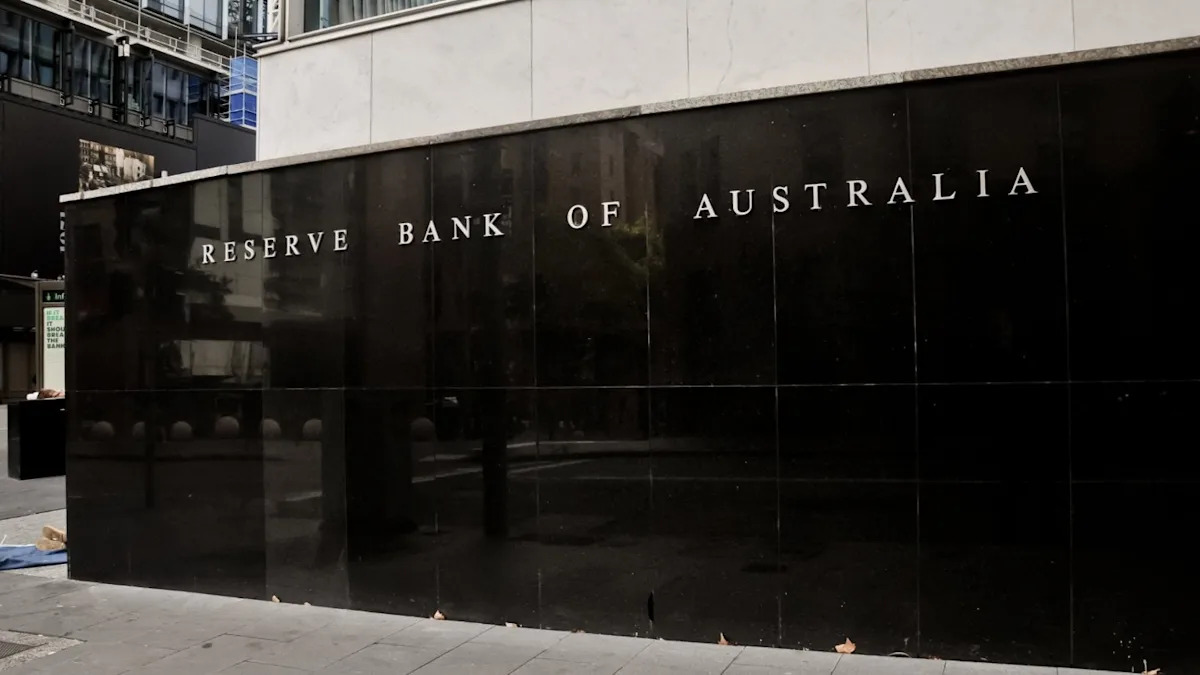
- End of Surcharges: The Reserve Bank of Australia (RBA) will eliminate surcharges on most debit and credit card payments starting October 2026, aiming to simplify payment processes and enhance transparency, thereby increasing competition among payment service providers.
- Merchant Cost Reduction: The RBA will also lower the caps on interchange fees paid by Australian businesses, with expected annual savings of about A$1.5 billion (approximately $1.03 billion), particularly benefiting small businesses that often face higher fees.
- Increased Transparency: The new measures will enhance transparency regarding fees charged by card networks and payment service providers, designed to strengthen competition within the payments chain, reduce payment costs, and facilitate easier comparisons for businesses.
- Future Regulatory Assessment: The RBA plans to launch a public consultation in mid-2026 to assess the need for additional regulation in areas not covered by the current review, such as mobile wallets and e-commerce platforms, ensuring the ongoing health of the payments industry.

Mastercard's Strategic Shift: A Positive Move Towards AI and Data
Mastercard's Stock Performance: Shares of Mastercard have declined over 15% this year, influenced by reports of the company exploring the sale of its real-time payments unit, which it acquired for approximately $3.2 billion in 2019.
Financial Performance Insights: Despite the stock decline, Mastercard's financial performance reveals strong growth in its value-added services division, which saw a 22% revenue surge, indicating a strategic pivot towards more profitable segments.
Investor Sentiment and Market Analysis: Analysts remain bullish on Mastercard's long-term prospects, with 25 out of 27 analysts issuing buy or strong buy ratings, suggesting that the current stock price may not reflect the company's future earnings potential.
Strategic Shift and Future Growth: Mastercard is evolving from a traditional payment processor to a technology-driven financial data powerhouse, focusing on high-margin services and innovative solutions, which could unlock significant revenue potential in the future.

US Inflation Forecast Raised to 4.2% Amid Rising Costs
- Inflation Forecast Increase: The OECD's latest forecast indicates that the US Consumer Price Index inflation rate will rise to 4.2% by 2026, significantly up from the previous 2.8%, primarily due to rising energy costs stemming from Middle Eastern conflicts, which could pressure economic recovery.
- Government Debt Concerns: With federal debt reaching $39 trillion, the US may face prolonged money printing, exacerbating inflationary pressures that could undermine consumer confidence and spending.
- Buffett's Stock Picks: In the current inflationary environment, Visa and Mastercard are highlighted as inflation beneficiaries; despite comprising only 1.4% of Berkshire Hathaway's portfolio, their strong market positions and profitability make them ideal for investors.
- Market Entry Opportunity: Visa and Mastercard shares are currently trading 21% and 19% below their historical peaks, with price-to-earnings ratios of 28 and 29.4 respectively, presenting a reasonable entry point for investors looking to acquire stakes in these elite companies.
Market Dynamics and Company Outlook
- Oil Price Fluctuations: Brent crude oil prices surged by 4%, surpassing $117 per barrel, leading U.S. gas prices to exceed $4 per gallon; while the S&P 500 is expected to open higher, the market faces cost pressures from rising oil prices, potentially impacting overall economic recovery.
- Marvell and Nvidia Partnership: Marvell shares surged nearly 10% after announcing a strategic partnership with Nvidia, which will invest $2 billion to enhance the connectivity of Marvell's custom processors with Nvidia's networking technology, thereby strengthening Marvell's competitive position in the AI chip market.
- McCormick Acquires Unilever's Food Business: McCormick announced a $45 billion deal to acquire Unilever's food business, which will significantly expand its market share in spices and condiments, despite reporting only 1.2% organic sales growth in the last quarter, enhancing brand influence.
- Wells Fargo Downgrades Ford: Wells Fargo cut its price target for Ford from $11 to $10 and reiterated a sell rating, with analysts concerned that the fallout from the Iran war will increase raw material and freight costs, potentially impacting the profitability of automakers.
Wall Street's Latest Ratings Overview
- Visa and Mastercard Ratings: Loop initiates coverage on Visa and Mastercard with a buy rating, anticipating significant net revenue growth driven by market share gains and upside from foreign exchange volatility, enhancing their competitive edge in the payment processing sector.
- Arista and Cisco Buy Ratings: Truist initiates buy ratings for Arista Networks and Cisco, citing their high-quality business scale and thematic attractiveness, particularly in the data center growth space, which presents underappreciated opportunities.
- 10X Genomics Upgrade: William Blair upgrades 10X Genomics from market perform to outperform, highlighting its pivotal role in AI drug discovery and improved profitability, which is expected to drive future growth following five consecutive topline beats.
- MiniMed Platform Outlook: Morgan Stanley initiates MiniMed at overweight with a $19 price target, projecting that its differentiated diabetes management platform will drive growth and margin expansion, particularly given the significant underpenetration in the U.S. market.
High Interest Rates Impact Credit Card Spending
- Decline in Credit Card Spending: Research from the Federal Reserve Bank of Boston indicates that a 1 percentage point increase in credit card APR leads to a roughly 9% decrease in consumer spending, suggesting that consumer responses to interest rate changes are economically significant, potentially resulting in reduced overall consumption and impacting economic growth.
- Financial Status Impact: The study highlights that financially constrained consumers are more responsive to interest rate changes, with spending reductions of up to 15% for those carrying balances, reflecting increased financial pressure on lower-income households in a high-rate environment, which may lead to further contraction in spending.
- Interest Rates and Consumer Behavior: While some cardholders may be insensitive to rate changes, data shows that many adjust their spending behavior when rates rise, indicating that consumer spending decisions become more rational in high-interest contexts, which could affect revenues in retail and service sectors.
- Future Rate Expectations: Despite the federal funds rate remaining stable between 3.5% and 3.75%, market expectations for future rate hikes are increasing, which may further tighten consumer spending, especially against a backdrop of rising energy costs and growing concerns about stagflation.
Australia to End Credit Card Surcharges by 2026
- End of Surcharges: The Reserve Bank of Australia (RBA) will eliminate surcharges on most debit and credit card payments starting October 2026, aiming to simplify payment processes and enhance transparency, thereby increasing competition among payment service providers.
- Merchant Cost Reduction: The RBA will also lower the caps on interchange fees paid by Australian businesses, with expected annual savings of about A$1.5 billion (approximately $1.03 billion), particularly benefiting small businesses that often face higher fees.
- Increased Transparency: The new measures will enhance transparency regarding fees charged by card networks and payment service providers, designed to strengthen competition within the payments chain, reduce payment costs, and facilitate easier comparisons for businesses.
- Future Regulatory Assessment: The RBA plans to launch a public consultation in mid-2026 to assess the need for additional regulation in areas not covered by the current review, such as mobile wallets and e-commerce platforms, ensuring the ongoing health of the payments industry.
Mastercard's Strategic Shift: A Positive Move Towards AI and Data
Mastercard's Stock Performance: Shares of Mastercard have declined over 15% this year, influenced by reports of the company exploring the sale of its real-time payments unit, which it acquired for approximately $3.2 billion in 2019.
Financial Performance Insights: Despite the stock decline, Mastercard's financial performance reveals strong growth in its value-added services division, which saw a 22% revenue surge, indicating a strategic pivot towards more profitable segments.
Investor Sentiment and Market Analysis: Analysts remain bullish on Mastercard's long-term prospects, with 25 out of 27 analysts issuing buy or strong buy ratings, suggesting that the current stock price may not reflect the company's future earnings potential.
Strategic Shift and Future Growth: Mastercard is evolving from a traditional payment processor to a technology-driven financial data powerhouse, focusing on high-margin services and innovative solutions, which could unlock significant revenue potential in the future.
US Inflation Forecast Raised to 4.2% Amid Rising Costs
- Inflation Forecast Increase: The OECD's latest forecast indicates that the US Consumer Price Index inflation rate will rise to 4.2% by 2026, significantly up from the previous 2.8%, primarily due to rising energy costs stemming from Middle Eastern conflicts, which could pressure economic recovery.
- Government Debt Concerns: With federal debt reaching $39 trillion, the US may face prolonged money printing, exacerbating inflationary pressures that could undermine consumer confidence and spending.
- Buffett's Stock Picks: In the current inflationary environment, Visa and Mastercard are highlighted as inflation beneficiaries; despite comprising only 1.4% of Berkshire Hathaway's portfolio, their strong market positions and profitability make them ideal for investors.
- Market Entry Opportunity: Visa and Mastercard shares are currently trading 21% and 19% below their historical peaks, with price-to-earnings ratios of 28 and 29.4 respectively, presenting a reasonable entry point for investors looking to acquire stakes in these elite companies.