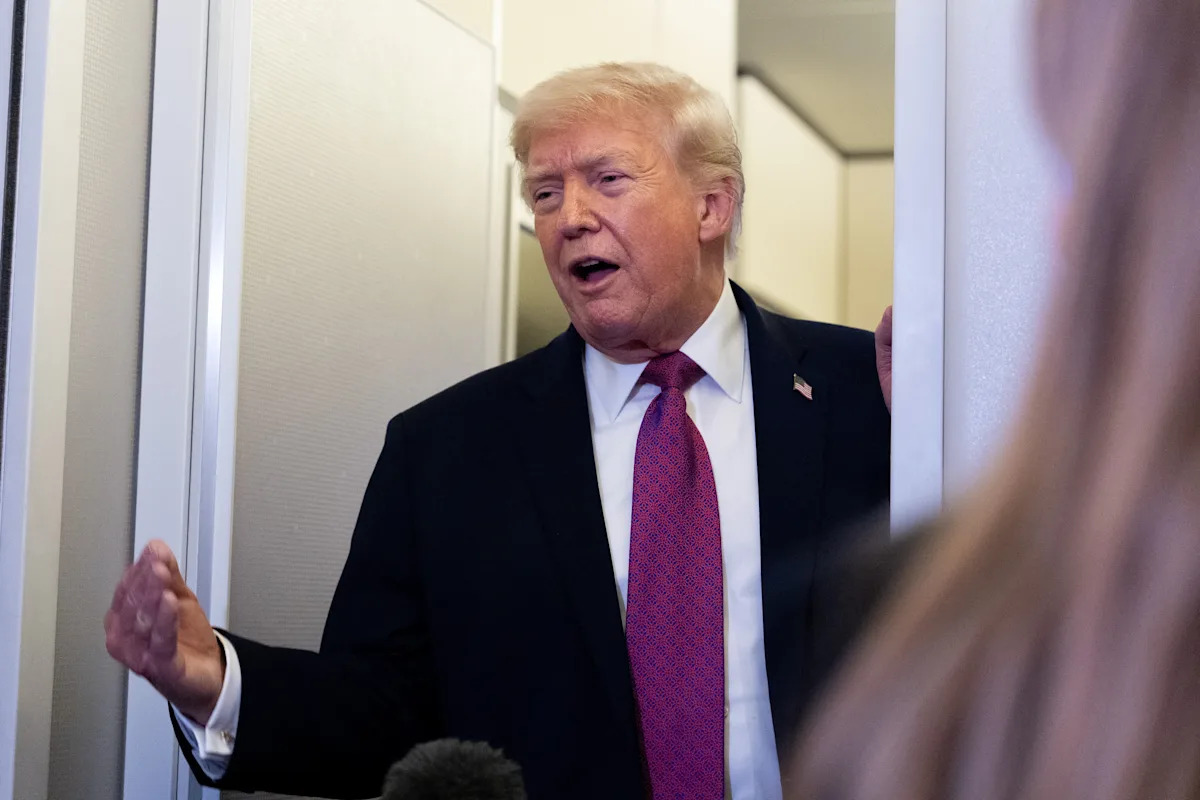
World Liberty Financial Applies for National Trust Bank Charter


World Liberty Financial has applied for a national trust bank charter to bring its stablecoin operations in-house, signaling a push for institutional adoption. Meanwhile, Upexi has outlined a new yield strategy for its massive corporate treasury, and Polymarket has secured a data partnership with Dow Jones. As regulatory efforts advance in Florida, the broader market faces headwinds with spot ETFs recording net outflows. Stay up on the crypto news that matters with "Crypto Currents," daily from The Fly. Join us at 2 PM ET for your essential briefing on the fast-moving world of cryptocurrency on FlyCast radio.WORLD LIBERTY FINANCIAL FILES FOR NATIONAL TRUST BANK CHARTER:, the Trump family-backed crypto project World Liberty Financial, issuer of the token of the same name (WLFI-USD), has submitted an application for a national trust bank charter with the Office of the Comptroller of the Currency. The charter would allow the firm to issue, custody, and convert its USD1stablecoin in-house, replacing its reliance on third-party providers. World Liberty CEO Zach Witkoff stated that the move is intended to create a "highly regulated," full-stack offering for institutional clients using the stablecoin for settlement and treasury operations.UPEXI IMPLEMENTS NEW YIELD STRATEGY FOR SOLANA TREASURY:, digital brand owner Upexiannounced plans to execute a new "high-return" yield strategy for its holdings of solana. The company disclosed that its treasury now holds over 2.17M tokens, an increase of 3.2% since October. Upexi CEO Allan Marshall noted that the transition aims to "materially increase total yield while maintaining a prudent risk profile" as the company continues its stock buyback program.DOW JONES PARTNERS WITH POLYMARKET FOR PREDICTION DATA:According to a press release,, a subsidiary of News Corp. The deal will integrate real-time prediction market data into Dow Jones' publications, including The Wall Street Journal, Barron's, and MarketWatch, providing investors with decentralized sentiment indicators alongside traditional financial news.RIPPLE PRESIDENT CONFIRMS NO IPO PLANS AMID GROWTH:, Ripple Labs President Monica Long confirmed that the payments company has no current plans for an initial public offering. Long emphasized that Ripple Labs, closely associated with XRP, is in a "really healthy position" financially following a recent $500M fundraise and does not need to access public markets to fund its growth. The executive noted that the company remains focused on scaling its business in the current regulatory environment.FLORIDA SENATE ADVANCES STRATEGIC BITCOIN RESERVE BILL:, Florida lawmakers are reviewing Senate Bill 1038, which proposes the creation of a "Florida Strategic Cryptocurrency Reserve." The legislation would authorize the state's CFO to allocate state funds into digital assets, specifically limiting eligible purchases to cryptocurrencies with a market capitalization exceeding $500B, a threshold currently met only by bitcoin.SPOT BITCOIN AND XRP ETFS SEE NET OUTFLOWS:shows that U.S. spot crypto ETFs experienced a shift in sentiment on Wednesday. Bitcoin funds recorded substantial net outflows of nearly $486M, while spot XRPETFs saw their first-ever net outflows of $40.8M, snapping a record 36-day streak of inflows. Analysts attribute the reversal to profit-taking following early-year rallies and a broader rebalancing of risk assets.PRICE ACTION:As of the time of writing, the price of bitcoinwas trading at approximately $90,449.99, while etherwas changing hands near $3,095.68,.
Trade with 70% Backtested Accuracy
Analyst Views on DOW

About DOW
About the author


Midday Market Moves: Notable Stock Fluctuations


- Stanley Black & Decker Surge: Stanley Black & Decker's stock rose over 4% after the company stated that recent changes to Section 232 tariffs would not materially impact its full-year forecast, indicating strong confidence in its financial outlook.
- Fermi Stock Plunge: Shares of energy infrastructure developer Fermi fell more than 22% following the resignation of CFO Miles Everson and the recent departure of CEO Toby Neugebauer, raising concerns about the company's leadership stability and future direction.
- Biogen's Strategic Move: Biogen's stock increased nearly 3% after agreeing to pay $850 million for exclusive rights to sell felzartamab in China, which underscores its strategic expansion in the immune-related disease treatment market.
- Fertilizer Stocks Fluctuate: Fertilizer stocks experienced volatility as CF Industries rose nearly 2% due to ongoing shipping disruptions in the Strait of Hormuz, while Dow and LyondellBasell Industries also saw gains of about 4% and 2%, respectively, reflecting market reactions to supply chain challenges.
Analysis of NDIV ETF's Dual Income Strategy


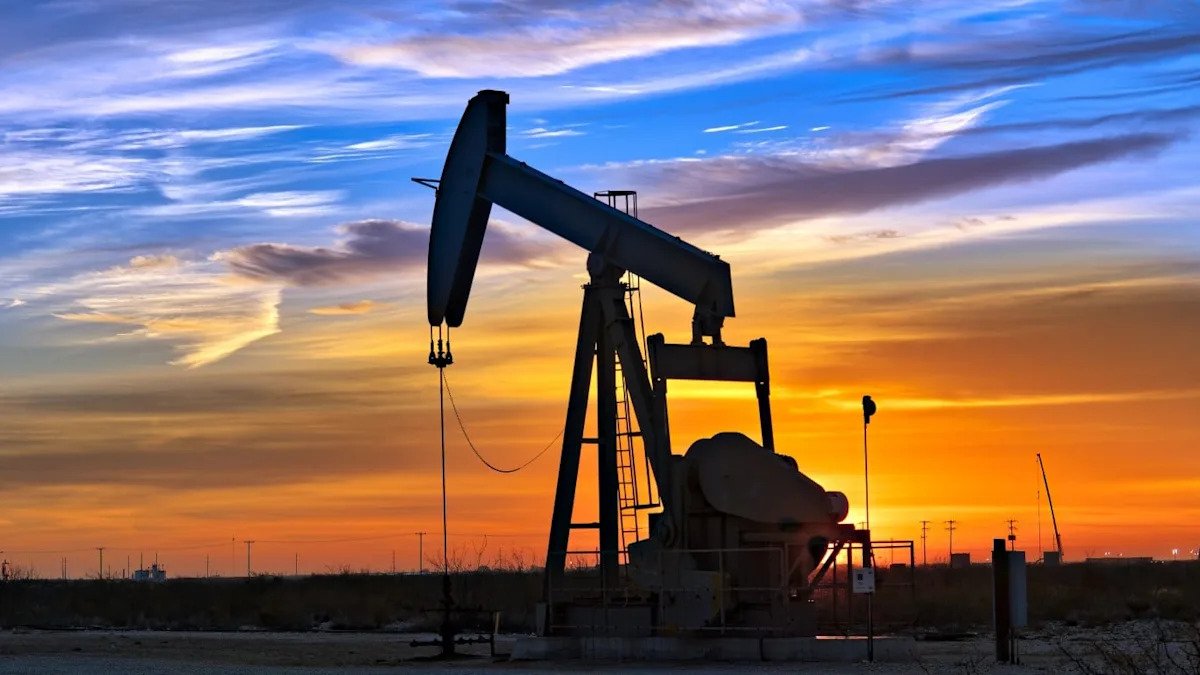
- Dual Income Sources: The NDIV ETF targets over 10% annualized total income by combining high-dividend energy and natural resource stocks with covered call options, appealing to investors seeking commodity exposure without sacrificing yield.
- Distribution History Volatility: Monthly distributions ranged from $0.11 to $0.17 in 2024 and 2025, while February and March 2026 saw spikes to $0.27 and $0.30, reflecting income fluctuations directly tied to energy market volatility.
- Commodity Volatility Dependency: NDIV's income is contingent on market volatility; while the covered call strategy enhances income during high volatility, it also introduces uncertainty regarding dividends from holdings like Petrobras and LyondellBasell.
- Price Performance and Yield: NDIV shares have appreciated approximately 34% year-to-date and about 44% over the past year, indicating that investors have captured significant capital gains alongside income, with a current dividend yield near 5%.

Dow Inc. Shares Plunge 10% Amid Market Rally

- Significant Stock Drop: Dow Inc. (DOW) shares fell approximately 10% on Friday, correlating with Iran's announcement that the Strait of Hormuz is open, which alleviated concerns over supply disruptions, leading to poor performance in chemical commodity stocks.
- Weak Industry Performance: Similar to Dow, shares of LyondellBasell Industries (LYB) and CF Industries (CF) dropped 12% and 9%, respectively, indicating the vulnerability of chemical and energy stocks amidst a market rally, reflecting investor concerns over future supply chain stability.
- Chemical Market Dynamics: The Middle East is the largest exporter of commodity chemicals globally, and while the reopening of the Strait of Hormuz may ease supply shocks, analysts expect that due to ongoing low liquid natural gas production, the global market will remain undersupplied, keeping prices elevated in the near term.
- Impact on Plastics Business: With over half of Dow's business reliant on plastic production, and plastic prices having risen 24% since the onset of the war, the company faces heightened risks amid supply chain changes, particularly against the backdrop of fluctuating energy prices.

Wall Street Optimism Rises Amid Ceasefire Hopes


- Market Rebound: The S&P 500 and Nasdaq Composite reached all-time highs this week, with the S&P 500 surpassing 7,100 for the first time, reflecting strong investor confidence in economic recovery and suggesting further upward momentum for equities.
- Earnings Expectations: According to FactSet, the S&P 500 is projected to have a blended growth rate of 12.5% in Q1, with 78% of reporting companies exceeding expectations, providing a positive backdrop for the upcoming earnings season that could further bolster market confidence.
- Oil Price Volatility: While oil prices have fallen to around $80 per barrel, significantly below the $110 peak during the conflict, the market must remain vigilant regarding the potential impacts of U.S.-Iran tensions on global supply chains, particularly concerning the safety of transit through the Strait of Hormuz.
- Technical Fragility: Despite the market's strong short-term performance, analyst Craig Johnson warns that the rapid transition from oversold to overbought conditions masks underlying macroeconomic risks, urging investors to remain cautious and focus on high-quality investment opportunities.

Energy Stocks Plummet While Travel Stocks Rally


- Energy Stocks Plummet: Energy stocks fell sharply as oil prices dropped over 12% after Iran opened the Strait of Hormuz during the ceasefire between Israel and Lebanon, with APA Corporation down more than 9% and Valero Energy falling over 8.5%, negatively impacting overall confidence in the energy sector.
- Travel Stocks Rally: Following Iran's announcement to open the Strait of Hormuz for commercial shipping, Royal Caribbean surged 9.7%, United Airlines jumped over 9%, and Expedia gained 5%, reflecting optimistic market sentiment regarding travel recovery.
- Critical Metals Surge: Greenland's government approved the transfer of a 50.5% interest in Tanbreez Mining to Critical Metals, increasing its stake in the rare earths mine to 92.5%, which propelled the company's shares up over 40%, highlighting the strategic importance of rare earth resources.
- Netflix Disappoints: Streaming giant Netflix saw its stock drop 9% as it projected second-quarter earnings of 78 cents per share, missing the 84 cents forecast by analysts, compounded by co-founder Reed Hastings' announcement to leave the board in June, further dampening investor confidence.

Middle East Tensions Ease, Chemical Stocks Plummet
- Market Plunge: Dow (DOW) and LyondellBasell (LYB) are the largest losers on the S&P 500, down 11.6% and 11.4% respectively, indicating a sharp market reaction to easing Middle East tensions.
- Energy Price Decline: The reopening of the Strait of Hormuz and progress in U.S.-Iran talks have led to a significant pullback in energy and petrochemical prices, compressing pricing power for key products like polyethylene.
- Expectation Reset: Following a recent rally driven by rising crude prices and constrained global supply, chemical companies are now facing a reassessment of future earnings as these tailwinds fade and feedstock costs normalize.
- Sector-wide Decline: Other chemical stocks also suffered, with Celanese (CE) down 8.4% and Methanex (MEOH) down 8.2%, reflecting widespread pressure across the industry and a shift in market sentiment.
Midday Market Moves: Notable Stock Fluctuations
- Stanley Black & Decker Surge: Stanley Black & Decker's stock rose over 4% after the company stated that recent changes to Section 232 tariffs would not materially impact its full-year forecast, indicating strong confidence in its financial outlook.
- Fermi Stock Plunge: Shares of energy infrastructure developer Fermi fell more than 22% following the resignation of CFO Miles Everson and the recent departure of CEO Toby Neugebauer, raising concerns about the company's leadership stability and future direction.
- Biogen's Strategic Move: Biogen's stock increased nearly 3% after agreeing to pay $850 million for exclusive rights to sell felzartamab in China, which underscores its strategic expansion in the immune-related disease treatment market.
- Fertilizer Stocks Fluctuate: Fertilizer stocks experienced volatility as CF Industries rose nearly 2% due to ongoing shipping disruptions in the Strait of Hormuz, while Dow and LyondellBasell Industries also saw gains of about 4% and 2%, respectively, reflecting market reactions to supply chain challenges.
Analysis of NDIV ETF's Dual Income Strategy
- Dual Income Sources: The NDIV ETF targets over 10% annualized total income by combining high-dividend energy and natural resource stocks with covered call options, appealing to investors seeking commodity exposure without sacrificing yield.
- Distribution History Volatility: Monthly distributions ranged from $0.11 to $0.17 in 2024 and 2025, while February and March 2026 saw spikes to $0.27 and $0.30, reflecting income fluctuations directly tied to energy market volatility.
- Commodity Volatility Dependency: NDIV's income is contingent on market volatility; while the covered call strategy enhances income during high volatility, it also introduces uncertainty regarding dividends from holdings like Petrobras and LyondellBasell.
- Price Performance and Yield: NDIV shares have appreciated approximately 34% year-to-date and about 44% over the past year, indicating that investors have captured significant capital gains alongside income, with a current dividend yield near 5%.
Dow Inc. Shares Plunge 10% Amid Market Rally
- Significant Stock Drop: Dow Inc. (DOW) shares fell approximately 10% on Friday, correlating with Iran's announcement that the Strait of Hormuz is open, which alleviated concerns over supply disruptions, leading to poor performance in chemical commodity stocks.
- Weak Industry Performance: Similar to Dow, shares of LyondellBasell Industries (LYB) and CF Industries (CF) dropped 12% and 9%, respectively, indicating the vulnerability of chemical and energy stocks amidst a market rally, reflecting investor concerns over future supply chain stability.
- Chemical Market Dynamics: The Middle East is the largest exporter of commodity chemicals globally, and while the reopening of the Strait of Hormuz may ease supply shocks, analysts expect that due to ongoing low liquid natural gas production, the global market will remain undersupplied, keeping prices elevated in the near term.
- Impact on Plastics Business: With over half of Dow's business reliant on plastic production, and plastic prices having risen 24% since the onset of the war, the company faces heightened risks amid supply chain changes, particularly against the backdrop of fluctuating energy prices.
Wall Street Optimism Rises Amid Ceasefire Hopes
- Market Rebound: The S&P 500 and Nasdaq Composite reached all-time highs this week, with the S&P 500 surpassing 7,100 for the first time, reflecting strong investor confidence in economic recovery and suggesting further upward momentum for equities.
- Earnings Expectations: According to FactSet, the S&P 500 is projected to have a blended growth rate of 12.5% in Q1, with 78% of reporting companies exceeding expectations, providing a positive backdrop for the upcoming earnings season that could further bolster market confidence.
- Oil Price Volatility: While oil prices have fallen to around $80 per barrel, significantly below the $110 peak during the conflict, the market must remain vigilant regarding the potential impacts of U.S.-Iran tensions on global supply chains, particularly concerning the safety of transit through the Strait of Hormuz.
- Technical Fragility: Despite the market's strong short-term performance, analyst Craig Johnson warns that the rapid transition from oversold to overbought conditions masks underlying macroeconomic risks, urging investors to remain cautious and focus on high-quality investment opportunities.
Energy Stocks Plummet While Travel Stocks Rally
- Energy Stocks Plummet: Energy stocks fell sharply as oil prices dropped over 12% after Iran opened the Strait of Hormuz during the ceasefire between Israel and Lebanon, with APA Corporation down more than 9% and Valero Energy falling over 8.5%, negatively impacting overall confidence in the energy sector.
- Travel Stocks Rally: Following Iran's announcement to open the Strait of Hormuz for commercial shipping, Royal Caribbean surged 9.7%, United Airlines jumped over 9%, and Expedia gained 5%, reflecting optimistic market sentiment regarding travel recovery.
- Critical Metals Surge: Greenland's government approved the transfer of a 50.5% interest in Tanbreez Mining to Critical Metals, increasing its stake in the rare earths mine to 92.5%, which propelled the company's shares up over 40%, highlighting the strategic importance of rare earth resources.
- Netflix Disappoints: Streaming giant Netflix saw its stock drop 9% as it projected second-quarter earnings of 78 cents per share, missing the 84 cents forecast by analysts, compounded by co-founder Reed Hastings' announcement to leave the board in June, further dampening investor confidence.
Middle East Tensions Ease, Chemical Stocks Plummet
- Market Plunge: Dow (DOW) and LyondellBasell (LYB) are the largest losers on the S&P 500, down 11.6% and 11.4% respectively, indicating a sharp market reaction to easing Middle East tensions.
- Energy Price Decline: The reopening of the Strait of Hormuz and progress in U.S.-Iran talks have led to a significant pullback in energy and petrochemical prices, compressing pricing power for key products like polyethylene.
- Expectation Reset: Following a recent rally driven by rising crude prices and constrained global supply, chemical companies are now facing a reassessment of future earnings as these tailwinds fade and feedstock costs normalize.
- Sector-wide Decline: Other chemical stocks also suffered, with Celanese (CE) down 8.4% and Methanex (MEOH) down 8.2%, reflecting widespread pressure across the industry and a shift in market sentiment.