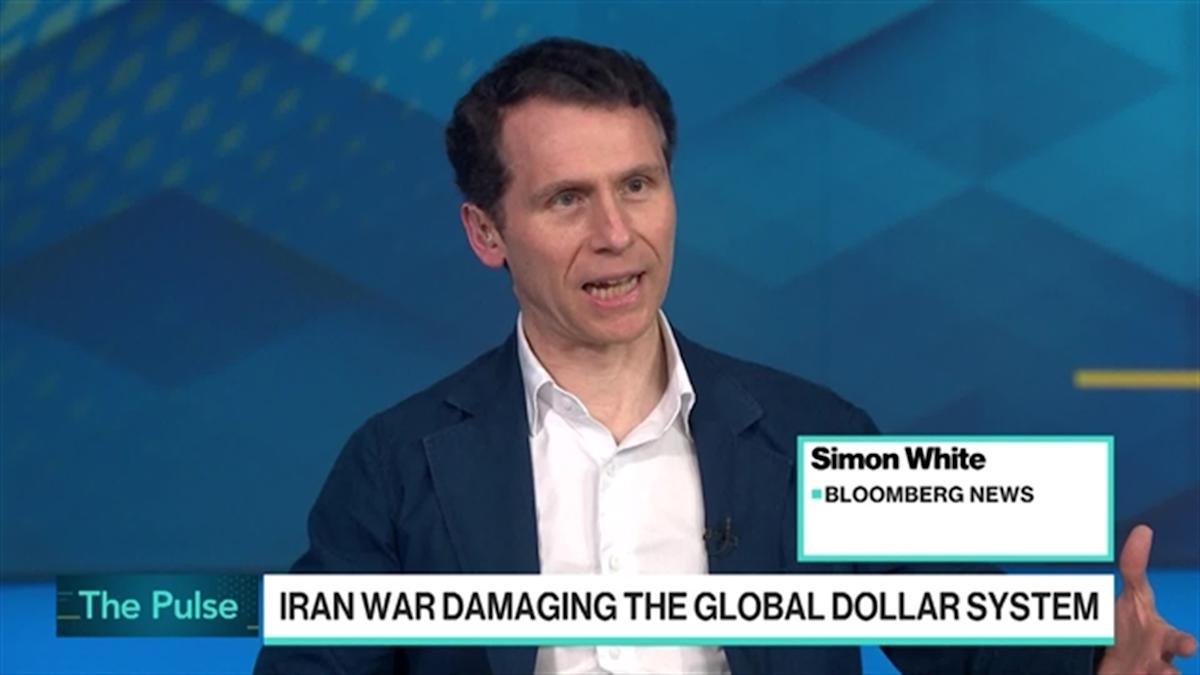
Oracle Corporation Faces Securities Fraud Class Action Lawsuit
Written by Emily J. Thompson, Senior Investment Analyst
Updated: Feb 10 2026
0mins
Should l Buy ORCL?
Source: PRnewswire
- Lawsuit Background: Kessler Topaz Meltzer & Check filed a securities fraud class action against Oracle on February 3, 2026, in Delaware, concerning stock purchases between June 12 and December 16, 2025, highlighting significant investor concerns regarding the company's financial transparency.
- False Statements: The lawsuit alleges that Oracle misled investors by claiming that its substantial capital expenditures on AI infrastructure would lead to rapid revenue growth, which did not materialize, resulting in a loss of investor confidence.
- Stock Price Volatility: Oracle's stock price fell by $5.37 on September 24, 2025, following warnings from S&P Global, and dropped an additional $24.16 on December 11, 2025, after disappointing earnings, reflecting severe market skepticism about the company's future profitability.
- Rising Debt Risks: With Oracle's debt protection costs reaching their highest level since 2009, analysts noted increasing financial risks, suggesting the company may need to raise substantial capital through equity or debt to support its AI growth plans, further impacting shareholder confidence.
Trade with 70% Backtested Accuracy
Stop guessing "Should I Buy ORCL?" and start using high-conviction signals backed by rigorous historical data.
Sign up today to access powerful investing tools and make smarter, data-driven decisions.
Analyst Views on ORCL
Wall Street analysts forecast ORCL stock price to rise
34 Analyst Rating
25 Buy
9 Hold
0 Sell
Moderate Buy
Current: 172.960

Low
180.00
Averages
309.59
High
400.00
Current: 172.960
Low
180.00
Averages
309.59
High
400.00
About ORCL
Oracle Corporation offers integrated suites of applications plus secure, autonomous infrastructure in the Oracle Cloud. The Company operates through three businesses: cloud and license, hardware and service. Its cloud and license business is engaged in the sale, marketing and delivery of its enterprise applications and infrastructure technologies through cloud and on-premise deployment models including its cloud services and license support offerings, and its cloud license and on-premise license offerings. Its hardware business provides infrastructure technologies including Oracle Engineered Systems, servers, storage, industry-specific hardware, operating systems, virtualization, management and other hardware-related software to support diverse IT environments. Its services business provides services to customers and partners to help maximize the performance of their investments in Oracle applications and infrastructure technologies.
About the author

Emily J. Thompson
Emily J. Thompson, a Chartered Financial Analyst (CFA) with 12 years in investment research, graduated with honors from the Wharton School. Specializing in industrial and technology stocks, she provides in-depth analysis for Intellectia’s earnings and market brief reports.

Oracle Shares Drop 4.2% Amid OpenAI Revenue Concerns

- Stock Decline: Oracle shares fell 4.2% in Tuesday's premarket trading due to OpenAI's failure to meet internal revenue and user growth targets, raising concerns about the cloud giant's revenue visibility.
- Rising Debt Risks: The company's total debt surged 60% to a record $153.1 billion last quarter, while remaining performance obligations skyrocketed 325% to $533 billion, causing investor anxiety over its financial health.
- Analyst Warnings: Hedge fund manager George Noble highlighted that Oracle's surging debt and liabilities, negative free cash flow, and aggressive borrowing are alarming, suggesting that the actual debt exposure may be understated, potentially jeopardizing future financial stability.
- Shifting Market Sentiment: While 34 out of 44 analysts rate Oracle stock as 'Buy' or higher, retail sentiment on Stocktwits has turned 'neutral', indicating growing concerns about the company's future prospects.
See More
Oracle and BorderPlex Advance Data Center Project with Bloom Energy
- Clean Energy Solution: Oracle's Project Jupiter, in collaboration with BorderPlex, will utilize Bloom Energy fuel cells with an expected installed capacity of 2.45 GW, replacing previously planned gas turbines and diesel generators, thereby reducing NOₓ emissions by approximately 92%, showcasing a strong commitment to environmental sustainability.
- Water Resource Management: The new microgrid design will significantly reduce water usage to negligible levels, and combined with closed-loop, non-evaporative cooling systems, it ensures that the project meets power demands while protecting local water quality and air quality.
- Economic Development Commitment: Project Jupiter commits $50 million to improve local water systems and provides $360 million for schools and infrastructure, creating 4,000 construction jobs and 1,500 ongoing positions, thereby fostering economic growth in New Mexico.
- Community Priorities: Oracle will cover all energy costs, ensuring no impact on residents' electricity rates, while prioritizing local hiring and suppliers, enhancing the community's economic resilience and sustainable development.
See More

Meta Shifts to Commercial AI Strategy Amid Earnings Call


- Commercial Shift: During the latest earnings call, CEO Mark Zuckerberg announced Meta's pivot from open-source to a commercial AI strategy with the launch of its first closed-source model, Muse Spark, aimed at competing with paid services from Google and OpenAI, with Q1 revenue expected to rise 31% to $55.6 billion, highlighting the company's commitment to the AI market.
- Talent Investment: Zuckerberg's $14.3 billion investment in Scale AI and the hiring of former GitHub CEO Nat Friedman signal an aggressive rebuild of Meta's internal AI team to bridge the gap with market leaders and enhance technological capabilities.
- Advertising Revenue Potential: While vision models currently lag behind text in hype, analysts believe Meta's superior image generation tools will unlock advertising budgets by automating high-performing creative, driving short-term revenue growth and further solidifying its market position.
- Capital Expenditure Pressure: With projected capital expenditures hitting $135 billion, investors are concerned about the company's massive infrastructure spending and recent 10% workforce reduction, demanding a clear roadmap for profitability to support its long-term growth strategy.
See More

OpenAI Misses Revenue Targets; Coca-Cola Reports Strong Quarter


- OpenAI Revenue Decline: According to The Wall Street Journal, OpenAI fell short of its internal revenue growth and user targets, leading to a decline in its overall valuation, which negatively impacted related companies like Softbank and Oracle.
- Coca-Cola Strong Performance: Coca-Cola reported first-quarter revenue of $12.5 billion and earnings per share of $0.86, both exceeding market expectations, with a 10% organic growth indicating its robust position in the sluggish consumer goods sector despite having a few extra days in the quarter.
- UPS Steady Performance: UPS achieved top and bottom line beats in the first quarter and reaffirmed its full-year guidance, demonstrating a recovery in growth after cutting costs and winding down its partnership with Amazon.
- Spotify Growth Struggles: Despite Spotify's first-quarter earnings per share of €4.04 beating expectations, the stock fell over 8% due to a disappointing outlook for the current quarter, indicating investor concerns over its operating income and gross margin guidance.
See More

Foreign Demand for U.S. Investment-Grade Bonds Remains Strong
- Sustained Strong Demand: According to Citigroup, foreign demand for U.S. investment-grade corporate bonds has remained robust for 15 consecutive months, indicating strong confidence and interest from overseas investors in this market.
- Shift in Investment Focus: Investors are rotating funds away from financial bonds towards technology, media, and telecom (TMT) debt, reflecting recognition of growth potential in these sectors while indicating caution towards the financial industry.
- Preference for Long-Term Debt: Overseas investors have increased their investments in bonds maturing in 15 years or more, aligning with recent trends in the primary market, which may influence future financing costs and corporate debt structures.
- Changing Market Dynamics: Despite scrutiny faced by companies like Oracle over their massive AI infrastructure expansion plans, the overall market confidence in the TMT sector remains strong, highlighting the industry's attractiveness and potential investment opportunities.
See More

Plug Power Faces Profitability Challenges Amidst Hydrogen Ambitions

- Revenue and Losses: Plug Power generated over $700 million in revenue last year, an increase from $628 million in 2024 but a decline from $891 million in 2023, while posting a loss exceeding $1.6 billion, indicating a persistent deterioration in profitability.
- Cash Flow Pressure: The company consumed $536 million in operating cash flow last year, necessitating stock issuance to bridge funding gaps, which diluted existing shareholders and negatively impacted stock prices, reflecting its fragile financial condition.
- Profitability Outlook: Although Plug Power aims to achieve overall profitability by 2028 and expects positive EBITDA in Q4 2023, its long-term profitability remains under significant threat, particularly amid its ambitious hydrogen ecosystem development plans.
- Market Competition: In stark contrast, Bloom Energy reported $2 billion in revenue last year with $72.8 million in operating income, underscoring its leadership in the clean energy market and increasing the pressure on Plug Power regarding profitability and market share.
See More
Oracle Shares Drop 4.2% Amid OpenAI Revenue Concerns
- Stock Decline: Oracle shares fell 4.2% in Tuesday's premarket trading due to OpenAI's failure to meet internal revenue and user growth targets, raising concerns about the cloud giant's revenue visibility.
- Rising Debt Risks: The company's total debt surged 60% to a record $153.1 billion last quarter, while remaining performance obligations skyrocketed 325% to $533 billion, causing investor anxiety over its financial health.
- Analyst Warnings: Hedge fund manager George Noble highlighted that Oracle's surging debt and liabilities, negative free cash flow, and aggressive borrowing are alarming, suggesting that the actual debt exposure may be understated, potentially jeopardizing future financial stability.
- Shifting Market Sentiment: While 34 out of 44 analysts rate Oracle stock as 'Buy' or higher, retail sentiment on Stocktwits has turned 'neutral', indicating growing concerns about the company's future prospects.
See More
Oracle and BorderPlex Advance Data Center Project with Bloom Energy
- Clean Energy Solution: Oracle's Project Jupiter, in collaboration with BorderPlex, will utilize Bloom Energy fuel cells with an expected installed capacity of 2.45 GW, replacing previously planned gas turbines and diesel generators, thereby reducing NOₓ emissions by approximately 92%, showcasing a strong commitment to environmental sustainability.
- Water Resource Management: The new microgrid design will significantly reduce water usage to negligible levels, and combined with closed-loop, non-evaporative cooling systems, it ensures that the project meets power demands while protecting local water quality and air quality.
- Economic Development Commitment: Project Jupiter commits $50 million to improve local water systems and provides $360 million for schools and infrastructure, creating 4,000 construction jobs and 1,500 ongoing positions, thereby fostering economic growth in New Mexico.
- Community Priorities: Oracle will cover all energy costs, ensuring no impact on residents' electricity rates, while prioritizing local hiring and suppliers, enhancing the community's economic resilience and sustainable development.
See More
Meta Shifts to Commercial AI Strategy Amid Earnings Call
- Commercial Shift: During the latest earnings call, CEO Mark Zuckerberg announced Meta's pivot from open-source to a commercial AI strategy with the launch of its first closed-source model, Muse Spark, aimed at competing with paid services from Google and OpenAI, with Q1 revenue expected to rise 31% to $55.6 billion, highlighting the company's commitment to the AI market.
- Talent Investment: Zuckerberg's $14.3 billion investment in Scale AI and the hiring of former GitHub CEO Nat Friedman signal an aggressive rebuild of Meta's internal AI team to bridge the gap with market leaders and enhance technological capabilities.
- Advertising Revenue Potential: While vision models currently lag behind text in hype, analysts believe Meta's superior image generation tools will unlock advertising budgets by automating high-performing creative, driving short-term revenue growth and further solidifying its market position.
- Capital Expenditure Pressure: With projected capital expenditures hitting $135 billion, investors are concerned about the company's massive infrastructure spending and recent 10% workforce reduction, demanding a clear roadmap for profitability to support its long-term growth strategy.
See More
OpenAI Misses Revenue Targets; Coca-Cola Reports Strong Quarter
- OpenAI Revenue Decline: According to The Wall Street Journal, OpenAI fell short of its internal revenue growth and user targets, leading to a decline in its overall valuation, which negatively impacted related companies like Softbank and Oracle.
- Coca-Cola Strong Performance: Coca-Cola reported first-quarter revenue of $12.5 billion and earnings per share of $0.86, both exceeding market expectations, with a 10% organic growth indicating its robust position in the sluggish consumer goods sector despite having a few extra days in the quarter.
- UPS Steady Performance: UPS achieved top and bottom line beats in the first quarter and reaffirmed its full-year guidance, demonstrating a recovery in growth after cutting costs and winding down its partnership with Amazon.
- Spotify Growth Struggles: Despite Spotify's first-quarter earnings per share of €4.04 beating expectations, the stock fell over 8% due to a disappointing outlook for the current quarter, indicating investor concerns over its operating income and gross margin guidance.
See More
Foreign Demand for U.S. Investment-Grade Bonds Remains Strong
- Sustained Strong Demand: According to Citigroup, foreign demand for U.S. investment-grade corporate bonds has remained robust for 15 consecutive months, indicating strong confidence and interest from overseas investors in this market.
- Shift in Investment Focus: Investors are rotating funds away from financial bonds towards technology, media, and telecom (TMT) debt, reflecting recognition of growth potential in these sectors while indicating caution towards the financial industry.
- Preference for Long-Term Debt: Overseas investors have increased their investments in bonds maturing in 15 years or more, aligning with recent trends in the primary market, which may influence future financing costs and corporate debt structures.
- Changing Market Dynamics: Despite scrutiny faced by companies like Oracle over their massive AI infrastructure expansion plans, the overall market confidence in the TMT sector remains strong, highlighting the industry's attractiveness and potential investment opportunities.
See More
Plug Power Faces Profitability Challenges Amidst Hydrogen Ambitions
- Revenue and Losses: Plug Power generated over $700 million in revenue last year, an increase from $628 million in 2024 but a decline from $891 million in 2023, while posting a loss exceeding $1.6 billion, indicating a persistent deterioration in profitability.
- Cash Flow Pressure: The company consumed $536 million in operating cash flow last year, necessitating stock issuance to bridge funding gaps, which diluted existing shareholders and negatively impacted stock prices, reflecting its fragile financial condition.
- Profitability Outlook: Although Plug Power aims to achieve overall profitability by 2028 and expects positive EBITDA in Q4 2023, its long-term profitability remains under significant threat, particularly amid its ambitious hydrogen ecosystem development plans.
- Market Competition: In stark contrast, Bloom Energy reported $2 billion in revenue last year with $72.8 million in operating income, underscoring its leadership in the clean energy market and increasing the pressure on Plug Power regarding profitability and market share.
See More