US GDP Growth Revised Down to 0.7%, Core Inflation Rises to 3.1%
Written by Emily J. Thompson, Senior Investment Analyst
Updated: 8 hours ago
0mins
Source: CNBC
- GDP Growth Revision: The US GDP growth for Q4 was revised down to 0.7%, a significant drop from the previous estimate of 1.4% and well below the 1.5% consensus forecast, indicating a notable slowdown that may heighten investor concerns about future economic prospects.
- Consumer Spending Decline: Consumer spending increased by 2% in Q4, but this was a sharp decline from the 3.5% growth in Q3, primarily due to reduced healthcare spending, which could impact overall economic vitality and consumer market confidence.
- Rising Core Inflation: The core PCE price index rose by 0.4% in January, bringing the annual rate to 3.1%, which is higher than December's level, indicating persistent inflation pressures that may compel the Federal Reserve to consider rate hikes in the future.
- Weak Durable Goods Orders: Durable goods orders were flat in January, falling well short of the expected 1.3% increase, reflecting the economy's vulnerability as it enters an energy crisis, potentially increasing stagflation risks and affecting investor confidence.
Trade with 70% Backtested Accuracy
Stop guessing "Should I Buy OXY?" and start using high-conviction signals backed by rigorous historical data.
Sign up today to access powerful investing tools and make smarter, data-driven decisions.
Analyst Views on OXY
Wall Street analysts forecast OXY stock price to fall
16 Analyst Rating
4 Buy
9 Hold
3 Sell
Hold
Current: 58.410

Low
38.00
Averages
47.27
High
64.00
Current: 58.410
Low
38.00
Averages
47.27
High
64.00
About OXY
Occidental Petroleum Corporation is an international energy company with assets primarily in the United States, the Middle East and North Africa. The Company is an oil and gas producer in the United States, including a producer in the Permian and DJ basins, and the offshore Gulf of Mexico. It operates through three segments: oil and gas, chemical and midstream and marketing. The oil and gas segment explores for, develops, and produces oil (which includes condensate), natural gas liquids (NGL) and natural gas. The chemical segment primarily manufactures and markets basic chemicals and vinyls. The midstream and marketing segment purchases, markets, gathers, processes, transports, and stores oil (which includes condensate), NGL, natural gas, carbon dioxide (CO2) and power. The midstream and marketing segment provides flow assurance and maximizes the value of its oil and gas. It also optimizes its transportation and storage capacity and invests in entities that conduct similar activities.
About the author

Emily J. Thompson
Emily J. Thompson, a Chartered Financial Analyst (CFA) with 12 years in investment research, graduated with honors from the Wharton School. Specializing in industrial and technology stocks, she provides in-depth analysis for Intellectia’s earnings and market brief reports.

Middle East Tensions Impact Oil Prices and Stock Markets


- Surging Oil Prices: Brent and WTI crude oil prices rose approximately 3% on Friday, leading to week-to-date gains of over 11% and 8%, respectively, which pressured investor sentiment and caused all three major indices to drop at least 1% this week.
- Strait of Hormuz Closure: Traffic in the Strait of Hormuz has effectively halted due to the outbreak of war, through which about 20% of the world's petroleum consumption passes, with Iran's Supreme Leader stating it will remain closed as a tool to pressure the enemy, significantly impacting global oil markets.
- U.S. Navy Escort Readiness: The U.S. Energy Secretary indicated that the Navy is not yet ready to escort tankers, but expects readiness by the end of the month, which could influence market expectations regarding oil prices and investor confidence.
- Nvidia's Market Support: Despite the potential continuation of the Iran conflict, Nvidia's upcoming GTC conference may provide market support, as analysts express optimism about the company's strategic positioning in AI, likely attracting investor attention amidst broader market uncertainties.
See More
Iran Conflict Triggers Surge in Oil Prices

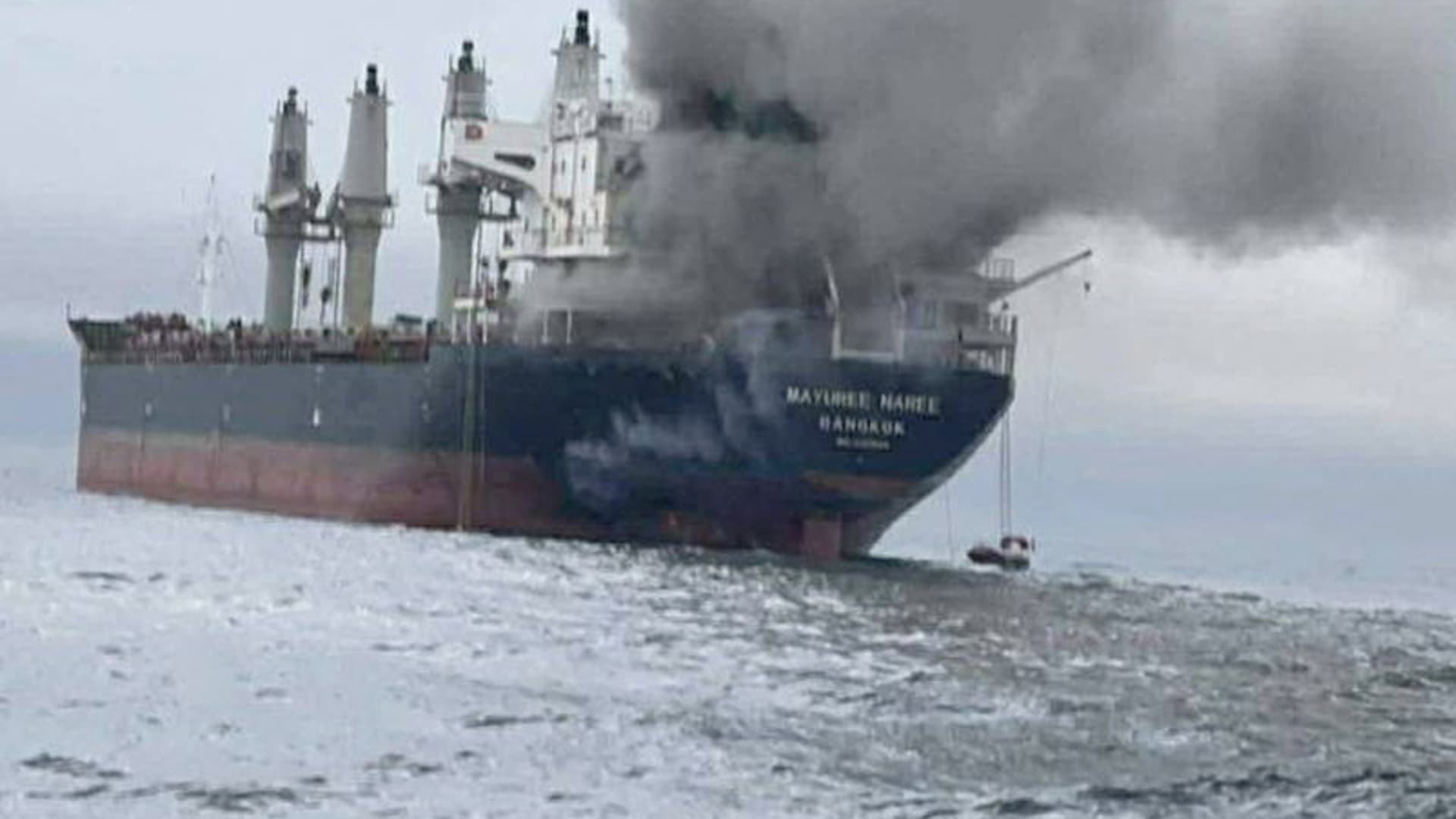
- Global Supply Reduction: The International Energy Agency estimates that the war will cut global oil supply by about 8 million barrels per day, primarily due to the near closure of the Strait of Hormuz, which normally facilitates the transport of 20 million barrels daily, leading to tight market conditions and persistently high oil prices.
- Strategic Reserve Release: The Trump administration plans to release approximately 400 million barrels from strategic reserves, with an expected daily release of 1.4 million barrels over four months; however, even a total global release of 3 million barrels per day may not compensate for the supply shortfall caused by the war, resulting in a weak market response.
- Rising Oil Prices: According to AAA, the price of regular gasoline has increased by $0.69 over the past month, marking a 23% rise, while oil prices in the U.S. market surged from $63 in mid-February to $97 on Friday, reflecting market anxiety over future supply.
- Military Intervention Risks: Despite predictions from Trump and Defense Secretary that the war would be short-lived, escalating tensions increase the likelihood of military intervention, leaving the market uncertain about future oil price trends and posing challenges to economic recovery.
See More
Iran Conflict Triggers Turmoil in Oil Markets


- Surging Oil Prices: The closure of the Strait of Hormuz has led to a sustained rise in global oil prices, with U.S. oil futures exceeding $95 and Brent crude surpassing $100, indicating strong market reactions to supply disruptions.
- Production Shortfall: The U.S. currently produces about 13.7 million barrels of oil per day, and despite significant production increases over the past 15 years, analysts assert that domestic drilling cannot quickly offset the supply gap caused by the Strait of Hormuz closure.
- Policy Impact: The Trump administration's fossil fuel-friendly policies enacted after the 2024 election have failed to effectively address the current crisis, as the tax and spending bill aimed at expanding oil and gas leasing cannot alleviate the upward pressure on prices in the short term.
- Market Expectations: Analysts widely agree that, despite technological advancements in U.S. oil and gas production, the ongoing Middle Eastern turmoil will lead to a prolonged supply-demand imbalance, keeping oil prices elevated for an extended period.
See More

US GDP Growth Revised Down to 0.7%, Core Inflation Rises to 3.1%


- GDP Growth Revision: The US GDP growth for Q4 was revised down to 0.7%, a significant drop from the previous estimate of 1.4% and well below the 1.5% consensus forecast, indicating a notable slowdown that may heighten investor concerns about future economic prospects.
- Consumer Spending Decline: Consumer spending increased by 2% in Q4, but this was a sharp decline from the 3.5% growth in Q3, primarily due to reduced healthcare spending, which could impact overall economic vitality and consumer market confidence.
- Rising Core Inflation: The core PCE price index rose by 0.4% in January, bringing the annual rate to 3.1%, which is higher than December's level, indicating persistent inflation pressures that may compel the Federal Reserve to consider rate hikes in the future.
- Weak Durable Goods Orders: Durable goods orders were flat in January, falling well short of the expected 1.3% increase, reflecting the economy's vulnerability as it enters an energy crisis, potentially increasing stagflation risks and affecting investor confidence.
See More
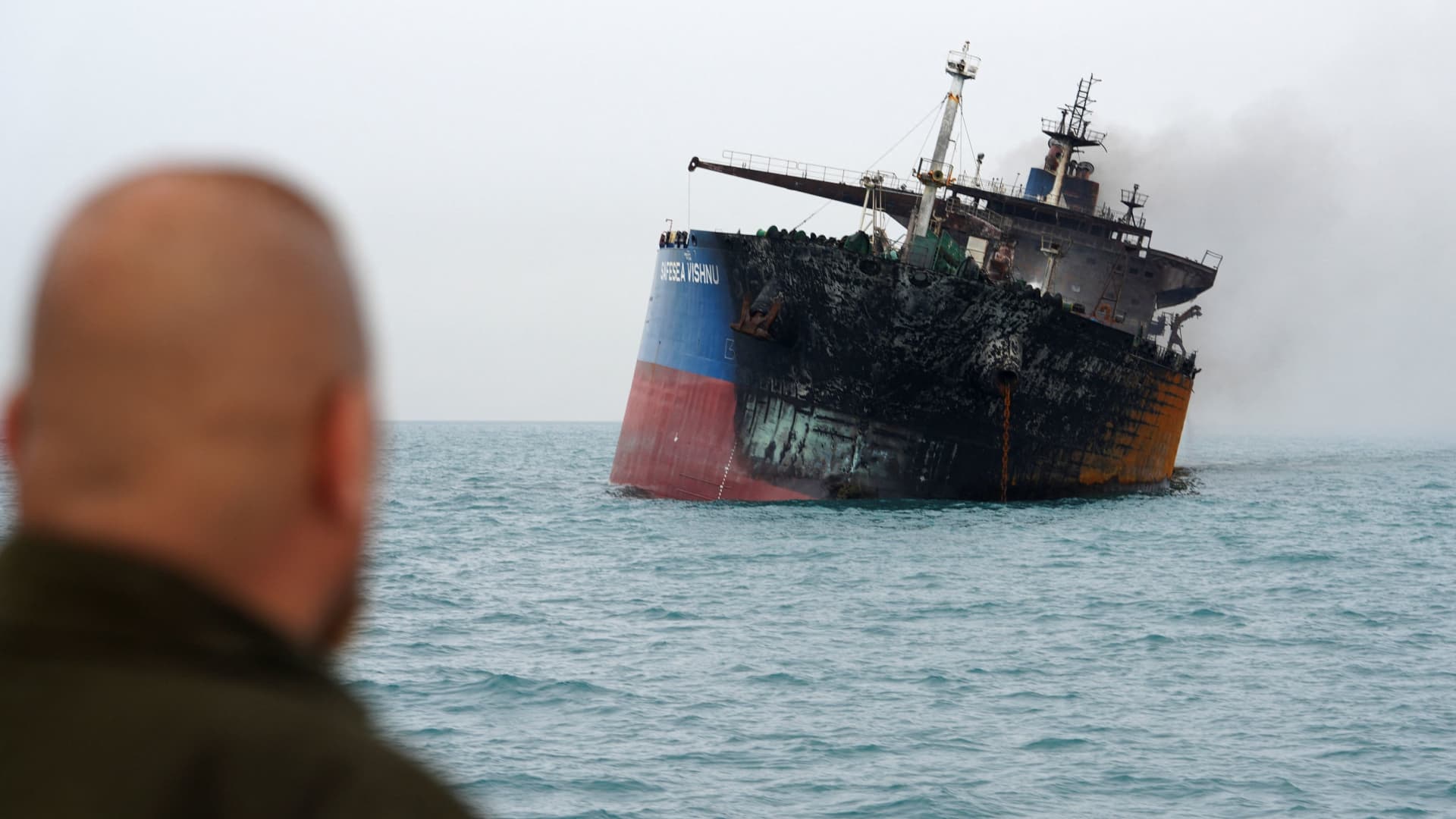
US Launches 60 Trade Investigations Amid Rising Tensions


- Increase in Trade Investigations: The U.S. government launched 60 investigations into forced labor trade practices, reflecting ongoing scrutiny of trade policies from the Trump administration, which may impact operational models and compliance costs in affected industries.
- Surge in Oil Prices: Brent crude oil prices rose 9.22% to surpass $100 per barrel after Iran's new supreme leader stated that the Strait of Hormuz should remain closed, potentially leading to increased global energy costs and exacerbating inflationary pressures.
- Shift in Fed Policy Expectations: The outbreak of the Iran war has diminished market expectations for interest rate cuts by the Federal Reserve this year, with traders now anticipating only one cut in December, which could affect investor confidence and market liquidity.
- Impact of Executive Changes: Adobe's CEO Shantanu Narayen announced his departure, and despite the company reporting first-quarter results that exceeded expectations, its stock fell over 7% in premarket trading, indicating market sensitivity to leadership changes.
See More
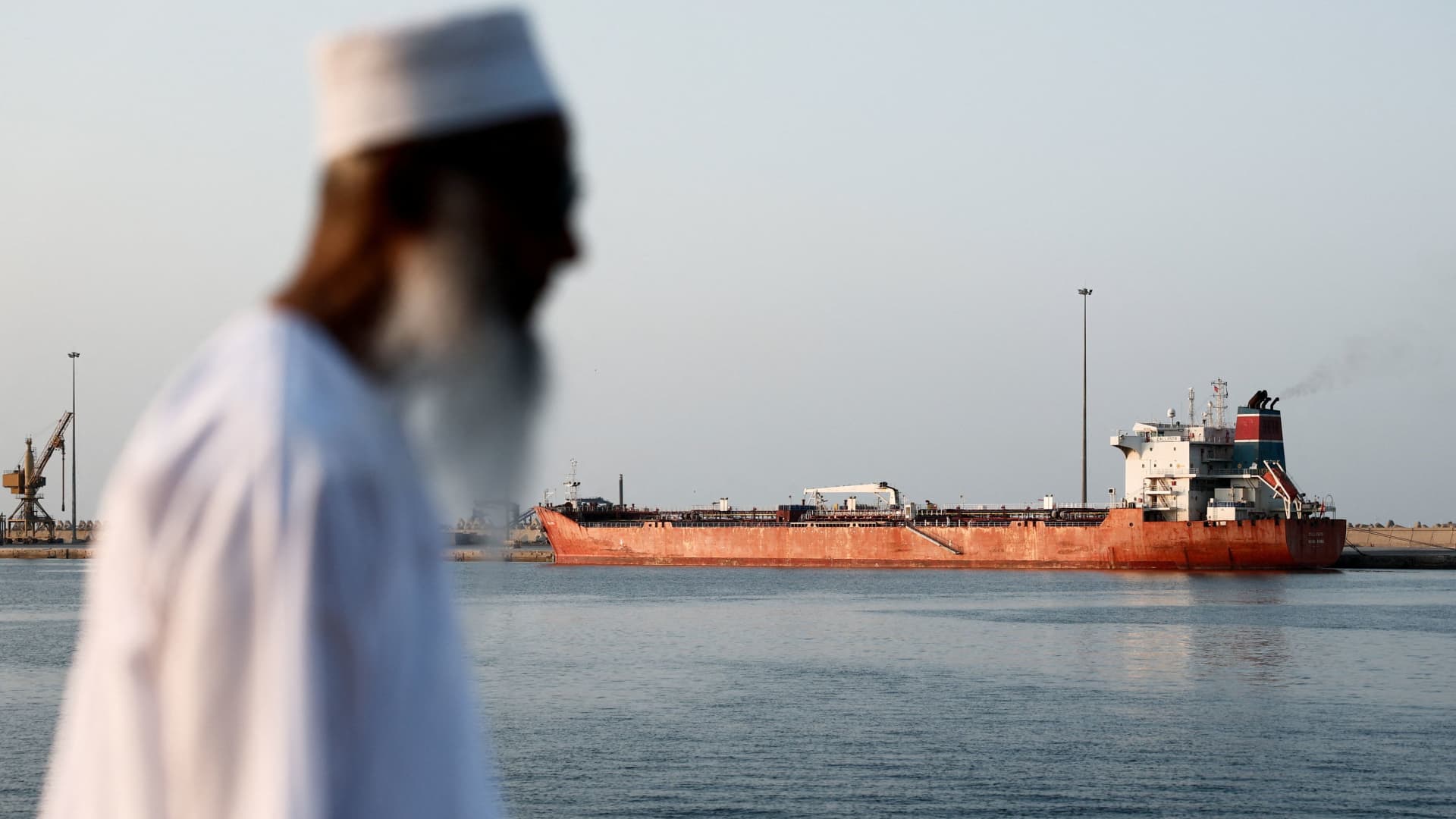
Brent Crude Oil Surpasses $100 Amid U.S.-Iran Conflict

- Oil Price Surge: Brent crude futures rose 0.7% to $101.15 per barrel on Friday morning, reflecting strong market reactions to the ongoing U.S.-Iran conflict, which is expected to have profound implications for the global economy.
- Historic Gains: Brent crude has increased over 9% in the past week, following a staggering 27.9% rise last week, marking the largest weekly gain since the COVID-19 pandemic, indicating escalating concerns over supply disruptions.
- Geopolitical Risks: As the U.S. and Israel's war with Iran enters its third week, market tensions rise over the security situation in the Strait of Hormuz, with an Iranian military spokesperson warning that oil prices could soar to $200 per barrel, intensifying investor anxiety.
- Shifting Market Expectations: Barclays analysts noted that investor expectations regarding the conflict are shifting towards a longer-term view, and as the closure of the Strait of Hormuz extends, stagflation risks may emerge, making central bank policy adjustments a focal point for market watchers.
See More
Middle East Tensions Impact Oil Prices and Stock Markets
- Surging Oil Prices: Brent and WTI crude oil prices rose approximately 3% on Friday, leading to week-to-date gains of over 11% and 8%, respectively, which pressured investor sentiment and caused all three major indices to drop at least 1% this week.
- Strait of Hormuz Closure: Traffic in the Strait of Hormuz has effectively halted due to the outbreak of war, through which about 20% of the world's petroleum consumption passes, with Iran's Supreme Leader stating it will remain closed as a tool to pressure the enemy, significantly impacting global oil markets.
- U.S. Navy Escort Readiness: The U.S. Energy Secretary indicated that the Navy is not yet ready to escort tankers, but expects readiness by the end of the month, which could influence market expectations regarding oil prices and investor confidence.
- Nvidia's Market Support: Despite the potential continuation of the Iran conflict, Nvidia's upcoming GTC conference may provide market support, as analysts express optimism about the company's strategic positioning in AI, likely attracting investor attention amidst broader market uncertainties.
See More
Iran Conflict Triggers Surge in Oil Prices
- Global Supply Reduction: The International Energy Agency estimates that the war will cut global oil supply by about 8 million barrels per day, primarily due to the near closure of the Strait of Hormuz, which normally facilitates the transport of 20 million barrels daily, leading to tight market conditions and persistently high oil prices.
- Strategic Reserve Release: The Trump administration plans to release approximately 400 million barrels from strategic reserves, with an expected daily release of 1.4 million barrels over four months; however, even a total global release of 3 million barrels per day may not compensate for the supply shortfall caused by the war, resulting in a weak market response.
- Rising Oil Prices: According to AAA, the price of regular gasoline has increased by $0.69 over the past month, marking a 23% rise, while oil prices in the U.S. market surged from $63 in mid-February to $97 on Friday, reflecting market anxiety over future supply.
- Military Intervention Risks: Despite predictions from Trump and Defense Secretary that the war would be short-lived, escalating tensions increase the likelihood of military intervention, leaving the market uncertain about future oil price trends and posing challenges to economic recovery.
See More
Iran Conflict Triggers Turmoil in Oil Markets
- Surging Oil Prices: The closure of the Strait of Hormuz has led to a sustained rise in global oil prices, with U.S. oil futures exceeding $95 and Brent crude surpassing $100, indicating strong market reactions to supply disruptions.
- Production Shortfall: The U.S. currently produces about 13.7 million barrels of oil per day, and despite significant production increases over the past 15 years, analysts assert that domestic drilling cannot quickly offset the supply gap caused by the Strait of Hormuz closure.
- Policy Impact: The Trump administration's fossil fuel-friendly policies enacted after the 2024 election have failed to effectively address the current crisis, as the tax and spending bill aimed at expanding oil and gas leasing cannot alleviate the upward pressure on prices in the short term.
- Market Expectations: Analysts widely agree that, despite technological advancements in U.S. oil and gas production, the ongoing Middle Eastern turmoil will lead to a prolonged supply-demand imbalance, keeping oil prices elevated for an extended period.
See More
US GDP Growth Revised Down to 0.7%, Core Inflation Rises to 3.1%
- GDP Growth Revision: The US GDP growth for Q4 was revised down to 0.7%, a significant drop from the previous estimate of 1.4% and well below the 1.5% consensus forecast, indicating a notable slowdown that may heighten investor concerns about future economic prospects.
- Consumer Spending Decline: Consumer spending increased by 2% in Q4, but this was a sharp decline from the 3.5% growth in Q3, primarily due to reduced healthcare spending, which could impact overall economic vitality and consumer market confidence.
- Rising Core Inflation: The core PCE price index rose by 0.4% in January, bringing the annual rate to 3.1%, which is higher than December's level, indicating persistent inflation pressures that may compel the Federal Reserve to consider rate hikes in the future.
- Weak Durable Goods Orders: Durable goods orders were flat in January, falling well short of the expected 1.3% increase, reflecting the economy's vulnerability as it enters an energy crisis, potentially increasing stagflation risks and affecting investor confidence.
See More
US Launches 60 Trade Investigations Amid Rising Tensions
- Increase in Trade Investigations: The U.S. government launched 60 investigations into forced labor trade practices, reflecting ongoing scrutiny of trade policies from the Trump administration, which may impact operational models and compliance costs in affected industries.
- Surge in Oil Prices: Brent crude oil prices rose 9.22% to surpass $100 per barrel after Iran's new supreme leader stated that the Strait of Hormuz should remain closed, potentially leading to increased global energy costs and exacerbating inflationary pressures.
- Shift in Fed Policy Expectations: The outbreak of the Iran war has diminished market expectations for interest rate cuts by the Federal Reserve this year, with traders now anticipating only one cut in December, which could affect investor confidence and market liquidity.
- Impact of Executive Changes: Adobe's CEO Shantanu Narayen announced his departure, and despite the company reporting first-quarter results that exceeded expectations, its stock fell over 7% in premarket trading, indicating market sensitivity to leadership changes.
See More
Brent Crude Oil Surpasses $100 Amid U.S.-Iran Conflict
- Oil Price Surge: Brent crude futures rose 0.7% to $101.15 per barrel on Friday morning, reflecting strong market reactions to the ongoing U.S.-Iran conflict, which is expected to have profound implications for the global economy.
- Historic Gains: Brent crude has increased over 9% in the past week, following a staggering 27.9% rise last week, marking the largest weekly gain since the COVID-19 pandemic, indicating escalating concerns over supply disruptions.
- Geopolitical Risks: As the U.S. and Israel's war with Iran enters its third week, market tensions rise over the security situation in the Strait of Hormuz, with an Iranian military spokesperson warning that oil prices could soar to $200 per barrel, intensifying investor anxiety.
- Shifting Market Expectations: Barclays analysts noted that investor expectations regarding the conflict are shifting towards a longer-term view, and as the closure of the Strait of Hormuz extends, stagflation risks may emerge, making central bank policy adjustments a focal point for market watchers.
See More