Treasury Yields Steady as Oil Prices Rise Amid U.S.-Iran Conflict
Written by Emily J. Thompson, Senior Investment Analyst
Updated: 1 hour ago
0mins
Source: CNBC
- Treasury Yield Trends: As of 6:20 a.m. ET, the benchmark 10-year Treasury yield remained steady at 4.275%, while the 30-year yield rose by 1 basis point to 4.901%, indicating market caution ahead of key economic data.
- Short-Term Yield Fluctuations: The 2-year Treasury yield fell by nearly 2 basis points to 3.744%, reflecting investor focus on the upcoming personal consumption expenditures index, which is the Fed's preferred inflation gauge.
- Oil Price Movements: Brent crude held above $100 on Friday morning, trading at $100.66 per barrel, despite the International Energy Agency's agreement to release a historic 400 million barrels of oil, indicating market concerns over the prolonged U.S.-Iran conflict.
- Inflation Expectations Impact: Analysts noted that while February's CPI met consensus expectations, the escalation of military actions in the Middle East is likely to lift next month's inflation readings due to rising energy prices, potentially increasing market volatility.
Trade with 70% Backtested Accuracy
Stop guessing "Should I Buy VLO?" and start using high-conviction signals backed by rigorous historical data.
Sign up today to access powerful investing tools and make smarter, data-driven decisions.
Analyst Views on VLO
Wall Street analysts forecast VLO stock price to fall
17 Analyst Rating
11 Buy
6 Hold
0 Sell
Moderate Buy
Current: 231.050

Low
149.00
Averages
186.56
High
223.00
Current: 231.050
Low
149.00
Averages
186.56
High
223.00
About VLO
Valero Energy Corporation, through its subsidiaries, is a multinational manufacturer and marketer of petroleum-based and low-carbon liquid transportation fuels and petrochemical products. The Company sells its products primarily in the United States, Canada, the United Kingdom, Ireland and Latin America. Its segments include Refining, Renewable Diesel, and Ethanol. The Refining segment includes the operations of its petroleum refineries, the associated activities to market its refined petroleum products, and the logistics assets that support its refining operations. The Renewable Diesel segment represents the operations of Diamond Green Diesel (DGD), and the associated activities to market renewable diesel, renewable naphtha, and neat SAF. The Ethanol segment includes the operations of its ethanol plants and the associated activities to market its ethanol and co-products. It owns 15 petroleum refineries located in the United States, Canada and the United Kingdom.
About the author

Emily J. Thompson
Emily J. Thompson, a Chartered Financial Analyst (CFA) with 12 years in investment research, graduated with honors from the Wharton School. Specializing in industrial and technology stocks, she provides in-depth analysis for Intellectia’s earnings and market brief reports.

Brent Crude Oil Surpasses $100 Amid U.S.-Iran Conflict


- Oil Price Surge: Brent crude futures rose 0.7% to $101.15 per barrel on Friday morning, reflecting strong market reactions to the ongoing U.S.-Iran conflict, which is expected to have profound implications for the global economy.
- Historic Gains: Brent crude has increased over 9% in the past week, following a staggering 27.9% rise last week, marking the largest weekly gain since the COVID-19 pandemic, indicating escalating concerns over supply disruptions.
- Geopolitical Risks: As the U.S. and Israel's war with Iran enters its third week, market tensions rise over the security situation in the Strait of Hormuz, with an Iranian military spokesperson warning that oil prices could soar to $200 per barrel, intensifying investor anxiety.
- Shifting Market Expectations: Barclays analysts noted that investor expectations regarding the conflict are shifting towards a longer-term view, and as the closure of the Strait of Hormuz extends, stagflation risks may emerge, making central bank policy adjustments a focal point for market watchers.
See More

Treasury Yields Steady as Oil Prices Rise Amid U.S.-Iran Conflict


- Treasury Yield Trends: As of 6:20 a.m. ET, the benchmark 10-year Treasury yield remained steady at 4.275%, while the 30-year yield rose by 1 basis point to 4.901%, indicating market caution ahead of key economic data.
- Short-Term Yield Fluctuations: The 2-year Treasury yield fell by nearly 2 basis points to 3.744%, reflecting investor focus on the upcoming personal consumption expenditures index, which is the Fed's preferred inflation gauge.
- Oil Price Movements: Brent crude held above $100 on Friday morning, trading at $100.66 per barrel, despite the International Energy Agency's agreement to release a historic 400 million barrels of oil, indicating market concerns over the prolonged U.S.-Iran conflict.
- Inflation Expectations Impact: Analysts noted that while February's CPI met consensus expectations, the escalation of military actions in the Middle East is likely to lift next month's inflation readings due to rising energy prices, potentially increasing market volatility.
See More
Middle East Conflict Escalation Drives Oil Prices Surge


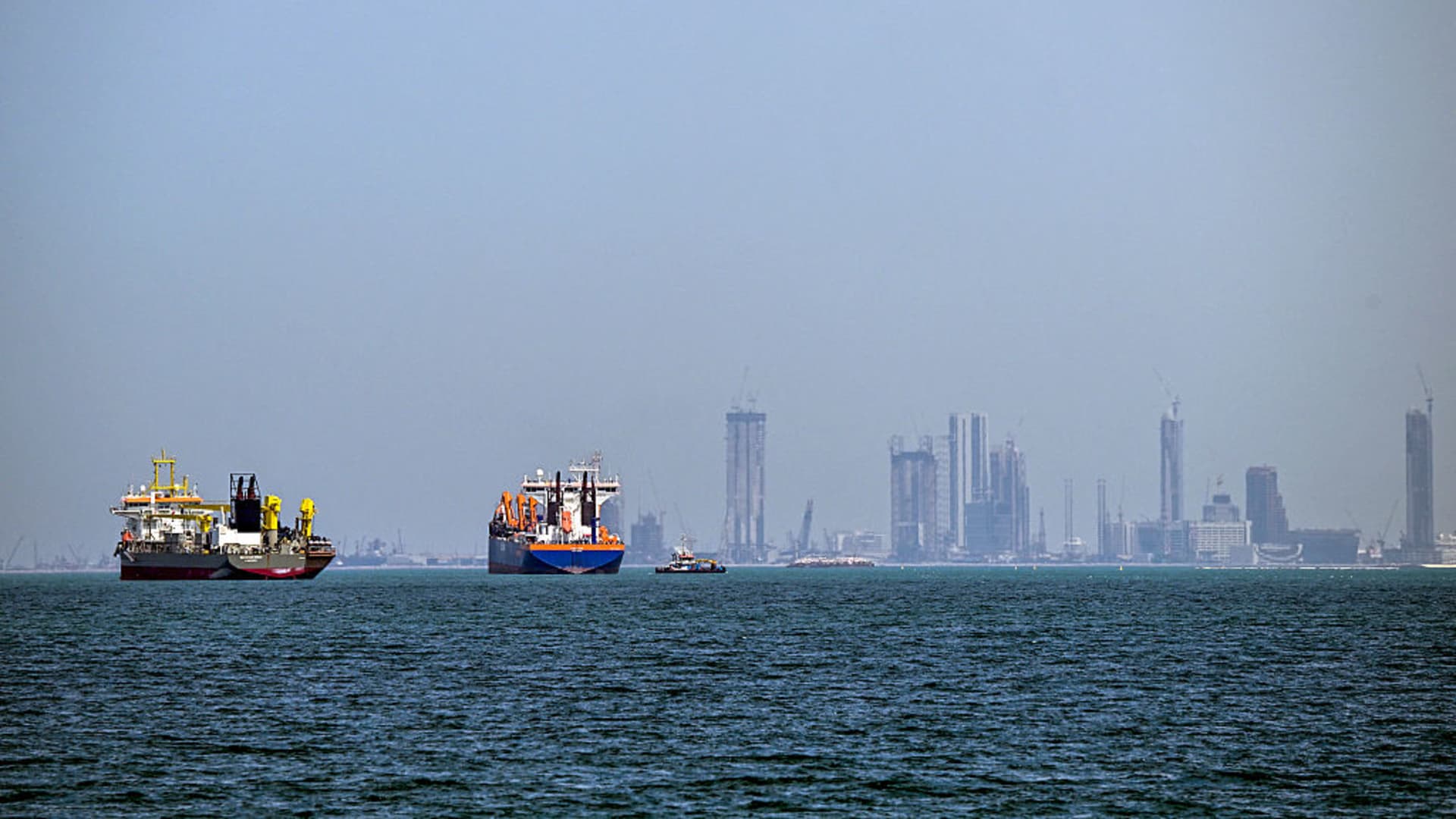
- Oil Price Surge: International benchmark Brent crude jumped 9.22% to close at $100.46 per barrel, marking the first time it has surpassed $100 since August 2022, indicating significant impacts on global energy markets due to escalating tensions in the Middle East.
- Rising Recession Expectations: Bets on prediction market Kalshi that the U.S. economy may enter a recession this year have climbed to 32%, the highest level this year, reflecting growing investor concerns about economic prospects amid rising oil prices.
- Asian Market Reactions: Australia's S&P/ASX 200 index fell 0.3%, Japan's Nikkei 225 dropped 2%, and South Korea's Kospi index slumped nearly 3%, demonstrating market sensitivity to oil price increases and geopolitical risks.
- U.S. Stock Market Decline: Major U.S. stock indexes hit closing lows for 2026, with the Dow Jones Industrial Average falling nearly 740 points to settle below 47,000 for the first time this year, highlighting investor focus on economic data and oil price volatility.
See More
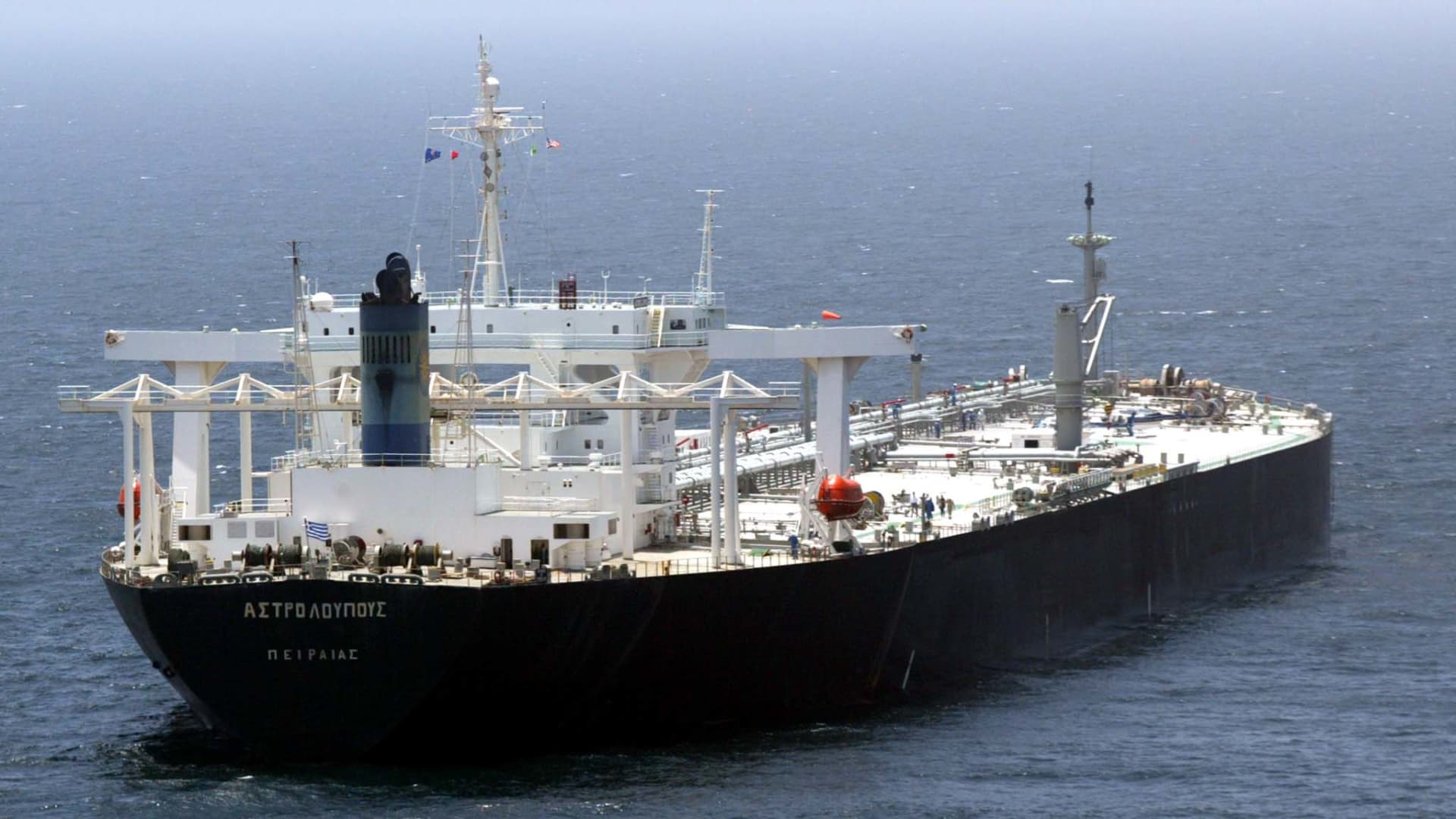
US Temporarily Authorizes Purchase of Russian Oil to Stabilize Markets
- Market Stabilization Measure: U.S. Treasury Secretary Scott Bessent announced a temporary authorization for purchasing stranded Russian oil at sea to stabilize energy markets, characterizing it as a narrowly tailored, short-term measure applicable only to oil already in transit.
- Current Oil Supply Status: As of March 12, approximately 124 million barrels of Russian oil are stranded across 30 locations globally, sufficient to meet about five to six days of supply, which may lead to short-term price fluctuations.
- Impact of Price Volatility: Oil prices have swung sharply due to the Iran war, nearing $120 per barrel on Monday, while Brent crude closed above $100 per barrel on Thursday, indicating significant market instability.
- Sanctions and Revenue: Although the temporary measure may lead to a short-term increase in oil prices, Bessent noted that it would not provide significant financial benefits to the Russian government, as most energy revenue is derived from taxes assessed at the extraction point.
See More

Surge in Oil Prices and Upcoming Economic Data Release

- Oil Price Surge: Brent crude futures have risen 40% since the war began, while West Texas Intermediate has increased by 45%, which could have profound implications for the global economy, particularly amid rising inflationary pressures.
- Economic Data Release: The Personal Consumption Expenditures (PCE) price index is set to be released at 8:30 a.m. ET, with expectations of a 0.3% month-over-month increase and a 2.9% year-over-year rise, providing crucial inflation signals that will influence investor decisions.
- Food Stock Performance: Kroger's stock has gained 10% since the war started and is up about 20% in 2026, demonstrating the resilience and growth potential of food retailers in an uncertain market environment.
- Energy Company Highs: Several energy companies, including Marathon Petroleum and Phillips 66, have reached all-time highs, with increases of 16% and 13% respectively, reflecting strong market expectations for energy demand and a recovering investor confidence in the sector.
See More

US Stocks Plummet as Oil Prices Surge Amid Iran Conflict


- Oil Price Surge Impacts Markets: WTI crude oil prices soared over 9% on Thursday due to fears surrounding the Iran conflict, leading the S&P 500 to drop 1.52%, the Dow Jones by 1.56%, and the Nasdaq 100 by 1.73%, indicating heightened market anxiety over rising inflation.
- Bank Stocks Under Pressure: Morgan Stanley and Cliffwater LLC capped withdrawals from their private credit funds amid high investor redemption requests, causing Ares Management to fall over 6% and Goldman Sachs to drop more than 4%, reflecting growing concerns about credit quality in the market.
- Mixed Economic Data: Initial jobless claims in the US fell to 213,000, better than the expected 215,000, indicating labor market strength; however, January building permits fell 5.4% to 1.376 million, suggesting potential slowdowns in future construction activity, which could dampen market confidence.
- International Tensions Affecting Outlook: Comments from Iran's Supreme Leader heightened concerns about ongoing tensions in the Middle East, with expectations that if the situation remains tense, global oil supply could decrease by 8 million barrels per day, further driving up oil prices and potentially leading to a global economic slowdown.
See More
Brent Crude Oil Surpasses $100 Amid U.S.-Iran Conflict
- Oil Price Surge: Brent crude futures rose 0.7% to $101.15 per barrel on Friday morning, reflecting strong market reactions to the ongoing U.S.-Iran conflict, which is expected to have profound implications for the global economy.
- Historic Gains: Brent crude has increased over 9% in the past week, following a staggering 27.9% rise last week, marking the largest weekly gain since the COVID-19 pandemic, indicating escalating concerns over supply disruptions.
- Geopolitical Risks: As the U.S. and Israel's war with Iran enters its third week, market tensions rise over the security situation in the Strait of Hormuz, with an Iranian military spokesperson warning that oil prices could soar to $200 per barrel, intensifying investor anxiety.
- Shifting Market Expectations: Barclays analysts noted that investor expectations regarding the conflict are shifting towards a longer-term view, and as the closure of the Strait of Hormuz extends, stagflation risks may emerge, making central bank policy adjustments a focal point for market watchers.
See More
Treasury Yields Steady as Oil Prices Rise Amid U.S.-Iran Conflict
- Treasury Yield Trends: As of 6:20 a.m. ET, the benchmark 10-year Treasury yield remained steady at 4.275%, while the 30-year yield rose by 1 basis point to 4.901%, indicating market caution ahead of key economic data.
- Short-Term Yield Fluctuations: The 2-year Treasury yield fell by nearly 2 basis points to 3.744%, reflecting investor focus on the upcoming personal consumption expenditures index, which is the Fed's preferred inflation gauge.
- Oil Price Movements: Brent crude held above $100 on Friday morning, trading at $100.66 per barrel, despite the International Energy Agency's agreement to release a historic 400 million barrels of oil, indicating market concerns over the prolonged U.S.-Iran conflict.
- Inflation Expectations Impact: Analysts noted that while February's CPI met consensus expectations, the escalation of military actions in the Middle East is likely to lift next month's inflation readings due to rising energy prices, potentially increasing market volatility.
See More
Middle East Conflict Escalation Drives Oil Prices Surge
- Oil Price Surge: International benchmark Brent crude jumped 9.22% to close at $100.46 per barrel, marking the first time it has surpassed $100 since August 2022, indicating significant impacts on global energy markets due to escalating tensions in the Middle East.
- Rising Recession Expectations: Bets on prediction market Kalshi that the U.S. economy may enter a recession this year have climbed to 32%, the highest level this year, reflecting growing investor concerns about economic prospects amid rising oil prices.
- Asian Market Reactions: Australia's S&P/ASX 200 index fell 0.3%, Japan's Nikkei 225 dropped 2%, and South Korea's Kospi index slumped nearly 3%, demonstrating market sensitivity to oil price increases and geopolitical risks.
- U.S. Stock Market Decline: Major U.S. stock indexes hit closing lows for 2026, with the Dow Jones Industrial Average falling nearly 740 points to settle below 47,000 for the first time this year, highlighting investor focus on economic data and oil price volatility.
See More
US Temporarily Authorizes Purchase of Russian Oil to Stabilize Markets
- Market Stabilization Measure: U.S. Treasury Secretary Scott Bessent announced a temporary authorization for purchasing stranded Russian oil at sea to stabilize energy markets, characterizing it as a narrowly tailored, short-term measure applicable only to oil already in transit.
- Current Oil Supply Status: As of March 12, approximately 124 million barrels of Russian oil are stranded across 30 locations globally, sufficient to meet about five to six days of supply, which may lead to short-term price fluctuations.
- Impact of Price Volatility: Oil prices have swung sharply due to the Iran war, nearing $120 per barrel on Monday, while Brent crude closed above $100 per barrel on Thursday, indicating significant market instability.
- Sanctions and Revenue: Although the temporary measure may lead to a short-term increase in oil prices, Bessent noted that it would not provide significant financial benefits to the Russian government, as most energy revenue is derived from taxes assessed at the extraction point.
See More
Surge in Oil Prices and Upcoming Economic Data Release
- Oil Price Surge: Brent crude futures have risen 40% since the war began, while West Texas Intermediate has increased by 45%, which could have profound implications for the global economy, particularly amid rising inflationary pressures.
- Economic Data Release: The Personal Consumption Expenditures (PCE) price index is set to be released at 8:30 a.m. ET, with expectations of a 0.3% month-over-month increase and a 2.9% year-over-year rise, providing crucial inflation signals that will influence investor decisions.
- Food Stock Performance: Kroger's stock has gained 10% since the war started and is up about 20% in 2026, demonstrating the resilience and growth potential of food retailers in an uncertain market environment.
- Energy Company Highs: Several energy companies, including Marathon Petroleum and Phillips 66, have reached all-time highs, with increases of 16% and 13% respectively, reflecting strong market expectations for energy demand and a recovering investor confidence in the sector.
See More
US Stocks Plummet as Oil Prices Surge Amid Iran Conflict
- Oil Price Surge Impacts Markets: WTI crude oil prices soared over 9% on Thursday due to fears surrounding the Iran conflict, leading the S&P 500 to drop 1.52%, the Dow Jones by 1.56%, and the Nasdaq 100 by 1.73%, indicating heightened market anxiety over rising inflation.
- Bank Stocks Under Pressure: Morgan Stanley and Cliffwater LLC capped withdrawals from their private credit funds amid high investor redemption requests, causing Ares Management to fall over 6% and Goldman Sachs to drop more than 4%, reflecting growing concerns about credit quality in the market.
- Mixed Economic Data: Initial jobless claims in the US fell to 213,000, better than the expected 215,000, indicating labor market strength; however, January building permits fell 5.4% to 1.376 million, suggesting potential slowdowns in future construction activity, which could dampen market confidence.
- International Tensions Affecting Outlook: Comments from Iran's Supreme Leader heightened concerns about ongoing tensions in the Middle East, with expectations that if the situation remains tense, global oil supply could decrease by 8 million barrels per day, further driving up oil prices and potentially leading to a global economic slowdown.
See More