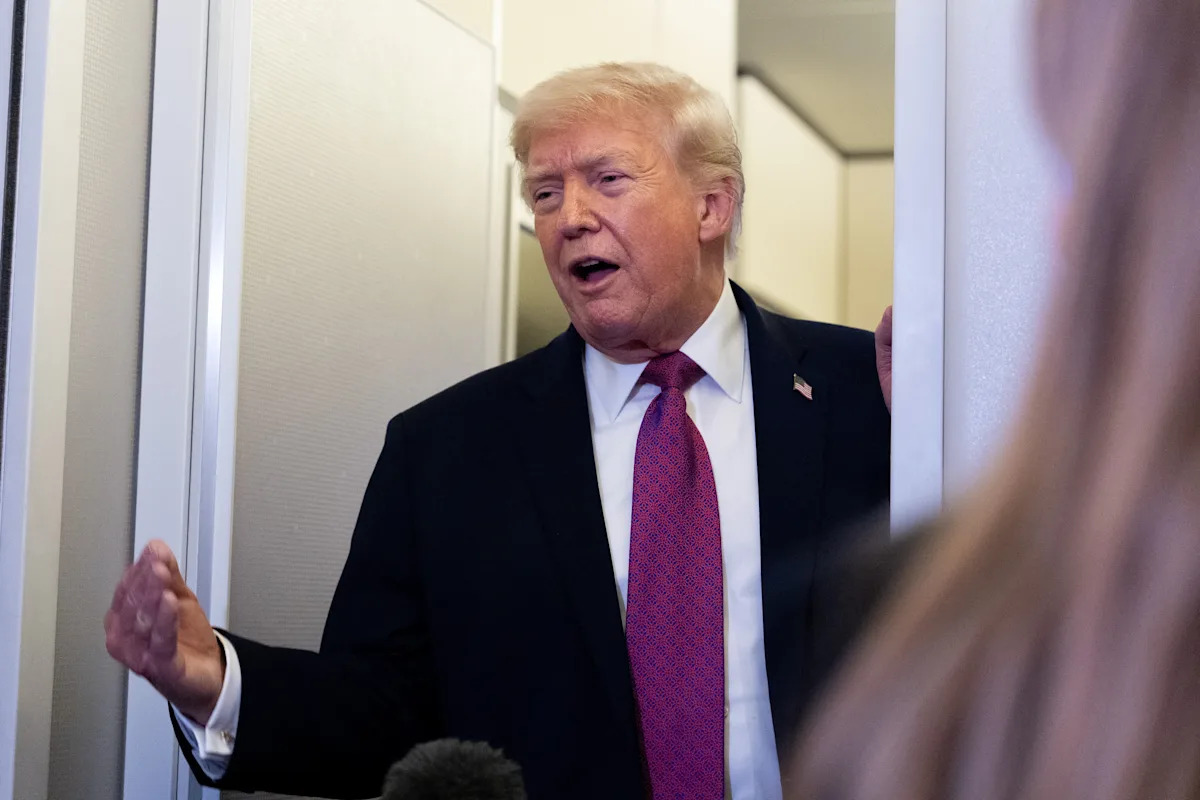
Strait of Hormuz Blockade Drives Gas Prices Higher
Written by Emily J. Thompson, Senior Investment Analyst
Updated: Mar 29 2026
0mins


Source: Fool
- Fertilizer Production Disruption: The blockade of the Strait of Hormuz has left over 1 million tons of fertilizer stranded in the Gulf, leading to shortages for farmers and driving up fertilizer prices, which impacts agricultural production and the food supply chain.
- Strong Performance by CF Industries: CF Industries reported a 19.2% year-over-year increase in net sales for 2025 and repurchased $1.34 billion worth of shares last year, reducing its outstanding shares by approximately 10%, enhancing potential earnings per share, while the current blockade does not affect its production.
- ExxonMobil Benefits from Rising Oil Prices: As the largest publicly traded oil company in the U.S., ExxonMobil saw its stock rise over 80% during the oil price surge in 2022, and it is expected to benefit again in 2026 if the Strait of Hormuz remains closed, despite a slight decline in earnings for 2025.
- Vaalco Energy's Market Advantage: Operating in Gabon, Egypt, and Côte d'Ivoire, Vaalco Energy is unaffected by the Strait of Hormuz blockade, with its stock price up nearly 70% year-to-date, and a dividend yield above 4% providing additional returns for investors.
Trade with 70% Backtested Accuracy
Stop guessing "Should I Buy CF?" and start using high-conviction signals backed by rigorous historical data.
Sign up today to access powerful investing tools and make smarter, data-driven decisions.
Analyst Views on CF
Wall Street analysts forecast CF stock price to fall
11 Analyst Rating
2 Buy
7 Hold
2 Sell
Hold
Current: 112.680

Low
72.00
Averages
87.55
High
100.00
Current: 112.680
Low
72.00
Averages
87.55
High
100.00
About CF
CF Industries Holdings, Inc. is a global manufacturer of hydrogen and nitrogen products. The Company is focused on decarbonizing its ammonia production network to enable low-carbon hydrogen and nitrogen products for energy, fertilizer, emissions abatement and other industrial activities. The Company's segments include Ammonia, Granular Urea, UAN, AN and Other. Ammonia segment produces anhydrous ammonia (ammonia), which is the base product that it manufactures (containing 82% nitrogen and 18% hydrogen). Granular Urea segment produces granular urea, which contains 46% nitrogen. UAN segment produces urea ammonium nitrate solution (UAN). AN segment produces ammonium nitrate (AN). Other segment primarily includes products, such as diesel exhaust fluid (DEF), urea liquor and nitric acid. Its manufacturing complexes in the United States, Canada, and the United Kingdom, a storage, transportation and distribution network in North America, and logistics capabilities enable a global reach.
About the author

Emily J. Thompson
Emily J. Thompson, a Chartered Financial Analyst (CFA) with 12 years in investment research, graduated with honors from the Wharton School. Specializing in industrial and technology stocks, she provides in-depth analysis for Intellectia’s earnings and market brief reports.

Midday Market Moves: Notable Stock Fluctuations


- Stanley Black & Decker Surge: Stanley Black & Decker's stock rose over 4% after the company stated that recent changes to Section 232 tariffs would not materially impact its full-year forecast, indicating strong confidence in its financial outlook.
- Fermi Stock Plunge: Shares of energy infrastructure developer Fermi fell more than 22% following the resignation of CFO Miles Everson and the recent departure of CEO Toby Neugebauer, raising concerns about the company's leadership stability and future direction.
- Biogen's Strategic Move: Biogen's stock increased nearly 3% after agreeing to pay $850 million for exclusive rights to sell felzartamab in China, which underscores its strategic expansion in the immune-related disease treatment market.
- Fertilizer Stocks Fluctuate: Fertilizer stocks experienced volatility as CF Industries rose nearly 2% due to ongoing shipping disruptions in the Strait of Hormuz, while Dow and LyondellBasell Industries also saw gains of about 4% and 2%, respectively, reflecting market reactions to supply chain challenges.
See More

Iran Opens Strait of Hormuz, Fertilizer Stocks Plummet

- Fertilizer Stocks Plummet: Fertilizer stocks faced a sharp decline on Friday as Iran declared the Strait of Hormuz 'completely open' to commercial vessels, with CF Industries and Nutrien dropping 9.6% and 5.2% respectively, marking their lowest levels since early March and indicating a rapid unwinding of the supply-risk premium.
- Market Performance Rankings: CF Industries leads the sector with a year-to-date performance of 61.25%, followed by Intrepid Potash at 41.65% and FMC at 26.75%, reflecting a lingering market confidence in the fertilizer industry despite the easing of supply risks.
- Other Company Performances: CVR Partners, Itafos, and Corteva reported year-to-date gains between 21% and 23%, demonstrating relative resilience in a declining market and indicating their competitive strength within the sector.
- Shifting Market Sentiment: With the opening of the Strait of Hormuz, fertilizer prices have plunged, leading to a shift in market sentiment towards pessimism, particularly as Mosaic only fell 0.6%, suggesting cautious investor sentiment regarding its future outlook.
See More

Iran Reopens Strait of Hormuz, Fertilizer Prices Plummet

- Fertilizer Price Drop: Fertilizer prices plummeted sharply on Friday after Iran's foreign minister announced the reopening of the Strait of Hormuz, with urea prices falling approximately 18% from a peak of $780/ton earlier this week to $640/ton, directly impacting farmers' planting costs.
- Major Companies Affected: CF Industries and Nutrien saw their stock prices drop by 9.6% and 5.2%, respectively, marking their lowest closing prices since early March, while Mosaic's decline was only 0.6%, reflecting market pessimism regarding fertilizer supply prospects.
- Slow Transportation Recovery: Although the Strait of Hormuz is open to all commercial traffic, the number of vessels passing through remains minimal, with fresh cargoes expected to take over a month to reach the U.S., delaying market recovery.
- Impact on Spring Planting Season: For farmers in the early stages of the spring planting season, the drop in fertilizer prices will help reduce production costs; however, the delay in cargo arrivals means they may not benefit immediately in the short term.
See More

Dow Inc. Shares Plunge 10% Amid Market Rally

- Significant Stock Drop: Dow Inc. (DOW) shares fell approximately 10% on Friday, correlating with Iran's announcement that the Strait of Hormuz is open, which alleviated concerns over supply disruptions, leading to poor performance in chemical commodity stocks.
- Weak Industry Performance: Similar to Dow, shares of LyondellBasell Industries (LYB) and CF Industries (CF) dropped 12% and 9%, respectively, indicating the vulnerability of chemical and energy stocks amidst a market rally, reflecting investor concerns over future supply chain stability.
- Chemical Market Dynamics: The Middle East is the largest exporter of commodity chemicals globally, and while the reopening of the Strait of Hormuz may ease supply shocks, analysts expect that due to ongoing low liquid natural gas production, the global market will remain undersupplied, keeping prices elevated in the near term.
- Impact on Plastics Business: With over half of Dow's business reliant on plastic production, and plastic prices having risen 24% since the onset of the war, the company faces heightened risks amid supply chain changes, particularly against the backdrop of fluctuating energy prices.
See More

Energy Stocks Plummet While Travel Stocks Rally


- Energy Stocks Plummet: Energy stocks fell sharply as oil prices dropped over 12% after Iran opened the Strait of Hormuz during the ceasefire between Israel and Lebanon, with APA Corporation down more than 9% and Valero Energy falling over 8.5%, negatively impacting overall confidence in the energy sector.
- Travel Stocks Rally: Following Iran's announcement to open the Strait of Hormuz for commercial shipping, Royal Caribbean surged 9.7%, United Airlines jumped over 9%, and Expedia gained 5%, reflecting optimistic market sentiment regarding travel recovery.
- Critical Metals Surge: Greenland's government approved the transfer of a 50.5% interest in Tanbreez Mining to Critical Metals, increasing its stake in the rare earths mine to 92.5%, which propelled the company's shares up over 40%, highlighting the strategic importance of rare earth resources.
- Netflix Disappoints: Streaming giant Netflix saw its stock drop 9% as it projected second-quarter earnings of 78 cents per share, missing the 84 cents forecast by analysts, compounded by co-founder Reed Hastings' announcement to leave the board in June, further dampening investor confidence.
See More
Israel and Lebanon Reach Historic Ceasefire Agreement

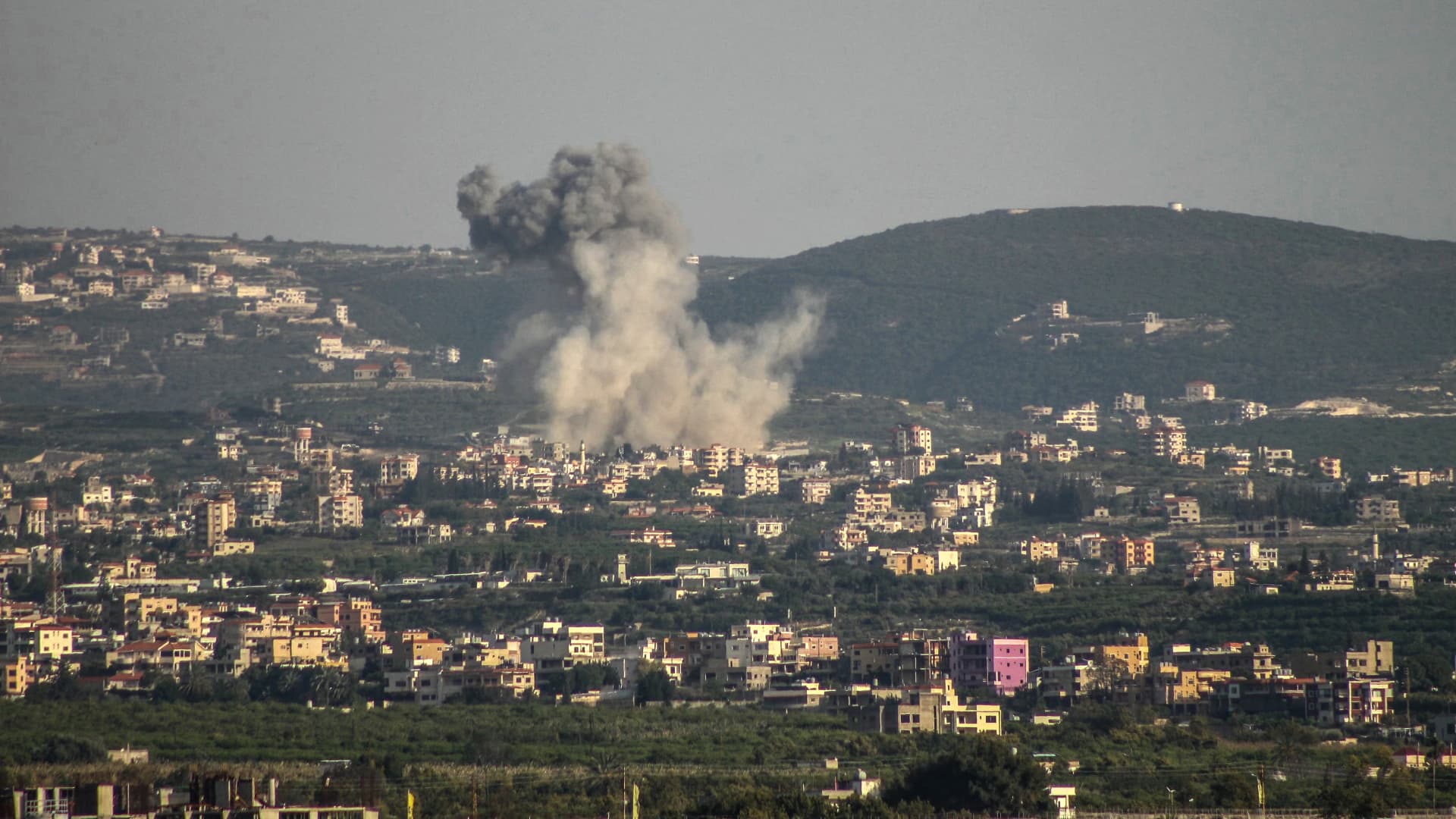
- Historic Ceasefire Agreement: Israel and Lebanon have reached a 10-day ceasefire agreement in Washington, marking the first meaningful talks between the two nations since 1983, potentially paving the way for a broader peace agreement in the Middle East.
- Positive Market Reaction: Israel's central bank governor noted that markets are responding positively to the latest peace developments, with major markets holding near record highs, reflecting investor optimism for stability in the region despite ongoing geopolitical uncertainties.
- U.S. Diplomatic Efforts: President Trump plans to invite Israeli Prime Minister Netanyahu and Lebanese President Aoun for talks, further advancing the improvement of relations between the two countries and highlighting the U.S.'s active role in the Middle East peace process.
- Impact of Iranian Situation: Trump mentioned that the war in Iran is progressing well and is expected to end soon, a statement that could influence regional security dynamics and market reactions, prompting investors to monitor future military and diplomatic developments.
See More
Midday Market Moves: Notable Stock Fluctuations
- Stanley Black & Decker Surge: Stanley Black & Decker's stock rose over 4% after the company stated that recent changes to Section 232 tariffs would not materially impact its full-year forecast, indicating strong confidence in its financial outlook.
- Fermi Stock Plunge: Shares of energy infrastructure developer Fermi fell more than 22% following the resignation of CFO Miles Everson and the recent departure of CEO Toby Neugebauer, raising concerns about the company's leadership stability and future direction.
- Biogen's Strategic Move: Biogen's stock increased nearly 3% after agreeing to pay $850 million for exclusive rights to sell felzartamab in China, which underscores its strategic expansion in the immune-related disease treatment market.
- Fertilizer Stocks Fluctuate: Fertilizer stocks experienced volatility as CF Industries rose nearly 2% due to ongoing shipping disruptions in the Strait of Hormuz, while Dow and LyondellBasell Industries also saw gains of about 4% and 2%, respectively, reflecting market reactions to supply chain challenges.
See More
Iran Opens Strait of Hormuz, Fertilizer Stocks Plummet
- Fertilizer Stocks Plummet: Fertilizer stocks faced a sharp decline on Friday as Iran declared the Strait of Hormuz 'completely open' to commercial vessels, with CF Industries and Nutrien dropping 9.6% and 5.2% respectively, marking their lowest levels since early March and indicating a rapid unwinding of the supply-risk premium.
- Market Performance Rankings: CF Industries leads the sector with a year-to-date performance of 61.25%, followed by Intrepid Potash at 41.65% and FMC at 26.75%, reflecting a lingering market confidence in the fertilizer industry despite the easing of supply risks.
- Other Company Performances: CVR Partners, Itafos, and Corteva reported year-to-date gains between 21% and 23%, demonstrating relative resilience in a declining market and indicating their competitive strength within the sector.
- Shifting Market Sentiment: With the opening of the Strait of Hormuz, fertilizer prices have plunged, leading to a shift in market sentiment towards pessimism, particularly as Mosaic only fell 0.6%, suggesting cautious investor sentiment regarding its future outlook.
See More
Iran Reopens Strait of Hormuz, Fertilizer Prices Plummet
- Fertilizer Price Drop: Fertilizer prices plummeted sharply on Friday after Iran's foreign minister announced the reopening of the Strait of Hormuz, with urea prices falling approximately 18% from a peak of $780/ton earlier this week to $640/ton, directly impacting farmers' planting costs.
- Major Companies Affected: CF Industries and Nutrien saw their stock prices drop by 9.6% and 5.2%, respectively, marking their lowest closing prices since early March, while Mosaic's decline was only 0.6%, reflecting market pessimism regarding fertilizer supply prospects.
- Slow Transportation Recovery: Although the Strait of Hormuz is open to all commercial traffic, the number of vessels passing through remains minimal, with fresh cargoes expected to take over a month to reach the U.S., delaying market recovery.
- Impact on Spring Planting Season: For farmers in the early stages of the spring planting season, the drop in fertilizer prices will help reduce production costs; however, the delay in cargo arrivals means they may not benefit immediately in the short term.
See More
Dow Inc. Shares Plunge 10% Amid Market Rally
- Significant Stock Drop: Dow Inc. (DOW) shares fell approximately 10% on Friday, correlating with Iran's announcement that the Strait of Hormuz is open, which alleviated concerns over supply disruptions, leading to poor performance in chemical commodity stocks.
- Weak Industry Performance: Similar to Dow, shares of LyondellBasell Industries (LYB) and CF Industries (CF) dropped 12% and 9%, respectively, indicating the vulnerability of chemical and energy stocks amidst a market rally, reflecting investor concerns over future supply chain stability.
- Chemical Market Dynamics: The Middle East is the largest exporter of commodity chemicals globally, and while the reopening of the Strait of Hormuz may ease supply shocks, analysts expect that due to ongoing low liquid natural gas production, the global market will remain undersupplied, keeping prices elevated in the near term.
- Impact on Plastics Business: With over half of Dow's business reliant on plastic production, and plastic prices having risen 24% since the onset of the war, the company faces heightened risks amid supply chain changes, particularly against the backdrop of fluctuating energy prices.
See More
Energy Stocks Plummet While Travel Stocks Rally
- Energy Stocks Plummet: Energy stocks fell sharply as oil prices dropped over 12% after Iran opened the Strait of Hormuz during the ceasefire between Israel and Lebanon, with APA Corporation down more than 9% and Valero Energy falling over 8.5%, negatively impacting overall confidence in the energy sector.
- Travel Stocks Rally: Following Iran's announcement to open the Strait of Hormuz for commercial shipping, Royal Caribbean surged 9.7%, United Airlines jumped over 9%, and Expedia gained 5%, reflecting optimistic market sentiment regarding travel recovery.
- Critical Metals Surge: Greenland's government approved the transfer of a 50.5% interest in Tanbreez Mining to Critical Metals, increasing its stake in the rare earths mine to 92.5%, which propelled the company's shares up over 40%, highlighting the strategic importance of rare earth resources.
- Netflix Disappoints: Streaming giant Netflix saw its stock drop 9% as it projected second-quarter earnings of 78 cents per share, missing the 84 cents forecast by analysts, compounded by co-founder Reed Hastings' announcement to leave the board in June, further dampening investor confidence.
See More
Israel and Lebanon Reach Historic Ceasefire Agreement
- Historic Ceasefire Agreement: Israel and Lebanon have reached a 10-day ceasefire agreement in Washington, marking the first meaningful talks between the two nations since 1983, potentially paving the way for a broader peace agreement in the Middle East.
- Positive Market Reaction: Israel's central bank governor noted that markets are responding positively to the latest peace developments, with major markets holding near record highs, reflecting investor optimism for stability in the region despite ongoing geopolitical uncertainties.
- U.S. Diplomatic Efforts: President Trump plans to invite Israeli Prime Minister Netanyahu and Lebanese President Aoun for talks, further advancing the improvement of relations between the two countries and highlighting the U.S.'s active role in the Middle East peace process.
- Impact of Iranian Situation: Trump mentioned that the war in Iran is progressing well and is expected to end soon, a statement that could influence regional security dynamics and market reactions, prompting investors to monitor future military and diplomatic developments.
See More