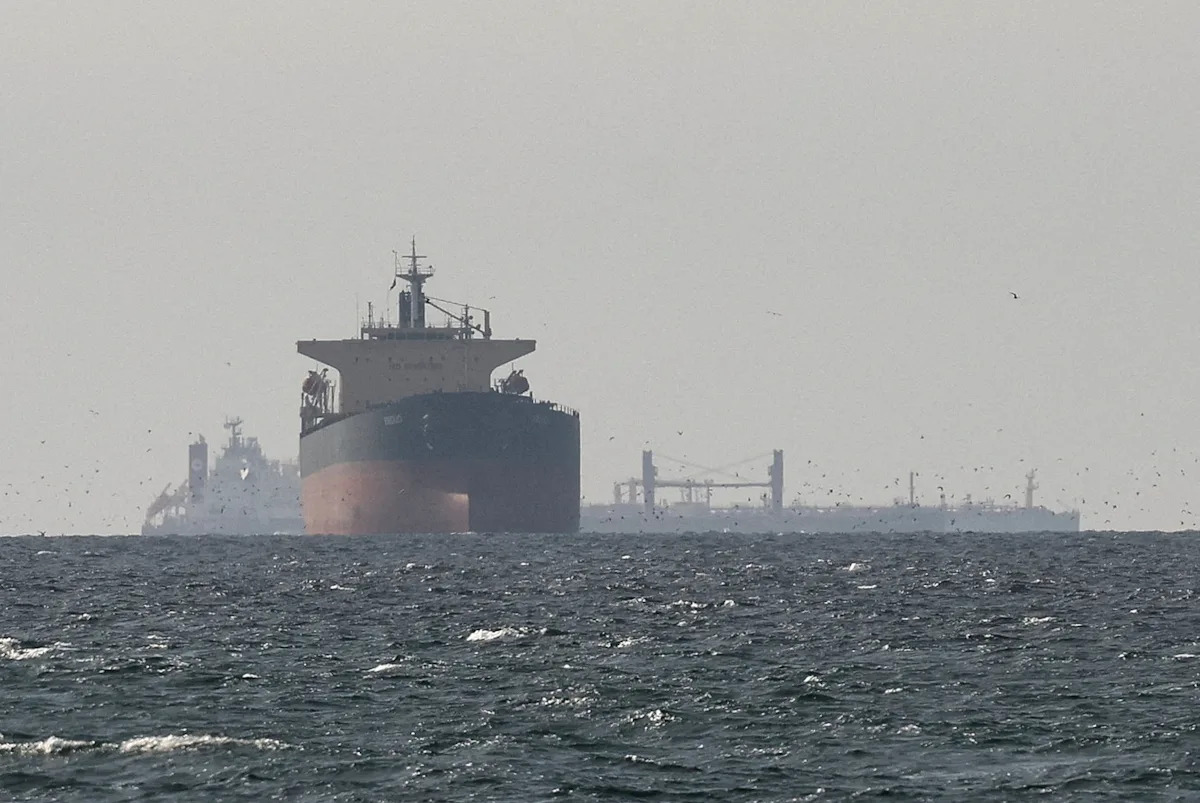
Scorpio Tankers Sells Two LR2 Tankers for $52.3M Each and Purchases Newbuilds
Written by Emily J. Thompson, Senior Investment Analyst
Updated: Dec 16 2025
0mins
Should l Buy STNG?
Source: Newsfilter
- Asset Sales: Scorpio Tankers has entered into agreements to sell two 2016-built LR2 product tankers for $52.3 million each, with expected closing in Q1 2026, thereby optimizing its asset portfolio and reducing financial burdens.
- Debt Repayment: The sale of the STI Gallantry tanker will enable the company to fully repay $23.4 million in lease obligations by the end of 2025, further improving its financial condition and enhancing liquidity.
- Newbuilding Purchases: The company has also signed agreements to purchase two scrubber-fitted LR2 newbuilding product tankers for $70.8 million each, with deliveries expected in Q3 2027, thereby enhancing future transportation capacity.
- Market Expansion: This transaction will enhance Scorpio Tankers' competitiveness in the global petroleum transportation market, particularly as environmental regulations tighten, with the new scrubber tankers helping to meet the demand for cleaner shipping solutions.
Trade with 70% Backtested Accuracy
Stop guessing "Should I Buy STNG?" and start using high-conviction signals backed by rigorous historical data.
Sign up today to access powerful investing tools and make smarter, data-driven decisions.
Analyst Views on STNG
Wall Street analysts forecast STNG stock price to rise
4 Analyst Rating
3 Buy
0 Hold
1 Sell
Moderate Buy
Current: 67.420

Low
53.00
Averages
72.00
High
80.00
Current: 67.420
Low
53.00
Averages
72.00
High
80.00
About STNG
Scorpio Tankers Inc is a Monaco-based provider in the transportation of refined petroleum products. The Company involves in the oil, seaborne transportation of refined petroleum products from the tanker industry to the international shipping markets. It operates through four segments: Handymax, MR (Medium Range), Long Range 1 (LR1)/Panamax and Long Range 2 (LR2)/Aframax. It consists of 113 wholly owned, finance leased or bareboat chartered-in tankers (39 LR2, 60 MR and 14 Handymax). The segments represent a different type of vessel being around 110 with which it operates with the smaller and bigger type of ships that include Handymax, MR, LR1 and LR2 under its own ownership as well as finance, leased or chartered in.
About the author

Emily J. Thompson
Emily J. Thompson, a Chartered Financial Analyst (CFA) with 12 years in investment research, graduated with honors from the Wharton School. Specializing in industrial and technology stocks, she provides in-depth analysis for Intellectia’s earnings and market brief reports.
U.S. Navy to Escort Vessels Through Strait of Hormuz


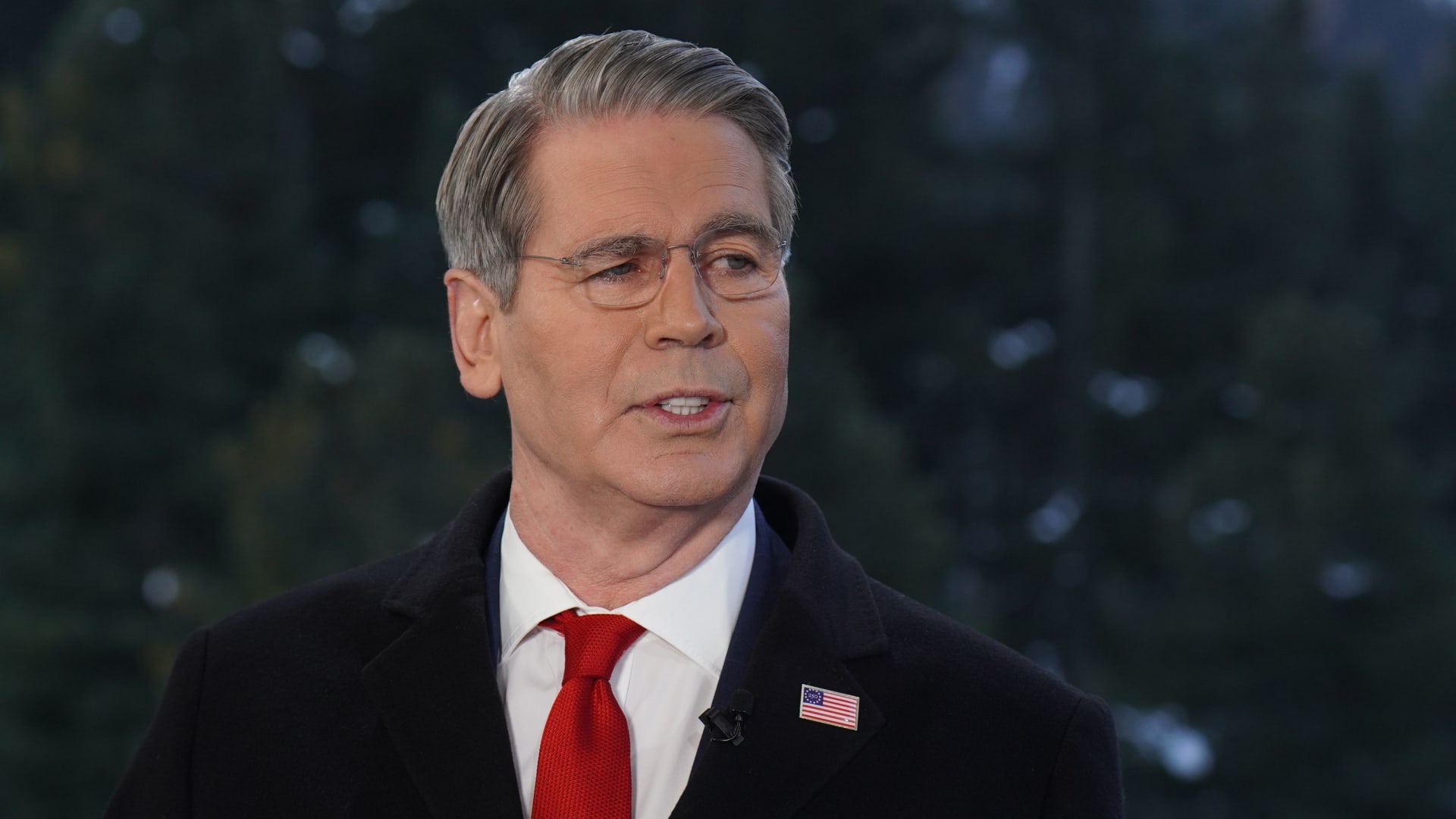
- Escort Plan Initiation: Treasury Secretary Scott Bessent announced that the U.S. Navy will begin escorting vessels through the Strait of Hormuz as soon as militarily feasible, highlighting the U.S. commitment to ensuring the safe passage of oil tankers, which could influence global oil price trends.
- Oil Price Volatility: The closure of the Strait due to the U.S.-Israel conflict with Iran has led to a spike in crude oil prices, and Bessent's comments may alleviate market concerns about further price increases, thereby boosting investor confidence.
- International Cooperation Outlook: Bessent mentioned the potential for collaboration with an international coalition for escorting vessels, a strategic move that not only enhances U.S. influence in the Middle East but may also encourage other nations to participate in securing global energy transportation.
- Air Control Advantage: Bessent emphasized the U.S. air superiority in the region, noting that the Iranian Navy has been significantly weakened, which provides favorable conditions for U.S. Navy escorts to ensure the safe passage of tankers through the Strait of Hormuz.
See More
IEA Announces Massive Oil Reserve Withdrawal Amid Market Turmoil
- Oil Market Volatility: Despite the IEA's announcement of a 400 million-barrel strategic reserve release, oil prices fell by 5%, indicating market sensitivity to geopolitical risks, particularly regarding the uncertain situation in the Strait of Hormuz.
- Major Indices Performance: On Wednesday, all major indices except the Nasdaq, which rose 0.08% to 22,716, declined, with the Dow Jones Industrial Average dropping 0.61% to 47,417, reflecting investor concerns over oil price fluctuations.
- Rising Bond Yields: On Wednesday, yields across all maturities increased, with the 30-year bond yield reaching 4.88% and the 10-year note at 4.23%, indicating changing market expectations regarding future inflation.
- Cryptocurrency Market Resilience: Despite ongoing geopolitical tensions, Bitcoin remained stable near $70,000, demonstrating market sensitivity to oil price fluctuations, while traders showed increased confidence in potential price increases.
See More
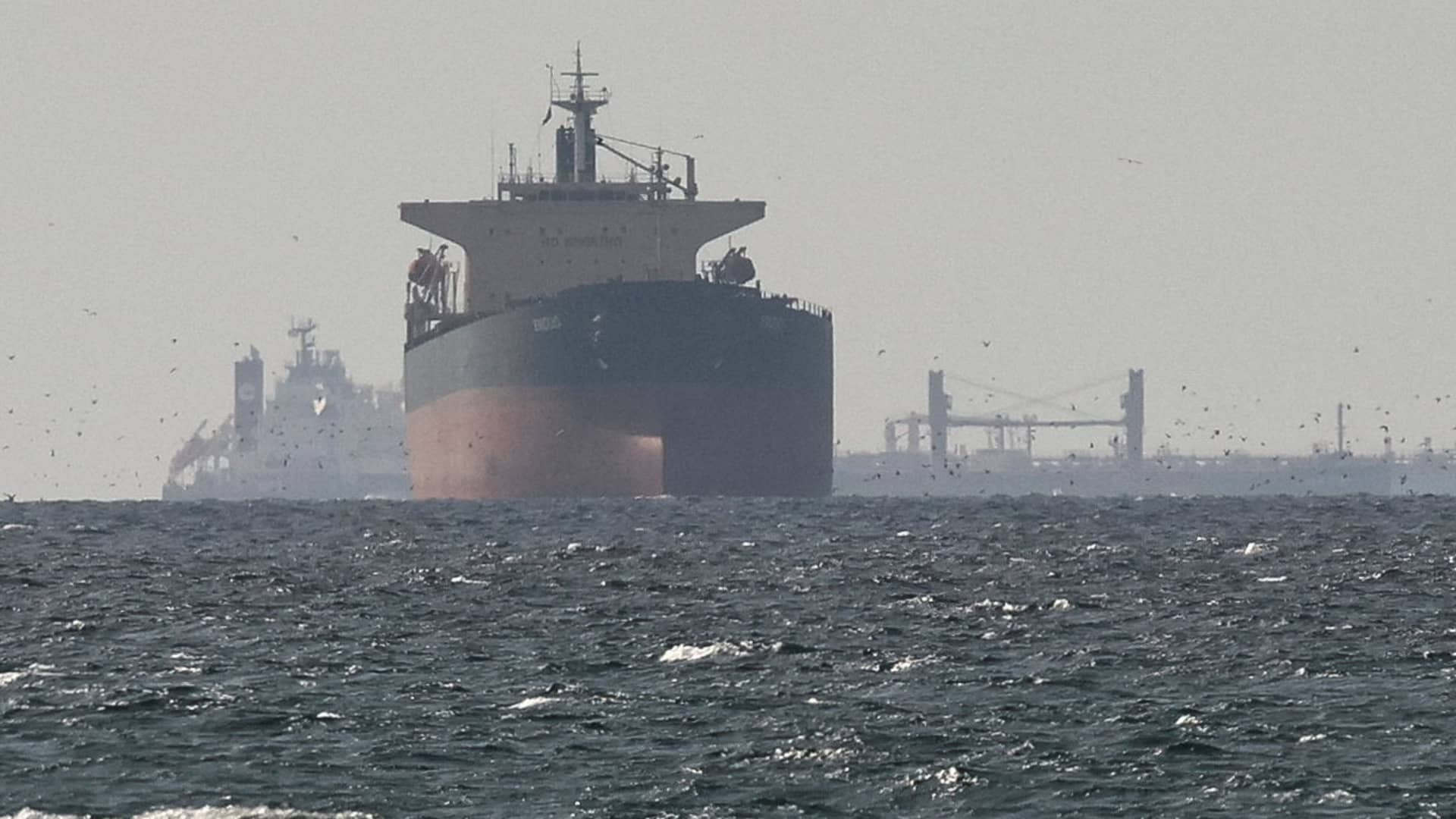
Strait of Hormuz Situation Disrupts Global Supply Chains

- Oil Price Volatility: The International Energy Agency's unprecedented release of 400 million barrels from reserves comes as oil shipments through the Strait of Hormuz halt, creating upward pressure on oil prices that could slow economic growth in the U.S. and globally.
- Aluminum Supply Tightening: With the Middle East accounting for 21% of U.S. unwrought aluminum imports in 2025, escalating conflict could drive aluminum prices higher, impacting production costs in automotive, aerospace, and construction sectors, thereby increasing manufacturing pressures.
- Fertilizer Price Surge: Urea prices at the New Orleans fertilizer hub have risen from $475 to $680 per metric ton, and potential disruptions during the spring planting season could exacerbate food inflation, affecting soybean and corn cultivation.
- Retail Cost Increases: Rerouting shipping lanes may extend consumer delivery times by 1 to 10 days while raising logistics costs by 5% to 20%, leading retailers to face higher inbound logistics costs and inventory delays, ultimately pushing up product prices.
See More
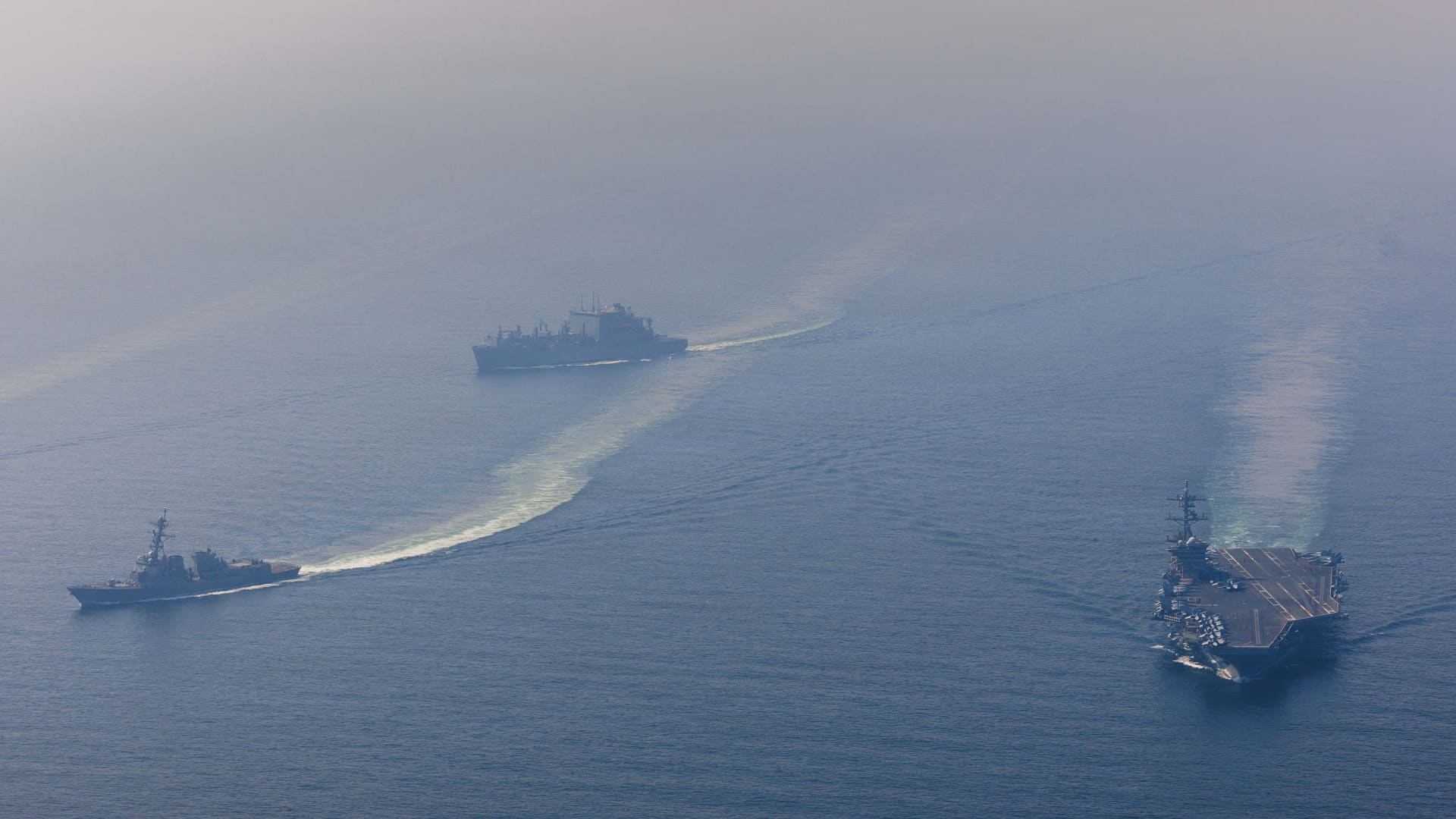
US Sinks Iranian Ships Amid Strait of Hormuz Tensions

- Military Escalation: The U.S. Central Command reported that American forces sank several Iranian ships, including 16 minelayers, near the Strait of Hormuz on Tuesday, responding to Iran's threat of mining the waterway, which could severely impact global energy supplies.
- Oil Price Volatility: Oil prices surged to nearly $120 a barrel on Monday due to escalating conflict, although they have since retreated, with U.S. WTI crude trading at $83.8 and global benchmark Brent at $87.9, reflecting market sensitivity to geopolitical risks.
- Iranian Naval Capability: Despite CNN's report of Iran laying a few mines recently in the Strait, Iran retains over 80% of its small boats and minelayers, potentially laying hundreds of mines, which could further escalate regional tensions.
- U.S. Navy Response Strategy: President Trump stated he ordered the U.S. Development Finance Corporation to provide political risk insurance for all maritime trade through the Gulf, although the U.S. Navy has declined shipping industry requests for escort due to high attack risks, potentially affecting energy transport security.
See More

Scorpio Tankers Sells Three Product Tankers
- Transaction Overview: Scorpio Tankers has entered into agreements to sell two 2015-built scrubber-fitted MR product tankers, STI Seneca and STI Osceola, for $35 million each, along with a 2015-built LR2 product tanker, STI Solidarity, for $60 million, with expected closure in Q1 or Q2 of 2026.
- Financing Context: The vessels are currently financed through the company's $1 billion credit facility from 2023, with an outstanding debt balance of $20.2 million, and this sale is expected to alleviate financial burdens and optimize asset structure.
- Market Reaction Anticipation: The sale will free up capital that could be redirected towards new ship orders or other strategic investments, enhancing the company's competitiveness in the shipping market, particularly as global energy demand continues to rise.
- Future Outlook: Alongside the sale announcement, Scorpio Tankers has declared options for two additional newbuildings, raising its Dalian order to four ships, reflecting the company's confidence and intent to expand in the future market.
See More

Strait of Hormuz Shipping Disruptions Drive Oil Tanker Costs to Record Highs

- Shipping Costs Surge: Due to the conflict between the U.S. and Iran, shipping through the Strait of Hormuz has been severely disrupted, with Very Large Crude Carriers (VLCC) reaching a record daily rate of $423,736, representing an increase of over 94% from last Friday, directly impacting transportation costs in the global energy market.
- Insurance Coverage Canceled: Major marine insurers have scrapped war risk coverage for vessels operating in the Middle East, leading to increased risks for shipowners navigating the Strait of Hormuz, despite the waterway not being officially closed, which will further exacerbate shipping costs and supply delays.
- Global Energy Prices Rise: With shipping disruptions, global oil and gas prices have significantly increased, expected to create ripple effects in international markets, especially affecting the one-third of seaborne crude oil and 19% of liquefied natural gas flows that transit through the Strait of Hormuz.
- Shipping Companies' Response: Shipping giants, including Maersk, have suspended special cargo acceptance in the UAE, Oman, and other regions, indicating that shipping companies are prioritizing safety amid deteriorating security conditions, which may lead to decreased liquidity in global trade.
See More
U.S. Navy to Escort Vessels Through Strait of Hormuz
- Escort Plan Initiation: Treasury Secretary Scott Bessent announced that the U.S. Navy will begin escorting vessels through the Strait of Hormuz as soon as militarily feasible, highlighting the U.S. commitment to ensuring the safe passage of oil tankers, which could influence global oil price trends.
- Oil Price Volatility: The closure of the Strait due to the U.S.-Israel conflict with Iran has led to a spike in crude oil prices, and Bessent's comments may alleviate market concerns about further price increases, thereby boosting investor confidence.
- International Cooperation Outlook: Bessent mentioned the potential for collaboration with an international coalition for escorting vessels, a strategic move that not only enhances U.S. influence in the Middle East but may also encourage other nations to participate in securing global energy transportation.
- Air Control Advantage: Bessent emphasized the U.S. air superiority in the region, noting that the Iranian Navy has been significantly weakened, which provides favorable conditions for U.S. Navy escorts to ensure the safe passage of tankers through the Strait of Hormuz.
See More
IEA Announces Massive Oil Reserve Withdrawal Amid Market Turmoil
- Oil Market Volatility: Despite the IEA's announcement of a 400 million-barrel strategic reserve release, oil prices fell by 5%, indicating market sensitivity to geopolitical risks, particularly regarding the uncertain situation in the Strait of Hormuz.
- Major Indices Performance: On Wednesday, all major indices except the Nasdaq, which rose 0.08% to 22,716, declined, with the Dow Jones Industrial Average dropping 0.61% to 47,417, reflecting investor concerns over oil price fluctuations.
- Rising Bond Yields: On Wednesday, yields across all maturities increased, with the 30-year bond yield reaching 4.88% and the 10-year note at 4.23%, indicating changing market expectations regarding future inflation.
- Cryptocurrency Market Resilience: Despite ongoing geopolitical tensions, Bitcoin remained stable near $70,000, demonstrating market sensitivity to oil price fluctuations, while traders showed increased confidence in potential price increases.
See More
Strait of Hormuz Situation Disrupts Global Supply Chains
- Oil Price Volatility: The International Energy Agency's unprecedented release of 400 million barrels from reserves comes as oil shipments through the Strait of Hormuz halt, creating upward pressure on oil prices that could slow economic growth in the U.S. and globally.
- Aluminum Supply Tightening: With the Middle East accounting for 21% of U.S. unwrought aluminum imports in 2025, escalating conflict could drive aluminum prices higher, impacting production costs in automotive, aerospace, and construction sectors, thereby increasing manufacturing pressures.
- Fertilizer Price Surge: Urea prices at the New Orleans fertilizer hub have risen from $475 to $680 per metric ton, and potential disruptions during the spring planting season could exacerbate food inflation, affecting soybean and corn cultivation.
- Retail Cost Increases: Rerouting shipping lanes may extend consumer delivery times by 1 to 10 days while raising logistics costs by 5% to 20%, leading retailers to face higher inbound logistics costs and inventory delays, ultimately pushing up product prices.
See More
US Sinks Iranian Ships Amid Strait of Hormuz Tensions
- Military Escalation: The U.S. Central Command reported that American forces sank several Iranian ships, including 16 minelayers, near the Strait of Hormuz on Tuesday, responding to Iran's threat of mining the waterway, which could severely impact global energy supplies.
- Oil Price Volatility: Oil prices surged to nearly $120 a barrel on Monday due to escalating conflict, although they have since retreated, with U.S. WTI crude trading at $83.8 and global benchmark Brent at $87.9, reflecting market sensitivity to geopolitical risks.
- Iranian Naval Capability: Despite CNN's report of Iran laying a few mines recently in the Strait, Iran retains over 80% of its small boats and minelayers, potentially laying hundreds of mines, which could further escalate regional tensions.
- U.S. Navy Response Strategy: President Trump stated he ordered the U.S. Development Finance Corporation to provide political risk insurance for all maritime trade through the Gulf, although the U.S. Navy has declined shipping industry requests for escort due to high attack risks, potentially affecting energy transport security.
See More
Scorpio Tankers Sells Three Product Tankers
- Transaction Overview: Scorpio Tankers has entered into agreements to sell two 2015-built scrubber-fitted MR product tankers, STI Seneca and STI Osceola, for $35 million each, along with a 2015-built LR2 product tanker, STI Solidarity, for $60 million, with expected closure in Q1 or Q2 of 2026.
- Financing Context: The vessels are currently financed through the company's $1 billion credit facility from 2023, with an outstanding debt balance of $20.2 million, and this sale is expected to alleviate financial burdens and optimize asset structure.
- Market Reaction Anticipation: The sale will free up capital that could be redirected towards new ship orders or other strategic investments, enhancing the company's competitiveness in the shipping market, particularly as global energy demand continues to rise.
- Future Outlook: Alongside the sale announcement, Scorpio Tankers has declared options for two additional newbuildings, raising its Dalian order to four ships, reflecting the company's confidence and intent to expand in the future market.
See More
Strait of Hormuz Shipping Disruptions Drive Oil Tanker Costs to Record Highs
- Shipping Costs Surge: Due to the conflict between the U.S. and Iran, shipping through the Strait of Hormuz has been severely disrupted, with Very Large Crude Carriers (VLCC) reaching a record daily rate of $423,736, representing an increase of over 94% from last Friday, directly impacting transportation costs in the global energy market.
- Insurance Coverage Canceled: Major marine insurers have scrapped war risk coverage for vessels operating in the Middle East, leading to increased risks for shipowners navigating the Strait of Hormuz, despite the waterway not being officially closed, which will further exacerbate shipping costs and supply delays.
- Global Energy Prices Rise: With shipping disruptions, global oil and gas prices have significantly increased, expected to create ripple effects in international markets, especially affecting the one-third of seaborne crude oil and 19% of liquefied natural gas flows that transit through the Strait of Hormuz.
- Shipping Companies' Response: Shipping giants, including Maersk, have suspended special cargo acceptance in the UAE, Oman, and other regions, indicating that shipping companies are prioritizing safety amid deteriorating security conditions, which may lead to decreased liquidity in global trade.
See More