Sam's Club Raises Annual Membership Fee by $10
Written by Emily J. Thompson, Senior Investment Analyst
Updated: 19 hours ago
0mins

Should l Buy WMT?
Source: CNBC
- Membership Fee Adjustment: Sam's Club announced an increase in its basic membership fee from $50 to $60 and the Plus membership fee from $110 to $120, effective May 1, aimed at supporting services that members love, although still below competitor Costco's pricing.
- Sales Growth: The U.S. net sales for Sam's Club grew by approximately 3.1% to $93 billion, partly driven by a 23% year-over-year increase in e-commerce sales during the holiday quarter, indicating strong performance in its digital business.
- Estimated Membership Count: While Sam's Club does not disclose specific membership numbers, it is estimated to exceed 30 million, with a similar proportion of high-tier members as Costco, and the fee increase is expected to boost annual income for parent company Walmart by over $200 million.
- Enhanced Rewards Program: Under the new fee structure, Plus members will be able to earn up to $750 per year in Sam's Cash rewards on eligible purchases, up from $500 previously, further enhancing the appeal of membership.
Trade with 70% Backtested Accuracy
Stop guessing "Should I Buy WMT?" and start using high-conviction signals backed by rigorous historical data.
Sign up today to access powerful investing tools and make smarter, data-driven decisions.
Analyst Views on WMT
Wall Street analysts forecast WMT stock price to rise
26 Analyst Rating
25 Buy
1 Hold
0 Sell
Strong Buy
Current: 124.740

Low
119.00
Averages
125.75
High
136.00
Current: 124.740
Low
119.00
Averages
125.75
High
136.00
About WMT
Walmart Inc. is a technology-powered omnichannel retailer. The Company is engaged in the operation of retail and wholesale stores and clubs, as well as eCommerce Websites and mobile applications, located throughout the United States (U.S.), Africa, Canada, Central America, Chile, China, India and Mexico. It operates in three reportable segments: Walmart U.S., Walmart International and Sam's Club U.S. The Walmart U.S. segment includes the Company's mass merchandising concept in the U.S., as well as eCommerce, which includes omni-channel initiatives and certain other business offerings such as advertising services. The Walmart International segment consists of the Company's operations outside of the U.S. through its subsidiaries, as well as eCommerce and omni-channel initiatives. The Sam's Club U.S. segment includes the warehouse membership clubs in the U.S., as well as samsclub.com and omni-channel initiatives.
About the author

Emily J. Thompson
Emily J. Thompson, a Chartered Financial Analyst (CFA) with 12 years in investment research, graduated with honors from the Wharton School. Specializing in industrial and technology stocks, she provides in-depth analysis for Intellectia’s earnings and market brief reports.
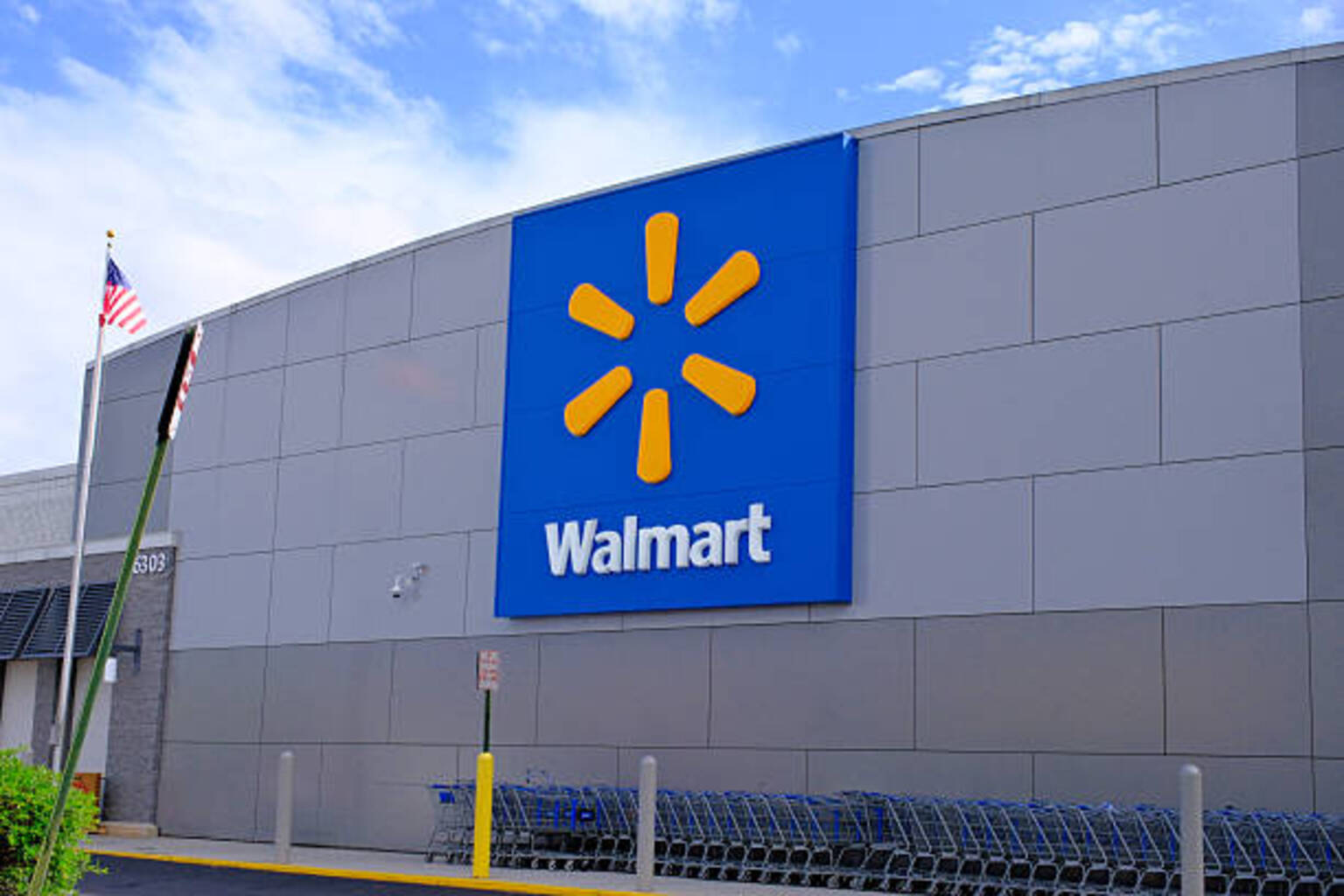
Walmart's Sam's Club Membership Fee Increase Marks First Since 2022

- Membership Fee Increase: Walmart announced that starting May 1, the annual fee for Sam's Club basic members will rise from $50 to $60, marking a 20% increase and the largest nominal fee hike in recent history, which is expected to enhance the value of membership revenue.
- Analyst Perspective: Jefferies analyst Corey Tarlowe noted that the fee increase supports ongoing reinvestment in value, including raising the Sam's Cash annual cap for Plus members from $500 to $750; while modest near-term renewal headwinds may arise, the long-term outlook for Sam's earnings power is structurally positive.
- Industry Impact: This fee hike is not only beneficial for Walmart but may also positively impact competitors like BJ's Wholesale Club and Costco, further normalizing higher fee levels across the industry and supporting long-term revenue and profit expectations for the club segment.
- Market Performance: Walmart's stock has risen 12% year-to-date, outperforming broader market averages due to defensive positioning by investors, and the stock holds a consensus Strong Buy rating on Wall Street, reflecting confidence in its future growth prospects.
See More

BKLC Stock Price Analysis and ETF Dynamics

- Price Range Analysis: BKLC's 52-week low is $91.90 and high is $133.738, with the last trade at $124.37, indicating price fluctuations near the high point that may influence investor buying decisions.
- Technical Analysis Tool: Comparing the current stock price to the 200-day moving average can provide valuable insights for investors, helping to assess market trends and potential buying opportunities.
- ETF Trading Mechanism: Exchange-traded funds (ETFs) trade like stocks, where investors buy and sell 'units' that can be created or destroyed based on investor demand, impacting liquidity and market performance.
- Inflows and Outflows Monitoring: Weekly monitoring of changes in shares outstanding for ETFs highlights significant inflows (new units created) or outflows (old units destroyed), directly affecting the underlying asset allocation of the ETF and the market performance of related stocks.
See More

Trump's Address Triggers Market Volatility

- Oil Price Surge: Trump's address indicated that the U.S. would strike Iran
See More

Trump's Address Triggers Market Volatility
- Market Reaction: Following Trump's address on the Iran conflict, stock futures fell while oil prices surged approximately 8%, indicating market unease about future developments, which could undermine investor confidence.
- SpaceX IPO Progress: SpaceX has confidentially filed for its IPO, with a projected valuation of $1.75 trillion; if successful, Musk would become the first CEO to run two trillion-dollar companies simultaneously, potentially reshaping market dynamics.
- Homeland Security Funding Plan: Republican leaders in Congress are backing a two-track funding plan for the Department of Homeland Security, postponing immigration enforcement discussions, which may affect government operational stability, especially before the upcoming holiday.
- Eli Lilly Drug Approval: Eli Lilly's new GLP-1 pill, Foundayo, has received FDA approval and is set to ship through its direct-to-consumer platform next week, likely intensifying competition with Novo Nordisk and impacting the weight loss drug market landscape.
See More

Thorne Brand Experiences Rapid Growth Driven by Gen Z


- Revenue Expectations: Thorne is projected to reach $650 million in annual revenue for 2023, driven by the health-conscious focus of Gen Z and millennial consumers, indicating strong appeal in the younger market segment.
- Consumer Growth: The number of direct consumers has surged from 4 million at the end of 2023 to 7 million, fueling a 63% increase in direct sales, demonstrating the brand's expanding influence among younger shoppers.
- Market Trends: The U.S. vitamins and supplements market is expected to reach $125 billion by 2025, with an 11% growth projected by 2027, reflecting a shift towards proactive health management and demand for personalized products among younger consumers.
- Subscription Model: Thorne attracts consumers to subscribe by offering free shipping and a 10% discount on each refill, with about 50% of shoppers under 40 opting for subscriptions despite some hesitation, showcasing the brand's competitive edge in pricing and service.
See More

Three Stocks to Buy and Hold for the Next Decade

- Carvana Growth Potential: Carvana sold nearly 600,000 vehicles in 2024, a 43% increase, and despite its small market share, it is expected to benefit from the growing trend of online car purchases, driving revenue growth and record profits in the coming years.
- Chewy's Market Strategy: Chewy's quarterly revenue reached $3.26 billion, with 84% coming from 'autoship' customers, showcasing its competitive edge in the pet supply e-commerce sector, and it is likely to continue attracting consumers seeking convenience.
- SoFi Customer Growth: As of last year, SoFi Technologies served 13.7 million unique customers, a 35% year-over-year increase, and in the increasingly digital banking landscape in the U.S., SoFi meets consumer demand for convenience, positioning itself for strong growth ahead.
- Online Shopping Trend: With more consumers shifting to online shopping, companies like Carvana, Chewy, and SoFi are at the forefront of industry transformation, poised for sustained business expansion and market share growth over the next decade.
See More
Walmart's Sam's Club Membership Fee Increase Marks First Since 2022
- Membership Fee Increase: Walmart announced that starting May 1, the annual fee for Sam's Club basic members will rise from $50 to $60, marking a 20% increase and the largest nominal fee hike in recent history, which is expected to enhance the value of membership revenue.
- Analyst Perspective: Jefferies analyst Corey Tarlowe noted that the fee increase supports ongoing reinvestment in value, including raising the Sam's Cash annual cap for Plus members from $500 to $750; while modest near-term renewal headwinds may arise, the long-term outlook for Sam's earnings power is structurally positive.
- Industry Impact: This fee hike is not only beneficial for Walmart but may also positively impact competitors like BJ's Wholesale Club and Costco, further normalizing higher fee levels across the industry and supporting long-term revenue and profit expectations for the club segment.
- Market Performance: Walmart's stock has risen 12% year-to-date, outperforming broader market averages due to defensive positioning by investors, and the stock holds a consensus Strong Buy rating on Wall Street, reflecting confidence in its future growth prospects.
See More
BKLC Stock Price Analysis and ETF Dynamics
- Price Range Analysis: BKLC's 52-week low is $91.90 and high is $133.738, with the last trade at $124.37, indicating price fluctuations near the high point that may influence investor buying decisions.
- Technical Analysis Tool: Comparing the current stock price to the 200-day moving average can provide valuable insights for investors, helping to assess market trends and potential buying opportunities.
- ETF Trading Mechanism: Exchange-traded funds (ETFs) trade like stocks, where investors buy and sell 'units' that can be created or destroyed based on investor demand, impacting liquidity and market performance.
- Inflows and Outflows Monitoring: Weekly monitoring of changes in shares outstanding for ETFs highlights significant inflows (new units created) or outflows (old units destroyed), directly affecting the underlying asset allocation of the ETF and the market performance of related stocks.
See More
Trump's Address Triggers Market Volatility
- Oil Price Surge: Trump's address indicated that the U.S. would strike Iran
See More
Trump's Address Triggers Market Volatility
- Market Reaction: Following Trump's address on the Iran conflict, stock futures fell while oil prices surged approximately 8%, indicating market unease about future developments, which could undermine investor confidence.
- SpaceX IPO Progress: SpaceX has confidentially filed for its IPO, with a projected valuation of $1.75 trillion; if successful, Musk would become the first CEO to run two trillion-dollar companies simultaneously, potentially reshaping market dynamics.
- Homeland Security Funding Plan: Republican leaders in Congress are backing a two-track funding plan for the Department of Homeland Security, postponing immigration enforcement discussions, which may affect government operational stability, especially before the upcoming holiday.
- Eli Lilly Drug Approval: Eli Lilly's new GLP-1 pill, Foundayo, has received FDA approval and is set to ship through its direct-to-consumer platform next week, likely intensifying competition with Novo Nordisk and impacting the weight loss drug market landscape.
See More
Thorne Brand Experiences Rapid Growth Driven by Gen Z
- Revenue Expectations: Thorne is projected to reach $650 million in annual revenue for 2023, driven by the health-conscious focus of Gen Z and millennial consumers, indicating strong appeal in the younger market segment.
- Consumer Growth: The number of direct consumers has surged from 4 million at the end of 2023 to 7 million, fueling a 63% increase in direct sales, demonstrating the brand's expanding influence among younger shoppers.
- Market Trends: The U.S. vitamins and supplements market is expected to reach $125 billion by 2025, with an 11% growth projected by 2027, reflecting a shift towards proactive health management and demand for personalized products among younger consumers.
- Subscription Model: Thorne attracts consumers to subscribe by offering free shipping and a 10% discount on each refill, with about 50% of shoppers under 40 opting for subscriptions despite some hesitation, showcasing the brand's competitive edge in pricing and service.
See More
Three Stocks to Buy and Hold for the Next Decade
- Carvana Growth Potential: Carvana sold nearly 600,000 vehicles in 2024, a 43% increase, and despite its small market share, it is expected to benefit from the growing trend of online car purchases, driving revenue growth and record profits in the coming years.
- Chewy's Market Strategy: Chewy's quarterly revenue reached $3.26 billion, with 84% coming from 'autoship' customers, showcasing its competitive edge in the pet supply e-commerce sector, and it is likely to continue attracting consumers seeking convenience.
- SoFi Customer Growth: As of last year, SoFi Technologies served 13.7 million unique customers, a 35% year-over-year increase, and in the increasingly digital banking landscape in the U.S., SoFi meets consumer demand for convenience, positioning itself for strong growth ahead.
- Online Shopping Trend: With more consumers shifting to online shopping, companies like Carvana, Chewy, and SoFi are at the forefront of industry transformation, poised for sustained business expansion and market share growth over the next decade.
See More