Chevron Falls 1.2%, Exxon Mobil Declines 1.3%, Occidental Petroleum Drops 4.5%, ConocoPhillips Decreases 1.8%
Written by Emily J. Thompson, Senior Investment Analyst
Updated: Mar 23 2026
0mins

Source: moomoo
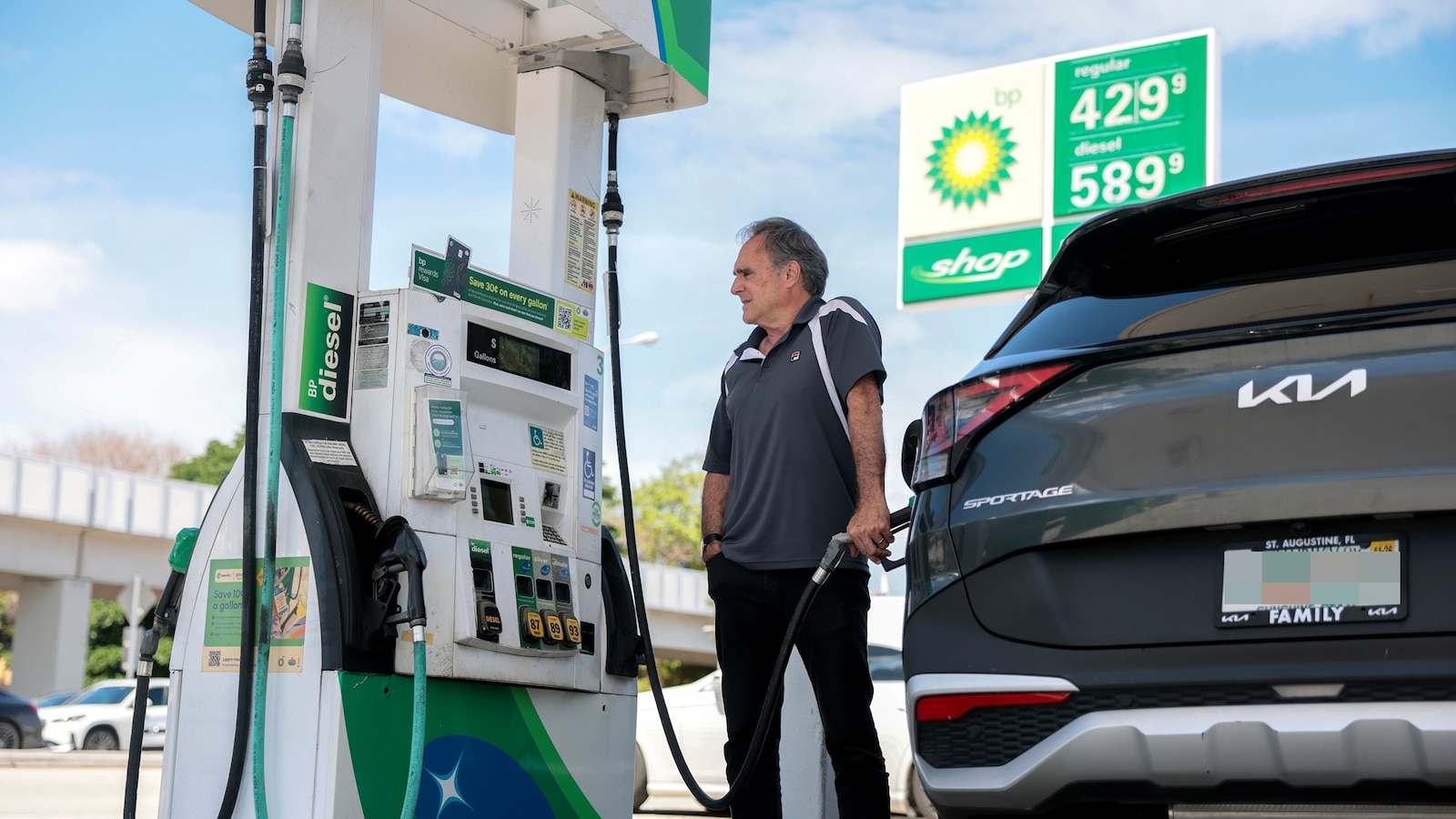
Chevron's Stock Performance: Chevron's stock has decreased by 1.2%.
Exxon Mobil's Stock Performance: Exxon Mobil's stock has seen a decline of 1.3%.
Occidental Petroleum's Stock Performance: Occidental Petroleum's stock has dropped by 4.5%.
ConocoPhillips' Stock Performance: ConocoPhillips' stock has fallen by 1.8%.
Trade with 70% Backtested Accuracy
Stop guessing "Should I Buy COP?" and start using high-conviction signals backed by rigorous historical data.
Sign up today to access powerful investing tools and make smarter, data-driven decisions.
Analyst Views on COP
Wall Street analysts forecast COP stock price to fall
19 Analyst Rating
15 Buy
3 Hold
1 Sell
Moderate Buy
Current: 123.470

Low
98.00
Averages
115.67
High
133.00
Current: 123.470
Low
98.00
Averages
115.67
High
133.00
About COP
ConocoPhillips is an exploration and production company. Its Alaska segment primarily explores for, produces, transports and markets crude oil, natural gas and NGLs. The Lower 48 segment consists of operations located in the 48 contiguous states in the United States and the Gulf of Mexico. Canadian operations consist of the Surmont oil sands development in Alberta, the liquids-rich Montney unconventional play in British Columbia and commercial operations. The Europe, Middle East and North Africa segment consists of operations principally located in the Norwegian sector of the North Sea, the Norwegian Sea, Qatar, Libya, Equatorial Guinea and commercial and terminalling operations in the United Kingdom. Asia Pacific segment has exploration and production operations in China, Malaysia, Australia and commercial operations in China, Singapore and Japan. Other International segment includes interests in Colombia as well as contingencies associated with prior operations in other countries.
About the author

Emily J. Thompson
Emily J. Thompson, a Chartered Financial Analyst (CFA) with 12 years in investment research, graduated with honors from the Wharton School. Specializing in industrial and technology stocks, she provides in-depth analysis for Intellectia’s earnings and market brief reports.
Oil Prices Fluctuate After Iranian Conflict


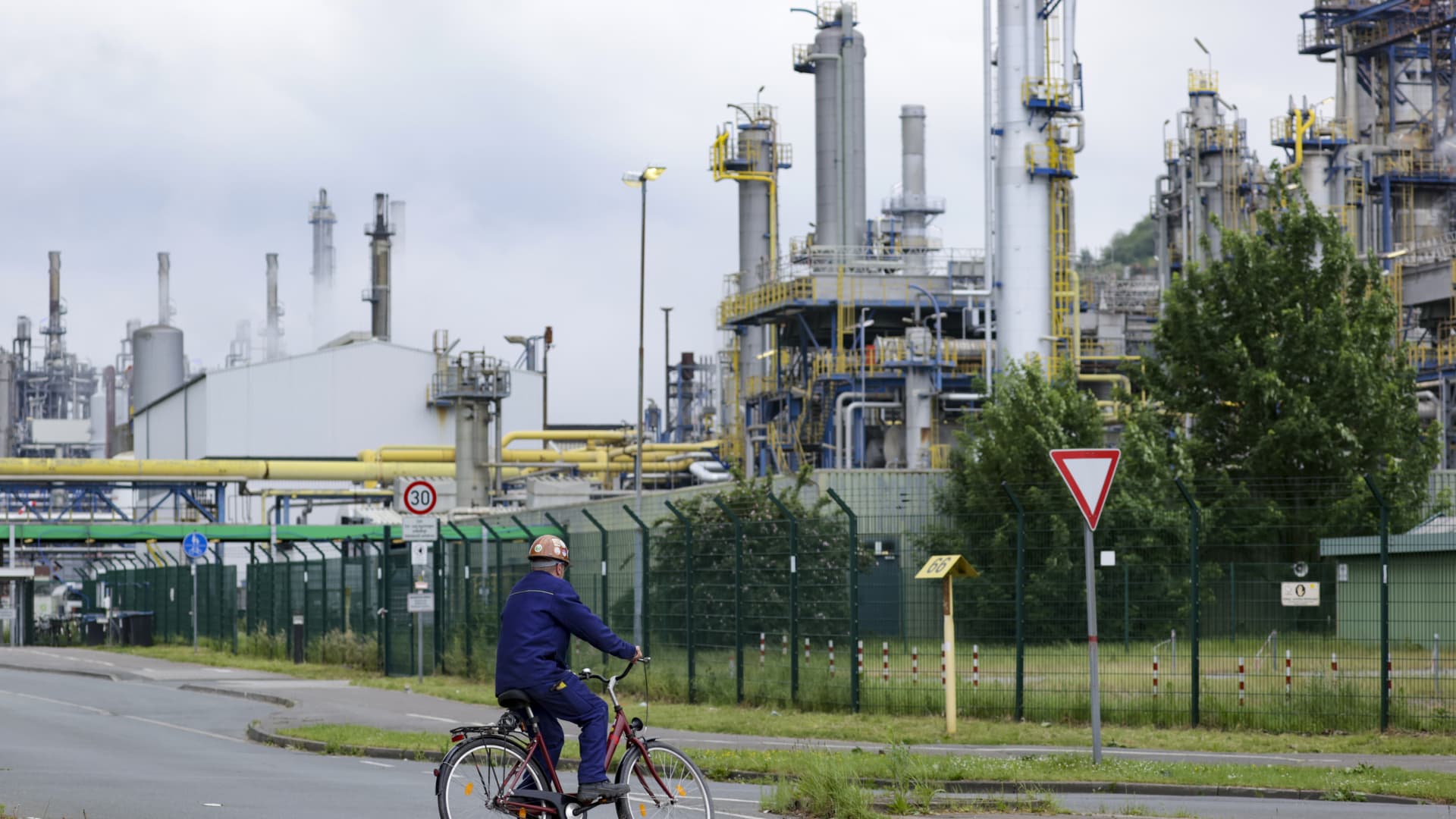
- Elevated Oil Prices: Crude oil remains close to $100 per barrel after over 40 days of the Iranian conflict, indicating market sensitivity to geopolitical risks, with potential for rapid price drops if the Strait of Hormuz reopens.
- Market Sentiment Contrast: While the S&P 500 has significantly rebounded from its March correction and is just 2% from all-time highs, the oil market remains cautious about a resolution to the Iranian conflict, reflecting concerns over the flow of traffic through the Strait of Hormuz.
- Options Trading Strategy: Traders plan to capture potential declines in oil prices by buying puts on the U.S. Oil Fund (USO), specifically purchasing the April 22 $120 put for $4.75 and selling the April 22 $110 put for $1.50, resulting in a total cost of $325 per spread.
- Short-Term Price Expectations: Should tanker traffic resume, West Texas Intermediate oil futures are expected to drop back into the $80s or possibly the $70s in the short term, reflecting cautious market expectations for future oil prices.
See More

Berkshire's First Yen Bond Sale Under Abel

- Bond Issuance Update: Berkshire Hathaway executed its first yen-denominated bond sale under CEO Greg Abel, raising ¥272.3 billion (approximately $1.7 billion) through six tranches with maturities from three to thirty years, marking the company's third-largest yen issuance in history.
- AI Collaboration Outlook: Intel announced a multiyear partnership with Google aimed at enhancing next-generation AI and cloud infrastructure performance and energy efficiency, leveraging multiple generations of Intel's Xeon processors and custom infrastructure processing units to reduce total cost of ownership across Google's global infrastructure.
- Ad Policy Shift: Meta Platforms saw a 0.84% increase in premarket trading after removing ads from law firms seeking clients on Instagram and Facebook, a response to recent legal losses in New Mexico and Los Angeles, indicating the company's proactive approach to managing legal risks.
- Venezuela Oil Assessment: ConocoPhillips has sent a team to Venezuela to evaluate the feasibility of resuming oil and gas drilling nearly two decades after nationalization, becoming the second major U.S. oil producer to publicly disclose an on-the-ground inspection in Venezuela, reflecting renewed interest in the region's resource potential.
See More
Fragile U.S.-Iran Ceasefire Tested Amid Oil Price Volatility


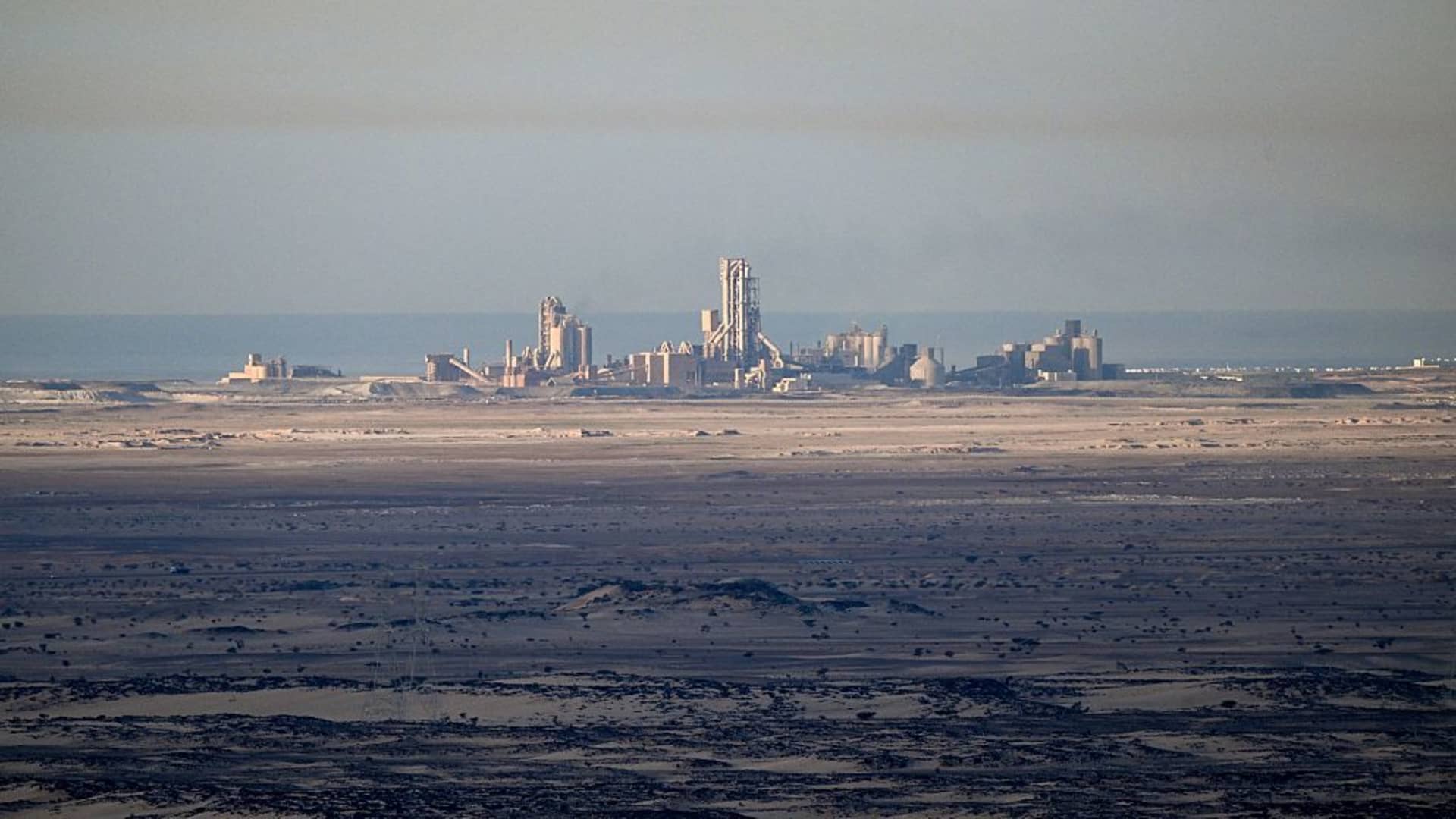
- Oil Price Fluctuations: Iran's attack on Saudi Arabia's Red Sea pipeline has cut throughput by 700,000 barrels per day, causing oil prices to hover below $100 per barrel, which exacerbates uncertainty in global markets.
- Ceasefire Negotiations Tension: U.S. and Iranian negotiators are set to meet in Pakistan, and despite heated rhetoric, there remains a willingness to maintain the ceasefire, which could impact future energy supply and price stability.
- Global Economic Impact: China's factory-gate prices have risen for the first time in over three years, indicating the war's disruption of global energy markets, potentially leading to increased inflationary pressures for the Federal Reserve.
- Political Landscape Attention: The British Prime Minister expressed frustration over energy price volatility, highlighting the influence of international politics on domestic economies, which underscores the far-reaching effects of global political dynamics on markets.
See More

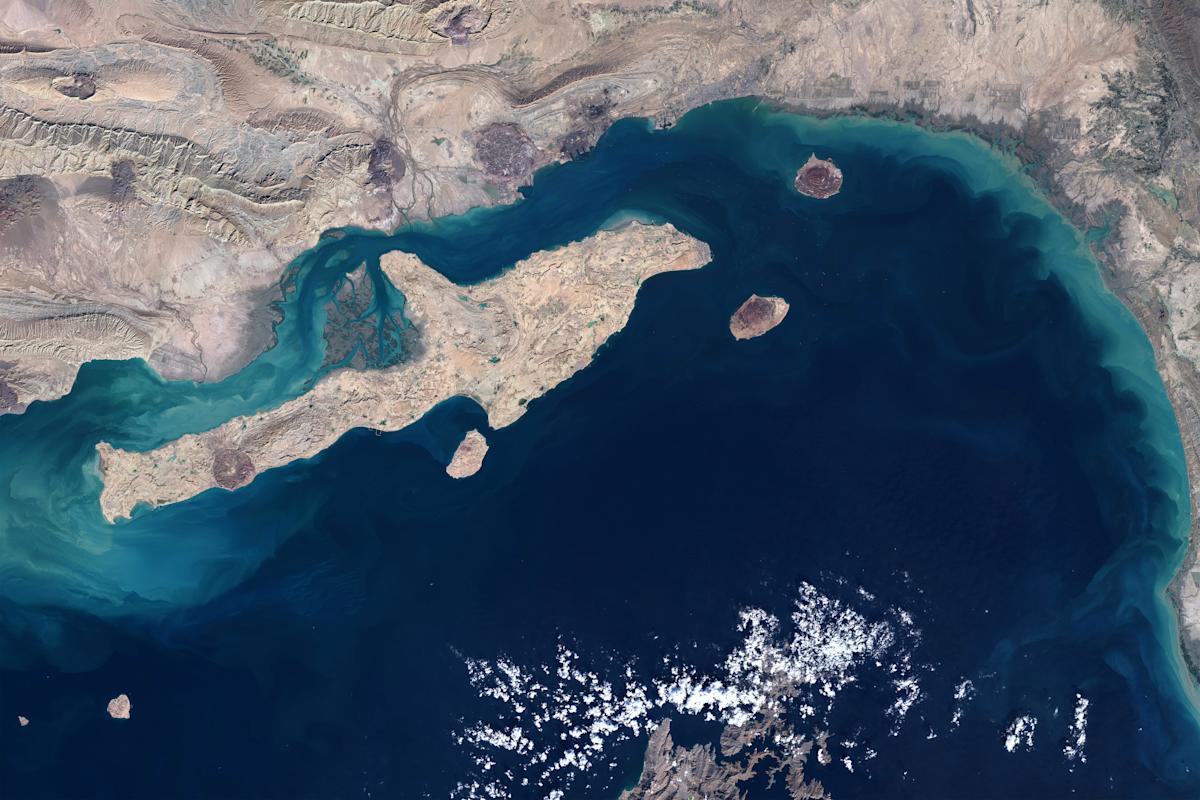
Closure of Strait of Hormuz Triggers Global Energy Crisis
- Market Reaction: Oil prices surged above $100 per barrel due to the closure of the Strait of Hormuz, reflecting market concerns over tight energy supplies that could lead to a global economic slowdown.
- Transport Restrictions: The CEO of Abu Dhabi National Oil Co. confirmed that the Strait of Hormuz is not open to shipping, with traffic being restricted, which will further exacerbate international oil price volatility and impact the global energy supply chain.
- Geopolitical Tensions: Iran's plan to charge shipping companies cryptocurrency tolls for passage through the Strait could provoke strong international backlash, increasing the risk of regional conflict.
- Emergency Measures Escalate: Japan is reportedly considering releasing about 20 days' worth of oil reserves as early as May to address the global supply crisis, demonstrating the urgency and strategic responses of governments facing energy shortages.
See More

ConocoPhillips Evaluates Return to Oil and Gas Drilling in Venezuela
- Return to Drilling: ConocoPhillips (COP) has sent a team to Venezuela to evaluate the prospects of returning to oil and gas drilling nearly two decades after nationalization of its assets, becoming the second major U.S. oil producer to disclose such an on-ground inspection, indicating renewed interest in the Venezuelan market.
- Investment Framework Assessment: The company stated it will evaluate Venezuela against other international opportunities as part of its disciplined investment framework, suggesting that despite the complex political and economic environment, Venezuela is viewed as a potential opportunity in its global investment strategy.
- Debt Recovery Priority: CEO Ryan Lance emphasized that the main priority is to recover approximately $12 billion owed with interest following arbitration awards from the 2007 expropriations, highlighting the company's urgent need for financial recovery.
- Constructive Dialogue: At the CERAWeek conference in Houston, Lance mentioned that ConocoPhillips aims to engage in constructive dialogue with the Venezuelan administration to discuss necessary incentives for investment, reflecting the company's proactive approach to restoring cooperative relations with the country.
See More
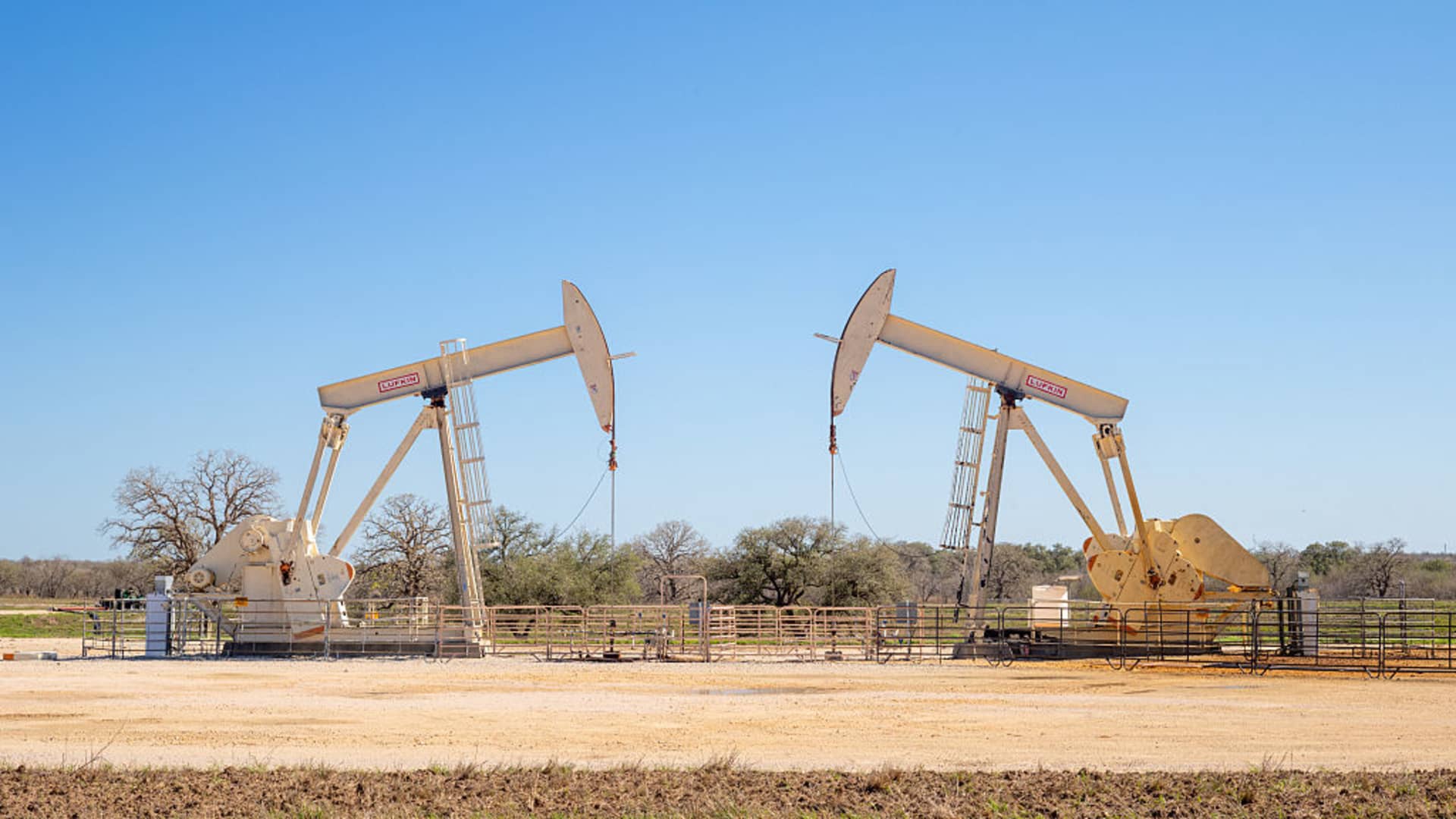
Middle East Conflict Threatens Global Economy


- Escalating Middle East Tensions: The war initiated by the U.S. and Israel against Iran has spread throughout the Middle East, threatening global economic stability, particularly impacting Lebanon and Gulf energy exporters.
- Strait of Hormuz Closure: Despite a fragile two-week ceasefire between the U.S. and Iran, traffic through the Strait of Hormuz remains largely restricted, affecting global energy supply and contributing to rising oil prices.
- Oil Price Fluctuations: As of 8:41 p.m. ET, West Texas Intermediate (WTI) rose by 0.69% to $98.55 per barrel, while Brent crude increased by 0.91% to $95.92 per barrel, reflecting market sensitivity to the Middle East situation.
- Japan's Oil Reserve Release Plan: Japan plans to release 20 days' worth of oil reserves starting in May, with current reserves sufficient for 230 days, aiming to alleviate energy supply pressures caused by the Middle East conflict.
See More
Oil Prices Fluctuate After Iranian Conflict
- Elevated Oil Prices: Crude oil remains close to $100 per barrel after over 40 days of the Iranian conflict, indicating market sensitivity to geopolitical risks, with potential for rapid price drops if the Strait of Hormuz reopens.
- Market Sentiment Contrast: While the S&P 500 has significantly rebounded from its March correction and is just 2% from all-time highs, the oil market remains cautious about a resolution to the Iranian conflict, reflecting concerns over the flow of traffic through the Strait of Hormuz.
- Options Trading Strategy: Traders plan to capture potential declines in oil prices by buying puts on the U.S. Oil Fund (USO), specifically purchasing the April 22 $120 put for $4.75 and selling the April 22 $110 put for $1.50, resulting in a total cost of $325 per spread.
- Short-Term Price Expectations: Should tanker traffic resume, West Texas Intermediate oil futures are expected to drop back into the $80s or possibly the $70s in the short term, reflecting cautious market expectations for future oil prices.
See More
Berkshire's First Yen Bond Sale Under Abel
- Bond Issuance Update: Berkshire Hathaway executed its first yen-denominated bond sale under CEO Greg Abel, raising ¥272.3 billion (approximately $1.7 billion) through six tranches with maturities from three to thirty years, marking the company's third-largest yen issuance in history.
- AI Collaboration Outlook: Intel announced a multiyear partnership with Google aimed at enhancing next-generation AI and cloud infrastructure performance and energy efficiency, leveraging multiple generations of Intel's Xeon processors and custom infrastructure processing units to reduce total cost of ownership across Google's global infrastructure.
- Ad Policy Shift: Meta Platforms saw a 0.84% increase in premarket trading after removing ads from law firms seeking clients on Instagram and Facebook, a response to recent legal losses in New Mexico and Los Angeles, indicating the company's proactive approach to managing legal risks.
- Venezuela Oil Assessment: ConocoPhillips has sent a team to Venezuela to evaluate the feasibility of resuming oil and gas drilling nearly two decades after nationalization, becoming the second major U.S. oil producer to publicly disclose an on-the-ground inspection in Venezuela, reflecting renewed interest in the region's resource potential.
See More
Fragile U.S.-Iran Ceasefire Tested Amid Oil Price Volatility
- Oil Price Fluctuations: Iran's attack on Saudi Arabia's Red Sea pipeline has cut throughput by 700,000 barrels per day, causing oil prices to hover below $100 per barrel, which exacerbates uncertainty in global markets.
- Ceasefire Negotiations Tension: U.S. and Iranian negotiators are set to meet in Pakistan, and despite heated rhetoric, there remains a willingness to maintain the ceasefire, which could impact future energy supply and price stability.
- Global Economic Impact: China's factory-gate prices have risen for the first time in over three years, indicating the war's disruption of global energy markets, potentially leading to increased inflationary pressures for the Federal Reserve.
- Political Landscape Attention: The British Prime Minister expressed frustration over energy price volatility, highlighting the influence of international politics on domestic economies, which underscores the far-reaching effects of global political dynamics on markets.
See More
Closure of Strait of Hormuz Triggers Global Energy Crisis
- Market Reaction: Oil prices surged above $100 per barrel due to the closure of the Strait of Hormuz, reflecting market concerns over tight energy supplies that could lead to a global economic slowdown.
- Transport Restrictions: The CEO of Abu Dhabi National Oil Co. confirmed that the Strait of Hormuz is not open to shipping, with traffic being restricted, which will further exacerbate international oil price volatility and impact the global energy supply chain.
- Geopolitical Tensions: Iran's plan to charge shipping companies cryptocurrency tolls for passage through the Strait could provoke strong international backlash, increasing the risk of regional conflict.
- Emergency Measures Escalate: Japan is reportedly considering releasing about 20 days' worth of oil reserves as early as May to address the global supply crisis, demonstrating the urgency and strategic responses of governments facing energy shortages.
See More
ConocoPhillips Evaluates Return to Oil and Gas Drilling in Venezuela
- Return to Drilling: ConocoPhillips (COP) has sent a team to Venezuela to evaluate the prospects of returning to oil and gas drilling nearly two decades after nationalization of its assets, becoming the second major U.S. oil producer to disclose such an on-ground inspection, indicating renewed interest in the Venezuelan market.
- Investment Framework Assessment: The company stated it will evaluate Venezuela against other international opportunities as part of its disciplined investment framework, suggesting that despite the complex political and economic environment, Venezuela is viewed as a potential opportunity in its global investment strategy.
- Debt Recovery Priority: CEO Ryan Lance emphasized that the main priority is to recover approximately $12 billion owed with interest following arbitration awards from the 2007 expropriations, highlighting the company's urgent need for financial recovery.
- Constructive Dialogue: At the CERAWeek conference in Houston, Lance mentioned that ConocoPhillips aims to engage in constructive dialogue with the Venezuelan administration to discuss necessary incentives for investment, reflecting the company's proactive approach to restoring cooperative relations with the country.
See More
Middle East Conflict Threatens Global Economy
- Escalating Middle East Tensions: The war initiated by the U.S. and Israel against Iran has spread throughout the Middle East, threatening global economic stability, particularly impacting Lebanon and Gulf energy exporters.
- Strait of Hormuz Closure: Despite a fragile two-week ceasefire between the U.S. and Iran, traffic through the Strait of Hormuz remains largely restricted, affecting global energy supply and contributing to rising oil prices.
- Oil Price Fluctuations: As of 8:41 p.m. ET, West Texas Intermediate (WTI) rose by 0.69% to $98.55 per barrel, while Brent crude increased by 0.91% to $95.92 per barrel, reflecting market sensitivity to the Middle East situation.
- Japan's Oil Reserve Release Plan: Japan plans to release 20 days' worth of oil reserves starting in May, with current reserves sufficient for 230 days, aiming to alleviate energy supply pressures caused by the Middle East conflict.
See More