KSF Launches Investigation into CarMax Amid Financial Declines
- Financial Performance Decline: CarMax reported a 5.4% decrease in retail unit sales and a 6.3% drop in comparable store sales for Q2 2025, indicating significant market pressure that could adversely affect future profitability.
- Net Income Plummets: The company's net income for Q2 was approximately $95.4 million, down 28.2% from $132.8 million a year ago, reflecting a sharp decline in profitability that may erode investor confidence.
- Executive Turnover Impact: The unexpected departure of CarMax's CEO on November 6, 2025, along with a weak preliminary Q3 outlook, could exacerbate market concerns regarding the company's future performance.
- Legal Action Risks: CarMax and its executives are facing a securities class action lawsuit for failing to disclose material information during the class period, and KSF's investigation will assess whether executives breached fiduciary duties to shareholders, potentially leading to greater legal and financial risks for the company.
Trade with 70% Backtested Accuracy
Analyst Views on KMX

About KMX
About the author


Starboard Value Acquires $350 Million Stake in CarMax to Drive Turnaround

- Stake Acquisition: Starboard Value has acquired approximately $350 million in CarMax Inc (KMX), indicating confidence in the company's potential turnaround under incoming CEO Keith Barr, which could accelerate its recovery efforts.
- Board Nominations: As an activist investor, Starboard has nominated its CEO Jeff Smith and Frontdoor's chairman Bill Cobb to join the CarMax board, aiming to drive strategic changes and enhance governance through fresh leadership.
- Market Performance: Despite a 9% gain for CarMax so far in 2026, Seeking Alpha's Quant system remains cautious, assigning a 'Hold' rating, which reflects investor concerns regarding the company's valuation and competitive positioning.
- Technological Innovation: CarMax has launched a ChatGPT app to personalize the car shopping experience, aiming to enhance customer satisfaction and market competitiveness, although it faces skepticism regarding its competitive advantages.
KSF Launches Investigation into CarMax Amid Financial Declines
- Financial Performance Decline: CarMax reported a 5.4% decrease in retail unit sales and a 6.3% drop in comparable store sales for Q2 2025, indicating significant market pressure that could adversely affect future profitability.
- Net Income Plummets: The company's net income for Q2 was approximately $95.4 million, down 28.2% from $132.8 million a year ago, reflecting a sharp decline in profitability that may erode investor confidence.
- Executive Turnover Impact: The unexpected departure of CarMax's CEO on November 6, 2025, along with a weak preliminary Q3 outlook, could exacerbate market concerns regarding the company's future performance.
- Legal Action Risks: CarMax and its executives are facing a securities class action lawsuit for failing to disclose material information during the class period, and KSF's investigation will assess whether executives breached fiduciary duties to shareholders, potentially leading to greater legal and financial risks for the company.

Analyst Claims Oracle Demonstrates Greater Resilience Despite AI Challenges; Also Featuring CarMax, Rivian, and Other Stocks.


Report Overview: Recent reports from investment and research firms provide insights into analysts' perspectives on various companies.
Disclaimer: The views expressed in these reports do not reflect the opinions or recommendations of Barron’s.
Investment Services: Some report issuers may have existing or potential investment-banking relationships with the companies analyzed.
Purpose of Reports: The reports serve as a sampling of market analysis rather than definitive investment advice.
Impact of Rising Gas Prices on EV Adoption

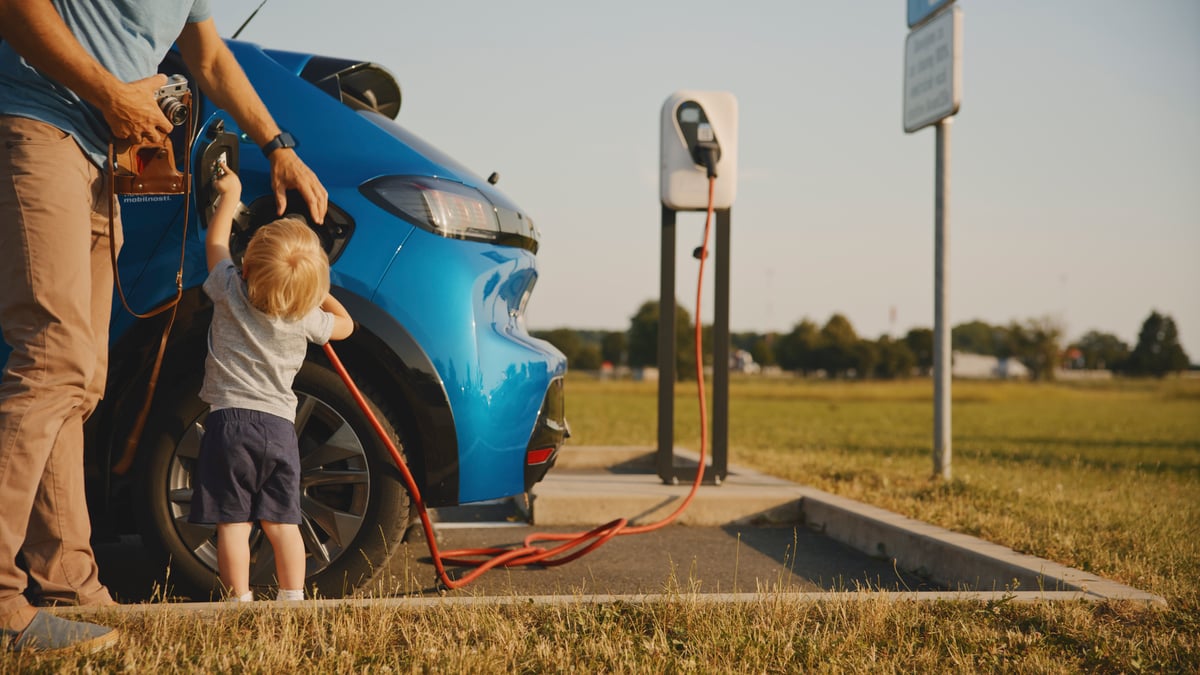
- Background of Rising Gas Prices: As of March 13, the average price of regular gasoline reached $3.63 per gallon, a 23.5% increase from the previous month, prompting consumer interest in electric vehicles (EVs), although rising gas prices do not directly lead to a surge in EV sales.
- Current EV Market Status: In Q2 2022, EVs accounted for 5.6% of new vehicle sales in the U.S., a significant increase from 2.7% in Q2 2021, indicating that consumer interest in EVs has risen amid high gas prices.
- Charging Infrastructure Challenges: While urban areas are increasingly equipped with robust charging networks, rural and smaller cities still face significant challenges, meaning that factors beyond gas prices influence consumer purchasing decisions.
- Advantages of Chinese Manufacturers: Chinese EV manufacturers like BYD and Nio have rapidly expanded due to government support and domestic demand, and with integrated supply chains and lower production costs, they are expected to benefit from global EV demand growth, especially if oil prices remain high.

Impact of Rising Gas Prices on EV Adoption
- EV Sales Surge: In Q2 2022, electric vehicles accounted for 5.6% of new vehicle sales in the U.S., up from 2.7% in Q2 2021, indicating increased consumer interest during rising gas prices, although other purchasing factors remain significant.
- Charging Infrastructure Challenges: While urban areas are improving charging networks, rural and smaller cities still face significant gaps, limiting EV adoption; thus, consumer decisions are not solely driven by fuel prices.
- Chinese Manufacturers' Advantage: Companies like BYD and Nio have rapidly expanded due to government support and domestic demand, leveraging integrated supply chains and lower production costs, positioning them to capture larger shares of the global EV market amid rising oil prices.
- Importance of Long-Term Trends: Although short-term fuel price spikes may influence consumer interest, only sustained high prices can meaningfully alter purchasing behavior, with EV adoption relying on advancements in battery technology, supportive policies, and evolving consumer preferences.

Carvana Soars Following Its First 5-for-1 Stock Split.

- Stock Split Approval: Carvana's board has approved a 5-for-1 stock split.
- Accessibility for Investors: The split aims to make shares more affordable for individual investors and employees.
Starboard Value Acquires $350 Million Stake in CarMax to Drive Turnaround
- Stake Acquisition: Starboard Value has acquired approximately $350 million in CarMax Inc (KMX), indicating confidence in the company's potential turnaround under incoming CEO Keith Barr, which could accelerate its recovery efforts.
- Board Nominations: As an activist investor, Starboard has nominated its CEO Jeff Smith and Frontdoor's chairman Bill Cobb to join the CarMax board, aiming to drive strategic changes and enhance governance through fresh leadership.
- Market Performance: Despite a 9% gain for CarMax so far in 2026, Seeking Alpha's Quant system remains cautious, assigning a 'Hold' rating, which reflects investor concerns regarding the company's valuation and competitive positioning.
- Technological Innovation: CarMax has launched a ChatGPT app to personalize the car shopping experience, aiming to enhance customer satisfaction and market competitiveness, although it faces skepticism regarding its competitive advantages.
KSF Launches Investigation into CarMax Amid Financial Declines
- Financial Performance Decline: CarMax reported a 5.4% decrease in retail unit sales and a 6.3% drop in comparable store sales for Q2 2025, indicating significant market pressure that could adversely affect future profitability.
- Net Income Plummets: The company's net income for Q2 was approximately $95.4 million, down 28.2% from $132.8 million a year ago, reflecting a sharp decline in profitability that may erode investor confidence.
- Executive Turnover Impact: The unexpected departure of CarMax's CEO on November 6, 2025, along with a weak preliminary Q3 outlook, could exacerbate market concerns regarding the company's future performance.
- Legal Action Risks: CarMax and its executives are facing a securities class action lawsuit for failing to disclose material information during the class period, and KSF's investigation will assess whether executives breached fiduciary duties to shareholders, potentially leading to greater legal and financial risks for the company.
Analyst Claims Oracle Demonstrates Greater Resilience Despite AI Challenges; Also Featuring CarMax, Rivian, and Other Stocks.
Report Overview: Recent reports from investment and research firms provide insights into analysts' perspectives on various companies.
Disclaimer: The views expressed in these reports do not reflect the opinions or recommendations of Barron’s.
Investment Services: Some report issuers may have existing or potential investment-banking relationships with the companies analyzed.
Purpose of Reports: The reports serve as a sampling of market analysis rather than definitive investment advice.
Impact of Rising Gas Prices on EV Adoption
- Background of Rising Gas Prices: As of March 13, the average price of regular gasoline reached $3.63 per gallon, a 23.5% increase from the previous month, prompting consumer interest in electric vehicles (EVs), although rising gas prices do not directly lead to a surge in EV sales.
- Current EV Market Status: In Q2 2022, EVs accounted for 5.6% of new vehicle sales in the U.S., a significant increase from 2.7% in Q2 2021, indicating that consumer interest in EVs has risen amid high gas prices.
- Charging Infrastructure Challenges: While urban areas are increasingly equipped with robust charging networks, rural and smaller cities still face significant challenges, meaning that factors beyond gas prices influence consumer purchasing decisions.
- Advantages of Chinese Manufacturers: Chinese EV manufacturers like BYD and Nio have rapidly expanded due to government support and domestic demand, and with integrated supply chains and lower production costs, they are expected to benefit from global EV demand growth, especially if oil prices remain high.
Impact of Rising Gas Prices on EV Adoption
- EV Sales Surge: In Q2 2022, electric vehicles accounted for 5.6% of new vehicle sales in the U.S., up from 2.7% in Q2 2021, indicating increased consumer interest during rising gas prices, although other purchasing factors remain significant.
- Charging Infrastructure Challenges: While urban areas are improving charging networks, rural and smaller cities still face significant gaps, limiting EV adoption; thus, consumer decisions are not solely driven by fuel prices.
- Chinese Manufacturers' Advantage: Companies like BYD and Nio have rapidly expanded due to government support and domestic demand, leveraging integrated supply chains and lower production costs, positioning them to capture larger shares of the global EV market amid rising oil prices.
- Importance of Long-Term Trends: Although short-term fuel price spikes may influence consumer interest, only sustained high prices can meaningfully alter purchasing behavior, with EV adoption relying on advancements in battery technology, supportive policies, and evolving consumer preferences.
Carvana Soars Following Its First 5-for-1 Stock Split.
- Stock Split Approval: Carvana's board has approved a 5-for-1 stock split.
- Accessibility for Investors: The split aims to make shares more affordable for individual investors and employees.