Verizon Named Among Top Dividend Leaders to Buy Now
Written by Emily J. Thompson, Senior Investment Analyst
Updated: Mar 14 2026
0mins
Should l Buy VZ?
Source: Yahoo Finance
- Dividend Leader Recognition: Verizon Communications Inc. has been recognized as one of the best dividend leaders to buy right now, indicating strong performance in delivering stable returns that attract investor interest.
- Price Target Increase: Oppenheimer raised Verizon's price target from $50 to $56, reflecting optimism about its subscriber growth outlook, which is expected to drive stock price appreciation and bolster market confidence.
- Cost Reduction Strategy: The company plans to achieve $5 billion in expense reductions through a 10% headcount reduction and lower capital expenditures, which will significantly enhance profitability and investor confidence.
- Asset Rationalization: Expected savings of approximately $500 million from asset rationalization, along with reduced spending on third-party vendors and outsourced contractors, will further strengthen the company's financial flexibility.
Trade with 70% Backtested Accuracy
Stop guessing "Should I Buy VZ?" and start using high-conviction signals backed by rigorous historical data.
Sign up today to access powerful investing tools and make smarter, data-driven decisions.
Analyst Views on VZ
Wall Street analysts forecast VZ stock price to fall
14 Analyst Rating
4 Buy
10 Hold
0 Sell
Moderate Buy
Current: 49.390

Low
43.00
Averages
46.42
High
51.00
Current: 49.390
Low
43.00
Averages
46.42
High
51.00
About VZ
Verizon Communications Inc. is a holding company. The Company, through its subsidiaries, provides communications, technology, information and streaming products and services to consumers, businesses and government entities. Its Consumer segment provides wireless and wireline communications services. It also provides fixed wireless access (FWA) broadband through its 5G or 4G Long-Term Evolution (LTE) networks portfolio. The Company's Business segment provides wireless and wireline communications services and products, including FWA broadband, data, video and advanced communication services, corporate networking solutions, security and managed network services, local and long-distance voice services and network access to deliver various Internet of Things (IoT) services and products. It provides these products and services to businesses, public sector customers and wireless and wireline carriers across the U.S. and a subset of these products and services to customers around the world.
About the author

Emily J. Thompson
Emily J. Thompson, a Chartered Financial Analyst (CFA) with 12 years in investment research, graduated with honors from the Wharton School. Specializing in industrial and technology stocks, she provides in-depth analysis for Intellectia’s earnings and market brief reports.

Meta and Google Face Lawsuits Over Children's Mental Health


- Eroding Legal Protections: Meta and Google were found negligent in a child safety case, signaling a challenge to the protections under Section 230, which could lead to more lawsuits and impact their operational models.
- Surge of Lawsuits: A jury in New Mexico ruled Meta liable for child safety, while a Los Angeles case accused its product design of fostering addiction in minors, indicating increasing regulatory scrutiny on tech giants.
- AI Mode Controversy: Google's AI Mode is accused of disclosing personal information of Epstein victims, with plaintiffs arguing that this design intentionally incites harassment, potentially exposing the company to greater legal risks.
- Uncertain Industry Outlook: Although the financial penalties to date are under $400 million, these verdicts set a troubling precedent for the tech industry, which may affect future investments and innovation directions.
See More

Analysis of High-Yield Stocks in Dow Jones


- Verizon's Yield Potential: Verizon, the highest-yielding stock in the Dow with a current yield of 5.6%, primarily operates in mobile communications, and while its high debt limits cash flow, its stable customer base makes it a choice for income-focused investors.
- Chevron's Market Performance: As one of the world's largest energy companies, Chevron offers an attractive 3.3% yield and has increased dividends annually for over 25 years; however, the current rise in oil prices may lead to short-term stock price volatility, yet its diversified business model and low leverage make it a solid investment choice.
- UnitedHealth's Industry Position: UnitedHealth Group, one of the largest health insurance companies in the U.S., provides a broad spectrum of healthcare services with a 3.3% yield, but due to earnings volatility and increasing regulatory scrutiny, conservative dividend investors may need to remain on the sidelines.
- Investment Summary: While Verizon, Chevron, and UnitedHealth each have their attractions, the challenges they face suggest that long-term investors should proceed with caution, particularly in the current market environment, as none of the three presents a clear buying opportunity.
See More
Verizon Communications Shows Strong Stock Performance
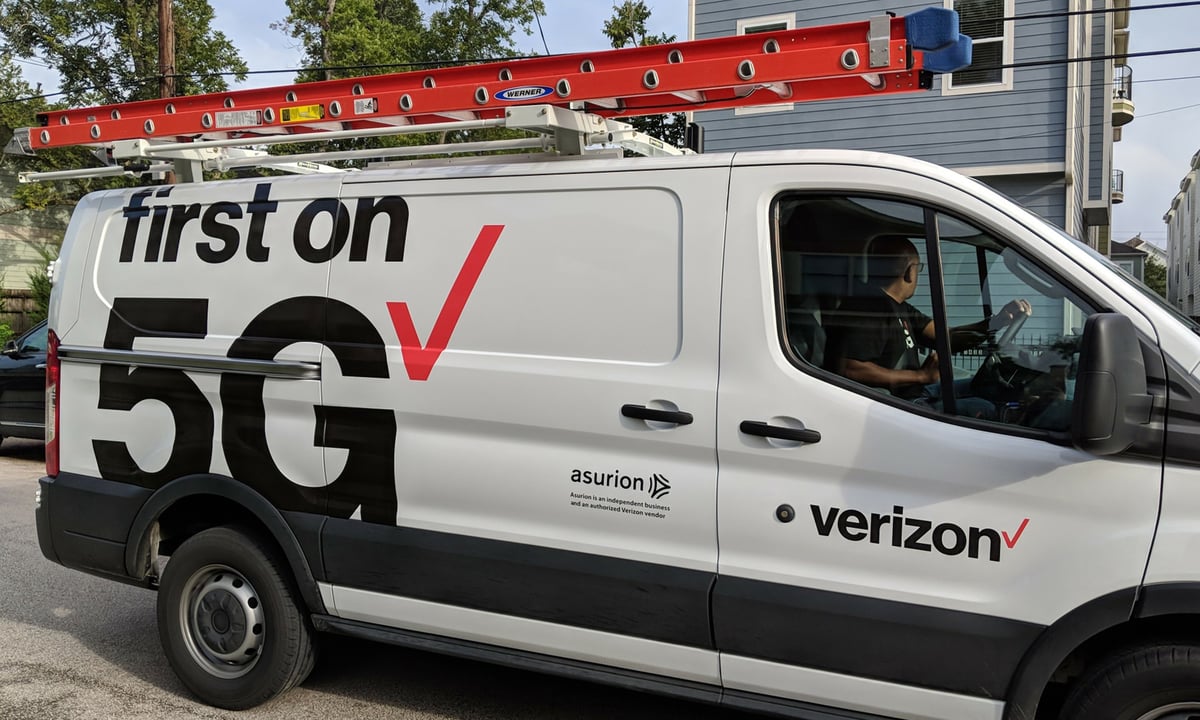
- Stock Price Surge: As of March 27, Verizon Communications (VZ) has seen a 24% increase in stock price year-to-date, standing out in the tech sector and demonstrating resilience amid market volatility, which has attracted more investor interest.
- Dividend Growth: Verizon has raised its dividend for 22 consecutive years, with the latest quarterly dividend set at $0.71 per share, resulting in a dividend yield of approximately 5.6%, making it an attractive option for high-yield investors and enhancing the company's appeal.
- Strong Earnings: In Q4 2025, Verizon reported 616,000 net additions of postpaid phone users, marking the highest quarterly net additions since 2019, indicating robust performance in market competition and increasing customer demand.
- Acquisition Expansion: Verizon's acquisition of Frontier Communications has expanded its fiber access to over 30 million homes and businesses, further solidifying its position in the telecommunications market and driving future growth potential.
See More

Verizon's Strong Earnings Report Boosts Stock Price
- Strong Earnings: Verizon reported 616,000 postpaid phone net additions in Q4 2025, marking its highest quarterly net additions since 2019, indicating robust performance that may attract more investor interest.
- Dividend Appeal: With a history of 22 consecutive years of dividend increases, Verizon's latest quarterly dividend of $0.71 and a yield of approximately 5.6% provide a solid investment opportunity for those seeking stable returns during market volatility.
- Acquisition Expansion: The completion of the Frontier Communications acquisition has expanded Verizon's fiber access to over 30 million homes and businesses, enhancing its competitive edge in the high-speed internet market.
- Market Environment Impact: Amid increasing market volatility, investors are shifting from growth stocks to high-dividend value stocks, benefiting Verizon's performance, although the likelihood of sustained outperformance against the broader market remains low.
See More
Verizon Up 24% in 2026 and Increases Dividend: Time to Buy?

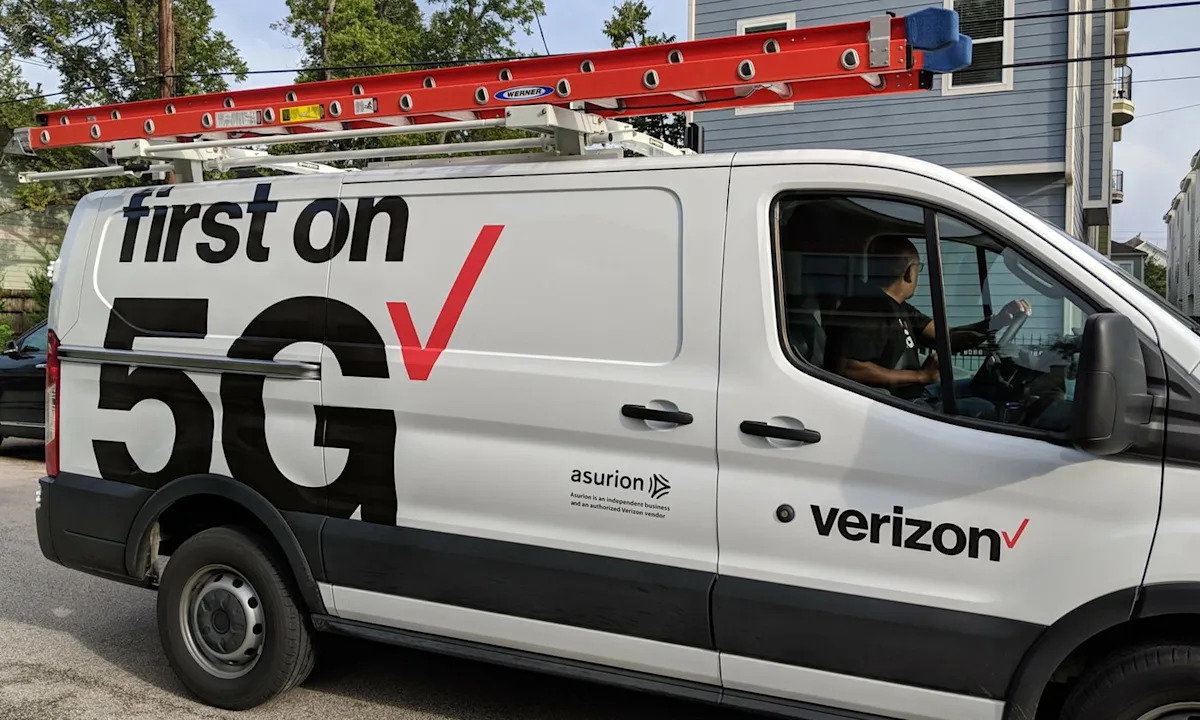
- Strong Stock Performance: As of March 27, Verizon's stock has risen 24% year-to-date, marking it as a standout performer in the tech sector, demonstrating resilience amid market volatility.
- Stable Dividend Growth: Verizon has raised its dividend for 22 consecutive years, with the latest quarterly dividend set at $0.71, resulting in a dividend yield of approximately 5.6%, making it attractive for income-seeking investors.
- Significant User Growth: In Q4 2025, Verizon reported 616,000 postpaid phone net additions, the highest quarterly net additions since 2019, indicating strong market demand and customer acquisition.
- Acquisition Expands Network: Verizon's acquisition of Frontier Communications has expanded its fiber access to over 30 million homes and businesses, enhancing its competitive position and service capabilities in the telecommunications market.
See More

Analysis of DVY ETF's 52-Week Price Fluctuations

- Price Range Analysis: The DVY ETF has a 52-week low of $115.94 and a high of $158.915, with the latest trade at $150.71, indicating relative stability in the current market that may attract investor interest.
- Technical Analysis Tool: Comparing the latest share price to the 200-day moving average can provide valuable insights for investors, helping them assess market trends and potential buying opportunities.
- ETF Trading Mechanism: Exchange-traded funds (ETFs) trade like stocks, where investors buy and sell 'units' that can be created or destroyed based on demand, impacting the fund's liquidity and market performance.
- Inflows and Outflows Monitoring: Weekly monitoring of changes in shares outstanding for ETFs experiencing significant inflows or outflows can provide investors with critical information regarding market sentiment and potential investment opportunities.
See More
Meta and Google Face Lawsuits Over Children's Mental Health
- Eroding Legal Protections: Meta and Google were found negligent in a child safety case, signaling a challenge to the protections under Section 230, which could lead to more lawsuits and impact their operational models.
- Surge of Lawsuits: A jury in New Mexico ruled Meta liable for child safety, while a Los Angeles case accused its product design of fostering addiction in minors, indicating increasing regulatory scrutiny on tech giants.
- AI Mode Controversy: Google's AI Mode is accused of disclosing personal information of Epstein victims, with plaintiffs arguing that this design intentionally incites harassment, potentially exposing the company to greater legal risks.
- Uncertain Industry Outlook: Although the financial penalties to date are under $400 million, these verdicts set a troubling precedent for the tech industry, which may affect future investments and innovation directions.
See More
Analysis of High-Yield Stocks in Dow Jones
- Verizon's Yield Potential: Verizon, the highest-yielding stock in the Dow with a current yield of 5.6%, primarily operates in mobile communications, and while its high debt limits cash flow, its stable customer base makes it a choice for income-focused investors.
- Chevron's Market Performance: As one of the world's largest energy companies, Chevron offers an attractive 3.3% yield and has increased dividends annually for over 25 years; however, the current rise in oil prices may lead to short-term stock price volatility, yet its diversified business model and low leverage make it a solid investment choice.
- UnitedHealth's Industry Position: UnitedHealth Group, one of the largest health insurance companies in the U.S., provides a broad spectrum of healthcare services with a 3.3% yield, but due to earnings volatility and increasing regulatory scrutiny, conservative dividend investors may need to remain on the sidelines.
- Investment Summary: While Verizon, Chevron, and UnitedHealth each have their attractions, the challenges they face suggest that long-term investors should proceed with caution, particularly in the current market environment, as none of the three presents a clear buying opportunity.
See More
Verizon Communications Shows Strong Stock Performance
- Stock Price Surge: As of March 27, Verizon Communications (VZ) has seen a 24% increase in stock price year-to-date, standing out in the tech sector and demonstrating resilience amid market volatility, which has attracted more investor interest.
- Dividend Growth: Verizon has raised its dividend for 22 consecutive years, with the latest quarterly dividend set at $0.71 per share, resulting in a dividend yield of approximately 5.6%, making it an attractive option for high-yield investors and enhancing the company's appeal.
- Strong Earnings: In Q4 2025, Verizon reported 616,000 net additions of postpaid phone users, marking the highest quarterly net additions since 2019, indicating robust performance in market competition and increasing customer demand.
- Acquisition Expansion: Verizon's acquisition of Frontier Communications has expanded its fiber access to over 30 million homes and businesses, further solidifying its position in the telecommunications market and driving future growth potential.
See More
Verizon's Strong Earnings Report Boosts Stock Price
- Strong Earnings: Verizon reported 616,000 postpaid phone net additions in Q4 2025, marking its highest quarterly net additions since 2019, indicating robust performance that may attract more investor interest.
- Dividend Appeal: With a history of 22 consecutive years of dividend increases, Verizon's latest quarterly dividend of $0.71 and a yield of approximately 5.6% provide a solid investment opportunity for those seeking stable returns during market volatility.
- Acquisition Expansion: The completion of the Frontier Communications acquisition has expanded Verizon's fiber access to over 30 million homes and businesses, enhancing its competitive edge in the high-speed internet market.
- Market Environment Impact: Amid increasing market volatility, investors are shifting from growth stocks to high-dividend value stocks, benefiting Verizon's performance, although the likelihood of sustained outperformance against the broader market remains low.
See More
Verizon Up 24% in 2026 and Increases Dividend: Time to Buy?
- Strong Stock Performance: As of March 27, Verizon's stock has risen 24% year-to-date, marking it as a standout performer in the tech sector, demonstrating resilience amid market volatility.
- Stable Dividend Growth: Verizon has raised its dividend for 22 consecutive years, with the latest quarterly dividend set at $0.71, resulting in a dividend yield of approximately 5.6%, making it attractive for income-seeking investors.
- Significant User Growth: In Q4 2025, Verizon reported 616,000 postpaid phone net additions, the highest quarterly net additions since 2019, indicating strong market demand and customer acquisition.
- Acquisition Expands Network: Verizon's acquisition of Frontier Communications has expanded its fiber access to over 30 million homes and businesses, enhancing its competitive position and service capabilities in the telecommunications market.
See More
Analysis of DVY ETF's 52-Week Price Fluctuations
- Price Range Analysis: The DVY ETF has a 52-week low of $115.94 and a high of $158.915, with the latest trade at $150.71, indicating relative stability in the current market that may attract investor interest.
- Technical Analysis Tool: Comparing the latest share price to the 200-day moving average can provide valuable insights for investors, helping them assess market trends and potential buying opportunities.
- ETF Trading Mechanism: Exchange-traded funds (ETFs) trade like stocks, where investors buy and sell 'units' that can be created or destroyed based on demand, impacting the fund's liquidity and market performance.
- Inflows and Outflows Monitoring: Weekly monitoring of changes in shares outstanding for ETFs experiencing significant inflows or outflows can provide investors with critical information regarding market sentiment and potential investment opportunities.
See More