FedEx Surpasses UPS in Market Capitalization
Written by Emily J. Thompson, Senior Investment Analyst
Updated: 1 hour ago
0mins
Source: Yahoo Finance
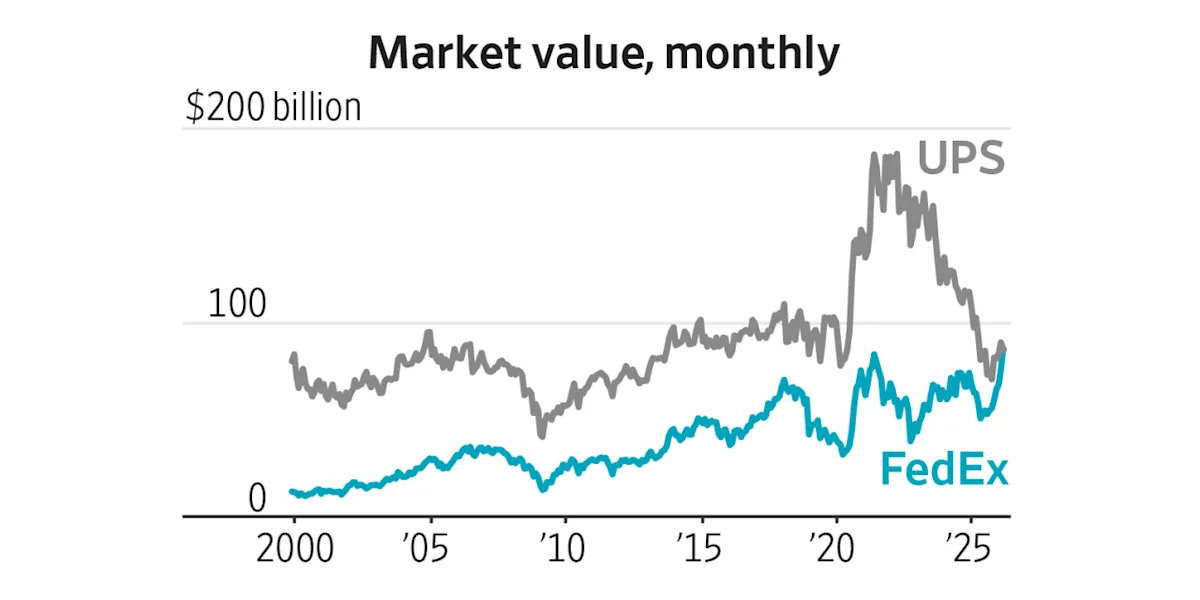
- Market Comparison: While UPS continues to deliver more packages, FedEx has surpassed UPS in market capitalization, indicating investor approval of its cost-cutting efforts and reflecting a market focus on profitability.
- Cost-Cutting Effectiveness: FedEx has successfully enhanced operational efficiency through effective cost control strategies, resulting in a higher market valuation in the highly competitive courier industry, thereby strengthening its financial stability.
- Investor Confidence Boost: As FedEx's market capitalization grows, investor confidence in its future growth potential has significantly increased, which may attract more capital inflows and further drive up its stock price.
- Changing Competitive Landscape: FedEx's market cap surpassing UPS could alter the competitive dynamics in the courier industry, prompting UPS to accelerate its own cost optimization and service enhancements to maintain market share.
Trade with 70% Backtested Accuracy
Stop guessing "Should I Buy FDX?" and start using high-conviction signals backed by rigorous historical data.
Sign up today to access powerful investing tools and make smarter, data-driven decisions.
Analyst Views on FDX
Wall Street analysts forecast FDX stock price to fall
20 Analyst Rating
13 Buy
6 Hold
1 Sell
Moderate Buy
Current: 353.130

Low
210.00
Averages
315.05
High
365.00
Current: 353.130
Low
210.00
Averages
315.05
High
365.00
About FDX
FedEx Corporation provides customers and businesses with a portfolio of transportation, e-commerce, and business services. The Company offers integrated business solutions utilizing its flexible and efficient global network. Its segments include Federal Express, FedEx Freight, and Corporate, other, and eliminations. Federal Express segment includes express transportation, small-package ground delivery, and freight transportation, and it also operates combined sales, marketing, administrative, and information-technology functions in shared service operations for United States customers. FedEx Freight segment includes FedEx Freight (LTL freight transportation) and FedEx Custom Critical (time-critical transportation). Corporate, other, and elimination segments include FedEx Dataworks, Inc. (FedEx Dataworks), FedEx Office and Print Services, Inc. (FedEx Office), and FedEx Logistics, Inc. (FedEx Logistics). FedEx Logistics offers customs brokerage, specialty transportation, and others.
About the author

Emily J. Thompson
Emily J. Thompson, a Chartered Financial Analyst (CFA) with 12 years in investment research, graduated with honors from the Wharton School. Specializing in industrial and technology stocks, she provides in-depth analysis for Intellectia’s earnings and market brief reports.
FedEx Surpasses UPS in Market Capitalization


- Market Comparison: While UPS continues to deliver more packages, FedEx has surpassed UPS in market capitalization, indicating investor approval of its cost-cutting efforts and reflecting a market focus on profitability.
- Cost-Cutting Effectiveness: FedEx has successfully enhanced operational efficiency through effective cost control strategies, resulting in a higher market valuation in the highly competitive courier industry, thereby strengthening its financial stability.
- Investor Confidence Boost: As FedEx's market capitalization grows, investor confidence in its future growth potential has significantly increased, which may attract more capital inflows and further drive up its stock price.
- Changing Competitive Landscape: FedEx's market cap surpassing UPS could alter the competitive dynamics in the courier industry, prompting UPS to accelerate its own cost optimization and service enhancements to maintain market share.
See More
Stocks Decline Once More Amid Rising Oil Prices and Slowing GDP


- Oil Prices Surge: Brent crude oil closed at $103.14 a barrel, marking its highest level since August 2022, with a 17% increase over the last three days.
- U.S. Oil Trends: West Texas Intermediate crude also saw a significant rise, ending the day at $98.71, following a similar upward trend as Brent.
See More

Micron Technology Set for Major Growth in 2025


- Surge in AI Storage Chip Demand: Micron Technology, as a provider of memory and storage chips for training AI models, is expected to experience significant growth in 2025, driving overall company performance.
- Market Share Expansion: With the proliferation of AI technology, Micron's market share in the storage chip sector continues to grow, which is expected to further solidify its leadership position in the industry.
- Innovation-Driven Growth: The company is continuously investing in R&D to enhance the performance and efficiency of its storage chips, ensuring its products meet the increasing demands of AI applications, thereby strengthening its competitive edge.
- Long-Term Strategic Planning: Micron's growth strategy focuses not only on short-term gains but also on future technology trends, aiming to secure a favorable position in the rapidly evolving AI market.
See More

Middle East Tensions Impact Oil Prices and Stock Markets


- Surging Oil Prices: Brent and WTI crude oil prices rose approximately 3% on Friday, leading to week-to-date gains of over 11% and 8%, respectively, which pressured investor sentiment and caused all three major indices to drop at least 1% this week.
- Strait of Hormuz Closure: Traffic in the Strait of Hormuz has effectively halted due to the outbreak of war, through which about 20% of the world's petroleum consumption passes, with Iran's Supreme Leader stating it will remain closed as a tool to pressure the enemy, significantly impacting global oil markets.
- U.S. Navy Escort Readiness: The U.S. Energy Secretary indicated that the Navy is not yet ready to escort tankers, but expects readiness by the end of the month, which could influence market expectations regarding oil prices and investor confidence.
- Nvidia's Market Support: Despite the potential continuation of the Iran conflict, Nvidia's upcoming GTC conference may provide market support, as analysts express optimism about the company's strategic positioning in AI, likely attracting investor attention amidst broader market uncertainties.
See More
Market Volatility and Oil Price Impact

- Oil Price Volatility: On Friday, WTI crude prices peaked at $98 per barrel and Brent crude surpassed $100, with the oil price rebound erasing early gains in the stock market, indicating investor concerns over Middle Eastern tensions that may affect short-term investment decisions.
- Weak Market Performance: As of Friday, the S&P 500 was down about 1.5%, the Dow Jones Industrial Average fell nearly 2% for the week, and the Nasdaq Composite dropped over 1%, reflecting uncertainty in the market regarding future economic conditions.
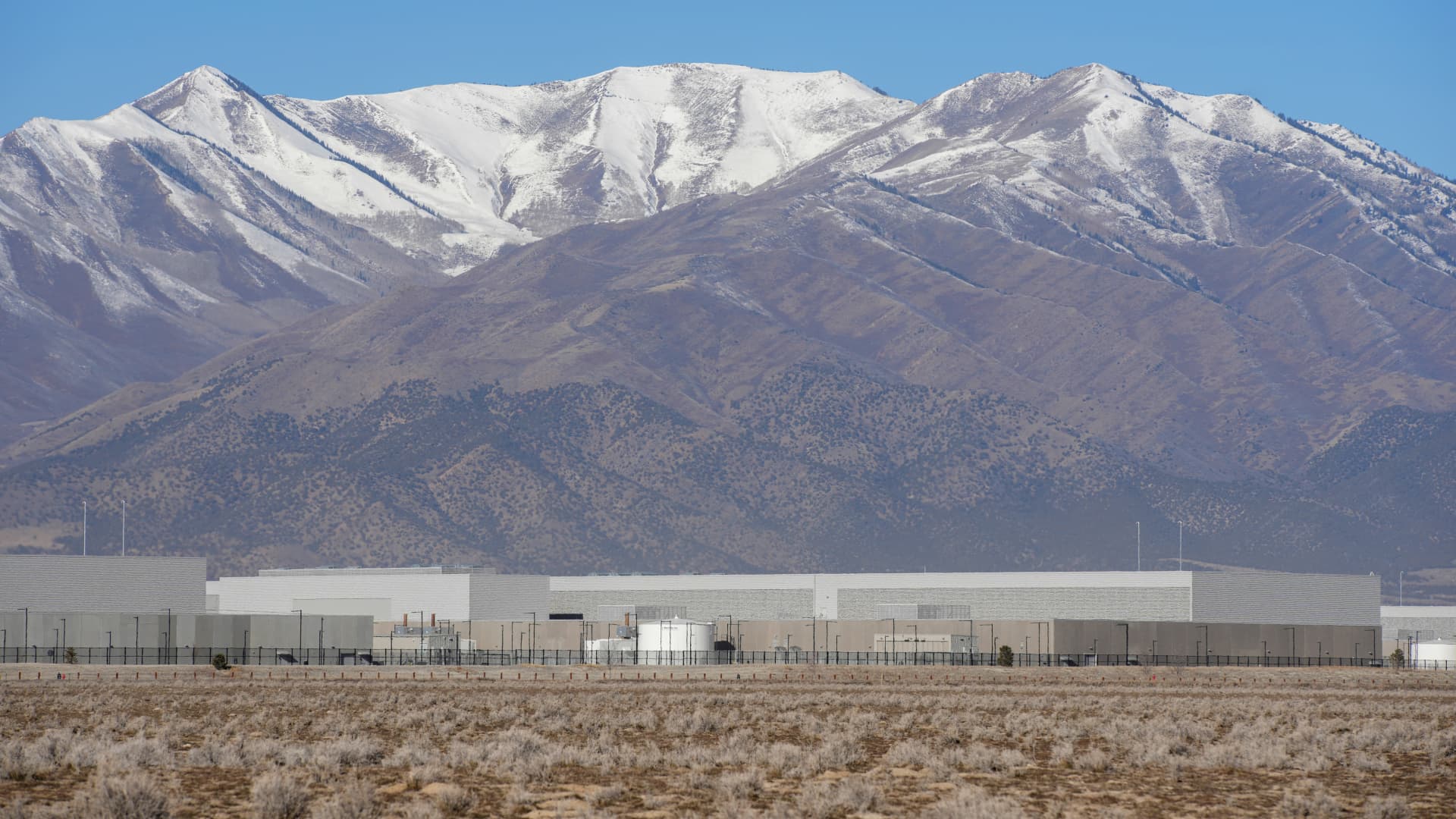
- Eaton Acquires Boyd Thermal: Eaton announced the acquisition of Boyd Thermal for $9.5 billion, integrating its liquid cooling solutions into its electrical equipment and power management business, which enhances its competitive position in the AI data center market and is expected to drive future growth.
- Upcoming Earnings Reports: Next week, Micron and FedEx are set to release highly anticipated earnings reports, with Micron's tight memory market potentially impacting other semiconductor stocks, while FedEx's performance will provide crucial insights into global trade, generating significant market interest.
See More

U.S. Trade Rep Suggests Tariff Refunds for Worker Bonuses

- Refund Proposal: U.S. Trade Representative Jamieson Greer suggested that companies should allocate the approximately $165 billion in refunds from voided tariffs to employee bonuses or raises, aiming to enhance worker welfare and stimulate consumer spending.
- Legal Actions: Hundreds of American importers, including Costco and FedEx, have filed lawsuits seeking refunds for tariffs deemed illegal by the Supreme Court, reflecting significant corporate dissatisfaction with tariff policies.
- Refund System Progress: The U.S. Customs and Border Protection reported that the online system for processing refund claims is 70% complete, although the judge's order for refunds remains suspended, highlighting the complexities in executing tariff policies.
- Trade Investigations Expansion: Greer's office has initiated trade investigations into nearly 80 countries, including China, Japan, and India, indicating that the U.S. will continue to leverage Section 301 of the Trade Act to address unfair trade practices.
See More
FedEx Surpasses UPS in Market Capitalization
- Market Comparison: While UPS continues to deliver more packages, FedEx has surpassed UPS in market capitalization, indicating investor approval of its cost-cutting efforts and reflecting a market focus on profitability.
- Cost-Cutting Effectiveness: FedEx has successfully enhanced operational efficiency through effective cost control strategies, resulting in a higher market valuation in the highly competitive courier industry, thereby strengthening its financial stability.
- Investor Confidence Boost: As FedEx's market capitalization grows, investor confidence in its future growth potential has significantly increased, which may attract more capital inflows and further drive up its stock price.
- Changing Competitive Landscape: FedEx's market cap surpassing UPS could alter the competitive dynamics in the courier industry, prompting UPS to accelerate its own cost optimization and service enhancements to maintain market share.
See More
Stocks Decline Once More Amid Rising Oil Prices and Slowing GDP
- Oil Prices Surge: Brent crude oil closed at $103.14 a barrel, marking its highest level since August 2022, with a 17% increase over the last three days.
- U.S. Oil Trends: West Texas Intermediate crude also saw a significant rise, ending the day at $98.71, following a similar upward trend as Brent.
See More
Micron Technology Set for Major Growth in 2025
- Surge in AI Storage Chip Demand: Micron Technology, as a provider of memory and storage chips for training AI models, is expected to experience significant growth in 2025, driving overall company performance.
- Market Share Expansion: With the proliferation of AI technology, Micron's market share in the storage chip sector continues to grow, which is expected to further solidify its leadership position in the industry.
- Innovation-Driven Growth: The company is continuously investing in R&D to enhance the performance and efficiency of its storage chips, ensuring its products meet the increasing demands of AI applications, thereby strengthening its competitive edge.
- Long-Term Strategic Planning: Micron's growth strategy focuses not only on short-term gains but also on future technology trends, aiming to secure a favorable position in the rapidly evolving AI market.
See More
Middle East Tensions Impact Oil Prices and Stock Markets
- Surging Oil Prices: Brent and WTI crude oil prices rose approximately 3% on Friday, leading to week-to-date gains of over 11% and 8%, respectively, which pressured investor sentiment and caused all three major indices to drop at least 1% this week.
- Strait of Hormuz Closure: Traffic in the Strait of Hormuz has effectively halted due to the outbreak of war, through which about 20% of the world's petroleum consumption passes, with Iran's Supreme Leader stating it will remain closed as a tool to pressure the enemy, significantly impacting global oil markets.
- U.S. Navy Escort Readiness: The U.S. Energy Secretary indicated that the Navy is not yet ready to escort tankers, but expects readiness by the end of the month, which could influence market expectations regarding oil prices and investor confidence.
- Nvidia's Market Support: Despite the potential continuation of the Iran conflict, Nvidia's upcoming GTC conference may provide market support, as analysts express optimism about the company's strategic positioning in AI, likely attracting investor attention amidst broader market uncertainties.
See More
Market Volatility and Oil Price Impact
- Oil Price Volatility: On Friday, WTI crude prices peaked at $98 per barrel and Brent crude surpassed $100, with the oil price rebound erasing early gains in the stock market, indicating investor concerns over Middle Eastern tensions that may affect short-term investment decisions.
- Weak Market Performance: As of Friday, the S&P 500 was down about 1.5%, the Dow Jones Industrial Average fell nearly 2% for the week, and the Nasdaq Composite dropped over 1%, reflecting uncertainty in the market regarding future economic conditions.
- Eaton Acquires Boyd Thermal: Eaton announced the acquisition of Boyd Thermal for $9.5 billion, integrating its liquid cooling solutions into its electrical equipment and power management business, which enhances its competitive position in the AI data center market and is expected to drive future growth.
- Upcoming Earnings Reports: Next week, Micron and FedEx are set to release highly anticipated earnings reports, with Micron's tight memory market potentially impacting other semiconductor stocks, while FedEx's performance will provide crucial insights into global trade, generating significant market interest.
See More
U.S. Trade Rep Suggests Tariff Refunds for Worker Bonuses
- Refund Proposal: U.S. Trade Representative Jamieson Greer suggested that companies should allocate the approximately $165 billion in refunds from voided tariffs to employee bonuses or raises, aiming to enhance worker welfare and stimulate consumer spending.
- Legal Actions: Hundreds of American importers, including Costco and FedEx, have filed lawsuits seeking refunds for tariffs deemed illegal by the Supreme Court, reflecting significant corporate dissatisfaction with tariff policies.
- Refund System Progress: The U.S. Customs and Border Protection reported that the online system for processing refund claims is 70% complete, although the judge's order for refunds remains suspended, highlighting the complexities in executing tariff policies.
- Trade Investigations Expansion: Greer's office has initiated trade investigations into nearly 80 countries, including China, Japan, and India, indicating that the U.S. will continue to leverage Section 301 of the Trade Act to address unfair trade practices.
See More