Westinghouse Collaborates with Japan on Nuclear Project
Written by Emily J. Thompson, Senior Investment Analyst
Updated: Mar 14 2026
0mins

Should l Buy CCJ?
Source: stocktwits
- Nuclear Collaboration Announcement: Westinghouse President Dan Lipman revealed a collaboration with Japanese manufacturers on a nuclear project as part of Japan's $550 billion investment initiative, indicating a strategic partnership between the U.S. and Japan in energy security.
- Bankruptcy Context: Westinghouse previously filed for Chapter 11 bankruptcy in 2017 due to significant losses from its AP1000 reactor projects, costing its then-parent company Toshiba over $9 billion, highlighting the high risks and challenges in the nuclear energy sector.
- Investment Opportunities: The company is exploring plans for pressurized water reactors and small modular reactors worth up to $100 billion under President Trump's nuclear initiative, suggesting a potential revival and investment opportunities in the nuclear market.
- Market Sentiment: Despite a decline in Cameco's stock price after hours, retail sentiment remains in the 'bullish' territory, reflecting ongoing investor interest and confidence in the nuclear sector amid increasing global focus on energy security.
Trade with 70% Backtested Accuracy
Stop guessing "Should I Buy CCJ?" and start using high-conviction signals backed by rigorous historical data.
Sign up today to access powerful investing tools and make smarter, data-driven decisions.
Analyst Views on CCJ
Wall Street analysts forecast CCJ stock price to fall
12 Analyst Rating
11 Buy
1 Hold
0 Sell
Strong Buy
Current: 111.130

Low
71.80
Averages
105.67
High
118.78
Current: 111.130
Low
71.80
Averages
105.67
High
118.78
About CCJ
Cameco Corporation is a provider of uranium fuel to generate baseload electricity around the globe. Its segments include uranium, fuel services and Westinghouse. The uranium segment involves the exploration for, mining, milling, purchase and sale of uranium concentrate. The fuel services segment involves the refining, conversion and fabrication of uranium concentrate and the purchase and sale of conversion services. The Westinghouse segment reflects its earnings from this equity-accounted investment. Westinghouse is a nuclear reactor technology original equipment manufacturer and a global provider of products and services to commercial utilities and government agencies. It provides outage and maintenance services, engineering support, instrumentation and controls equipment, plant modification, and components and parts to nuclear reactors. It has two operating mines, Cigar Lake and McArthur River as well as a mill at Key Lake. It also has ownership interests in Global Laser Enrichment.
About the author

Emily J. Thompson
Emily J. Thompson, a Chartered Financial Analyst (CFA) with 12 years in investment research, graduated with honors from the Wharton School. Specializing in industrial and technology stocks, she provides in-depth analysis for Intellectia’s earnings and market brief reports.
Cameco Leads Nuclear Renaissance as Uranium Demand Surges
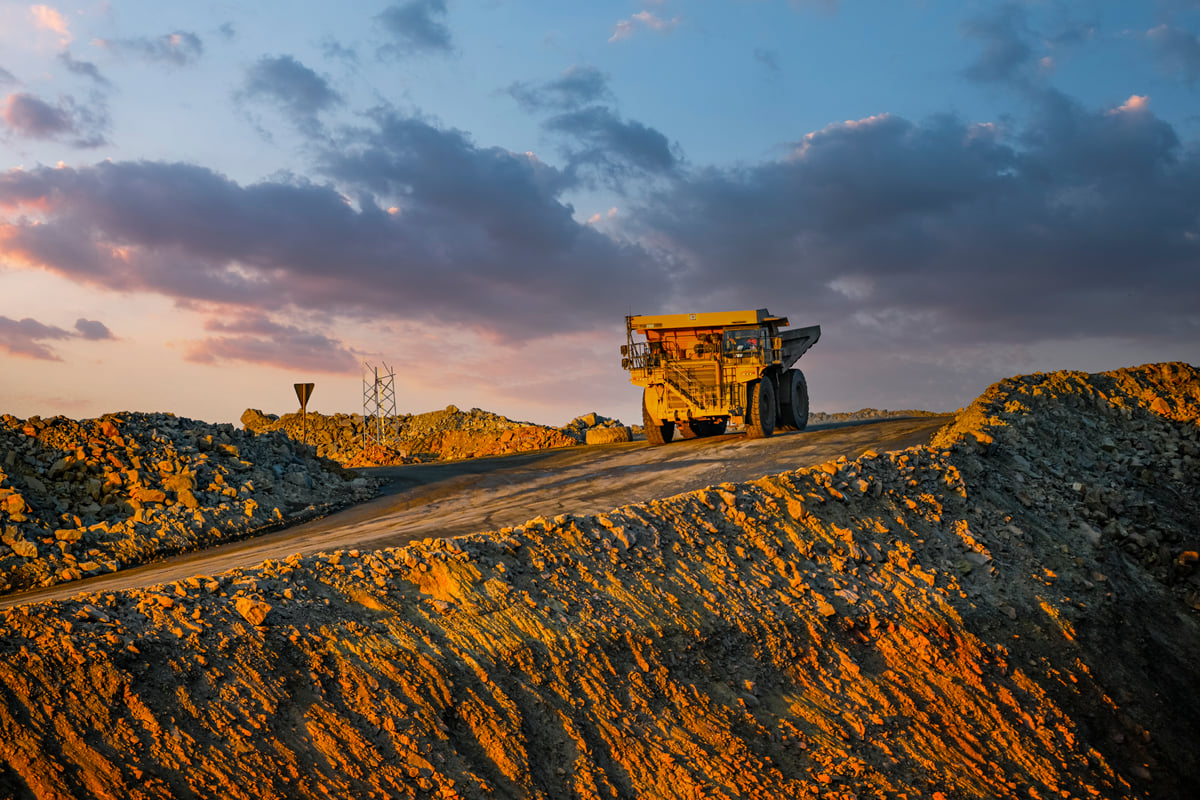
- Uranium Production Advantage: Cameco, the world's second-largest uranium miner, produced 164 million pounds of uranium in 2025, capturing a 15% market share, second only to Kazakhstan's 20%, which solidifies its critical role in global uranium supply and enhances its competitive edge.
- High-Grade Deposits: With McArthur River and Cigar Lake boasting uranium grades of 6.48% and 16.33% respectively, and expected to sustain production until 2044 and 2036, Cameco ensures long-term supply capabilities that further reinforce its leadership position in the industry.
- Growing Nuclear Demand: The closure of the Strait of Hormuz accelerates global nuclear energy demand, with projections indicating that by 2040, the need for uranium will reach 150,000 tons, making Cameco's production capacity a vital asset for countries seeking energy security.
- Strong Financial Performance: Cameco reported revenues of $3.48 billion in 2025, an 11% increase year-over-year, with earnings per share surging 114.9% and a net profit margin of 16.93%, showcasing robust profitability amid rising uranium prices, thus attracting investor interest.
See More

Brookfield Renewable's Green Energy Business Thrives Amid AI Demand

- Renewable Energy Growth: Brookfield Renewable operated 47 GW of renewable capacity by the end of 2025 and has over 200 GW of projects in development, indicating strong growth potential in the green energy market, with further expansion expected through long-term contracts with hyperscalers like Microsoft and Google.
- Financial Performance Outlook: Analysts project Brookfield's revenue and adjusted EBITDA to grow at CAGRs of 22% and 6% respectively from 2025 to 2028, reflecting its profitability and competitive edge in the green energy sector, with an enterprise value of $58.4 billion still appearing relatively cheap at 15 times this year's adjusted EBITDA.
- GE Vernova's Market Performance: Since its spin-off in 2024, GE Vernova's stock has surged nearly eightfold, with double-digit growth in its Power and Electrification orders in 2025 driven by the expansion of cloud and AI markets, highlighting its critical role in energy transition.
- Future Growth Potential: Analysts expect GE Vernova's revenue and adjusted EBITDA to increase at CAGRs of 15% and 55% from 2025 to 2028, and despite its enterprise value of $233 billion and a meager forward yield of 0.2%, its potential to meet future energy demands makes it a compelling investment for investors.
See More

Utility Stocks Poised for Growth Amid AI Demand
- Brookfield Renewable Growth: As of the end of 2025, Brookfield Renewable operates 47 GW of renewable capacity with over 200 GW in development, and analysts project a 22% CAGR in revenue from 2025 to 2028, highlighting its strong growth potential in the green energy market.
- Long-Term Contract Advantage: Brookfield has secured long-term renewable power agreements with hyperscalers like Microsoft and Google, and as the cloud and AI markets expand, it is expected to gain more contracts, enhancing its market competitiveness and revenue stability.
- GE Vernova's Rapid Surge: Since its spin-off in 2024, GE Vernova's stock has surged nearly eightfold, with analysts forecasting a 15% CAGR in revenue from 2025 to 2028, primarily driven by the expansion of cloud computing and AI markets, prompting utilities to accelerate electrification.
- Power and Electrification Order Growth: GE Vernova has seen double-digit growth in its Power and Electrification orders over the past two years, indicating strong market demand and growth potential, despite slower growth in its wind segment.
See More

Nuclear Energy Market Revival and Investment Opportunities

- Nuclear Demand Surge: The International Atomic Energy Agency forecasts that nuclear power production will double between 2024 and 2050, indicating a rapid resurgence in nuclear energy demand as renewables struggle to meet global energy needs.
- Uranium Supplier Advantage: Cameco, a leading uranium supplier, holds over 400 million pounds of uranium reserves and sold 21 million pounds last year, generating nearly $3.5 billion in revenue and approximately $600 million in net income, positioning it strongly for future demand growth.
- Vistra's Nuclear Investment: Vistra has secured a 20-year agreement with Meta Platforms to supply 2,600 megawatts of nuclear power, highlighting its strategic shift towards nuclear energy and expected to enhance its market competitiveness and revenue streams.
- Small Modular Reactor Potential: NuScale Power's 77-megawatt small modular reactor has received design approval from the U.S. Nuclear Regulatory Commission, with expectations of over 260 small reactors deployed by 2040, showcasing its potential and investment value in the nuclear energy market.
See More
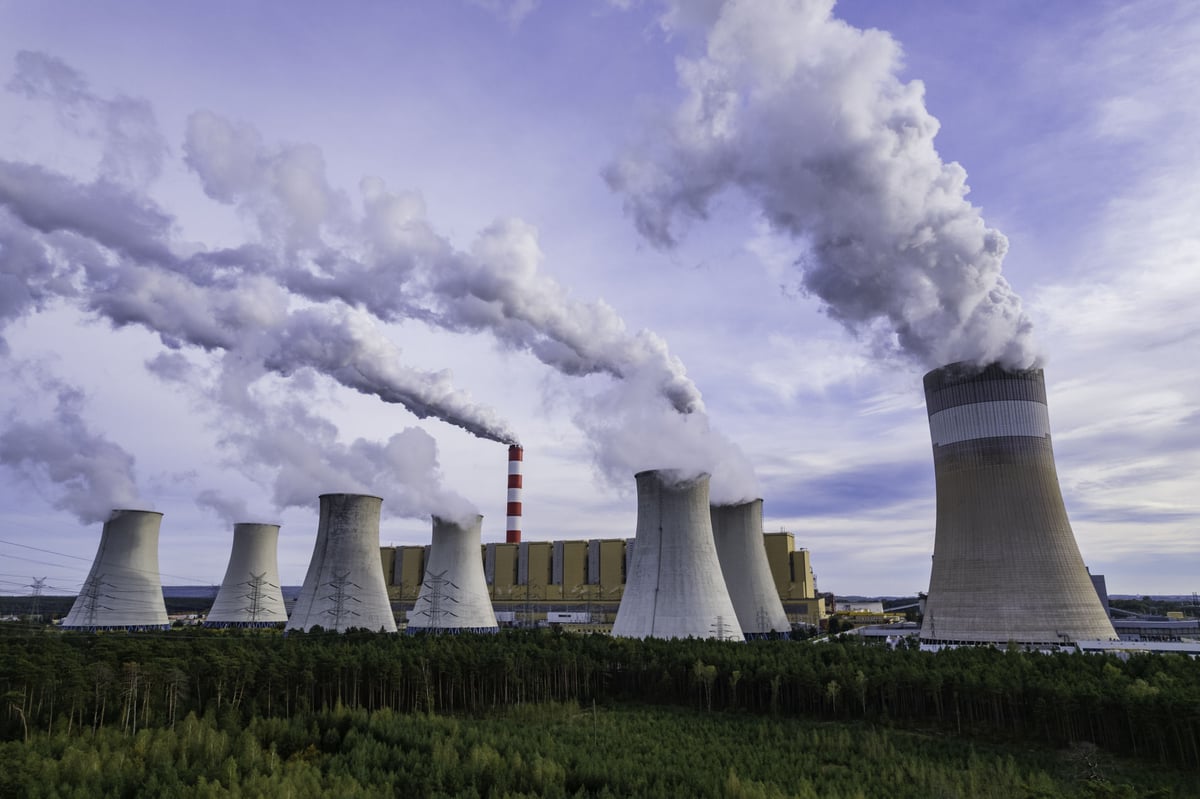
Nuclear Energy Revival: Key to Future Power Needs
- Surging Nuclear Demand: The International Atomic Energy Agency anticipates that nuclear power production will double between 2024 and 2050, driven by the urgent global energy needs, particularly from the rapid growth of AI data centers.
- Uranium Supply Advantage: Cameco, as a leading uranium supplier, sold 21 million pounds last year, generating nearly $3.5 billion in revenue and approximately $600 million in net income, with global uranium demand expected to rise from 70,000 metric tons to 150,000 metric tons by 2040, positioning Cameco favorably for this growth.
- Nuclear Investment Transformation: Vistra is significantly investing in nuclear power to meet long-term electricity supply agreements with major clients like Meta and Amazon, which is expected to enhance its market competitiveness and increase future revenue streams.
- Small Modular Reactor Prospects: NuScale Power's 77-megawatt small modular reactor has received design approval from the U.S. Nuclear Regulatory Commission, with over 260 small reactors expected to be deployed by 2040; despite profitability risks, its market potential is substantial, with analysts setting a target price of $18.68, indicating a 60% upside from current levels.
See More
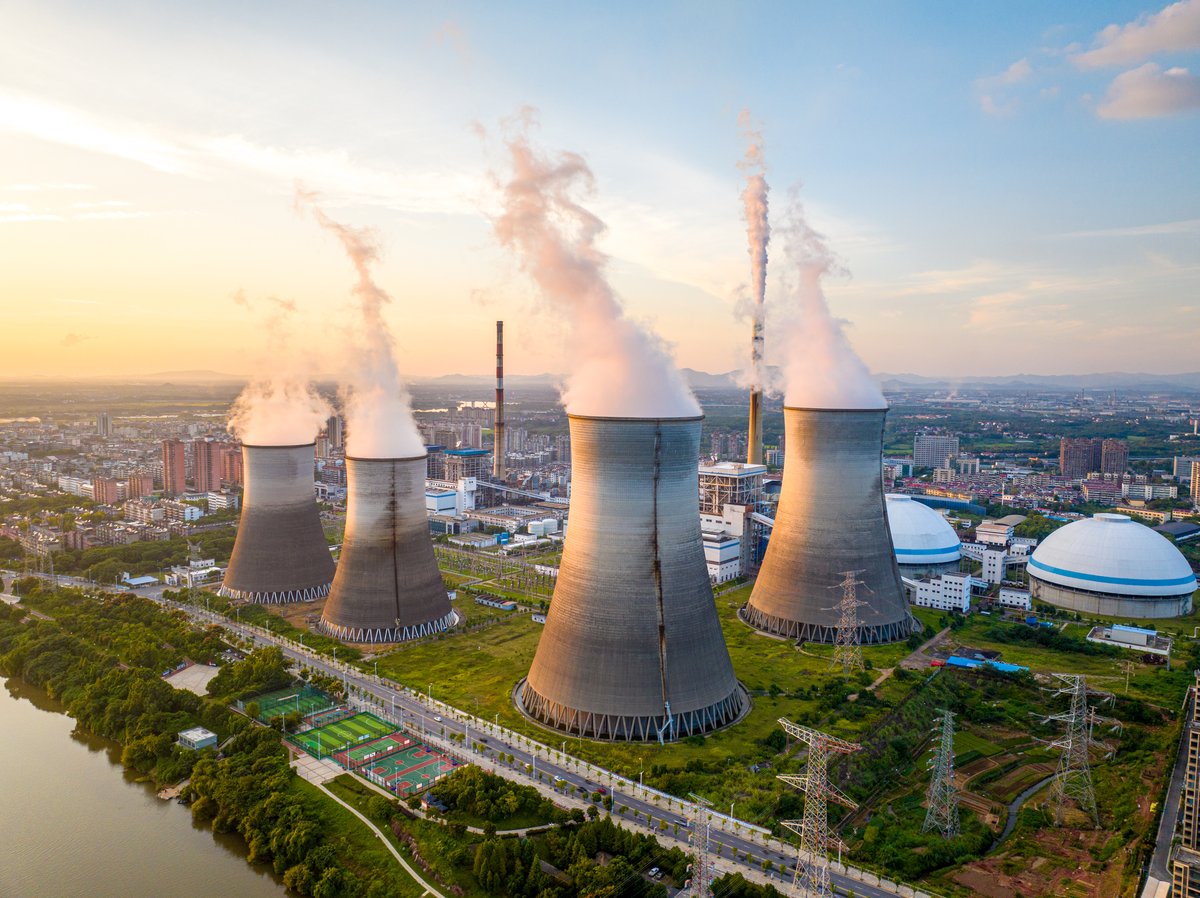
Middle East Conflict Drives Surge in Uranium Demand
- Global Energy Supply Crisis: The closure of the Strait of Hormuz impacts 20% of global oil supplies, prompting countries like Japan, South Korea, and India to accelerate nuclear energy investments to reduce reliance on oil and gas, highlighting the importance of energy independence.
- Uranium Production Growth: Cameco, the world's second-largest uranium miner, is projected to produce 15% of global uranium in 2025, with high-grade mines like McArthur River and Cigar Lake supplying fuel for India's reactors, further solidifying its market position.
- Nuclear Project Expansion: Cameco signed a 22 million-pound uranium supply agreement with India, ensuring stable supply from 2027 to 2035, while benefiting from its 49% stake in Westinghouse, profiting from the construction of AP1000 reactors in China and the U.S.
- Strong Financial Performance: Cameco expects a 10% revenue increase to $3.48 billion in 2025, with adjusted net earnings per share (EPS) soaring by 114%, reflecting the company's significant role and profitability in the global nuclear renaissance.
See More
Cameco Leads Nuclear Renaissance as Uranium Demand Surges
- Uranium Production Advantage: Cameco, the world's second-largest uranium miner, produced 164 million pounds of uranium in 2025, capturing a 15% market share, second only to Kazakhstan's 20%, which solidifies its critical role in global uranium supply and enhances its competitive edge.
- High-Grade Deposits: With McArthur River and Cigar Lake boasting uranium grades of 6.48% and 16.33% respectively, and expected to sustain production until 2044 and 2036, Cameco ensures long-term supply capabilities that further reinforce its leadership position in the industry.
- Growing Nuclear Demand: The closure of the Strait of Hormuz accelerates global nuclear energy demand, with projections indicating that by 2040, the need for uranium will reach 150,000 tons, making Cameco's production capacity a vital asset for countries seeking energy security.
- Strong Financial Performance: Cameco reported revenues of $3.48 billion in 2025, an 11% increase year-over-year, with earnings per share surging 114.9% and a net profit margin of 16.93%, showcasing robust profitability amid rising uranium prices, thus attracting investor interest.
See More
Brookfield Renewable's Green Energy Business Thrives Amid AI Demand
- Renewable Energy Growth: Brookfield Renewable operated 47 GW of renewable capacity by the end of 2025 and has over 200 GW of projects in development, indicating strong growth potential in the green energy market, with further expansion expected through long-term contracts with hyperscalers like Microsoft and Google.
- Financial Performance Outlook: Analysts project Brookfield's revenue and adjusted EBITDA to grow at CAGRs of 22% and 6% respectively from 2025 to 2028, reflecting its profitability and competitive edge in the green energy sector, with an enterprise value of $58.4 billion still appearing relatively cheap at 15 times this year's adjusted EBITDA.
- GE Vernova's Market Performance: Since its spin-off in 2024, GE Vernova's stock has surged nearly eightfold, with double-digit growth in its Power and Electrification orders in 2025 driven by the expansion of cloud and AI markets, highlighting its critical role in energy transition.
- Future Growth Potential: Analysts expect GE Vernova's revenue and adjusted EBITDA to increase at CAGRs of 15% and 55% from 2025 to 2028, and despite its enterprise value of $233 billion and a meager forward yield of 0.2%, its potential to meet future energy demands makes it a compelling investment for investors.
See More
Utility Stocks Poised for Growth Amid AI Demand
- Brookfield Renewable Growth: As of the end of 2025, Brookfield Renewable operates 47 GW of renewable capacity with over 200 GW in development, and analysts project a 22% CAGR in revenue from 2025 to 2028, highlighting its strong growth potential in the green energy market.
- Long-Term Contract Advantage: Brookfield has secured long-term renewable power agreements with hyperscalers like Microsoft and Google, and as the cloud and AI markets expand, it is expected to gain more contracts, enhancing its market competitiveness and revenue stability.
- GE Vernova's Rapid Surge: Since its spin-off in 2024, GE Vernova's stock has surged nearly eightfold, with analysts forecasting a 15% CAGR in revenue from 2025 to 2028, primarily driven by the expansion of cloud computing and AI markets, prompting utilities to accelerate electrification.
- Power and Electrification Order Growth: GE Vernova has seen double-digit growth in its Power and Electrification orders over the past two years, indicating strong market demand and growth potential, despite slower growth in its wind segment.
See More
Nuclear Energy Market Revival and Investment Opportunities
- Nuclear Demand Surge: The International Atomic Energy Agency forecasts that nuclear power production will double between 2024 and 2050, indicating a rapid resurgence in nuclear energy demand as renewables struggle to meet global energy needs.
- Uranium Supplier Advantage: Cameco, a leading uranium supplier, holds over 400 million pounds of uranium reserves and sold 21 million pounds last year, generating nearly $3.5 billion in revenue and approximately $600 million in net income, positioning it strongly for future demand growth.
- Vistra's Nuclear Investment: Vistra has secured a 20-year agreement with Meta Platforms to supply 2,600 megawatts of nuclear power, highlighting its strategic shift towards nuclear energy and expected to enhance its market competitiveness and revenue streams.
- Small Modular Reactor Potential: NuScale Power's 77-megawatt small modular reactor has received design approval from the U.S. Nuclear Regulatory Commission, with expectations of over 260 small reactors deployed by 2040, showcasing its potential and investment value in the nuclear energy market.
See More
Nuclear Energy Revival: Key to Future Power Needs
- Surging Nuclear Demand: The International Atomic Energy Agency anticipates that nuclear power production will double between 2024 and 2050, driven by the urgent global energy needs, particularly from the rapid growth of AI data centers.
- Uranium Supply Advantage: Cameco, as a leading uranium supplier, sold 21 million pounds last year, generating nearly $3.5 billion in revenue and approximately $600 million in net income, with global uranium demand expected to rise from 70,000 metric tons to 150,000 metric tons by 2040, positioning Cameco favorably for this growth.
- Nuclear Investment Transformation: Vistra is significantly investing in nuclear power to meet long-term electricity supply agreements with major clients like Meta and Amazon, which is expected to enhance its market competitiveness and increase future revenue streams.
- Small Modular Reactor Prospects: NuScale Power's 77-megawatt small modular reactor has received design approval from the U.S. Nuclear Regulatory Commission, with over 260 small reactors expected to be deployed by 2040; despite profitability risks, its market potential is substantial, with analysts setting a target price of $18.68, indicating a 60% upside from current levels.
See More
Middle East Conflict Drives Surge in Uranium Demand
- Global Energy Supply Crisis: The closure of the Strait of Hormuz impacts 20% of global oil supplies, prompting countries like Japan, South Korea, and India to accelerate nuclear energy investments to reduce reliance on oil and gas, highlighting the importance of energy independence.
- Uranium Production Growth: Cameco, the world's second-largest uranium miner, is projected to produce 15% of global uranium in 2025, with high-grade mines like McArthur River and Cigar Lake supplying fuel for India's reactors, further solidifying its market position.
- Nuclear Project Expansion: Cameco signed a 22 million-pound uranium supply agreement with India, ensuring stable supply from 2027 to 2035, while benefiting from its 49% stake in Westinghouse, profiting from the construction of AP1000 reactors in China and the U.S.
- Strong Financial Performance: Cameco expects a 10% revenue increase to $3.48 billion in 2025, with adjusted net earnings per share (EPS) soaring by 114%, reflecting the company's significant role and profitability in the global nuclear renaissance.
See More