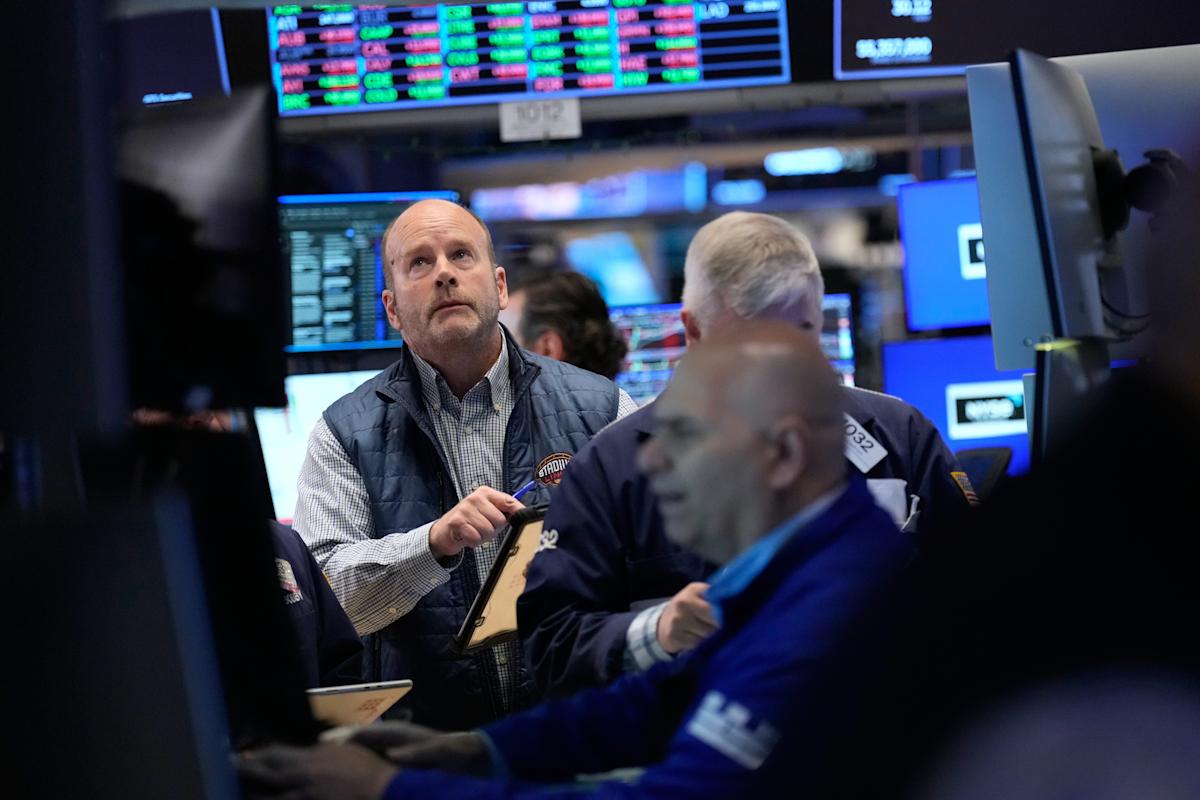
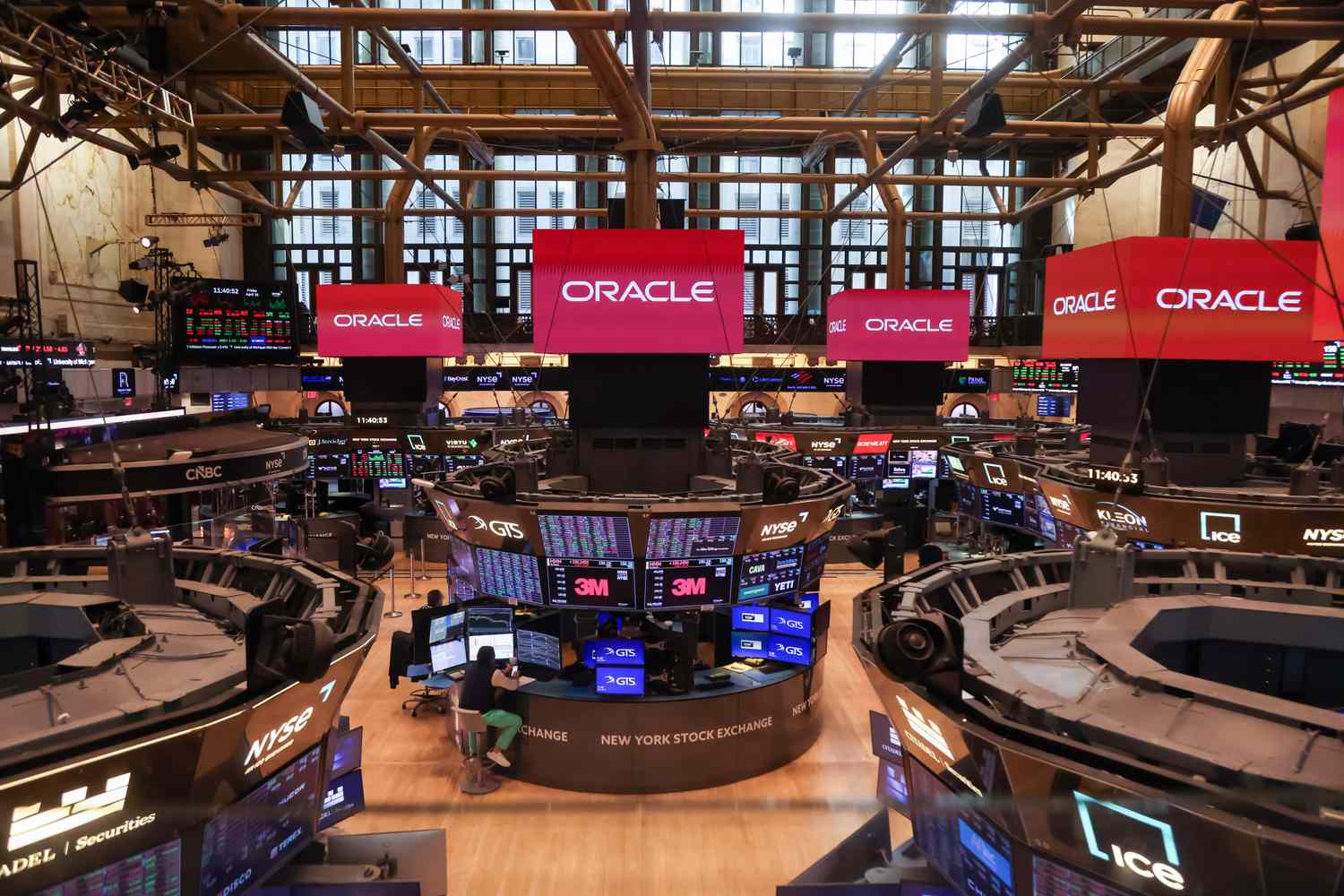
Dow Inc. Shares Surge 9.3% Amid Oil Price Rally
Written by Emily J. Thompson, Senior Investment Analyst
Updated: Mar 13 2026
0mins

Should l Buy DOW?
Source: NASDAQ.COM
- Stock Price Surge: Dow Inc. shares rallied 9.3% to close at $37.58, driven by notable trading volume that indicates strong market interest, reflecting the company's competitive advantage amid global supply chain disruptions.
- Analyst Upgrade: Citigroup upgraded Dow's rating from 'Neutral' to 'Buy' and raised the price target to $40, which may further boost investor confidence and support the stock's upward momentum.
- Disappointing Earnings Outlook: Dow is expected to report a quarterly loss of $0.34 per share, representing a staggering year-over-year decline of 1800%, while revenues are projected at $9.46 billion, down 9.3% from the previous year, highlighting the challenges the company faces.
- Earnings Estimate Revision: The consensus EPS estimate for Dow has been revised 2.5% lower over the last 30 days, and such negative trends typically do not correlate with stock price appreciation, prompting investors to monitor whether the recent price jump can sustain itself.
Trade with 70% Backtested Accuracy
Stop guessing "Should I Buy DOW?" and start using high-conviction signals backed by rigorous historical data.
Sign up today to access powerful investing tools and make smarter, data-driven decisions.
Analyst Views on DOW
Wall Street analysts forecast DOW stock price to fall
14 Analyst Rating
1 Buy
12 Hold
1 Sell
Hold
Current: 39.160

Low
22.00
Averages
27.83
High
32.00
Current: 39.160
Low
22.00
Averages
27.83
High
32.00
About DOW
Dow Inc. serves as a holding company for The Dow Chemical Company and its subsidiaries. The Company conducts its operations through six global businesses, which are organized into segments, such as Packaging & Specialty Plastics, Industrial Intermediates & Infrastructure and Performance Materials & Coatings. Packaging & Specialty Plastics segment consists of two integrated global businesses: Hydrocarbons & Energy and Packaging and Specialty Plastics. This segment employs a polyolefin product portfolio. Industrial Intermediates & Infrastructure segment consists of two customer-centric global businesses: Industrial Solutions and Polyurethanes & Construction Chemicals that develop intermediate chemicals that are essential to manufacturing processes, as well as downstream, customized materials and formulations that use advanced development technologies. Performance Materials & Coatings segment consists of two global businesses: Coatings & Performance Monomers and Consumer Solutions.
About the author

Emily J. Thompson
Emily J. Thompson, a Chartered Financial Analyst (CFA) with 12 years in investment research, graduated with honors from the Wharton School. Specializing in industrial and technology stocks, she provides in-depth analysis for Intellectia’s earnings and market brief reports.
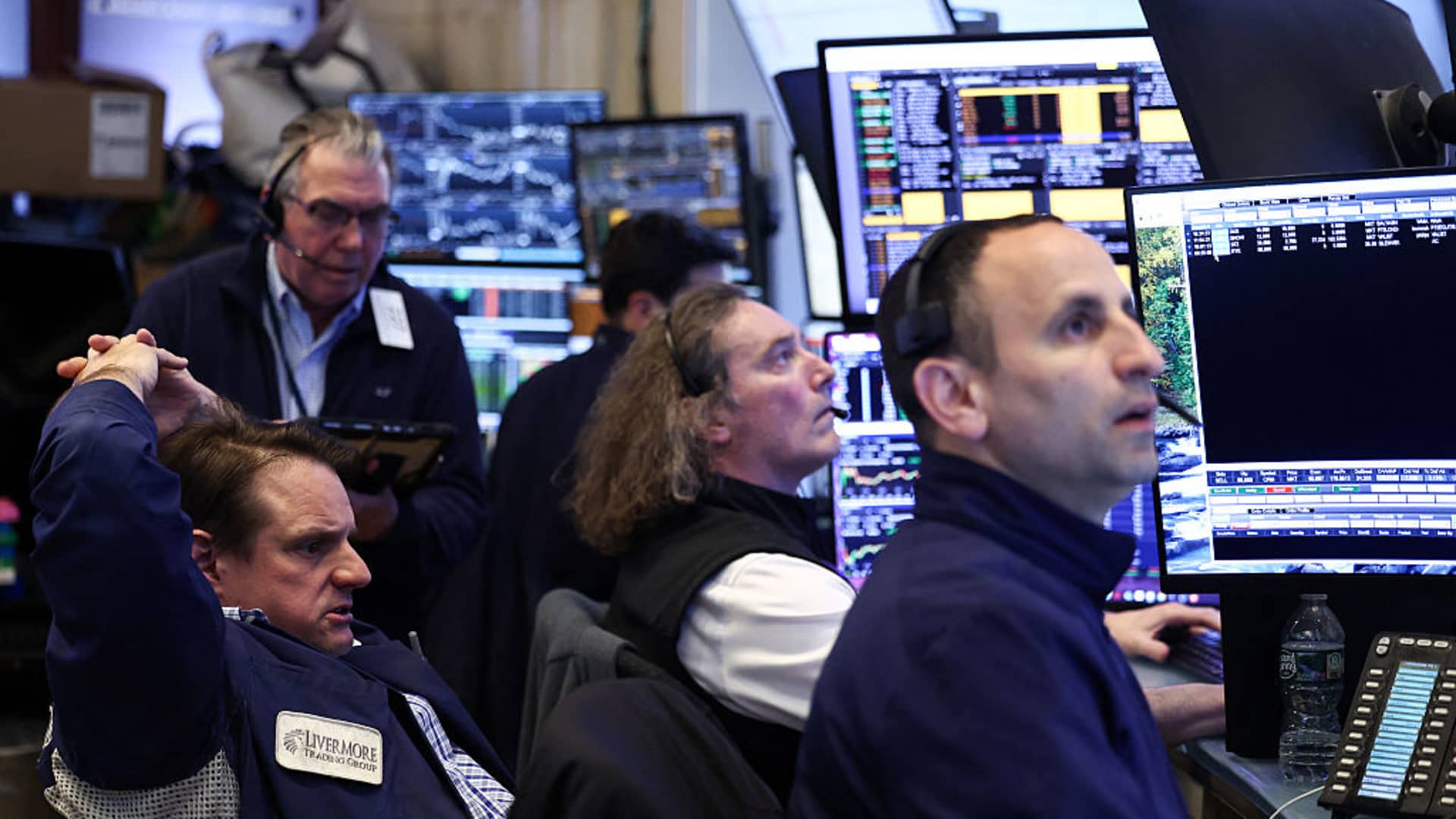
Key Takeaways from CNBC Investing Club Morning Meeting

- Market Trend Analysis: The stock market continued its strong performance from Monday, driven by investor optimism for an end to the Iran war despite a breakdown in peace talks, with West Texas Intermediate crude falling 5% to $93 per barrel, indicating a cautious outlook for the future.
- Amazon Position Trimming: Jim Cramer indicated a willingness to trim the Amazon position due to its over 20% rise since March 27 and exceeding a 5% portfolio weight, aiming to protect profits and manage risk, although the fundamentals remain solid.
- Alphabet Stock Outlook: Citi analysts named Alphabet an 'upside 90-day catalyst watch' and raised its price target from $390 to $405, anticipating that upcoming events like the Google Cloud Next will drive stock price increases, with Cramer expressing optimism about the company's direction.
- Rapid Trade Review: At the end of the video, Jim Cramer highlighted stocks such as JP Morgan, BlackRock, Dow Inc., Ford, General Motors, and United Airlines, showcasing the diversity of the investment portfolio and the broad market focus.
See More

Chemical Giants Raise Prices Amid Middle East Supply Disruptions

- Plastic Price Increases: Dow Inc. plans to raise polyethylene resin prices in North America by 30 cents per pound in April and an additional 20 cents in May, reflecting the direct impact of supply chain disruptions caused by the Middle East conflict on the plastics industry.
- Industry-Wide Price Hikes: Exxon Mobil and Nova Chemicals have also announced price increases to 30 cents per pound for April, indicating a collective response from the chemical sector to rising raw material costs, which may affect downstream product pricing.
- Supply Chain Strain: Shipping through the Strait of Hormuz has been significantly curtailed, leading to reduced supplies of oil and liquefied natural gas, which are critical for plastics production; industry executives expect elevated costs to persist for months, impacting overall market stability.
- Broader Industry Impact: INX International Ink Co. plans to raise prices on certain ink and coating products starting May 1, citing increased expenses for materials, energy, and transportation, reflecting the widespread effects of geopolitical disruptions across multiple industries.
See More
Citigroup Upgrades U.S. Stocks to Overweight Amid Iran Conflict Outlook


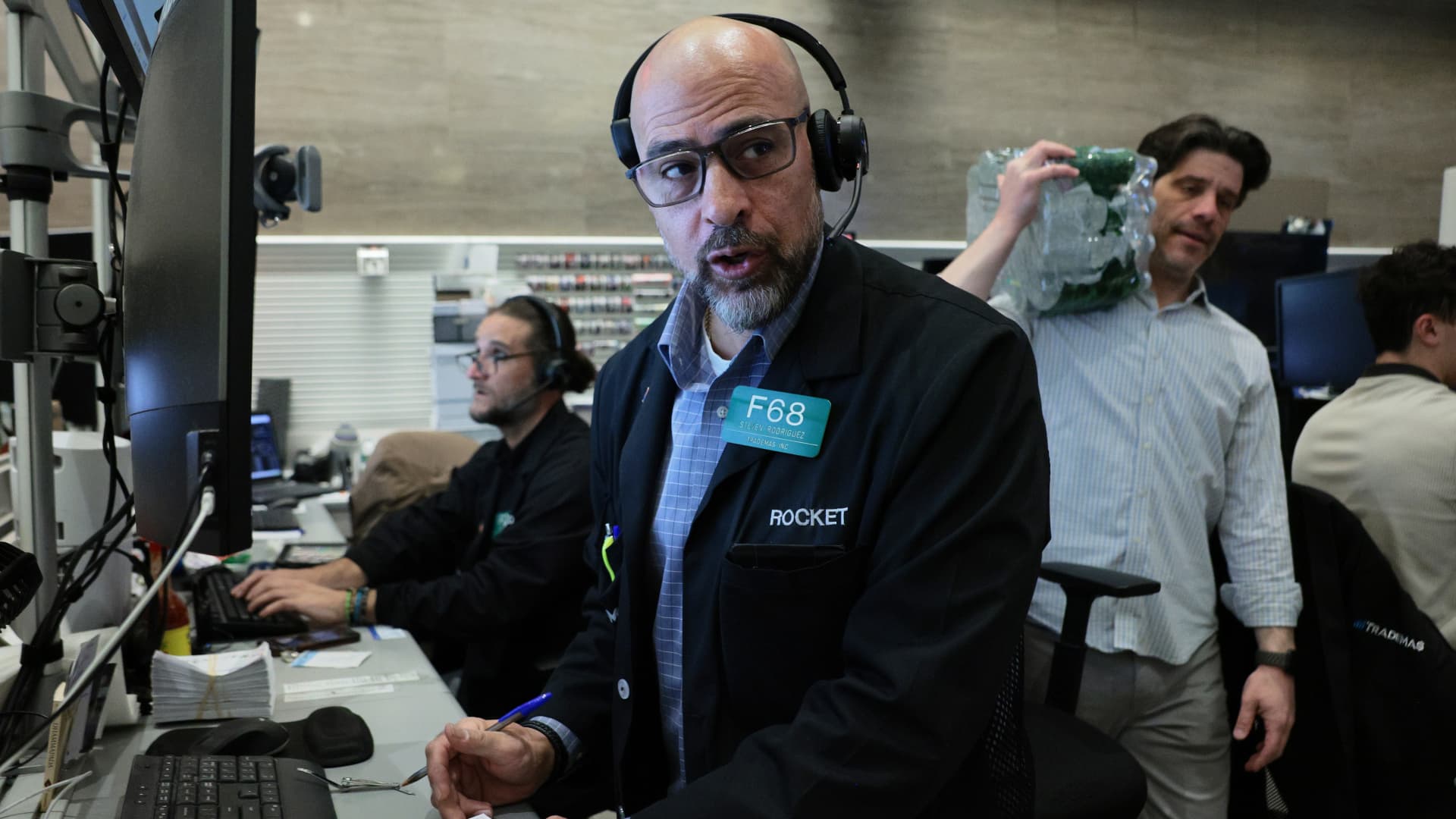
- Optimistic Market Outlook: Citigroup upgraded U.S. stocks to overweight from neutral on Monday, citing the eventual end of the U.S.-Iran conflict as a catalyst for market gains, indicating a positive outlook for year-end equities.
- S&P 500 Recovery: The S&P 500 closed at 6,886.24 on Monday, erasing losses since the conflict began, demonstrating market resilience in the face of geopolitical risks and reflecting a recovery in investor confidence.
- Sector Recommendations: Citigroup recommends investors focus on materials, healthcare, and tech stocks, with materials being the best-performing S&P 500 sector this year, up over 14%, while healthcare stocks like Moderna and DaVita have surged 72% and 33%, respectively, showcasing sector performance disparities.
- Institutional Attitude Shift: Following BlackRock, Citigroup becomes the second major institution this week to adopt a more positive stance on U.S. stocks, signaling growing confidence in the U.S. economic recovery, which may attract more capital inflows into the equity market.
See More
Dow Inc. Announces Executive Leadership Changes
- Executive Changes: Dow Inc. announced that current Chair and CEO Jim Fitterling will transition to Executive Chair on July 1, with COO Karen Carter stepping in as the new CEO, marking a significant leadership shift for the company.
- Leadership Experience: Fitterling has served as CEO since 2018 and Chair since 2020, successfully leading the company through its separation from DowDuPont, showcasing his critical role in the company's strategic transformation over his 40-year career.
- New CEO Background: Karen Carter, who became COO in December 2024 and previously served as President of the Packaging & Specialty Plastics segment, has been with Dow since 1994, bringing extensive management experience that is expected to drive future growth.
- Market Reaction: Following the announcement of the executive changes, Dow's stock fell 1.2% in pre-market trading, reflecting market uncertainty regarding the leadership transition, which may impact investor confidence.
See More

Dow Inc. Announces Leadership Transition
- Executive Transition: Dow Inc. announced that current Chair and CEO Jim Fitterling will become Executive Chair effective July 1, marking a significant shift in the company's leadership structure.
- New CEO Appointment: Karen Carter, currently the Chief Operating Officer, will assume the CEO role on the same date and join the Board of Directors, highlighting the company's commitment to nurturing internal talent.
- Leadership Continuity: Richard Davis will continue to serve as Independent Lead Director, ensuring stability during the leadership transition and supporting the advancement of the company's long-term strategy.
- Market Reaction: In pre-market trading on the New York Stock Exchange, Dow's stock price fell by 0.89% to $39.75, reflecting market caution regarding the leadership changes.
See More

Dow Chemical Announces Executive Leadership Changes
- Executive Transition: Dow Chemical announced that current Chair and CEO Jim Fitterling will become Executive Chair of the Board effective July 1, 2026, marking a significant governance shift aimed at enhancing the strategic leadership of the board.
- New CEO Appointment: Current Chief Operating Officer Karen S. Carter will take over as CEO on the same date, and her extensive operational experience is expected to drive Dow's competitiveness and innovation in the market.
- Board Membership Changes: Karen S. Carter will also join Dow's Board of Directors as CEO, further strengthening collaboration between management and the board to achieve the company's strategic objectives.
- Independent Director Continuity: Richard Davis will continue to serve as Dow's Independent Lead Director, ensuring the independence and transparency of corporate governance, safeguarding shareholder interests, and supporting the company's long-term growth.
See More
Key Takeaways from CNBC Investing Club Morning Meeting
- Market Trend Analysis: The stock market continued its strong performance from Monday, driven by investor optimism for an end to the Iran war despite a breakdown in peace talks, with West Texas Intermediate crude falling 5% to $93 per barrel, indicating a cautious outlook for the future.
- Amazon Position Trimming: Jim Cramer indicated a willingness to trim the Amazon position due to its over 20% rise since March 27 and exceeding a 5% portfolio weight, aiming to protect profits and manage risk, although the fundamentals remain solid.
- Alphabet Stock Outlook: Citi analysts named Alphabet an 'upside 90-day catalyst watch' and raised its price target from $390 to $405, anticipating that upcoming events like the Google Cloud Next will drive stock price increases, with Cramer expressing optimism about the company's direction.
- Rapid Trade Review: At the end of the video, Jim Cramer highlighted stocks such as JP Morgan, BlackRock, Dow Inc., Ford, General Motors, and United Airlines, showcasing the diversity of the investment portfolio and the broad market focus.
See More
Chemical Giants Raise Prices Amid Middle East Supply Disruptions
- Plastic Price Increases: Dow Inc. plans to raise polyethylene resin prices in North America by 30 cents per pound in April and an additional 20 cents in May, reflecting the direct impact of supply chain disruptions caused by the Middle East conflict on the plastics industry.
- Industry-Wide Price Hikes: Exxon Mobil and Nova Chemicals have also announced price increases to 30 cents per pound for April, indicating a collective response from the chemical sector to rising raw material costs, which may affect downstream product pricing.
- Supply Chain Strain: Shipping through the Strait of Hormuz has been significantly curtailed, leading to reduced supplies of oil and liquefied natural gas, which are critical for plastics production; industry executives expect elevated costs to persist for months, impacting overall market stability.
- Broader Industry Impact: INX International Ink Co. plans to raise prices on certain ink and coating products starting May 1, citing increased expenses for materials, energy, and transportation, reflecting the widespread effects of geopolitical disruptions across multiple industries.
See More
Citigroup Upgrades U.S. Stocks to Overweight Amid Iran Conflict Outlook
- Optimistic Market Outlook: Citigroup upgraded U.S. stocks to overweight from neutral on Monday, citing the eventual end of the U.S.-Iran conflict as a catalyst for market gains, indicating a positive outlook for year-end equities.
- S&P 500 Recovery: The S&P 500 closed at 6,886.24 on Monday, erasing losses since the conflict began, demonstrating market resilience in the face of geopolitical risks and reflecting a recovery in investor confidence.
- Sector Recommendations: Citigroup recommends investors focus on materials, healthcare, and tech stocks, with materials being the best-performing S&P 500 sector this year, up over 14%, while healthcare stocks like Moderna and DaVita have surged 72% and 33%, respectively, showcasing sector performance disparities.
- Institutional Attitude Shift: Following BlackRock, Citigroup becomes the second major institution this week to adopt a more positive stance on U.S. stocks, signaling growing confidence in the U.S. economic recovery, which may attract more capital inflows into the equity market.
See More
Dow Inc. Announces Executive Leadership Changes
- Executive Changes: Dow Inc. announced that current Chair and CEO Jim Fitterling will transition to Executive Chair on July 1, with COO Karen Carter stepping in as the new CEO, marking a significant leadership shift for the company.
- Leadership Experience: Fitterling has served as CEO since 2018 and Chair since 2020, successfully leading the company through its separation from DowDuPont, showcasing his critical role in the company's strategic transformation over his 40-year career.
- New CEO Background: Karen Carter, who became COO in December 2024 and previously served as President of the Packaging & Specialty Plastics segment, has been with Dow since 1994, bringing extensive management experience that is expected to drive future growth.
- Market Reaction: Following the announcement of the executive changes, Dow's stock fell 1.2% in pre-market trading, reflecting market uncertainty regarding the leadership transition, which may impact investor confidence.
See More
Dow Inc. Announces Leadership Transition
- Executive Transition: Dow Inc. announced that current Chair and CEO Jim Fitterling will become Executive Chair effective July 1, marking a significant shift in the company's leadership structure.
- New CEO Appointment: Karen Carter, currently the Chief Operating Officer, will assume the CEO role on the same date and join the Board of Directors, highlighting the company's commitment to nurturing internal talent.
- Leadership Continuity: Richard Davis will continue to serve as Independent Lead Director, ensuring stability during the leadership transition and supporting the advancement of the company's long-term strategy.
- Market Reaction: In pre-market trading on the New York Stock Exchange, Dow's stock price fell by 0.89% to $39.75, reflecting market caution regarding the leadership changes.
See More
Dow Chemical Announces Executive Leadership Changes
- Executive Transition: Dow Chemical announced that current Chair and CEO Jim Fitterling will become Executive Chair of the Board effective July 1, 2026, marking a significant governance shift aimed at enhancing the strategic leadership of the board.
- New CEO Appointment: Current Chief Operating Officer Karen S. Carter will take over as CEO on the same date, and her extensive operational experience is expected to drive Dow's competitiveness and innovation in the market.
- Board Membership Changes: Karen S. Carter will also join Dow's Board of Directors as CEO, further strengthening collaboration between management and the board to achieve the company's strategic objectives.
- Independent Director Continuity: Richard Davis will continue to serve as Dow's Independent Lead Director, ensuring the independence and transparency of corporate governance, safeguarding shareholder interests, and supporting the company's long-term growth.
See More