Derivative Path Launches FX Payments Solution Powered by Wells Fargo

Derivative Path announced the delivery of an FX payments solution powered by Wells Fargo's (WFC) FX Payment Solutions and connected through Jack Henry's Treasury Management platform. The integration enables community banks to offer their commercial clients the ability to initiate foreign currency wire transfers directly within their existing digital banking environment. FirstBank (FBK) is the first bank to go live on the DerivativeEDGE solution connected through JHA Treasury Management. FirstBank has been a Derivative Path client for five years, using the platform for interest rate derivatives, and the addition of international payments represents a deepening of that relationship.
Trade with 70% Backtested Accuracy
Analyst Views on WFC

About WFC
About the author


Americans Rethink Financial Success and Guidance

- Shift in Entrepreneurial Mindset: The 2026 Wells Fargo study reveals that 61% of adults view business ownership as part of the American Dream, with 69% of Gen Z sharing this belief, indicating a strong desire for autonomy despite 86% of business owners acknowledging personal financial sacrifices.
- Financial Pressure on Gen Z: The study shows that 64% of parents with Gen Z children feel their kids rely on them financially, with 56% of these parents reporting that this support strains their own finances, leading many young adults to postpone significant life milestones like moving or marriage.
- Adoption of AI Technology: 40% of U.S. consumers have experimented with AI for financial management, with 19% using it for advice in the past year, and this figure doubles to 38% among Gen Z, highlighting a growing openness to technology in financial decision-making.
- Increase in Savings and Investments: 47% of consumers report increasing their savings and investments over the past year, reflecting a heightened focus on financial management, although 52% believe their financial decisions are paying off, while 33% admit to making poor financial choices.
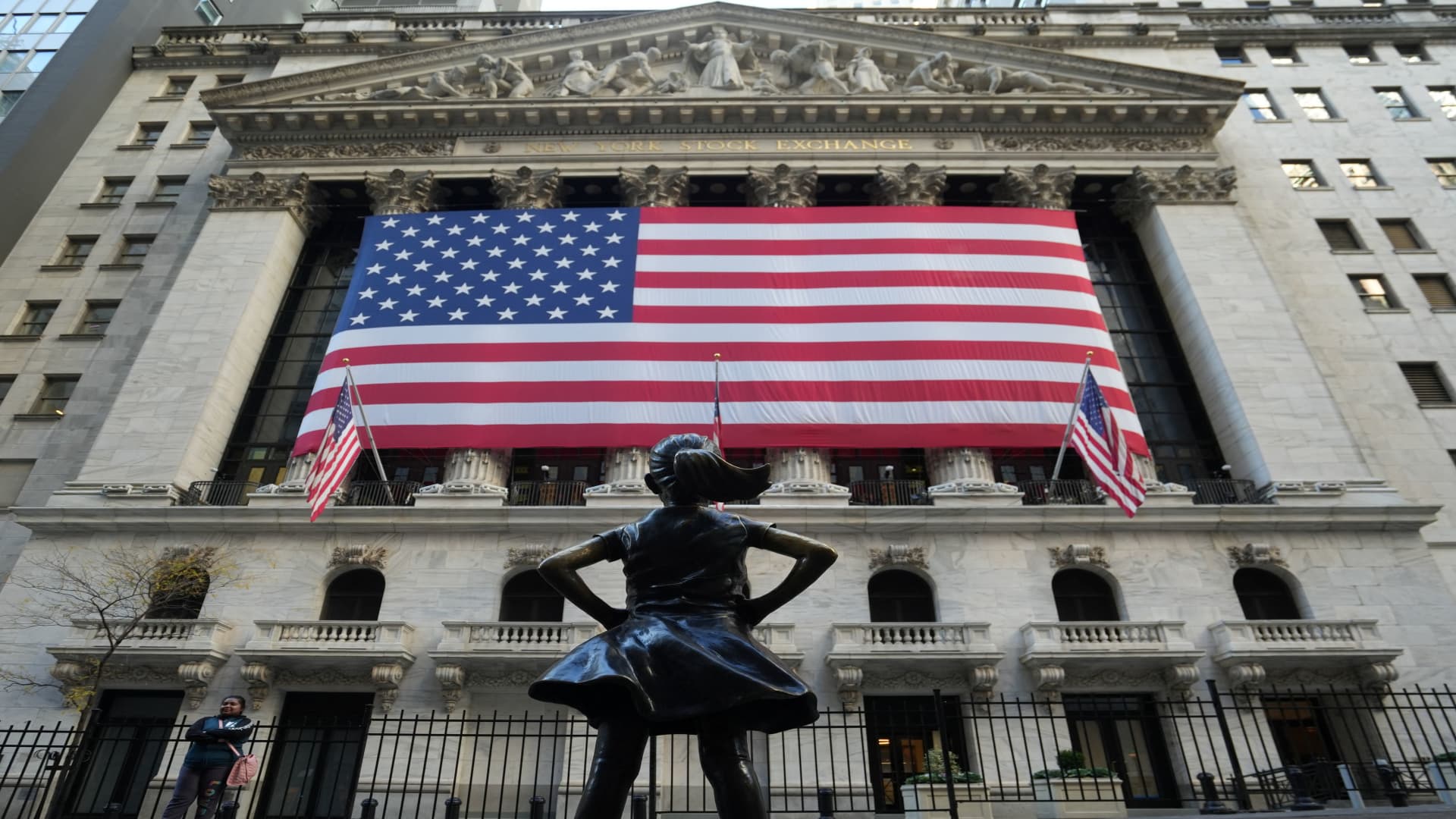
Women’s Participation in Stock Market Needs Improvement


- Current Investment Landscape: A JPMorgan analysis reveals that women accounted for approximately 35% of investors in 2025, unchanged from seven years prior, indicating a stagnation in women's participation in the stock market and a lack of societal encouragement for female investors.
- Impact of Income Disparity: The National Women's Law Center reports that women earn only 81 cents for every dollar earned by men, with this pay gap widening with age, which contributes to a more cautious investment approach among women and limits their market participation.
- Risk Aversion and Investment Performance: Although women's participation in the stock market is lower, they tend to outperform men on a risk-adjusted basis due to their tendency to avoid high-volatility investments, suggesting that their cautious approach may yield better long-term returns.
- Education and Network Support: Female students at Fordham University are engaging in stock analysis through the Smart Women Securities program, while social media influencers like Tori Dunlap are actively sharing financial literacy, highlighting the growing demand for investment education and community support among women.

Retirement Investor Protection Rule Struck Down Again


- Rule Repeal Impact: The U.S. court has struck down the fiduciary rule aimed at enhancing retirement investor protections for the second time, which may lead to retirement investors receiving investment advice that does not serve their best interests, thereby increasing market confusion and uncertainty.
- Historical Repetition: This event mirrors the previous repeal of a similar rule during the Obama administration, highlighting the financial industry's resistance to regulatory measures through legal challenges, potentially exposing investors to lower protection standards.
- Investment Decision Risks: Recent data shows that approximately 6 million individuals rolled nearly $700 billion into IRAs in 2022, and the absence of fiduciary rules may diminish the quality of advice surrounding these significant financial decisions, increasing risks for investors.
- Industry Reaction: The insurance industry welcomed this ruling as a victory for consumers, arguing that the Biden-era rule exceeded the Department's authority, indicating that future investors must be more cautious in selecting advisors to ensure they receive transparent and interest-aligned advice.
Wells Fargo Experiences Issues Today: Users Facing Online Account Problems
Service Outage: Thousands of American users experienced issues with Wells Fargo's online accounts on Monday morning, with over 1,450 reports of problems logged around 10:54 AM EST.
Types of Issues: Approximately 81% of the reported issues were related to account login difficulties, while 16% pertained to account balance or transaction problems, and 2% involved trading and brokerage issues.
Current Status: As of the time of writing, Wells Fargo had not issued an official response regarding the outage.
Further Updates: Users can stay informed about the developing situation by following updates directly on Stocktwits.

Latest Wall Street Rating Updates


- UBS Upgrade: UBS upgrades Adecoagro from Neutral to Buy, raising the price target from $8 to $16.2, indicating the company is poised to benefit from the ongoing Middle East conflict, which is expected to enhance its financial performance.
- HSBC Bullish on Carnival: HSBC upgrades Carnival from Hold to Buy, asserting that the current share price undervalues the resilience of experience-led demand, which is likely to improve the company's market performance in the near future.
- Morgan Stanley Reiterates Meta: Morgan Stanley lowers its price target for Meta from $825 to $775 but maintains it as a top investment idea, suggesting that market sentiment has bottomed out, making it an opportune time to buy.
- Deutsche Bank Upgrades Colgate: Deutsche Bank upgrades Colgate-Palmolive from Hold to Buy, highlighting the company's core business as having long-term investment value and the ability to weather current market volatility effectively.

Gartner Shares Decline Following Analyst Downgrade

- Analyst Downgrade: Wells Fargo's analyst Jason Haas lowered Gartner's price target from $150 to $140 while maintaining an underweight rating, prompting investors to reconsider their holdings, resulting in a nearly 1% drop in share price on Friday.
- Macroeconomic Impact: Haas indicated that macroeconomic volatility stemming from the Iran war may lead corporate clients to cut back on what they consider non-essential spending, such as Gartner's research services, negatively impacting the company's performance.
- Declining Contract Value Growth: Gartner experienced a significant decline in contract value growth, dropping from over 7% in Q3 2024 to just 3% in the same period of 2025, indicating weak market demand that could affect future revenues.
- AI Competitive Pressure: As corporate decision-makers increasingly trust artificial intelligence as an advisory tool, Gartner faces the challenge of convincing clients that its human expertise is superior to machine analysis, which could impact its market share and profitability.
Americans Rethink Financial Success and Guidance
- Shift in Entrepreneurial Mindset: The 2026 Wells Fargo study reveals that 61% of adults view business ownership as part of the American Dream, with 69% of Gen Z sharing this belief, indicating a strong desire for autonomy despite 86% of business owners acknowledging personal financial sacrifices.
- Financial Pressure on Gen Z: The study shows that 64% of parents with Gen Z children feel their kids rely on them financially, with 56% of these parents reporting that this support strains their own finances, leading many young adults to postpone significant life milestones like moving or marriage.
- Adoption of AI Technology: 40% of U.S. consumers have experimented with AI for financial management, with 19% using it for advice in the past year, and this figure doubles to 38% among Gen Z, highlighting a growing openness to technology in financial decision-making.
- Increase in Savings and Investments: 47% of consumers report increasing their savings and investments over the past year, reflecting a heightened focus on financial management, although 52% believe their financial decisions are paying off, while 33% admit to making poor financial choices.
Women’s Participation in Stock Market Needs Improvement
- Current Investment Landscape: A JPMorgan analysis reveals that women accounted for approximately 35% of investors in 2025, unchanged from seven years prior, indicating a stagnation in women's participation in the stock market and a lack of societal encouragement for female investors.
- Impact of Income Disparity: The National Women's Law Center reports that women earn only 81 cents for every dollar earned by men, with this pay gap widening with age, which contributes to a more cautious investment approach among women and limits their market participation.
- Risk Aversion and Investment Performance: Although women's participation in the stock market is lower, they tend to outperform men on a risk-adjusted basis due to their tendency to avoid high-volatility investments, suggesting that their cautious approach may yield better long-term returns.
- Education and Network Support: Female students at Fordham University are engaging in stock analysis through the Smart Women Securities program, while social media influencers like Tori Dunlap are actively sharing financial literacy, highlighting the growing demand for investment education and community support among women.
Retirement Investor Protection Rule Struck Down Again
- Rule Repeal Impact: The U.S. court has struck down the fiduciary rule aimed at enhancing retirement investor protections for the second time, which may lead to retirement investors receiving investment advice that does not serve their best interests, thereby increasing market confusion and uncertainty.
- Historical Repetition: This event mirrors the previous repeal of a similar rule during the Obama administration, highlighting the financial industry's resistance to regulatory measures through legal challenges, potentially exposing investors to lower protection standards.
- Investment Decision Risks: Recent data shows that approximately 6 million individuals rolled nearly $700 billion into IRAs in 2022, and the absence of fiduciary rules may diminish the quality of advice surrounding these significant financial decisions, increasing risks for investors.
- Industry Reaction: The insurance industry welcomed this ruling as a victory for consumers, arguing that the Biden-era rule exceeded the Department's authority, indicating that future investors must be more cautious in selecting advisors to ensure they receive transparent and interest-aligned advice.
Wells Fargo Experiences Issues Today: Users Facing Online Account Problems
Service Outage: Thousands of American users experienced issues with Wells Fargo's online accounts on Monday morning, with over 1,450 reports of problems logged around 10:54 AM EST.
Types of Issues: Approximately 81% of the reported issues were related to account login difficulties, while 16% pertained to account balance or transaction problems, and 2% involved trading and brokerage issues.
Current Status: As of the time of writing, Wells Fargo had not issued an official response regarding the outage.
Further Updates: Users can stay informed about the developing situation by following updates directly on Stocktwits.
Latest Wall Street Rating Updates
- UBS Upgrade: UBS upgrades Adecoagro from Neutral to Buy, raising the price target from $8 to $16.2, indicating the company is poised to benefit from the ongoing Middle East conflict, which is expected to enhance its financial performance.
- HSBC Bullish on Carnival: HSBC upgrades Carnival from Hold to Buy, asserting that the current share price undervalues the resilience of experience-led demand, which is likely to improve the company's market performance in the near future.
- Morgan Stanley Reiterates Meta: Morgan Stanley lowers its price target for Meta from $825 to $775 but maintains it as a top investment idea, suggesting that market sentiment has bottomed out, making it an opportune time to buy.
- Deutsche Bank Upgrades Colgate: Deutsche Bank upgrades Colgate-Palmolive from Hold to Buy, highlighting the company's core business as having long-term investment value and the ability to weather current market volatility effectively.
Gartner Shares Decline Following Analyst Downgrade
- Analyst Downgrade: Wells Fargo's analyst Jason Haas lowered Gartner's price target from $150 to $140 while maintaining an underweight rating, prompting investors to reconsider their holdings, resulting in a nearly 1% drop in share price on Friday.
- Macroeconomic Impact: Haas indicated that macroeconomic volatility stemming from the Iran war may lead corporate clients to cut back on what they consider non-essential spending, such as Gartner's research services, negatively impacting the company's performance.
- Declining Contract Value Growth: Gartner experienced a significant decline in contract value growth, dropping from over 7% in Q3 2024 to just 3% in the same period of 2025, indicating weak market demand that could affect future revenues.
- AI Competitive Pressure: As corporate decision-makers increasingly trust artificial intelligence as an advisory tool, Gartner faces the challenge of convincing clients that its human expertise is superior to machine analysis, which could impact its market share and profitability.