ConocoPhillips Shares Surge 16.3% Amid Oil Price Rally
Written by Emily J. Thompson, Senior Investment Analyst
Updated: 1 hour ago
0mins
Should l Buy COP?
Source: Fool
- Oil Price Surge: Brent crude prices skyrocketed 43% in March to nearly $104 per barrel, while WTI surged 51%, marking the largest monthly gain since 2020, which propelled ConocoPhillips' stock up 16.3%, significantly outperforming the S&P 500's 5% decline.
- Cash Flow Expectations: ConocoPhillips generated $7.3 billion in free cash flow last year and expects an additional $1 billion this year at stable oil prices, primarily driven by reduced capital spending and cost savings, highlighting the company's profitability in a high oil price environment.
- Project Delay Risks: While rising oil prices enhance profit potential, the war impacts ConocoPhillips' LNG projects with QatarEnergy, potentially delaying the completion of two projects under construction, which could affect the anticipated $1 billion annual cash flow increase over the next two years.
- Long-Term Growth Potential: ConocoPhillips anticipates doubling its free cash flow by 2029, assuming an average oil price of $70, and the combination of near-term price upside and long-term growth prospects makes the stock still a buy even after last month's surge.
Trade with 70% Backtested Accuracy
Stop guessing "Should I Buy COP?" and start using high-conviction signals backed by rigorous historical data.
Sign up today to access powerful investing tools and make smarter, data-driven decisions.
Analyst Views on COP
Wall Street analysts forecast COP stock price to fall
19 Analyst Rating
15 Buy
3 Hold
1 Sell
Moderate Buy
Current: 131.640

Low
98.00
Averages
115.67
High
133.00
Current: 131.640
Low
98.00
Averages
115.67
High
133.00
About COP
ConocoPhillips is an exploration and production company. Its Alaska segment primarily explores for, produces, transports and markets crude oil, natural gas and NGLs. The Lower 48 segment consists of operations located in the 48 contiguous states in the United States and the Gulf of Mexico. Canadian operations consist of the Surmont oil sands development in Alberta, the liquids-rich Montney unconventional play in British Columbia and commercial operations. The Europe, Middle East and North Africa segment consists of operations principally located in the Norwegian sector of the North Sea, the Norwegian Sea, Qatar, Libya, Equatorial Guinea and commercial and terminalling operations in the United Kingdom. Asia Pacific segment has exploration and production operations in China, Malaysia, Australia and commercial operations in China, Singapore and Japan. Other International segment includes interests in Colombia as well as contingencies associated with prior operations in other countries.
About the author

Emily J. Thompson
Emily J. Thompson, a Chartered Financial Analyst (CFA) with 12 years in investment research, graduated with honors from the Wharton School. Specializing in industrial and technology stocks, she provides in-depth analysis for Intellectia’s earnings and market brief reports.
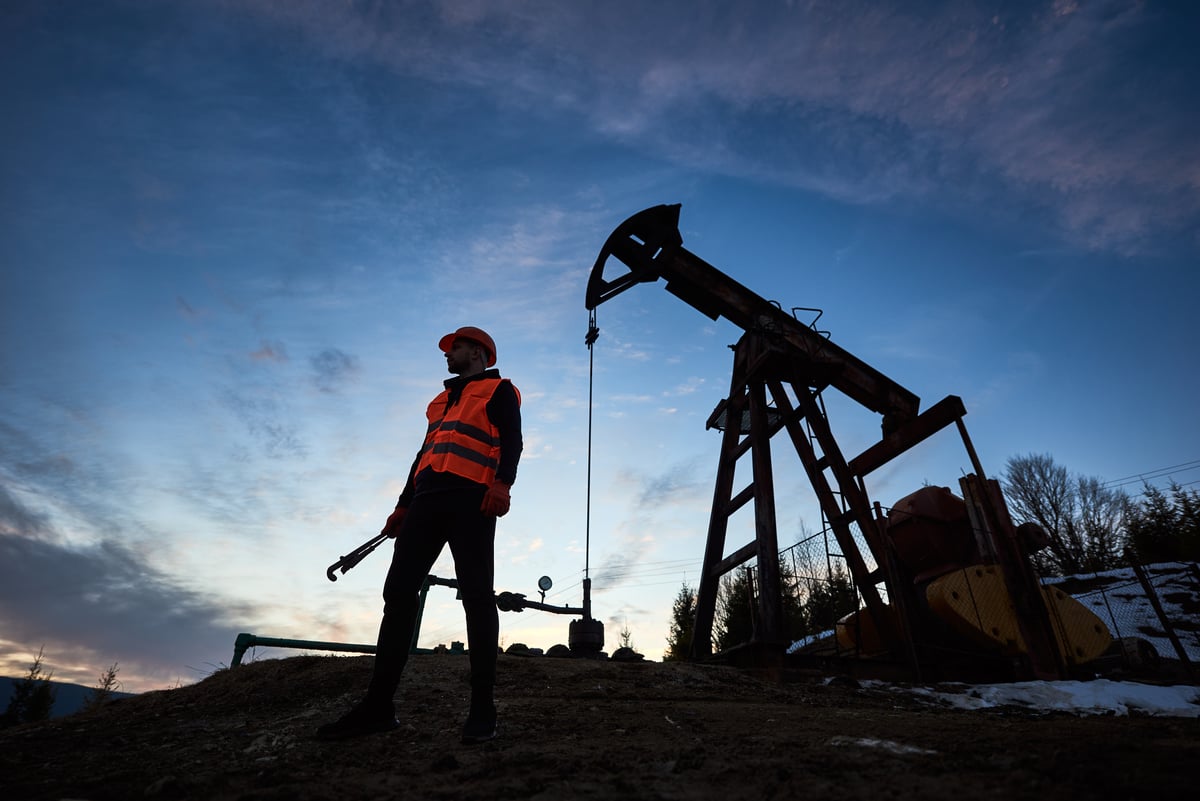
ConocoPhillips Shares Surge 16.3% Amid Oil Price Rally

- Oil Price Surge: Brent crude prices skyrocketed 43% in March to nearly $104 per barrel, while WTI surged 51%, marking the largest monthly gain since 2020, which propelled ConocoPhillips' stock up 16.3%, significantly outperforming the S&P 500's 5% decline.
- Cash Flow Expectations: ConocoPhillips generated $7.3 billion in free cash flow last year and expects an additional $1 billion this year at stable oil prices, primarily driven by reduced capital spending and cost savings, highlighting the company's profitability in a high oil price environment.
- Project Delay Risks: While rising oil prices enhance profit potential, the war impacts ConocoPhillips' LNG projects with QatarEnergy, potentially delaying the completion of two projects under construction, which could affect the anticipated $1 billion annual cash flow increase over the next two years.
- Long-Term Growth Potential: ConocoPhillips anticipates doubling its free cash flow by 2029, assuming an average oil price of $70, and the combination of near-term price upside and long-term growth prospects makes the stock still a buy even after last month's surge.
See More

Surging Oil Prices Boost ConocoPhillips Earnings Outlook
- Oil Price Surge: Brent crude prices skyrocketed 43% in March to nearly $104 per barrel, while WTI surged 51%, marking the largest monthly gain since 2020, significantly enhancing ConocoPhillips' earnings outlook.
- Cash Flow Growth Potential: ConocoPhillips generated $7.3 billion in free cash flow last year and expects an additional $1 billion this year at stable oil prices, demonstrating effective management in cost control and capital expenditures.
- Project Construction Disruption: The ongoing war with Iran has impacted ConocoPhillips' three LNG projects in Qatar, particularly disrupting exports from the operating facility, which may delay the completion of future projects and affect anticipated cash flow growth.
- Strong Stock Performance: ConocoPhillips shares have surged approximately 40% this year, and with oil prices remaining high, further upside is expected, although analysts remain cautious regarding investment recommendations.
See More
Broadcom Partners with Google for AI Chip Supply Agreement

- AI Chip Supply Agreement: Broadcom has entered into an agreement to supply AI chips to Google and signed an expanded deal with Anthropic to provide approximately 3.5 gigawatts of computing capacity, which is expected to significantly enhance Google's competitive edge in the AI sector.
- Stock Price Reaction: Broadcom shares rose by 3%, while Alphabet's shares increased slightly by 0.2%, reflecting the market's positive outlook on the collaboration and its potential to drive future technological innovations and market share growth.
- S&P 500 Component Change: Casey's General Stores will replace Hologic in the S&P 500 prior to Thursday's open, with Casey's shares rising about 1%, while Hologic's shares were halted due to the completion of its acquisition by Blackstone and TPG Global, indicating increased market confidence in Casey's.
- Medicare Payment Increase: Healthcare stocks surged as the Center for Medicare & Medicaid Services finalized a payment increase for privately run Medicare Advantage plans, with Humana's shares soaring nearly 10%, UnitedHealth rising 6%, and CVS Health advancing nearly 7%, signaling optimistic sentiment towards the healthcare insurance sector.
See More

IMF Warns of Global Economic Slowdown Ahead


- Pessimistic Global Outlook: IMF Managing Director Kristalina Georgieva warned in Davos that the Iran war will lead to higher inflation and slower growth, with global growth forecasts for 2026 expected to be downgraded from 3.3%.
- Energy Supply Shock: The effective closure of the Strait of Hormuz has resulted in a 13% reduction in global oil supply, causing significant disruptions in energy supply; although shipping is gradually resuming, it remains far below pre-war levels, impacting global economic recovery.
- Severe Impact on Poor Nations: Georgieva cautioned that the poorest countries lacking sufficient reserves will be the most affected, highlighting increasing global economic inequality that could lead to social unrest and instability.
- Rising Stagflation Risks: The dual threat of high inflation and slower economic growth is intensifying concerns about
See More

U.S. Treasury Yields Rise Amid Trump’s Threats on Iran
- Treasury Yield Increase: U.S. 10-year Treasury yields rose over 1 basis point to 4.3466% as President Trump reiterated threats to bomb Iranian infrastructure if Tehran fails to reopen the Strait of Hormuz by the deadline, indicating heightened market concerns over borrowing costs.
- Short-term Rate Sensitivity: The 2-year Treasury yield also increased by 1 basis point to 3.8622%, reflecting market sensitivity to Federal Reserve's short-term rate decisions, which could influence future monetary policy directions.
- Energy Price Surge: As the deadline approaches, Brent crude prices rose by 1.4% to $111.27 per barrel, while WTI crude increased by 2.1% to $114.81, demonstrating market reactions to geopolitical risks.
- Economic Data Focus: Investors are set to monitor upcoming U.S. durable goods orders data, which are expected to come in lower than January's flat print, potentially impacting market perceptions of the economic outlook.
See More

Trump Escalates Threats Against Iran Amid Negotiations


- Trump's Tough Stance: President Trump stated in a press conference that he might attack Iran's energy and transportation infrastructure if the Strait of Hormuz is not reopened by Tuesday night, intensifying market uncertainty surrounding geopolitical tensions.
- Iran's Ceasefire Proposal: Although the U.S. has received Iran's latest ceasefire proposal, Trump described it as 'not good enough,' indicating significant divisions remain in negotiations that could impact future diplomatic efforts.
- Oil Price Surge: Oil prices continued to rise amid these developments, with shipping through the Strait of Hormuz gradually resuming as eight tankers transited on Monday, up from an average of fewer than two per day in March, yet still a fraction of the 20 million barrels per day seen in 2025.
- Market Volatility: Asia-Pacific markets experienced volatile trading on Tuesday, with major indexes flipping to losses in the morning session, reflecting investor concerns over geopolitical developments, while U.S. futures indicated a mixed opening ahead.
See More
ConocoPhillips Shares Surge 16.3% Amid Oil Price Rally
- Oil Price Surge: Brent crude prices skyrocketed 43% in March to nearly $104 per barrel, while WTI surged 51%, marking the largest monthly gain since 2020, which propelled ConocoPhillips' stock up 16.3%, significantly outperforming the S&P 500's 5% decline.
- Cash Flow Expectations: ConocoPhillips generated $7.3 billion in free cash flow last year and expects an additional $1 billion this year at stable oil prices, primarily driven by reduced capital spending and cost savings, highlighting the company's profitability in a high oil price environment.
- Project Delay Risks: While rising oil prices enhance profit potential, the war impacts ConocoPhillips' LNG projects with QatarEnergy, potentially delaying the completion of two projects under construction, which could affect the anticipated $1 billion annual cash flow increase over the next two years.
- Long-Term Growth Potential: ConocoPhillips anticipates doubling its free cash flow by 2029, assuming an average oil price of $70, and the combination of near-term price upside and long-term growth prospects makes the stock still a buy even after last month's surge.
See More
Surging Oil Prices Boost ConocoPhillips Earnings Outlook
- Oil Price Surge: Brent crude prices skyrocketed 43% in March to nearly $104 per barrel, while WTI surged 51%, marking the largest monthly gain since 2020, significantly enhancing ConocoPhillips' earnings outlook.
- Cash Flow Growth Potential: ConocoPhillips generated $7.3 billion in free cash flow last year and expects an additional $1 billion this year at stable oil prices, demonstrating effective management in cost control and capital expenditures.
- Project Construction Disruption: The ongoing war with Iran has impacted ConocoPhillips' three LNG projects in Qatar, particularly disrupting exports from the operating facility, which may delay the completion of future projects and affect anticipated cash flow growth.
- Strong Stock Performance: ConocoPhillips shares have surged approximately 40% this year, and with oil prices remaining high, further upside is expected, although analysts remain cautious regarding investment recommendations.
See More
Broadcom Partners with Google for AI Chip Supply Agreement
- AI Chip Supply Agreement: Broadcom has entered into an agreement to supply AI chips to Google and signed an expanded deal with Anthropic to provide approximately 3.5 gigawatts of computing capacity, which is expected to significantly enhance Google's competitive edge in the AI sector.
- Stock Price Reaction: Broadcom shares rose by 3%, while Alphabet's shares increased slightly by 0.2%, reflecting the market's positive outlook on the collaboration and its potential to drive future technological innovations and market share growth.
- S&P 500 Component Change: Casey's General Stores will replace Hologic in the S&P 500 prior to Thursday's open, with Casey's shares rising about 1%, while Hologic's shares were halted due to the completion of its acquisition by Blackstone and TPG Global, indicating increased market confidence in Casey's.
- Medicare Payment Increase: Healthcare stocks surged as the Center for Medicare & Medicaid Services finalized a payment increase for privately run Medicare Advantage plans, with Humana's shares soaring nearly 10%, UnitedHealth rising 6%, and CVS Health advancing nearly 7%, signaling optimistic sentiment towards the healthcare insurance sector.
See More
IMF Warns of Global Economic Slowdown Ahead
- Pessimistic Global Outlook: IMF Managing Director Kristalina Georgieva warned in Davos that the Iran war will lead to higher inflation and slower growth, with global growth forecasts for 2026 expected to be downgraded from 3.3%.
- Energy Supply Shock: The effective closure of the Strait of Hormuz has resulted in a 13% reduction in global oil supply, causing significant disruptions in energy supply; although shipping is gradually resuming, it remains far below pre-war levels, impacting global economic recovery.
- Severe Impact on Poor Nations: Georgieva cautioned that the poorest countries lacking sufficient reserves will be the most affected, highlighting increasing global economic inequality that could lead to social unrest and instability.
- Rising Stagflation Risks: The dual threat of high inflation and slower economic growth is intensifying concerns about
See More
U.S. Treasury Yields Rise Amid Trump’s Threats on Iran
- Treasury Yield Increase: U.S. 10-year Treasury yields rose over 1 basis point to 4.3466% as President Trump reiterated threats to bomb Iranian infrastructure if Tehran fails to reopen the Strait of Hormuz by the deadline, indicating heightened market concerns over borrowing costs.
- Short-term Rate Sensitivity: The 2-year Treasury yield also increased by 1 basis point to 3.8622%, reflecting market sensitivity to Federal Reserve's short-term rate decisions, which could influence future monetary policy directions.
- Energy Price Surge: As the deadline approaches, Brent crude prices rose by 1.4% to $111.27 per barrel, while WTI crude increased by 2.1% to $114.81, demonstrating market reactions to geopolitical risks.
- Economic Data Focus: Investors are set to monitor upcoming U.S. durable goods orders data, which are expected to come in lower than January's flat print, potentially impacting market perceptions of the economic outlook.
See More
Trump Escalates Threats Against Iran Amid Negotiations
- Trump's Tough Stance: President Trump stated in a press conference that he might attack Iran's energy and transportation infrastructure if the Strait of Hormuz is not reopened by Tuesday night, intensifying market uncertainty surrounding geopolitical tensions.
- Iran's Ceasefire Proposal: Although the U.S. has received Iran's latest ceasefire proposal, Trump described it as 'not good enough,' indicating significant divisions remain in negotiations that could impact future diplomatic efforts.
- Oil Price Surge: Oil prices continued to rise amid these developments, with shipping through the Strait of Hormuz gradually resuming as eight tankers transited on Monday, up from an average of fewer than two per day in March, yet still a fraction of the 20 million barrels per day seen in 2025.
- Market Volatility: Asia-Pacific markets experienced volatile trading on Tuesday, with major indexes flipping to losses in the morning session, reflecting investor concerns over geopolitical developments, while U.S. futures indicated a mixed opening ahead.
See More