Conagra Stock Downgraded, Plummets Over 18%
Written by Emily J. Thompson, Senior Investment Analyst
Updated: 3 days ago
0mins

Source: NASDAQ.COM
- Rating Downgrade Impact: Analyst Chris Carey from Wells Fargo downgraded Conagra's rating from equal weight to underweight, leading to a more than 18% drop in stock price last month, reflecting a pessimistic outlook on the company's future performance.
- Increased Financial Pressure: Carey highlighted Conagra's high leverage and significant payouts for its high-yield dividend, which remains at $0.35 per share, yielding 8.9%, but also results in a high payout ratio that could jeopardize financial stability.
- Intensified Market Competition: As consumer preferences shift towards fresher foods, Conagra faces challenges in maintaining competitiveness, particularly with its core brands like Birds Eye and Hebrew National under pressure in the modern market, making brand refreshment increasingly urgent.
- Divergent Analyst Views: While UBS analyst Peter Grom maintains a neutral rating with a $20 price target for Conagra, he acknowledges that current market conditions are not ideal, suggesting that investors should carefully consider the company's future growth potential before making decisions.
Trade with 70% Backtested Accuracy
Stop guessing "Should I Buy CAG?" and start using high-conviction signals backed by rigorous historical data.
Sign up today to access powerful investing tools and make smarter, data-driven decisions.
Analyst Views on CAG
Wall Street analysts forecast CAG stock price to rise
14 Analyst Rating
1 Buy
12 Hold
1 Sell
Hold
Current: 15.490

Low
16.00
Averages
18.67
High
22.00
Current: 15.490
Low
16.00
Averages
18.67
High
22.00
About CAG
Conagra Brands, Inc. is a branded food company. The Company’s segments include Grocery & Snacks, Refrigerated & Frozen, International, and Foodservice. The Grocery & Snacks segment includes branded, shelf-stable food products sold in various retail channels in the United States. The Refrigerated & Frozen segment includes branded, temperature-controlled food products sold in various retail channels in the United States. The International segment includes branded food products in various temperature states, sold in various retail and foodservice channels outside the United States. The Foodservice segment includes branded and customized food products, including meals, entrees, sauces, and a variety of custom-manufactured culinary products that are packaged for sale to restaurants and other foodservice establishments primarily in the United States. Its brands include Birds Eye, Duncan Hines, Healthy Choice, Marie Callender's, Reddi-wip, Slim Jim, Angie's BOOMCHICKAPOP, and others.
About the author

Emily J. Thompson
Emily J. Thompson, a Chartered Financial Analyst (CFA) with 12 years in investment research, graduated with honors from the Wharton School. Specializing in industrial and technology stocks, she provides in-depth analysis for Intellectia’s earnings and market brief reports.

Analysis of Declining Stocks: Nike, Kimberly-Clark, and Conagra Brands


- Nike's Price Plunge: Nike's stock has fallen nearly 70% over the past five years, currently trading at $43.49 with a market cap of $63 billion, facing significant headwinds from foreign competition, the rise of fast fashion, and inflation; despite efforts by the new CEO to focus on in-store sales, results have been disappointing, leaving future growth uncertain.
- Kimberly-Clark's Acquisition Concerns: Kimberly-Clark's shares have dropped over 30% in five years, now priced at $96.05 with a market cap of $31 billion; the announcement of a nearly $49 billion acquisition of Kenvue has rattled investors, as it could enhance its position in global health and wellness but also increases risk significantly.
- Conagra Brands' Major Challenges: Conagra's stock has declined nearly 60% in five years, currently at $15.56 with a market cap of $7.4 billion, struggling with growth due to factors like GLP-1 drugs reducing consumer appetites, rising food costs, and high oil prices, leading to a 1.9% drop in Q3 sales, casting a shadow over future prospects.
- Sustainability of High Dividend: Conagra offers a high dividend yield of 9.04%, but concerns about its sustainability arise due to low margins; while its forward P/E ratio is under nine, indicating attractive valuation, the lack of growth potential makes it a risky investment choice.
See More

Nike, Kimberly-Clark, and Conagra Stocks Plummet Over 30%
- Nike's Stock Plunge: Nike's share price has fallen nearly 70% over the past five years, reaching its lowest point since 2014, primarily due to rising international competition, the popularity of fast fashion, and inflation, which have created significant growth challenges for the company.
- Kimberly-Clark's Acquisition Concerns: Kimberly-Clark's stock has dropped over 30% in five years, with its announcement of a nearly $49 billion acquisition of Kenvue rattling investors; while this deal could enhance its position in the global health and wellness sector, it also increases the risk associated with what was previously considered a stable investment.
- Conagra Brands' Struggles: Conagra's shares have declined nearly 60% over five years, hitting levels not seen since 2009, largely due to the impact of GLP-1 drugs on consumer appetites, rising food costs, and elevated oil prices, all contributing to the company's inability to generate growth.
- Dividend Sustainability in Question: Despite Conagra's high dividend yield of around 9%, concerns about the sustainability of this payout are growing due to light margins, leading investors to speculate that a dividend cut may be inevitable, which could further undermine investor confidence.
See More

Middle East Conflict's Impact on Food Prices


- Fed's Tightrope Walk: The Federal Reserve's decision to keep interest rates steady amidst rising oil and gas prices due to the Middle East conflict reflects a cautious approach to volatile energy costs, which could lead to a sharp reversal and make inflationary pressures temporary.
- Rising Transportation Costs: Transportation companies are adding fuel surcharges, with Amazon charging third-party sellers a 3.5% fee, which will likely force sellers to raise prices, ultimately impacting consumers and illustrating the first-order effects of higher energy prices.
- Agricultural Cost Pressures: Rising natural gas prices will increase fertilizer costs, affecting food companies like Conagra, which has already seen its adjusted operating margin drop by 210 basis points year-over-year in Q3 2026, compelling it to act swiftly to protect margins.
- Lagging Food Price Impact: The delayed effect of rising food prices could dampen the economy further, and if the Fed believes the geopolitical conflict's impact is spreading to food, it may have no choice but to act to mitigate potential inflation risks.
See More

Impact of Middle East Conflict on Energy Markets
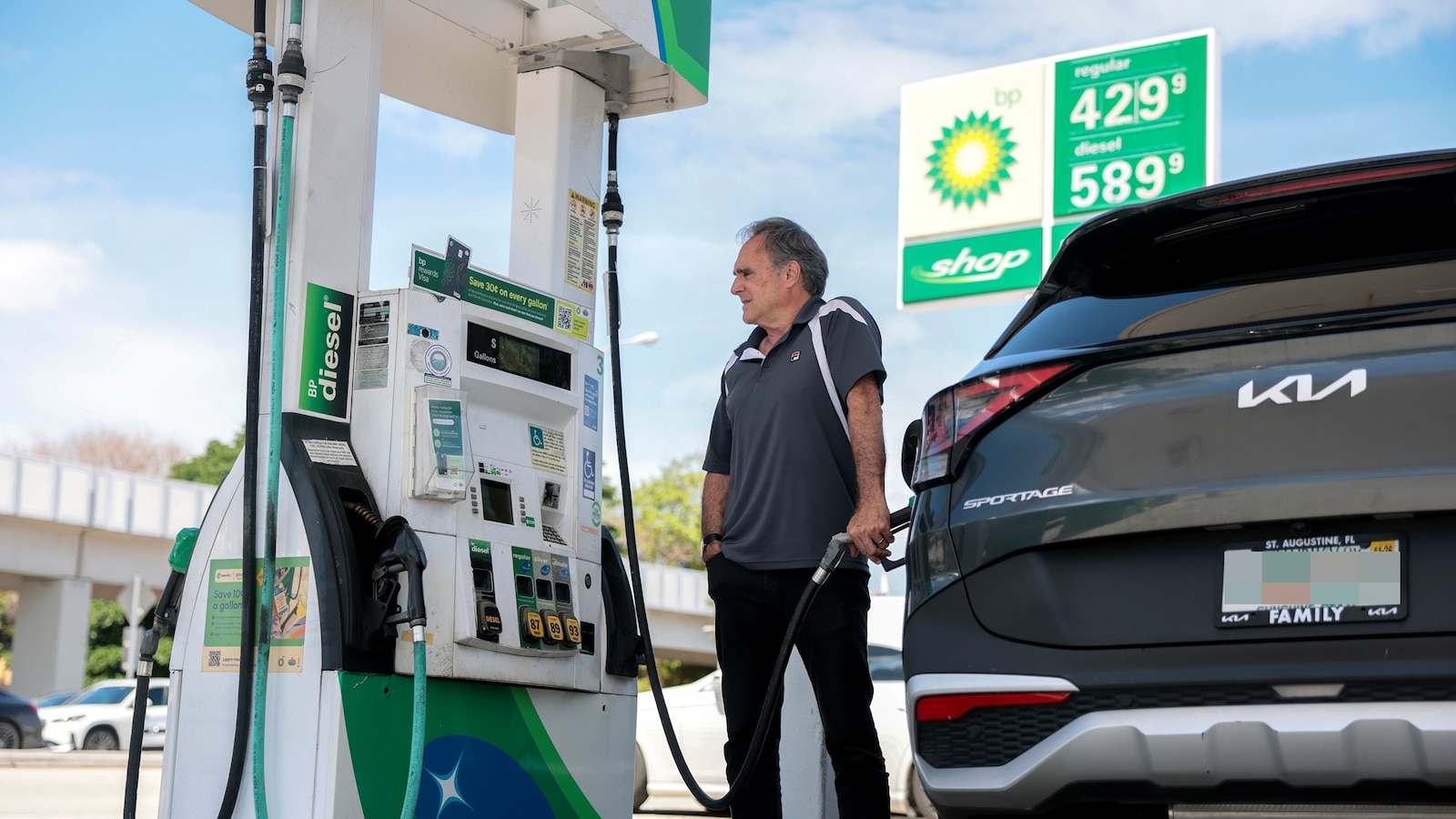
- Rising Energy Prices: The geopolitical conflict in the Middle East has led to soaring oil and gas prices, resulting in increased transportation costs that could dampen consumer spending and slow down the overall economy.
- Transportation Cost Pass-Through: Amazon's 3.5% transportation and logistics fee for third-party sellers is expected to drive up product prices, impacting consumer purchasing power and exacerbating inflationary pressures.
- Agricultural Cost Increases: Rising natural gas prices will elevate fertilizer costs, potentially leading farmers to buy less fertilizer, which could negatively affect crop yields and disrupt the food supply chain.
- Lagging Food Prices: Food prices typically rise more slowly than oil prices, suggesting a prolonged economic impact; if the Federal Reserve perceives that the Middle East conflict is affecting food prices, it may have to take action.
See More

Middle East Conflict Drives Higher Oil Prices Impacting Economy
- Rising Transportation Costs: The geopolitical conflict in the Middle East has led to increased oil prices, prompting companies like UPS and FedEx to raise fuel surcharges, which directly impacts consumers' shipping costs and will likely result in higher retail prices.
- Airline Fee Increases: Delta Airlines has announced a rise in checked baggage fees, following suit with other airlines, indicating a trend in the aviation sector to pass on higher fuel costs to consumers, who will feel the financial pinch directly.
- Food Price Inflation Risk: The surge in natural gas prices is disrupting the fertilizer market, putting pressure on food manufacturers like Conagra and General Mills, who are expected to raise product prices to maintain margins, exacerbating food inflation.
- Agricultural Production Constraints: A shortage of fertilizer could prevent farmers from acquiring necessary nutrients, potentially reducing crop yields and leading to prolonged food supply issues, which means consumers should prepare for sustained higher food prices.
See More

Middle East Conflict Drives Oil and Gas Prices, Impacting Food Costs
- Rising Transportation Costs: With oil prices surging, UPS and FedEx have announced increased fuel surcharges, and XPO is following suit, which will directly impact consumer shipping costs and lead to higher overall economic expenses.
- Food Price Pressure: The rise in natural gas prices affecting fertilizer production means food manufacturers like Conagra and General Mills are facing increased costs, which they are likely to pass on to consumers through higher product prices, exacerbating food inflation.
- Agricultural Production Risks: A tight fertilizer market may prevent farmers from obtaining necessary nutrients, affecting crop yields and potentially leading to food supply shortages in the future, thereby increasing the economic burden on consumers.
- Inflation Expectations: As transportation and agricultural costs rise, consumers will see significant increases in grocery bills, with food price hikes already evident in the market, prompting consumers to prepare for future price increases.
See More
Analysis of Declining Stocks: Nike, Kimberly-Clark, and Conagra Brands
- Nike's Price Plunge: Nike's stock has fallen nearly 70% over the past five years, currently trading at $43.49 with a market cap of $63 billion, facing significant headwinds from foreign competition, the rise of fast fashion, and inflation; despite efforts by the new CEO to focus on in-store sales, results have been disappointing, leaving future growth uncertain.
- Kimberly-Clark's Acquisition Concerns: Kimberly-Clark's shares have dropped over 30% in five years, now priced at $96.05 with a market cap of $31 billion; the announcement of a nearly $49 billion acquisition of Kenvue has rattled investors, as it could enhance its position in global health and wellness but also increases risk significantly.
- Conagra Brands' Major Challenges: Conagra's stock has declined nearly 60% in five years, currently at $15.56 with a market cap of $7.4 billion, struggling with growth due to factors like GLP-1 drugs reducing consumer appetites, rising food costs, and high oil prices, leading to a 1.9% drop in Q3 sales, casting a shadow over future prospects.
- Sustainability of High Dividend: Conagra offers a high dividend yield of 9.04%, but concerns about its sustainability arise due to low margins; while its forward P/E ratio is under nine, indicating attractive valuation, the lack of growth potential makes it a risky investment choice.
See More
Nike, Kimberly-Clark, and Conagra Stocks Plummet Over 30%
- Nike's Stock Plunge: Nike's share price has fallen nearly 70% over the past five years, reaching its lowest point since 2014, primarily due to rising international competition, the popularity of fast fashion, and inflation, which have created significant growth challenges for the company.
- Kimberly-Clark's Acquisition Concerns: Kimberly-Clark's stock has dropped over 30% in five years, with its announcement of a nearly $49 billion acquisition of Kenvue rattling investors; while this deal could enhance its position in the global health and wellness sector, it also increases the risk associated with what was previously considered a stable investment.
- Conagra Brands' Struggles: Conagra's shares have declined nearly 60% over five years, hitting levels not seen since 2009, largely due to the impact of GLP-1 drugs on consumer appetites, rising food costs, and elevated oil prices, all contributing to the company's inability to generate growth.
- Dividend Sustainability in Question: Despite Conagra's high dividend yield of around 9%, concerns about the sustainability of this payout are growing due to light margins, leading investors to speculate that a dividend cut may be inevitable, which could further undermine investor confidence.
See More
Middle East Conflict's Impact on Food Prices
- Fed's Tightrope Walk: The Federal Reserve's decision to keep interest rates steady amidst rising oil and gas prices due to the Middle East conflict reflects a cautious approach to volatile energy costs, which could lead to a sharp reversal and make inflationary pressures temporary.
- Rising Transportation Costs: Transportation companies are adding fuel surcharges, with Amazon charging third-party sellers a 3.5% fee, which will likely force sellers to raise prices, ultimately impacting consumers and illustrating the first-order effects of higher energy prices.
- Agricultural Cost Pressures: Rising natural gas prices will increase fertilizer costs, affecting food companies like Conagra, which has already seen its adjusted operating margin drop by 210 basis points year-over-year in Q3 2026, compelling it to act swiftly to protect margins.
- Lagging Food Price Impact: The delayed effect of rising food prices could dampen the economy further, and if the Fed believes the geopolitical conflict's impact is spreading to food, it may have no choice but to act to mitigate potential inflation risks.
See More
Impact of Middle East Conflict on Energy Markets
- Rising Energy Prices: The geopolitical conflict in the Middle East has led to soaring oil and gas prices, resulting in increased transportation costs that could dampen consumer spending and slow down the overall economy.
- Transportation Cost Pass-Through: Amazon's 3.5% transportation and logistics fee for third-party sellers is expected to drive up product prices, impacting consumer purchasing power and exacerbating inflationary pressures.
- Agricultural Cost Increases: Rising natural gas prices will elevate fertilizer costs, potentially leading farmers to buy less fertilizer, which could negatively affect crop yields and disrupt the food supply chain.
- Lagging Food Prices: Food prices typically rise more slowly than oil prices, suggesting a prolonged economic impact; if the Federal Reserve perceives that the Middle East conflict is affecting food prices, it may have to take action.
See More
Middle East Conflict Drives Higher Oil Prices Impacting Economy
- Rising Transportation Costs: The geopolitical conflict in the Middle East has led to increased oil prices, prompting companies like UPS and FedEx to raise fuel surcharges, which directly impacts consumers' shipping costs and will likely result in higher retail prices.
- Airline Fee Increases: Delta Airlines has announced a rise in checked baggage fees, following suit with other airlines, indicating a trend in the aviation sector to pass on higher fuel costs to consumers, who will feel the financial pinch directly.
- Food Price Inflation Risk: The surge in natural gas prices is disrupting the fertilizer market, putting pressure on food manufacturers like Conagra and General Mills, who are expected to raise product prices to maintain margins, exacerbating food inflation.
- Agricultural Production Constraints: A shortage of fertilizer could prevent farmers from acquiring necessary nutrients, potentially reducing crop yields and leading to prolonged food supply issues, which means consumers should prepare for sustained higher food prices.
See More
Middle East Conflict Drives Oil and Gas Prices, Impacting Food Costs
- Rising Transportation Costs: With oil prices surging, UPS and FedEx have announced increased fuel surcharges, and XPO is following suit, which will directly impact consumer shipping costs and lead to higher overall economic expenses.
- Food Price Pressure: The rise in natural gas prices affecting fertilizer production means food manufacturers like Conagra and General Mills are facing increased costs, which they are likely to pass on to consumers through higher product prices, exacerbating food inflation.
- Agricultural Production Risks: A tight fertilizer market may prevent farmers from obtaining necessary nutrients, affecting crop yields and potentially leading to food supply shortages in the future, thereby increasing the economic burden on consumers.
- Inflation Expectations: As transportation and agricultural costs rise, consumers will see significant increases in grocery bills, with food price hikes already evident in the market, prompting consumers to prepare for future price increases.
See More