Citi Appoints New Head to Strengthen German and Austrian Markets
Written by Emily J. Thompson, Senior Investment Analyst
Updated: 1 day ago
0mins
Should l Buy C?
Source: Newsfilter
- Executive Appointment: Citigroup has appointed Henning Wagner as Head of Private Company Coverage for Germany and Austria, set to join in the third quarter, aiming to enhance market competitiveness through his extensive industry experience.
- Market Potential: The internal memo highlights significant potential in the German and Austrian markets, particularly in covering large privately held companies and their owners, indicating a strategic shift towards high-net-worth clients.
- Deepening Client Relationships: This appointment reflects Citi's ongoing commitment to deepening client coverage and increasing market share, underscoring its focus on enhancing client relationships.
- Industry Background: Wagner's background at Deutsche Bank is expected to bring new perspectives and resources to Citi, further driving its expansion and business growth in the European market.
Trade with 70% Backtested Accuracy
Stop guessing "Should I Buy C?" and start using high-conviction signals backed by rigorous historical data.
Sign up today to access powerful investing tools and make smarter, data-driven decisions.
Analyst Views on C
Wall Street analysts forecast C stock price to rise
18 Analyst Rating
15 Buy
3 Hold
0 Sell
Strong Buy
Current: 129.340

Low
87.00
Averages
131.00
High
150.00
Current: 129.340
Low
87.00
Averages
131.00
High
150.00
About C
Citigroup Inc. is a global diversified financial services holding company. The Company’s segments include Services, Markets, Banking, Wealth and U.S. Personal Banking (USPB). The Services segment includes Treasury and Trade Solutions (TTS) and securities services. TTS provides an integrated suite of tailored cash management, trade and working capital solutions to multinational corporations, financial institutions and public sector organizations. The Markets segment provides corporate, institutional and public sector clients around the world with a full range of sales and trading services across equities, foreign exchange, rates, spread products and commodities. The Banking segment includes investment banking, which supports client capital-raising needs to help strengthen and grow their businesses. The Wealth segment includes Private Bank, Wealth at Work and Citigold and provides financial services to a range of client segments. USPB segment includes branded cards and retail services.
About the author

Emily J. Thompson
Emily J. Thompson, a Chartered Financial Analyst (CFA) with 12 years in investment research, graduated with honors from the Wharton School. Specializing in industrial and technology stocks, she provides in-depth analysis for Intellectia’s earnings and market brief reports.

Citi Appointed as Depositary Bank for Rightmove's ADR Program
- Depositary Bank Appointment: Citi Issuer Services, through Citibank N.A., has been appointed by Rightmove Plc as the Depositary Bank for its sponsored Level 1 American Depositary Receipt (ADR) program, indicating Rightmove's expansion into global capital markets.
- ADR Trading Details: Rightmove's ADRs trade on the over-the-counter (OTC) market under the symbol 'RTMVY', with each ADR representing two ordinary shares, providing investors with a more accessible investment channel and enhancing Rightmove's market liquidity.
- Service Commitment: Dirk Jones, Head of Issuer Services at Citi, stated that Citi is committed to delivering high-quality services to Rightmove through its industry-leading ADR solutions, leveraging deep capital markets expertise and a vast global network to facilitate Rightmove's seamless access to global capital markets.
- Global Network Advantage: Citi provides depositary receipt services in over 65 markets, spanning equity and fixed-income products, utilizing its global network to offer cross-border capital market access to issuers, intermediaries, and investors, further solidifying its leadership position in the financial services sector.
See More

Citi Analysts Optimistic on Global Economic Resilience Amid Middle East Tensions


- Economic Resilience Analysis: Citi analysts believe that despite tensions in the Middle East, the global economy remains resilient, as the momentum from households and firms may prevent a deep recession, reflecting a diverse and robust economic structure.
- Energy Price Risks: While the long-term outlook is optimistic, analysts caution that spikes in crude oil prices due to conflict remain a primary risk to the inflation outlook, potentially dampening consumer spending and complicating central banks' policy balance.
- Supply Chain Adjustment Channels: Citi notes that if the Strait of Hormuz remains closed, the global economy will face significant challenges; however, the emergence of new supply sources, a shift towards alternative fuels, and support from macroeconomic policies will help buffer the impact.
- Historical Experience Reference: The report highlights that the world successfully navigated the period from 2011 to 2014 when Brent crude averaged $110 a barrel, indicating that the shock required to push the economy into recession is larger than in the past.
See More
Banking Sector Shows Resilience Amid Geopolitical Turmoil
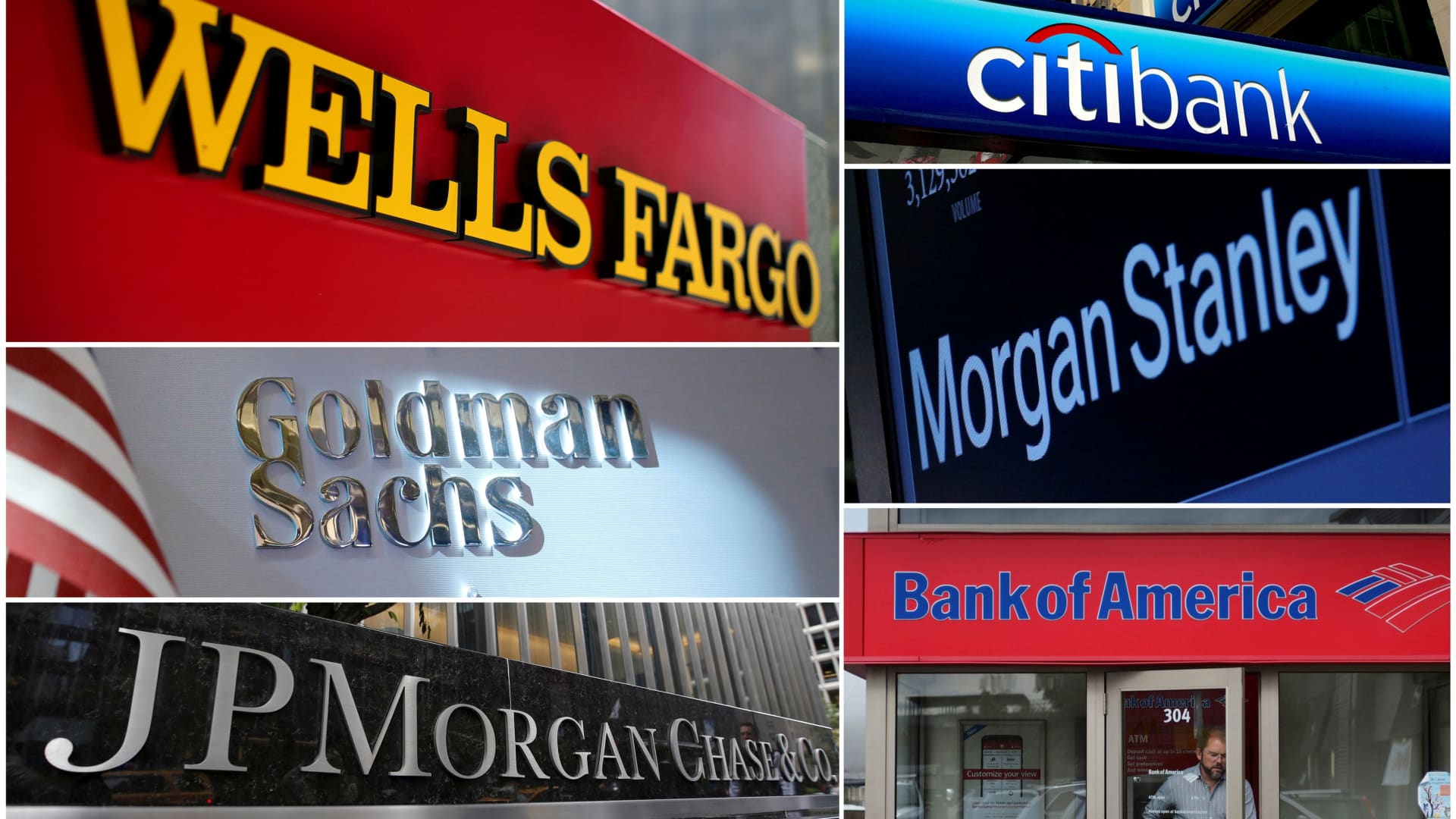
- Investment Banking Surge: Goldman Sachs reported a 48% year-over-year increase in investment banking revenue to $2.48 billion, with CEO David Solomon noting a robust investment banking environment, which significantly contributes to advisory fees and capital market revenues, showcasing the firm's strength in M&A and IPOs.
- Credit Card Growth: Despite a slight overall revenue miss, Wells Fargo's new credit card account openings surged nearly 60% year-over-year, with the consumer banking and lending division seeing a 6.6% revenue increase in Q1, indicating strong consumer spending resilience even amid rising oil prices, enhancing the bank's profitability.
- Trading Desk Performance: The volatility from the Iran-U.S. conflict led to a 27% year-over-year increase in Goldman’s equities revenue, reaching a record $5.33 billion, as clients actively repositioned portfolios, reflecting the firm's execution capabilities and risk management in a dynamic environment.
- Market Adaptability: While geopolitical uncertainty affected some deals, Morgan Stanley and Bank of America saw trading revenues rise by 29% and 30% respectively, demonstrating that banks can still capitalize on market fluctuations, highlighting their ability to adapt to changing market conditions.
See More
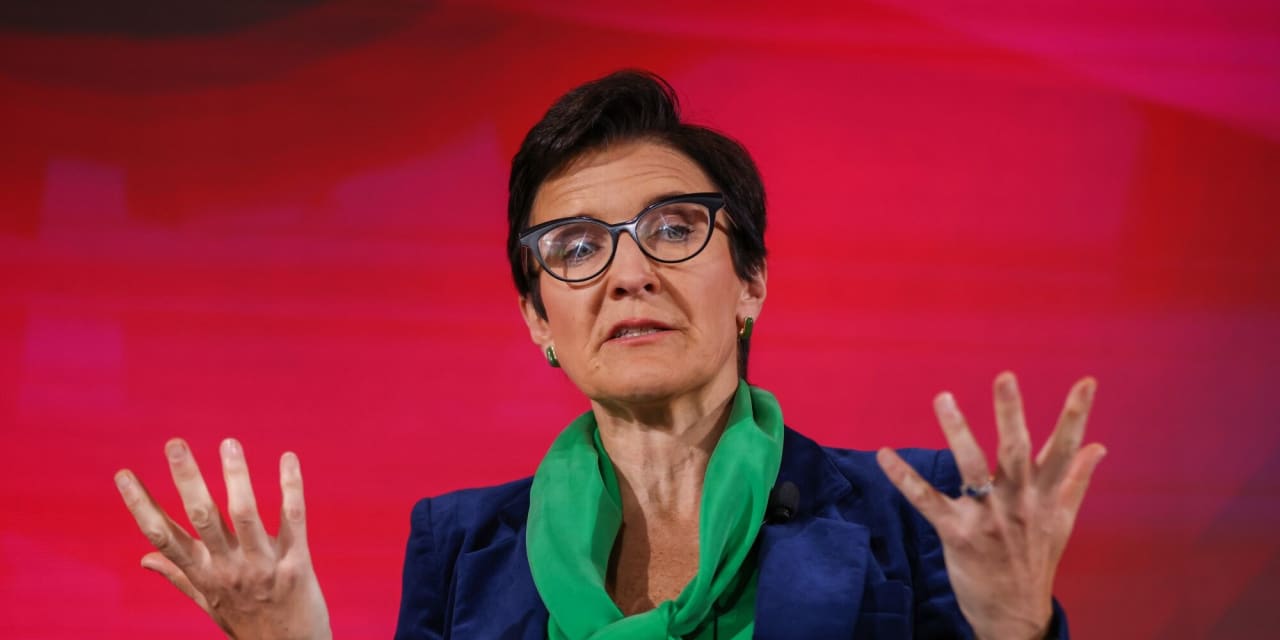
Citi Appoints New Head to Strengthen German and Austrian Markets
- Executive Appointment: Citigroup has appointed Henning Wagner as Head of Private Company Coverage for Germany and Austria, set to join in the third quarter, aiming to enhance market competitiveness through his extensive industry experience.
- Market Potential: The internal memo highlights significant potential in the German and Austrian markets, particularly in covering large privately held companies and their owners, indicating a strategic shift towards high-net-worth clients.
- Deepening Client Relationships: This appointment reflects Citi's ongoing commitment to deepening client coverage and increasing market share, underscoring its focus on enhancing client relationships.
- Industry Background: Wagner's background at Deutsche Bank is expected to bring new perspectives and resources to Citi, further driving its expansion and business growth in the European market.
See More

U.S. Intensifies Energy Sales Efforts to India Amid Supply Disruptions
- Energy Security Talks: The U.S. Ambassador to India met with the Indian Minister of Petroleum to discuss energy security and new growth opportunities, indicating a desire to expand energy supplies to India, although specific details were not disclosed.
- Supply Crisis Intensifies: With Middle Eastern conflicts disrupting supplies, India faces a tight LPG and natural gas situation, with daily demand at approximately 80,000 tons but local supply only at 50,000 tons, prompting the government to secure 800,000 tons of import cargoes to bridge the gap.
- Market Dynamics Shift: The U.S. aims to export LPG to India to address excess stockpiles, yet India's price sensitivity regarding LNG may lead it to switch to coal as an alternative energy source, impacting U.S. export potential.
- Long-term Cooperation Outlook: India intends to import over $500 billion worth of energy and other products from the U.S. in the coming years, although experts warn that sustained high energy prices could exacerbate India's current account deficit risks.
See More
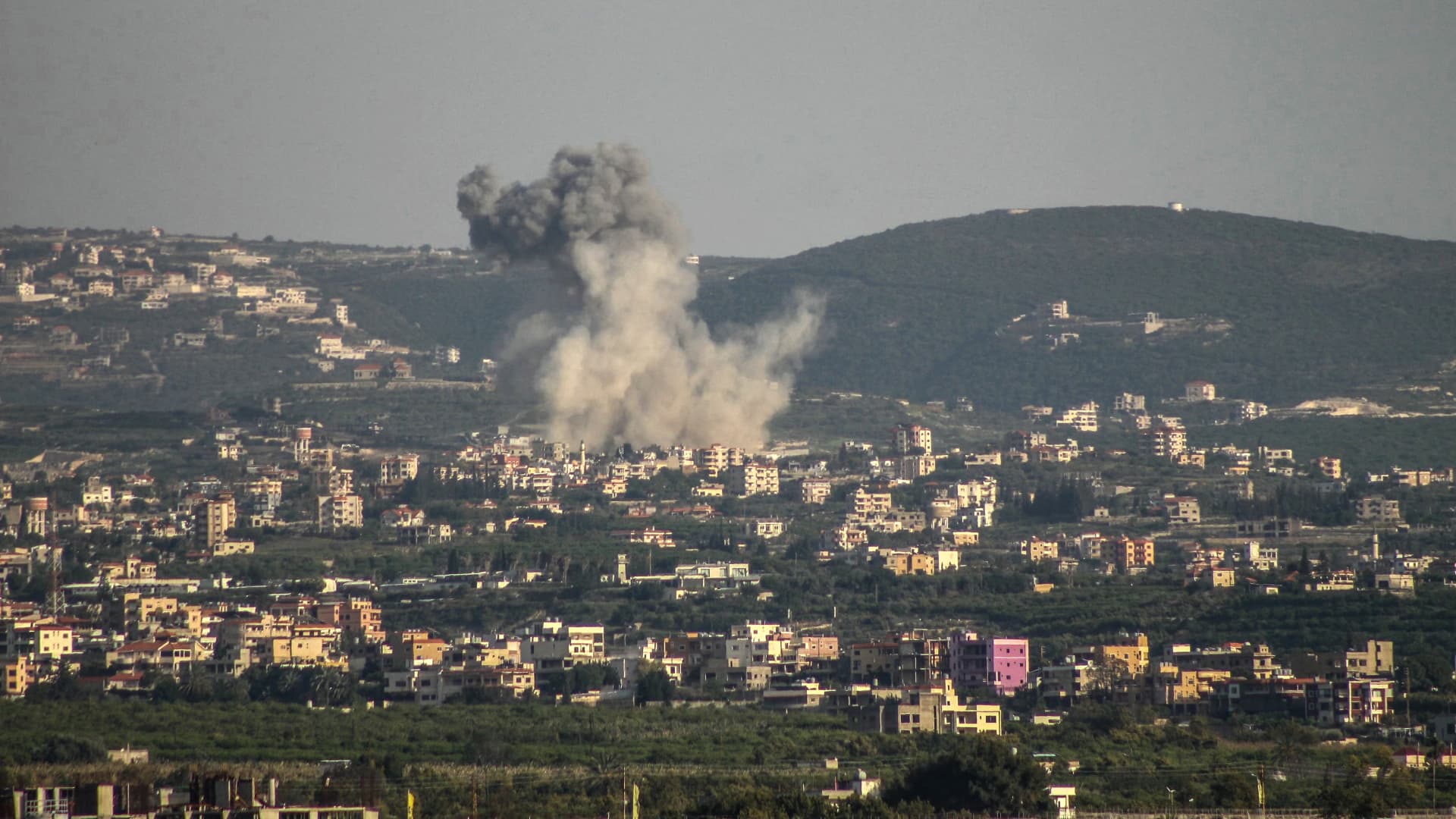
Israel and Lebanon Reach Historic Ceasefire Agreement

- Historic Ceasefire Agreement: Israel and Lebanon have reached a 10-day ceasefire agreement in Washington, marking the first meaningful talks between the two nations since 1983, potentially paving the way for a broader peace agreement in the Middle East.
- Positive Market Reaction: Israel's central bank governor noted that markets are responding positively to the latest peace developments, with major markets holding near record highs, reflecting investor optimism for stability in the region despite ongoing geopolitical uncertainties.
- U.S. Diplomatic Efforts: President Trump plans to invite Israeli Prime Minister Netanyahu and Lebanese President Aoun for talks, further advancing the improvement of relations between the two countries and highlighting the U.S.'s active role in the Middle East peace process.
- Impact of Iranian Situation: Trump mentioned that the war in Iran is progressing well and is expected to end soon, a statement that could influence regional security dynamics and market reactions, prompting investors to monitor future military and diplomatic developments.
See More
Citi Appointed as Depositary Bank for Rightmove's ADR Program
- Depositary Bank Appointment: Citi Issuer Services, through Citibank N.A., has been appointed by Rightmove Plc as the Depositary Bank for its sponsored Level 1 American Depositary Receipt (ADR) program, indicating Rightmove's expansion into global capital markets.
- ADR Trading Details: Rightmove's ADRs trade on the over-the-counter (OTC) market under the symbol 'RTMVY', with each ADR representing two ordinary shares, providing investors with a more accessible investment channel and enhancing Rightmove's market liquidity.
- Service Commitment: Dirk Jones, Head of Issuer Services at Citi, stated that Citi is committed to delivering high-quality services to Rightmove through its industry-leading ADR solutions, leveraging deep capital markets expertise and a vast global network to facilitate Rightmove's seamless access to global capital markets.
- Global Network Advantage: Citi provides depositary receipt services in over 65 markets, spanning equity and fixed-income products, utilizing its global network to offer cross-border capital market access to issuers, intermediaries, and investors, further solidifying its leadership position in the financial services sector.
See More
Citi Analysts Optimistic on Global Economic Resilience Amid Middle East Tensions
- Economic Resilience Analysis: Citi analysts believe that despite tensions in the Middle East, the global economy remains resilient, as the momentum from households and firms may prevent a deep recession, reflecting a diverse and robust economic structure.
- Energy Price Risks: While the long-term outlook is optimistic, analysts caution that spikes in crude oil prices due to conflict remain a primary risk to the inflation outlook, potentially dampening consumer spending and complicating central banks' policy balance.
- Supply Chain Adjustment Channels: Citi notes that if the Strait of Hormuz remains closed, the global economy will face significant challenges; however, the emergence of new supply sources, a shift towards alternative fuels, and support from macroeconomic policies will help buffer the impact.
- Historical Experience Reference: The report highlights that the world successfully navigated the period from 2011 to 2014 when Brent crude averaged $110 a barrel, indicating that the shock required to push the economy into recession is larger than in the past.
See More
Banking Sector Shows Resilience Amid Geopolitical Turmoil
- Investment Banking Surge: Goldman Sachs reported a 48% year-over-year increase in investment banking revenue to $2.48 billion, with CEO David Solomon noting a robust investment banking environment, which significantly contributes to advisory fees and capital market revenues, showcasing the firm's strength in M&A and IPOs.
- Credit Card Growth: Despite a slight overall revenue miss, Wells Fargo's new credit card account openings surged nearly 60% year-over-year, with the consumer banking and lending division seeing a 6.6% revenue increase in Q1, indicating strong consumer spending resilience even amid rising oil prices, enhancing the bank's profitability.
- Trading Desk Performance: The volatility from the Iran-U.S. conflict led to a 27% year-over-year increase in Goldman’s equities revenue, reaching a record $5.33 billion, as clients actively repositioned portfolios, reflecting the firm's execution capabilities and risk management in a dynamic environment.
- Market Adaptability: While geopolitical uncertainty affected some deals, Morgan Stanley and Bank of America saw trading revenues rise by 29% and 30% respectively, demonstrating that banks can still capitalize on market fluctuations, highlighting their ability to adapt to changing market conditions.
See More
Citi Appoints New Head to Strengthen German and Austrian Markets
- Executive Appointment: Citigroup has appointed Henning Wagner as Head of Private Company Coverage for Germany and Austria, set to join in the third quarter, aiming to enhance market competitiveness through his extensive industry experience.
- Market Potential: The internal memo highlights significant potential in the German and Austrian markets, particularly in covering large privately held companies and their owners, indicating a strategic shift towards high-net-worth clients.
- Deepening Client Relationships: This appointment reflects Citi's ongoing commitment to deepening client coverage and increasing market share, underscoring its focus on enhancing client relationships.
- Industry Background: Wagner's background at Deutsche Bank is expected to bring new perspectives and resources to Citi, further driving its expansion and business growth in the European market.
See More
U.S. Intensifies Energy Sales Efforts to India Amid Supply Disruptions
- Energy Security Talks: The U.S. Ambassador to India met with the Indian Minister of Petroleum to discuss energy security and new growth opportunities, indicating a desire to expand energy supplies to India, although specific details were not disclosed.
- Supply Crisis Intensifies: With Middle Eastern conflicts disrupting supplies, India faces a tight LPG and natural gas situation, with daily demand at approximately 80,000 tons but local supply only at 50,000 tons, prompting the government to secure 800,000 tons of import cargoes to bridge the gap.
- Market Dynamics Shift: The U.S. aims to export LPG to India to address excess stockpiles, yet India's price sensitivity regarding LNG may lead it to switch to coal as an alternative energy source, impacting U.S. export potential.
- Long-term Cooperation Outlook: India intends to import over $500 billion worth of energy and other products from the U.S. in the coming years, although experts warn that sustained high energy prices could exacerbate India's current account deficit risks.
See More
Israel and Lebanon Reach Historic Ceasefire Agreement
- Historic Ceasefire Agreement: Israel and Lebanon have reached a 10-day ceasefire agreement in Washington, marking the first meaningful talks between the two nations since 1983, potentially paving the way for a broader peace agreement in the Middle East.
- Positive Market Reaction: Israel's central bank governor noted that markets are responding positively to the latest peace developments, with major markets holding near record highs, reflecting investor optimism for stability in the region despite ongoing geopolitical uncertainties.
- U.S. Diplomatic Efforts: President Trump plans to invite Israeli Prime Minister Netanyahu and Lebanese President Aoun for talks, further advancing the improvement of relations between the two countries and highlighting the U.S.'s active role in the Middle East peace process.
- Impact of Iranian Situation: Trump mentioned that the war in Iran is progressing well and is expected to end soon, a statement that could influence regional security dynamics and market reactions, prompting investors to monitor future military and diplomatic developments.
See More