Carvana Soars Following Its First 5-for-1 Stock Split.
Written by Emily J. Thompson, Senior Investment Analyst
Updated: Mar 13 2026
0mins

Should l Buy AN?
Source: Barron's
- Stock Split Approval: Carvana's board has approved a 5-for-1 stock split.
- Accessibility for Investors: The split aims to make shares more affordable for individual investors and employees.
Trade with 70% Backtested Accuracy
Stop guessing "Should I Buy AN?" and start using high-conviction signals backed by rigorous historical data.
Sign up today to access powerful investing tools and make smarter, data-driven decisions.
Analyst Views on AN
Wall Street analysts forecast AN stock price to rise
5 Analyst Rating
4 Buy
1 Hold
0 Sell
Strong Buy
Current: 193.510

Low
230.00
Averages
248.60
High
300.00
Current: 193.510
Low
230.00
Averages
248.60
High
300.00
About AN
AutoNation, Inc., through its subsidiaries, is an automotive retailer in the United States. Its segments include Domestic, Import, Premium Luxury, and AutoNation Finance. The Domestic segment is comprised of retail automotive franchises that sell new vehicles manufactured by Ford, General Motors, and Stellantis. The Import segment is primarily comprised of retail automotive franchises that sell new vehicles manufactured by Toyota, Honda, Hyundai, and Subaru. The Premium Luxury segment is primarily comprised of retail automotive franchises that sell new vehicles manufactured by Mercedes-Benz, BMW, Lexus, Audi, and Jaguar Land Rover. The franchises in each of its Domestic, Import, and Premium Luxury segments also sell used vehicles, parts and automotive services, and automotive finance and insurance products. The AutoNation Finance segment is comprised of its captive auto finance company, which provides indirect financing to qualified retail customers on vehicles it sells.
About the author

Emily J. Thompson
Emily J. Thompson, a Chartered Financial Analyst (CFA) with 12 years in investment research, graduated with honors from the Wharton School. Specializing in industrial and technology stocks, she provides in-depth analysis for Intellectia’s earnings and market brief reports.
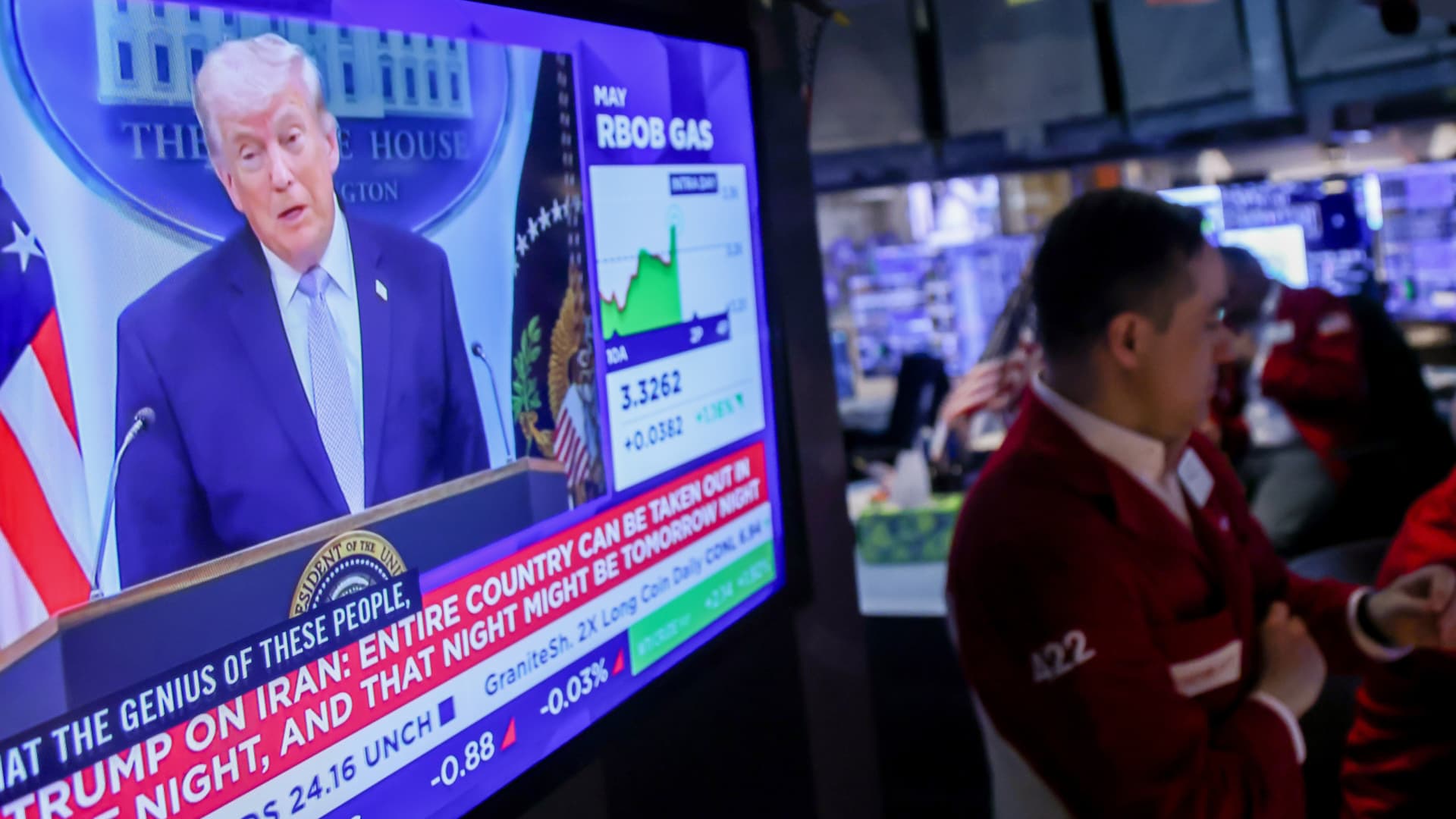
Trump Announces Two-Week Ceasefire with Iran, Boosting Market Futures


- Market Reaction Positive: Following Trump's announcement of a two-week ceasefire with Iran, stock futures surged, with S&P 500 futures up over 1,300 points, indicating strong market optimism regarding reduced geopolitical risks.
- Oil Prices Plummet: Brent crude futures fell more than 13% and U.S. West Texas Intermediate futures dropped over 16% after the ceasefire news, alleviating fuel cost pressures for airlines and transportation sectors.
- Delta Airlines Adjusts Capacity: Delta Airlines scaled back its capacity growth plans due to soaring fuel costs, yet reported first-quarter earnings that exceeded Wall Street expectations, resulting in a stock price increase of over 12%, reflecting market confidence in its strategic response.
- Strong Demand in Used Car Market: Despite rising gas prices, Cox Automotive reported a 6.2% year-over-year increase in used vehicle prices in March, with inventory dropping below 40 days, indicating robust consumer demand and market resilience.
See More

Used Vehicle Demand Remains Strong Amid Price Increases


- Price Increase Trend: Cox Automotive's Manheim Used Vehicle Value Index indicates a 6.2% year-over-year increase in used vehicle prices, reaching the highest level since summer 2023, reflecting strong market demand and tight supply conditions.
- Tight Inventory: As of March, the days' supply of used vehicles fell below 40 days, marking the lowest point since 2026, indicating increased inventory pressure faced by dealers and consumers that may impact future sales strategies.
- Sales Forecast Adjustment: Cox raised its 2023 used vehicle sales forecast from 20.3 million to 20.4 million, although a slight decline in sales is expected in the second half of the year, reflecting the ongoing demand for used vehicles amid complex market dynamics.
- Shifting Consumer Preferences: With high new vehicle prices, more U.S. consumers are opting for used vehicles, and Cox anticipates the new vehicle market will reach approximately 15.8 million units this year, further driving growth in the used vehicle market.
See More

Carvana's Stock Surged 100% Last Year, But This Analyst Has Changed Their Outlook.
- Bank of America Downgrade: Bank of America downgraded Carvana on Monday.
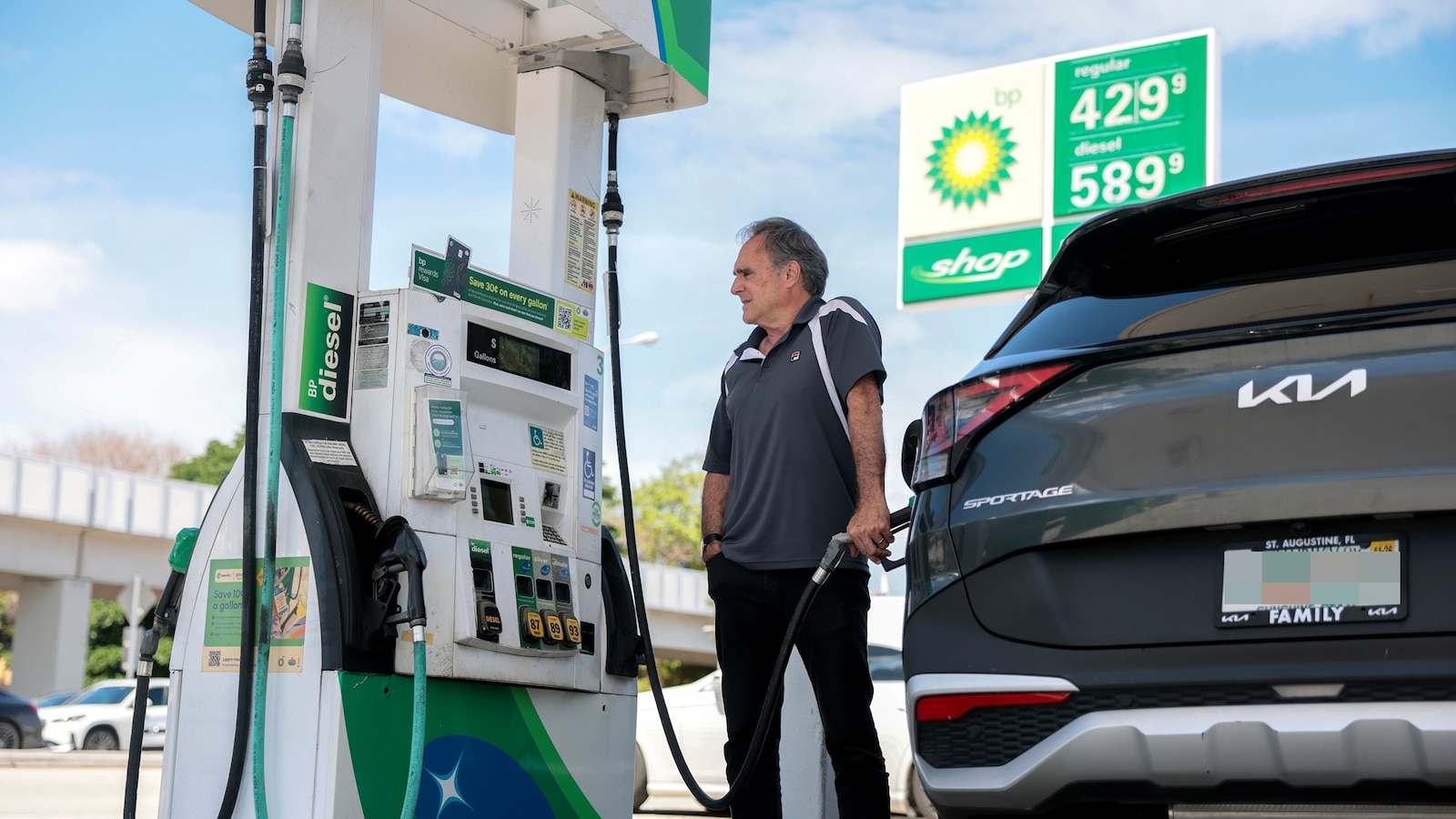
- Impact of Oil Prices: The downgrade was influenced by a recent spike in oil prices.
- Consumer Concerns: The increase in oil prices is expected to affect lower- and middle-income consumers.
- Market Implications: This downgrade may reflect broader concerns about consumer spending and economic conditions.
See More

Rising Negative Equity Among New Car Buyers

- Rising Negative Equity: According to J.D. Power, 30.5% of new car buyers are facing negative equity on trade-ins, up 4.2 percentage points from last year, indicating increasing market pressures that affect consumer purchasing decisions.
- Record High Debt Levels: As of Q4 2025, the average amount owed on underwater trade-ins reached $7,214, a record high, with 27% of these trade-ins carrying over $10,000 in negative equity, reflecting a deterioration in consumer financial health.
- Increased Payment Burden: The average monthly payment for buyers rolling negative equity into new loans hit $916, which is $144 higher than the average payment for all new car purchases, indicating greater financial strain on consumers when buying vehicles.
- Extended Loan Terms Trend: Among new car purchases involving negative equity, 40.7% are financed with 84-month loans, suggesting that consumers are extending loan terms to cope with high vehicle prices, thereby increasing future negative equity risks.
See More

Three Companies Worth Holding Forever


- Carvana's Market Potential: Carvana has emerged from restructuring and improved profitability over the past three years, leveraging the fragmentation of over 43,000 used car dealerships in the U.S. to position itself as a more efficient competitor poised to thrive during upcoming industry consolidation, driving market share growth.
- Ferrari's Unique Advantages: Despite a 34% drop in stock price over the past six months, Ferrari's stock has nearly tripled the S&P 500 returns over the past decade, showcasing strong pricing power and resilience due to its exclusivity and loyal customer base, ensuring long-term investment returns.
- Nvidia's AI Dominance: Nvidia is set to achieve significant growth through 2030, driven by its dominance in the GPU market for global AI data centers, particularly as demand surges for autonomous and software-defined vehicles, establishing itself as a backbone of AI infrastructure expansion.
- Challenges of Long-Term Investing: While the strategy of buying and holding stocks seems straightforward, the rapid turnover of top businesses necessitates careful selection; however, with their unique competitive advantages, Ferrari, Nvidia, and Carvana demonstrate potential for long-term holding, warranting investor attention.
See More

Investment Opportunities in the Consolidating Auto Industry
- Carvana's Market Potential: After overcoming potential restructuring or bankruptcy scares, Carvana has transformed into a more efficient, vertically integrated, and profitable company, positioning itself favorably in the upcoming consolidation of the used car industry, where over 43,000 dealerships in the U.S. have a mere 2.3% market share.
- Ferrari's Competitive Edge: Despite a roughly 34% drop in Ferrari's stock over the past six months, it has nearly tripled the returns of the S&P 500 over the last decade, showcasing its strong competitive position and brand value in the luxury automotive market, with a unique sales strategy that excels during economic cycles.
- Nvidia's AI Dominance: Nvidia has become the backbone of AI infrastructure expansion by providing GPUs for global AI data centers, with substantial growth in demand expected through 2030, further solidifying its market position and profitability.
- Challenges of Long-Term Investment: While the strategy of holding quality stocks seems straightforward, the rapid market changes necessitate careful selection, with companies like Carvana, Ferrari, and Nvidia potentially thriving in the long run due to their unique competitive advantages.
See More
Trump Announces Two-Week Ceasefire with Iran, Boosting Market Futures
- Market Reaction Positive: Following Trump's announcement of a two-week ceasefire with Iran, stock futures surged, with S&P 500 futures up over 1,300 points, indicating strong market optimism regarding reduced geopolitical risks.
- Oil Prices Plummet: Brent crude futures fell more than 13% and U.S. West Texas Intermediate futures dropped over 16% after the ceasefire news, alleviating fuel cost pressures for airlines and transportation sectors.
- Delta Airlines Adjusts Capacity: Delta Airlines scaled back its capacity growth plans due to soaring fuel costs, yet reported first-quarter earnings that exceeded Wall Street expectations, resulting in a stock price increase of over 12%, reflecting market confidence in its strategic response.
- Strong Demand in Used Car Market: Despite rising gas prices, Cox Automotive reported a 6.2% year-over-year increase in used vehicle prices in March, with inventory dropping below 40 days, indicating robust consumer demand and market resilience.
See More
Used Vehicle Demand Remains Strong Amid Price Increases
- Price Increase Trend: Cox Automotive's Manheim Used Vehicle Value Index indicates a 6.2% year-over-year increase in used vehicle prices, reaching the highest level since summer 2023, reflecting strong market demand and tight supply conditions.
- Tight Inventory: As of March, the days' supply of used vehicles fell below 40 days, marking the lowest point since 2026, indicating increased inventory pressure faced by dealers and consumers that may impact future sales strategies.
- Sales Forecast Adjustment: Cox raised its 2023 used vehicle sales forecast from 20.3 million to 20.4 million, although a slight decline in sales is expected in the second half of the year, reflecting the ongoing demand for used vehicles amid complex market dynamics.
- Shifting Consumer Preferences: With high new vehicle prices, more U.S. consumers are opting for used vehicles, and Cox anticipates the new vehicle market will reach approximately 15.8 million units this year, further driving growth in the used vehicle market.
See More
Carvana's Stock Surged 100% Last Year, But This Analyst Has Changed Their Outlook.
- Bank of America Downgrade: Bank of America downgraded Carvana on Monday.
- Impact of Oil Prices: The downgrade was influenced by a recent spike in oil prices.
- Consumer Concerns: The increase in oil prices is expected to affect lower- and middle-income consumers.
- Market Implications: This downgrade may reflect broader concerns about consumer spending and economic conditions.
See More
Rising Negative Equity Among New Car Buyers
- Rising Negative Equity: According to J.D. Power, 30.5% of new car buyers are facing negative equity on trade-ins, up 4.2 percentage points from last year, indicating increasing market pressures that affect consumer purchasing decisions.
- Record High Debt Levels: As of Q4 2025, the average amount owed on underwater trade-ins reached $7,214, a record high, with 27% of these trade-ins carrying over $10,000 in negative equity, reflecting a deterioration in consumer financial health.
- Increased Payment Burden: The average monthly payment for buyers rolling negative equity into new loans hit $916, which is $144 higher than the average payment for all new car purchases, indicating greater financial strain on consumers when buying vehicles.
- Extended Loan Terms Trend: Among new car purchases involving negative equity, 40.7% are financed with 84-month loans, suggesting that consumers are extending loan terms to cope with high vehicle prices, thereby increasing future negative equity risks.
See More
Three Companies Worth Holding Forever
- Carvana's Market Potential: Carvana has emerged from restructuring and improved profitability over the past three years, leveraging the fragmentation of over 43,000 used car dealerships in the U.S. to position itself as a more efficient competitor poised to thrive during upcoming industry consolidation, driving market share growth.
- Ferrari's Unique Advantages: Despite a 34% drop in stock price over the past six months, Ferrari's stock has nearly tripled the S&P 500 returns over the past decade, showcasing strong pricing power and resilience due to its exclusivity and loyal customer base, ensuring long-term investment returns.
- Nvidia's AI Dominance: Nvidia is set to achieve significant growth through 2030, driven by its dominance in the GPU market for global AI data centers, particularly as demand surges for autonomous and software-defined vehicles, establishing itself as a backbone of AI infrastructure expansion.
- Challenges of Long-Term Investing: While the strategy of buying and holding stocks seems straightforward, the rapid turnover of top businesses necessitates careful selection; however, with their unique competitive advantages, Ferrari, Nvidia, and Carvana demonstrate potential for long-term holding, warranting investor attention.
See More
Investment Opportunities in the Consolidating Auto Industry
- Carvana's Market Potential: After overcoming potential restructuring or bankruptcy scares, Carvana has transformed into a more efficient, vertically integrated, and profitable company, positioning itself favorably in the upcoming consolidation of the used car industry, where over 43,000 dealerships in the U.S. have a mere 2.3% market share.
- Ferrari's Competitive Edge: Despite a roughly 34% drop in Ferrari's stock over the past six months, it has nearly tripled the returns of the S&P 500 over the last decade, showcasing its strong competitive position and brand value in the luxury automotive market, with a unique sales strategy that excels during economic cycles.
- Nvidia's AI Dominance: Nvidia has become the backbone of AI infrastructure expansion by providing GPUs for global AI data centers, with substantial growth in demand expected through 2030, further solidifying its market position and profitability.
- Challenges of Long-Term Investment: While the strategy of holding quality stocks seems straightforward, the rapid market changes necessitate careful selection, with companies like Carvana, Ferrari, and Nvidia potentially thriving in the long run due to their unique competitive advantages.
See More