Berkshire Hathaway Reports 61% of Total Fair Value of Equity Investments Concentrated in American Express, Apple, Bank of America, Chevron, and Coca-Cola as of March 31
Written by Emily J. Thompson, Senior Investment Analyst
Updated: 6 days ago
0mins


Should l Buy AAPL?
Source: moomoo
Investment Concentration: Berkshire Hathaway's equity investments are heavily concentrated, with 61% of their aggregate fair value in just a few companies.
Key Holdings: The major companies in which Berkshire Hathaway has invested include American Express, Apple, Bank of America, Chevron, and Coca-Cola as of March 31.
Trade with 70% Backtested Accuracy
Stop guessing "Should I Buy AAPL?" and start using high-conviction signals backed by rigorous historical data.
Sign up today to access powerful investing tools and make smarter, data-driven decisions.
Analyst Views on AAPL
Wall Street analysts forecast AAPL stock price to rise
27 Analyst Rating
17 Buy
9 Hold
1 Sell
Moderate Buy
Current: 287.440

Low
239.00
Averages
306.89
High
350.00
Current: 287.440
Low
239.00
Averages
306.89
High
350.00
About AAPL
Apple Inc. designs, manufactures and markets smartphones, personal computers, tablets, wearables and accessories, and sells a variety of related services. Its product categories include iPhone, Mac, iPad, Wearables, Home and Accessories. Its services include advertising, AppleCare, cloud services, digital content, and payment services. The Company operates various platforms, including the App Store, that allow customers to discover and download applications and digital content, such as books, music, video, games and podcasts. It also offers digital content through subscription-based services, including Apple Arcade, Apple Fitness+, Apple Music, Apple News+, and Apple TV+. Its wearables include smartwatches, wireless headphones, and spatial computers. Its products include iPhone 16 Pro, iPhone 16, iPhone 15, iPhone 14, iPhone SE, MacBook Air, MacBook Pro, iMac, Mac mini, Mac Studio, Mac Pro, iPad Pro, iPad Air, AirPods, AirPods Pro, AirPods Max, Apple TV, Apple Vision Pro and others.
About the author

Emily J. Thompson
Emily J. Thompson, a Chartered Financial Analyst (CFA) with 12 years in investment research, graduated with honors from the Wharton School. Specializing in industrial and technology stocks, she provides in-depth analysis for Intellectia’s earnings and market brief reports.

Apple Launches Low-Priced MacBook Neo, Boosting Sales Growth

- Sales Growth: Since its launch in March, Apple's MacBook Neo has driven a 6% year-over-year increase in Mac sales, indicating the product's success in attracting new customers and bolstering overall sales, thereby reinforcing Apple's position in the premium market.
- Education Market Potential: With a starting price of $499, the MacBook Neo could tap into the U.S. K-12 market, where selling to just half of the 54 million students could generate approximately $13.5 billion in new revenue, significantly enhancing Apple's influence in the education sector.
- Strong Customer Response: CEO Tim Cook noted that demand for the MacBook Neo has exceeded expectations, setting records for new customers, which suggests that the product effectively meets market demand for affordable laptops, further enhancing brand appeal.
- Robust Financial Performance: Apple's latest earnings report revealed quarterly revenue of $111.2 billion, a 17% year-over-year increase, with diluted earnings per share rising 22% year-over-year, indicating the company's success in launching new products and boosting investor confidence.
See More

Palo Alto Networks: A Fortress in Cybersecurity Amid Software Sell-off

- Platform Transformation: Palo Alto Networks is shifting from selling individual 'point products' to offering an integrated platform, creating high switching costs through free trials and service consolidation, thereby locking in multiyear, high-value contracts and enhancing its position as the security operating system for Fortune 500 companies.
- Strong Cash Flow: Unlike many growth-at-all-cost software firms, Palo Alto Networks operates as a free cash flow machine with a 28% margin, and its remaining performance obligations (RPO) exceed $12.6 billion, reflecting a 20% year-over-year increase that indicates the 'platform' pipeline is not only intact but accelerating.
- AI Empowerment: Palo Alto Networks successfully embraces and monetizes AI through its Precision AI offerings, enabling customers to automate 90% of security operations and reducing threat remediation time from days to minutes, thereby enhancing customer security efficiency and responsiveness.
- Market Discount Opportunity: With earnings scheduled for June 2, the market is currently offering a 'discount' on Palo Alto Networks, and investors must be prepared to own the stock if it closes below $190, showcasing its 'de-risked' nature in the current market environment.
See More

Trade Desk Faces Publicis Challenge Amid Earnings Miss


- Publicis Controversy Impact: Trade Desk's Q1 2026 earnings miss led to a 13.11% drop in pre-market trading, primarily due to Publicis's concerns over pricing and transparency, which could result in client losses and significantly impact Q2 and Q3 revenues.
- Margin Pressure: The company targets a full-year adjusted EBITDA margin of 40%, yet reported only 30% in Q1, necessitating substantial revenue growth or aggressive cost control in the second half, with management failing to provide a clear strategy, thus increasing market uncertainty.
- Long-Term Outlook Remains Positive: Despite short-term challenges, Trade Desk's long-term strategies, including open internet principles, retail media, and AI search, remain attractive, with Jeff Green's $150 million stock purchase reflecting confidence in the company's future.
- Cautious Market Reaction: Although Publicis's audit found no issues, the market's response to Trade Desk remains cautious, with heightened investor concerns about future profitability and market share, indicating a strong focus on the company's near-term performance.
See More
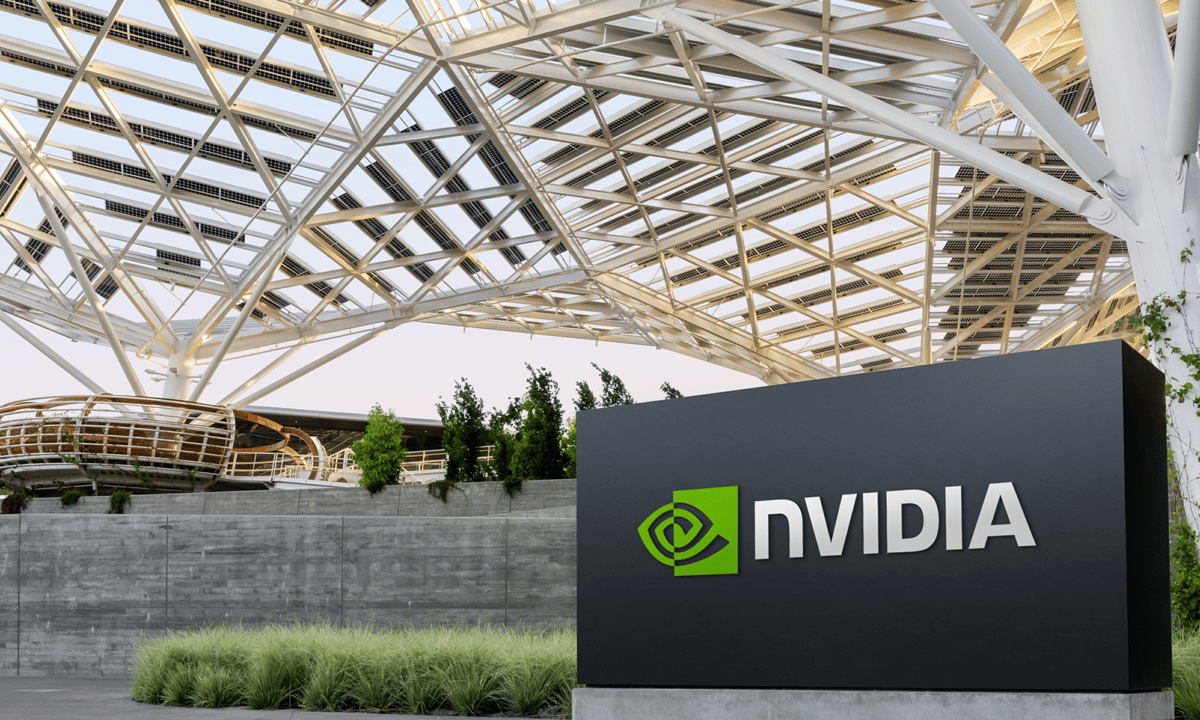
Nvidia Reaches Historic Market Capitalization High

- Market Capitalization Milestone: Nvidia reached a historic market cap of $5.26 trillion on April 27, currently valued at $5.17 trillion, solidifying its position as the largest publicly traded company in history.
- Strong Growth Trajectory: The company's market cap has surged over 80% in the past year and more than 1,300% over the last five years, reflecting robust performance and sustained demand in the semiconductor sector.
- Enhanced Profitability: Nvidia's revenue has increased by over 250% in the last three years, with net income rising more than 300% and free cash flow up over 200%, indicating significant improvements in profitability.
- Investment Opportunity: Despite recent stock price volatility, analysts anticipate that Nvidia's upcoming Q1 earnings report will exceed expectations, suggesting that the company remains a worthwhile long-term investment.
See More
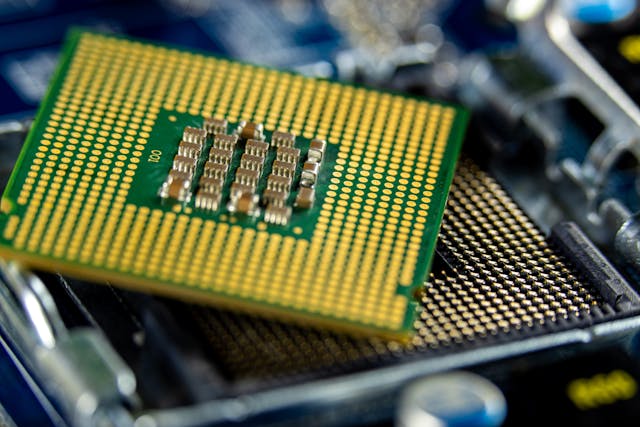
Taiwan Semiconductor's Critical Role in AI Revolution

- Market Share Leadership: Taiwan Semiconductor holds approximately 62% of the global foundry market and over 90% in advanced nodes (7nm and below), making it an indispensable partner in AI chip manufacturing and ensuring long-term customer reliance.
- Significant Revenue Growth: In Q1 2026, Taiwan Semiconductor's revenue rose 35% year-over-year, indicating a sharp acceleration in business momentum, while Q2 is projected to achieve about 32% year-over-year growth, with expectations of over 30% growth for the full year, reflecting robust market demand.
- Diverse Customer Base: Taiwan Semiconductor supplies chips for major companies like Apple, Nvidia, AMD, and Qualcomm, particularly in AI GPUs, with demand continuing to rise as AI applications expand, further solidifying its market position.
- Increased Investor Confidence: Wedgewood Partners noted in its Q1 2026 investor letter that Taiwan Semiconductor was a top contributor to portfolio performance, with revenue growth of 25% and an expected acceleration to 30% in 2026, demonstrating strong confidence in the demand for AI compute accelerators.
See More

Anthropic's Mythos Model Triggers Cybersecurity Alarm

- Surge in Cybersecurity Risks: Anthropic's new model, Mythos, has uncovered thousands of software vulnerabilities, prompting global banks and tech giants like Apple and Amazon to swiftly implement measures to mitigate potential cyberattack risks, highlighting the escalating threat of AI in cybercrime.
- Government Oversight Considerations: The release of Mythos has raised concerns over AI models, leading the Trump administration to contemplate increased regulation of future models, which could impact innovation and development directions in the AI industry, particularly in cybersecurity.
- Vulnerability Detection Capabilities: While Mythos's capabilities have garnered widespread attention, cybersecurity experts note that existing models, including earlier versions from OpenAI, can also identify similar vulnerabilities, indicating that AI's application in cybersecurity is not new and has intensified industry panic.
- Offensive-Defensive Imbalance: Although companies like Anthropic and OpenAI are developing cybersecurity defense tools, researchers argue that the current advantage lies with attackers rather than defenders, resulting in heightened risks for financial institutions and a lag in the speed of vulnerability remediation compared to the frequency of attacks.
See More
Apple Launches Low-Priced MacBook Neo, Boosting Sales Growth
- Sales Growth: Since its launch in March, Apple's MacBook Neo has driven a 6% year-over-year increase in Mac sales, indicating the product's success in attracting new customers and bolstering overall sales, thereby reinforcing Apple's position in the premium market.
- Education Market Potential: With a starting price of $499, the MacBook Neo could tap into the U.S. K-12 market, where selling to just half of the 54 million students could generate approximately $13.5 billion in new revenue, significantly enhancing Apple's influence in the education sector.
- Strong Customer Response: CEO Tim Cook noted that demand for the MacBook Neo has exceeded expectations, setting records for new customers, which suggests that the product effectively meets market demand for affordable laptops, further enhancing brand appeal.
- Robust Financial Performance: Apple's latest earnings report revealed quarterly revenue of $111.2 billion, a 17% year-over-year increase, with diluted earnings per share rising 22% year-over-year, indicating the company's success in launching new products and boosting investor confidence.
See More
Palo Alto Networks: A Fortress in Cybersecurity Amid Software Sell-off
- Platform Transformation: Palo Alto Networks is shifting from selling individual 'point products' to offering an integrated platform, creating high switching costs through free trials and service consolidation, thereby locking in multiyear, high-value contracts and enhancing its position as the security operating system for Fortune 500 companies.
- Strong Cash Flow: Unlike many growth-at-all-cost software firms, Palo Alto Networks operates as a free cash flow machine with a 28% margin, and its remaining performance obligations (RPO) exceed $12.6 billion, reflecting a 20% year-over-year increase that indicates the 'platform' pipeline is not only intact but accelerating.
- AI Empowerment: Palo Alto Networks successfully embraces and monetizes AI through its Precision AI offerings, enabling customers to automate 90% of security operations and reducing threat remediation time from days to minutes, thereby enhancing customer security efficiency and responsiveness.
- Market Discount Opportunity: With earnings scheduled for June 2, the market is currently offering a 'discount' on Palo Alto Networks, and investors must be prepared to own the stock if it closes below $190, showcasing its 'de-risked' nature in the current market environment.
See More
Trade Desk Faces Publicis Challenge Amid Earnings Miss
- Publicis Controversy Impact: Trade Desk's Q1 2026 earnings miss led to a 13.11% drop in pre-market trading, primarily due to Publicis's concerns over pricing and transparency, which could result in client losses and significantly impact Q2 and Q3 revenues.
- Margin Pressure: The company targets a full-year adjusted EBITDA margin of 40%, yet reported only 30% in Q1, necessitating substantial revenue growth or aggressive cost control in the second half, with management failing to provide a clear strategy, thus increasing market uncertainty.
- Long-Term Outlook Remains Positive: Despite short-term challenges, Trade Desk's long-term strategies, including open internet principles, retail media, and AI search, remain attractive, with Jeff Green's $150 million stock purchase reflecting confidence in the company's future.
- Cautious Market Reaction: Although Publicis's audit found no issues, the market's response to Trade Desk remains cautious, with heightened investor concerns about future profitability and market share, indicating a strong focus on the company's near-term performance.
See More
Nvidia Reaches Historic Market Capitalization High
- Market Capitalization Milestone: Nvidia reached a historic market cap of $5.26 trillion on April 27, currently valued at $5.17 trillion, solidifying its position as the largest publicly traded company in history.
- Strong Growth Trajectory: The company's market cap has surged over 80% in the past year and more than 1,300% over the last five years, reflecting robust performance and sustained demand in the semiconductor sector.
- Enhanced Profitability: Nvidia's revenue has increased by over 250% in the last three years, with net income rising more than 300% and free cash flow up over 200%, indicating significant improvements in profitability.
- Investment Opportunity: Despite recent stock price volatility, analysts anticipate that Nvidia's upcoming Q1 earnings report will exceed expectations, suggesting that the company remains a worthwhile long-term investment.
See More
Taiwan Semiconductor's Critical Role in AI Revolution
- Market Share Leadership: Taiwan Semiconductor holds approximately 62% of the global foundry market and over 90% in advanced nodes (7nm and below), making it an indispensable partner in AI chip manufacturing and ensuring long-term customer reliance.
- Significant Revenue Growth: In Q1 2026, Taiwan Semiconductor's revenue rose 35% year-over-year, indicating a sharp acceleration in business momentum, while Q2 is projected to achieve about 32% year-over-year growth, with expectations of over 30% growth for the full year, reflecting robust market demand.
- Diverse Customer Base: Taiwan Semiconductor supplies chips for major companies like Apple, Nvidia, AMD, and Qualcomm, particularly in AI GPUs, with demand continuing to rise as AI applications expand, further solidifying its market position.
- Increased Investor Confidence: Wedgewood Partners noted in its Q1 2026 investor letter that Taiwan Semiconductor was a top contributor to portfolio performance, with revenue growth of 25% and an expected acceleration to 30% in 2026, demonstrating strong confidence in the demand for AI compute accelerators.
See More
Anthropic's Mythos Model Triggers Cybersecurity Alarm
- Surge in Cybersecurity Risks: Anthropic's new model, Mythos, has uncovered thousands of software vulnerabilities, prompting global banks and tech giants like Apple and Amazon to swiftly implement measures to mitigate potential cyberattack risks, highlighting the escalating threat of AI in cybercrime.
- Government Oversight Considerations: The release of Mythos has raised concerns over AI models, leading the Trump administration to contemplate increased regulation of future models, which could impact innovation and development directions in the AI industry, particularly in cybersecurity.
- Vulnerability Detection Capabilities: While Mythos's capabilities have garnered widespread attention, cybersecurity experts note that existing models, including earlier versions from OpenAI, can also identify similar vulnerabilities, indicating that AI's application in cybersecurity is not new and has intensified industry panic.
- Offensive-Defensive Imbalance: Although companies like Anthropic and OpenAI are developing cybersecurity defense tools, researchers argue that the current advantage lies with attackers rather than defenders, resulting in heightened risks for financial institutions and a lag in the speed of vulnerability remediation compared to the frequency of attacks.
See More