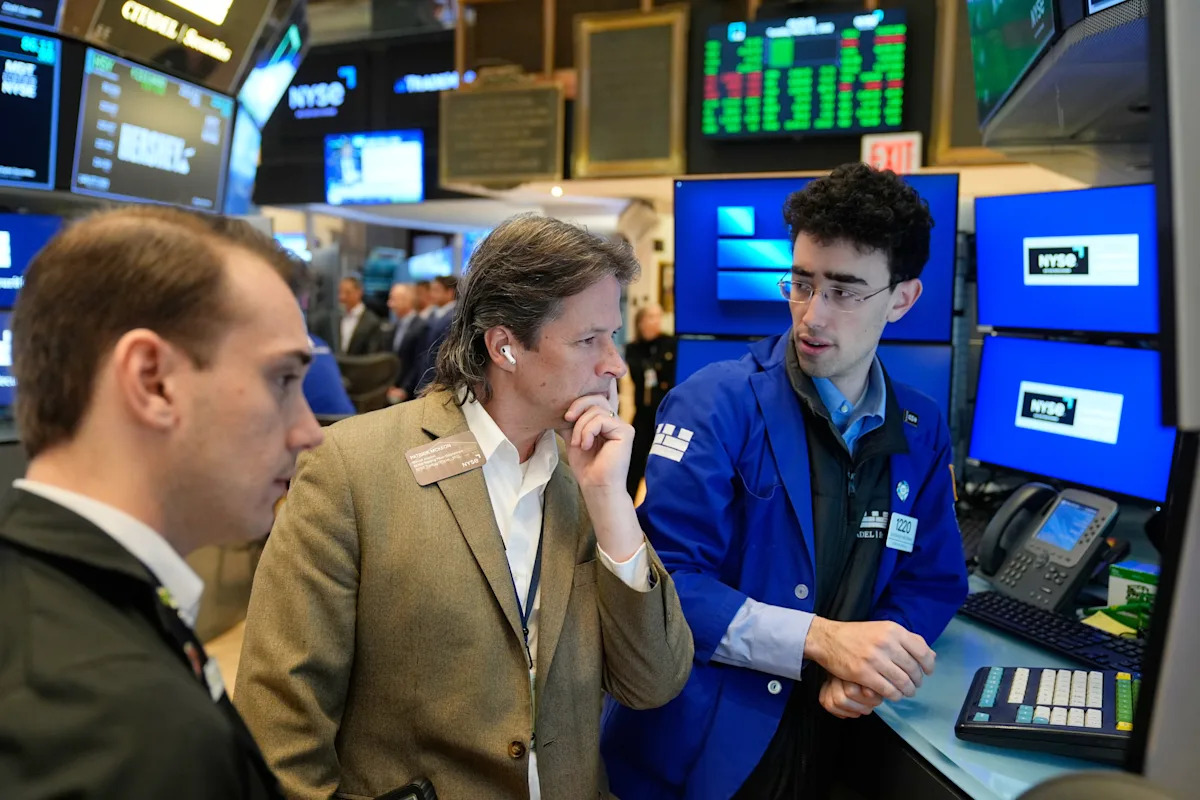
Berkshire Hathaway Class B Shares Offer Unique Investment Advantages
Written by Emily J. Thompson, Senior Investment Analyst
Updated: 2 days ago
0mins


Source: NASDAQ.COM
- Lower Investment Barrier: Berkshire Hathaway Class B shares are priced at $479, significantly reducing the entry point for ordinary investors compared to Class A shares at $720,500, allowing broader participation in Buffett's investment portfolio.
- Outstanding Long-Term Performance: Since 1965, Berkshire Hathaway's stock has surged by 6,099,294%, vastly outperforming the S&P 500's 46,061%, demonstrating its strong potential and stability in long-term investing, although Buffett cautions that such performance may not be replicated in the future.
- Diversified Investment Portfolio: Investors in Class B shares gain exposure to Buffett's favored stocks, including Apple, Coca-Cola, and American Express, while also owning unique positions in Japanese and Chinese stocks, enhancing the diversity of their investment portfolio.
- Generational Wealth Creation: Buffett emphasizes that owning Berkshire Hathaway stock equates to possessing a range of robust businesses that are likely to endure in the economy, enabling investors to create long-term wealth accumulation suitable for passing down through generations.
Trade with 70% Backtested Accuracy
Stop guessing "Should I Buy AAPL?" and start using high-conviction signals backed by rigorous historical data.
Sign up today to access powerful investing tools and make smarter, data-driven decisions.
Analyst Views on AAPL
Wall Street analysts forecast AAPL stock price to rise
27 Analyst Rating
17 Buy
9 Hold
1 Sell
Moderate Buy
Current: 260.490

Low
239.00
Averages
306.89
High
350.00
Current: 260.490
Low
239.00
Averages
306.89
High
350.00
About AAPL
Apple Inc. designs, manufactures and markets smartphones, personal computers, tablets, wearables and accessories, and sells a variety of related services. Its product categories include iPhone, Mac, iPad, and Wearables, Home and Accessories. Its software platforms include iOS, iPadOS, macOS, watchOS, visionOS, and tvOS. Its services include advertising, AppleCare, cloud services, digital content and payment services. The Company operates various platforms, including the App Store, that allow customers to discover and download applications and digital content, such as books, music, video, games and podcasts. It also offers digital content through subscription-based services, including Apple Arcade, Apple Fitness+, Apple Music, Apple News+, and Apple TV+. Its products include iPhone 16 Pro, iPhone 16, iPhone 15, iPhone 14, iPhone SE, MacBook Air, MacBook Pro, iMac, Mac mini, Mac Studio, Mac Pro, iPad Pro, iPad Air, AirPods, AirPods Pro, AirPods Max, Apple TV, Apple Vision Pro and others.
About the author

Emily J. Thompson
Emily J. Thompson, a Chartered Financial Analyst (CFA) with 12 years in investment research, graduated with honors from the Wharton School. Specializing in industrial and technology stocks, she provides in-depth analysis for Intellectia’s earnings and market brief reports.

Apple's Foldable Smartphone Market Prospects

- Market Entry Timing: Apple's upcoming foldable smartphone is expected to launch in September, and while the technology has existed since 2019, its entry may attract loyal users, particularly in China, driving sales growth.
- Price Positioning Impact: The new foldable iPhone is projected to cost over $2,000, and although U.S. consumers show limited interest in foldable phones, the high price point may encourage upgrades, boosting sales, especially in the Chinese market.
- Ecosystem Advantage: Apple's robust ecosystem makes it difficult for users to exit once they enter, and the introduction of the foldable phone will further lock in users, promoting high-margin subscription and service sales, such as iCloud storage and Apple Music.
- Competitive Strategy: Although Apple is no longer at the forefront of innovation, by refining existing technologies and addressing the Chinese market's demand for foldable phones, Apple still has the opportunity to gain an edge in competition, particularly in the high-end market.
See More
Apple Tests Four Designs for Smart AI Glasses to Compete with Meta
- Design Variety: Apple is testing four distinct designs for its smart AI glasses, including a large rectangular frame reminiscent of Ray-Ban Wayfarers and a slimmer rectangular option, aiming to attract diverse consumer segments and enhance market competitiveness.
- Technology Integration: The new glasses are planned to integrate deeply with the iPhone, featuring vertically oriented oval lenses with surrounding lights for the camera system, intended to provide a higher-end user experience and surpass Meta's offerings, thereby elevating brand perception.
- Launch Timeline: Apple aims to unveil its AI glasses, internally dubbed N50, by late 2026 or early 2027, with a target release in 2027, indicating a long-term strategic commitment to the wearable tech market.
- Materials and Aesthetics: The latest units are reportedly made from more durable acetate and are exploring various finishes, including black, ocean blue, and light brown, to enhance market appeal and consumer purchasing intent.
See More

Roundhill Magnificent Seven ETF Delivers Impressive Returns


- Annual Returns: The Roundhill Magnificent Seven ETF has achieved an impressive average annual return of 34.27% over the past three years, highlighting its strong performance in tech stock investments and attracting significant investor interest.
- Investment Potential: By investing $500 monthly in MAGS, investors could potentially reach $1 million in 14 years, making this ETF an attractive option for those seeking long-term wealth growth.
- Fee Structure: With an expense ratio of 0.29%, while relatively low, investors must weigh the value of paying management fees for just seven stocks, especially in a volatile market environment.
- Market Performance: Despite its past success, MAGS has declined by 9.4% year-to-date and has underperformed compared to the S&P 500 and Nasdaq-100 indices, serving as a cautionary note for investors to carefully assess future investment risks.
See More
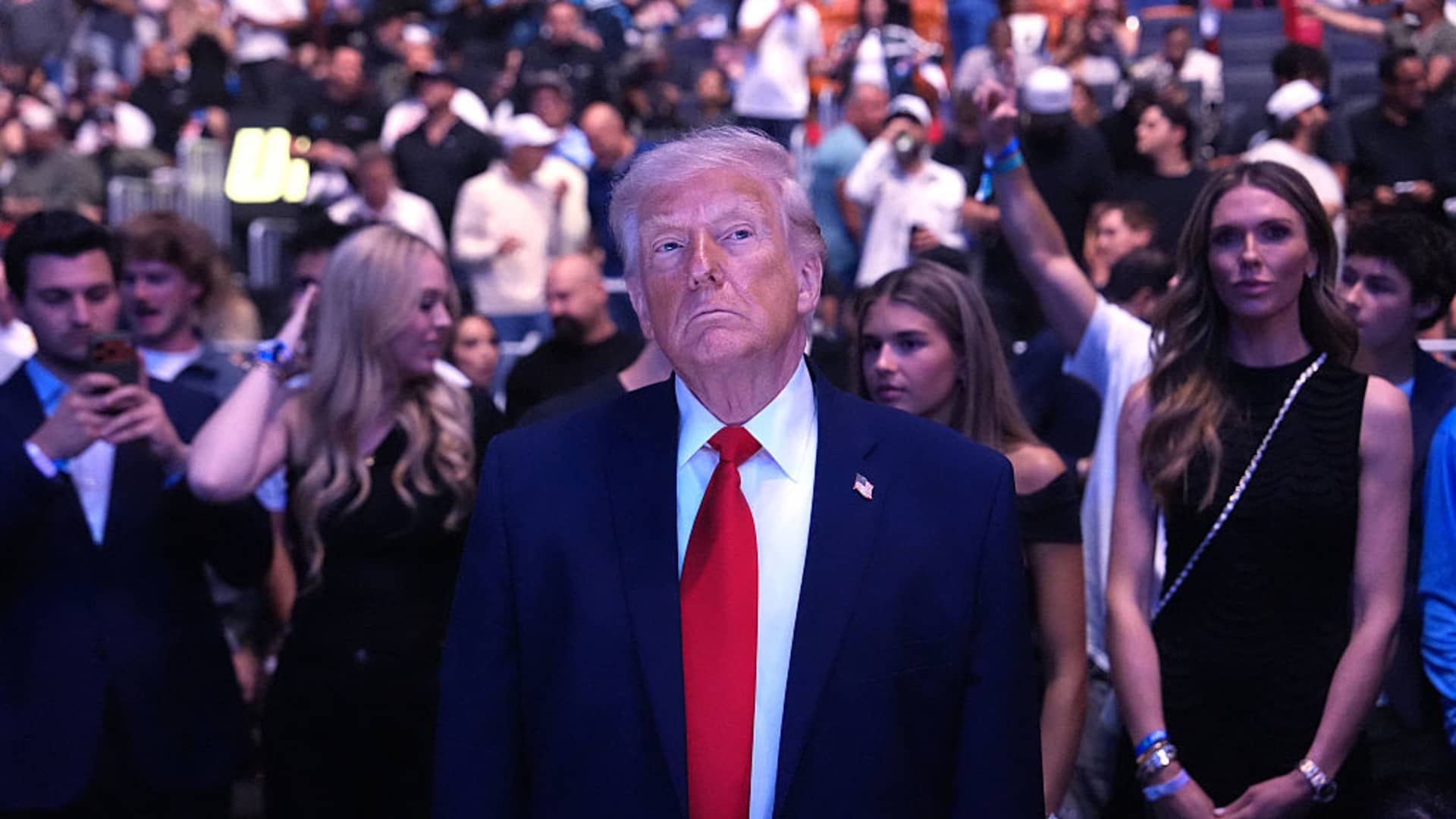
Trump's Weekend Activities and Surge in Oil Prices

- Surge in Oil Prices: Crude oil futures jumped over 8% on Monday as the U.S. Navy prepares to blockade Iranian ports, with U.S. crude surpassing $100 per barrel and Brent also rising over 8%, indicating significant implications for the global energy market.
- Military Blockade Announcement: U.S. Central Command stated that it will begin blocking all maritime traffic entering and exiting Iranian ports at 10 a.m. ET on Monday, a move that could disrupt international supply chains related to Iran and significantly impact global oil prices.
- Trump's Dispute with the Pope: Trump criticized Pope Leo XIV on social media for his stance on the U.S. war in Iran, asserting he does not want a Pope who criticizes him, reflecting a hardline approach in both domestic and foreign policy that may affect his supporters' confidence.
- Hungarian Election Results: The election results in Hungary indicate a victory for the opposition Tisza party, marking the first new government in 16 years, which poses a challenge to Trump and his allies in Europe and may lead to future policy adjustments.
See More

Potential of Investing in the Magnificent Seven ETF
- Annual Return Rate: Since its launch on April 11, 2023, the Roundhill Magnificent Seven ETF (MAGS) has achieved an impressive annual return rate of 34.27%, indicating strong performance among tech stocks, although future performance may not meet expectations.
- Portfolio Structure: MAGS holds only seven major tech stocks, including Amazon (15.8%), Alphabet (15.1%), and Tesla (12.6%), and is rebalanced quarterly to avoid over-concentration in any single stock, thereby reducing investment risk.
- Wealth Growth Potential: Assuming a monthly investment of $500 with a sustained annual return of 34.27%, one could accumulate $58,899 after five years, $315,939 after ten years, and potentially exceed $1 million after fourteen years, highlighting the appeal of long-term investing.
- Market Risk Warning: Despite MAGS's strong past performance, it has declined 9.4% year-to-date and faces risks from the overall weakness in tech stocks, prompting investors to carefully assess the potential risks of concentrated investments and the reasonableness of management fees.
See More

Trump Orders Complete Blockade of Strait of Hormuz Amidst Stalled U.S.-Iran Talks
- Blockade Order: President Trump has ordered a complete blockade of the Strait of Hormuz, prohibiting all vessels from passing, aimed at pressuring Iran to abandon its nuclear weapons pursuit, which could lead to a tightening of global energy supplies.
- Surge in Oil Prices: Trump's announcement of the blockade caused oil prices to surge over 8%, reflecting market concerns over a potential energy crisis while exacerbating investor anxiety and impacting global market performance.
- Market Reaction: Following the blockade news, Asian markets fell in early Monday trading, and U.S. futures also tumbled, with Dow Jones Industrial Average futures losing 517 points, indicating a pessimistic sentiment among investors regarding the economic outlook.
- Decline in Consumer Confidence: American consumer confidence plunged to a record low in April, reflecting the domestic economic impact of the ongoing conflict, further intensifying market uncertainty.
See More
Apple's Foldable Smartphone Market Prospects
- Market Entry Timing: Apple's upcoming foldable smartphone is expected to launch in September, and while the technology has existed since 2019, its entry may attract loyal users, particularly in China, driving sales growth.
- Price Positioning Impact: The new foldable iPhone is projected to cost over $2,000, and although U.S. consumers show limited interest in foldable phones, the high price point may encourage upgrades, boosting sales, especially in the Chinese market.
- Ecosystem Advantage: Apple's robust ecosystem makes it difficult for users to exit once they enter, and the introduction of the foldable phone will further lock in users, promoting high-margin subscription and service sales, such as iCloud storage and Apple Music.
- Competitive Strategy: Although Apple is no longer at the forefront of innovation, by refining existing technologies and addressing the Chinese market's demand for foldable phones, Apple still has the opportunity to gain an edge in competition, particularly in the high-end market.
See More
Apple Tests Four Designs for Smart AI Glasses to Compete with Meta
- Design Variety: Apple is testing four distinct designs for its smart AI glasses, including a large rectangular frame reminiscent of Ray-Ban Wayfarers and a slimmer rectangular option, aiming to attract diverse consumer segments and enhance market competitiveness.
- Technology Integration: The new glasses are planned to integrate deeply with the iPhone, featuring vertically oriented oval lenses with surrounding lights for the camera system, intended to provide a higher-end user experience and surpass Meta's offerings, thereby elevating brand perception.
- Launch Timeline: Apple aims to unveil its AI glasses, internally dubbed N50, by late 2026 or early 2027, with a target release in 2027, indicating a long-term strategic commitment to the wearable tech market.
- Materials and Aesthetics: The latest units are reportedly made from more durable acetate and are exploring various finishes, including black, ocean blue, and light brown, to enhance market appeal and consumer purchasing intent.
See More
Roundhill Magnificent Seven ETF Delivers Impressive Returns
- Annual Returns: The Roundhill Magnificent Seven ETF has achieved an impressive average annual return of 34.27% over the past three years, highlighting its strong performance in tech stock investments and attracting significant investor interest.
- Investment Potential: By investing $500 monthly in MAGS, investors could potentially reach $1 million in 14 years, making this ETF an attractive option for those seeking long-term wealth growth.
- Fee Structure: With an expense ratio of 0.29%, while relatively low, investors must weigh the value of paying management fees for just seven stocks, especially in a volatile market environment.
- Market Performance: Despite its past success, MAGS has declined by 9.4% year-to-date and has underperformed compared to the S&P 500 and Nasdaq-100 indices, serving as a cautionary note for investors to carefully assess future investment risks.
See More
Trump's Weekend Activities and Surge in Oil Prices
- Surge in Oil Prices: Crude oil futures jumped over 8% on Monday as the U.S. Navy prepares to blockade Iranian ports, with U.S. crude surpassing $100 per barrel and Brent also rising over 8%, indicating significant implications for the global energy market.
- Military Blockade Announcement: U.S. Central Command stated that it will begin blocking all maritime traffic entering and exiting Iranian ports at 10 a.m. ET on Monday, a move that could disrupt international supply chains related to Iran and significantly impact global oil prices.
- Trump's Dispute with the Pope: Trump criticized Pope Leo XIV on social media for his stance on the U.S. war in Iran, asserting he does not want a Pope who criticizes him, reflecting a hardline approach in both domestic and foreign policy that may affect his supporters' confidence.
- Hungarian Election Results: The election results in Hungary indicate a victory for the opposition Tisza party, marking the first new government in 16 years, which poses a challenge to Trump and his allies in Europe and may lead to future policy adjustments.
See More
Potential of Investing in the Magnificent Seven ETF
- Annual Return Rate: Since its launch on April 11, 2023, the Roundhill Magnificent Seven ETF (MAGS) has achieved an impressive annual return rate of 34.27%, indicating strong performance among tech stocks, although future performance may not meet expectations.
- Portfolio Structure: MAGS holds only seven major tech stocks, including Amazon (15.8%), Alphabet (15.1%), and Tesla (12.6%), and is rebalanced quarterly to avoid over-concentration in any single stock, thereby reducing investment risk.
- Wealth Growth Potential: Assuming a monthly investment of $500 with a sustained annual return of 34.27%, one could accumulate $58,899 after five years, $315,939 after ten years, and potentially exceed $1 million after fourteen years, highlighting the appeal of long-term investing.
- Market Risk Warning: Despite MAGS's strong past performance, it has declined 9.4% year-to-date and faces risks from the overall weakness in tech stocks, prompting investors to carefully assess the potential risks of concentrated investments and the reasonableness of management fees.
See More
Trump Orders Complete Blockade of Strait of Hormuz Amidst Stalled U.S.-Iran Talks
- Blockade Order: President Trump has ordered a complete blockade of the Strait of Hormuz, prohibiting all vessels from passing, aimed at pressuring Iran to abandon its nuclear weapons pursuit, which could lead to a tightening of global energy supplies.
- Surge in Oil Prices: Trump's announcement of the blockade caused oil prices to surge over 8%, reflecting market concerns over a potential energy crisis while exacerbating investor anxiety and impacting global market performance.
- Market Reaction: Following the blockade news, Asian markets fell in early Monday trading, and U.S. futures also tumbled, with Dow Jones Industrial Average futures losing 517 points, indicating a pessimistic sentiment among investors regarding the economic outlook.
- Decline in Consumer Confidence: American consumer confidence plunged to a record low in April, reflecting the domestic economic impact of the ongoing conflict, further intensifying market uncertainty.
See More