Banking Sector Shows Resilience Amid Geopolitical Turmoil
Written by Emily J. Thompson, Senior Investment Analyst
Updated: Apr 17 2026
0mins


Source: CNBC
- Investment Banking Surge: Goldman Sachs reported a 48% year-over-year increase in investment banking revenue to $2.48 billion, with CEO David Solomon noting a robust investment banking environment, which significantly contributes to advisory fees and capital market revenues, showcasing the firm's strength in M&A and IPOs.
- Credit Card Growth: Despite a slight overall revenue miss, Wells Fargo's new credit card account openings surged nearly 60% year-over-year, with the consumer banking and lending division seeing a 6.6% revenue increase in Q1, indicating strong consumer spending resilience even amid rising oil prices, enhancing the bank's profitability.
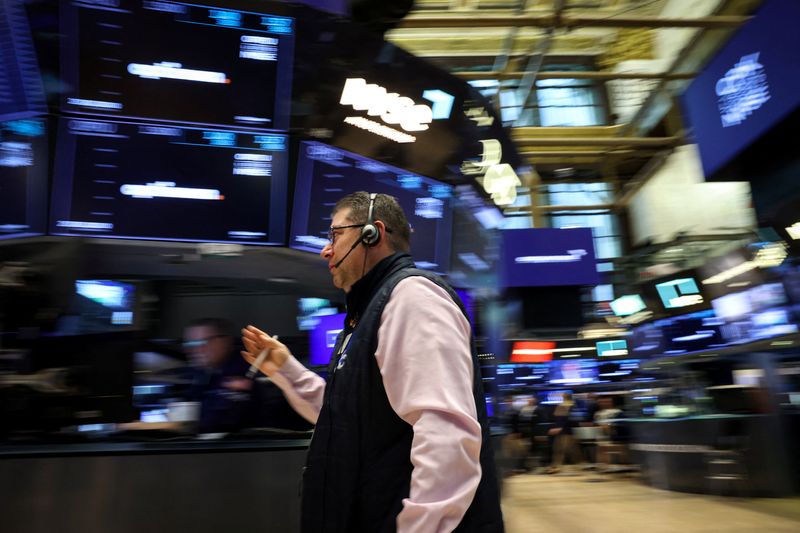
- Trading Desk Performance: The volatility from the Iran-U.S. conflict led to a 27% year-over-year increase in Goldman’s equities revenue, reaching a record $5.33 billion, as clients actively repositioned portfolios, reflecting the firm's execution capabilities and risk management in a dynamic environment.
- Market Adaptability: While geopolitical uncertainty affected some deals, Morgan Stanley and Bank of America saw trading revenues rise by 29% and 30% respectively, demonstrating that banks can still capitalize on market fluctuations, highlighting their ability to adapt to changing market conditions.
Trade with 70% Backtested Accuracy
Stop guessing "Should I Buy COF?" and start using high-conviction signals backed by rigorous historical data.
Sign up today to access powerful investing tools and make smarter, data-driven decisions.
Analyst Views on COF
Wall Street analysts forecast COF stock price to rise
19 Analyst Rating
16 Buy
3 Hold
0 Sell
Strong Buy
Current: 192.590

Low
256.00
Averages
280.42
High
310.00
Current: 192.590
Low
256.00
Averages
280.42
High
310.00
About COF
Capital One Financial Corporation is a diversified financial services holding company with banking and non-banking subsidiaries. The Company offers a broad spectrum of financial products and services to consumers, small businesses and commercial clients through a variety of channels. It operates through three segments: Credit Card, Consumer Banking and Commercial Banking. The Credit Card segment consists of its domestic consumer and small business card lending, and international card businesses in the United Kingdom and Canada. The Consumer Banking segment consists of its deposit gathering and lending activities for consumers and small businesses, and national auto lending. The Commercial Banking segment consists of its lending, deposit gathering, capital markets and treasury management services to commercial real estate and commercial and industrial customers. Its principal operating subsidiary is Capital One, National Association, which offers banking products and financial services.
About the author

Emily J. Thompson
Emily J. Thompson, a Chartered Financial Analyst (CFA) with 12 years in investment research, graduated with honors from the Wharton School. Specializing in industrial and technology stocks, she provides in-depth analysis for Intellectia’s earnings and market brief reports.

Federal Reserve Holds Rates Steady, Some Banks Cut Yields


- Stable Rate Policy: The Federal Reserve's decision to maintain the federal funds rate between 3.5%-3.75% is generally positive for savers; however, some banks have still lowered their high-yield savings account rates, indicating competitive pressures in the market.
- Yield Cuts by Banks: According to a BTIG report, three major banks—Capital One, Synchrony, and Marcus by Goldman Sachs—have recently reduced their annual percentage yields, following a cut by Ally Financial, reflecting adjustments in banking strategies under yield pressure.
- Shifting Market Expectations: While analysts believe the Fed will not cut rates, bank earnings reports indicate robust consumer spending and lending in the U.S., suggesting that growth expectations remain intact, which could influence future rate decisions.
- Deposit Product Yield Comparison: Despite some banks lowering rates, Bread Financial and LendingClub maintain a 4% yield, but they are expected to follow suit with cuts, highlighting the ongoing competition for high-yield deposit products in the market.
See More

JP Morgan Maintains Overweight Rating on Mastercard Post Visa's Q2 Earnings Beat


- Rating Maintenance: JP Morgan has decided to maintain its Overweight rating on Mastercard, indicating confidence in the company's future performance, particularly against the backdrop of ongoing growth in the payments industry.
- Price Target Set: The firm has set a price target of $507.62 for Mastercard, reflecting optimistic expectations regarding its future profitability, which aligns with Visa's recent earnings performance.
- Market Reaction: Visa's Q2 earnings beat expectations may provide support for Mastercard's stock price, further bolstering investor confidence in the company.
- Industry Outlook: As digital payments continue to gain traction, Mastercard's position in the global payments market is expected to strengthen, and JP Morgan's rating and price target reflect a positive outlook on this trend.
See More
Middle East Tensions Propel US Stocks to Record Highs


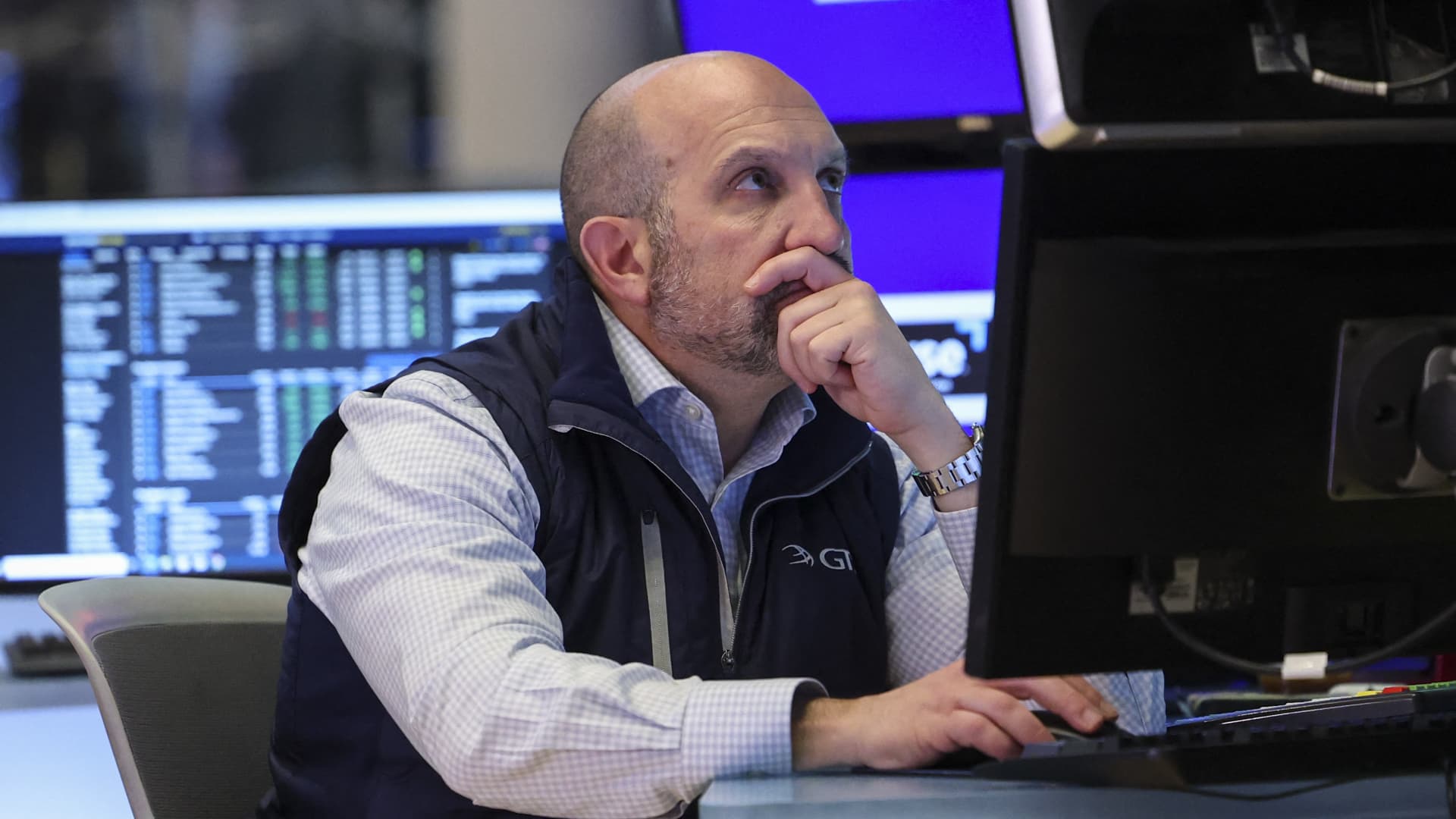
- Strong Market Performance: The S&P 500 and Nasdaq rose by 0.6% and 1.5% respectively, reaching record highs amid fluctuating Middle East tensions, indicating investor optimism for upcoming peace talks despite ongoing uncertainties.
- Tech Stock Divergence: Hardware stocks like Intel and Nvidia surged by 33% and 3.2% respectively, while software stocks such as IBM and ServiceNow faced sell-offs due to disappointing guidance, reflecting market preference for AI infrastructure and concerns over the software sector.
- GE Vernova's Impressive Earnings: GE Vernova's stock jumped nearly 14% following a strong earnings report, with its price target raised from $1,000 to $1,300, highlighting robust demand for heavy-duty natural gas turbines and the company's pivotal role in the AI boom.
- Boeing's Better-Than-Expected Results: Boeing reported revenue exceeding expectations, leading to a 5.5% stock increase, demonstrating that rising jet fuel prices due to Middle East tensions did not significantly impact demand, showcasing the company's recovery under CEO Kelly Ortberg.
See More
Berkshire Hathaway Shares Decline Amid Market Gains


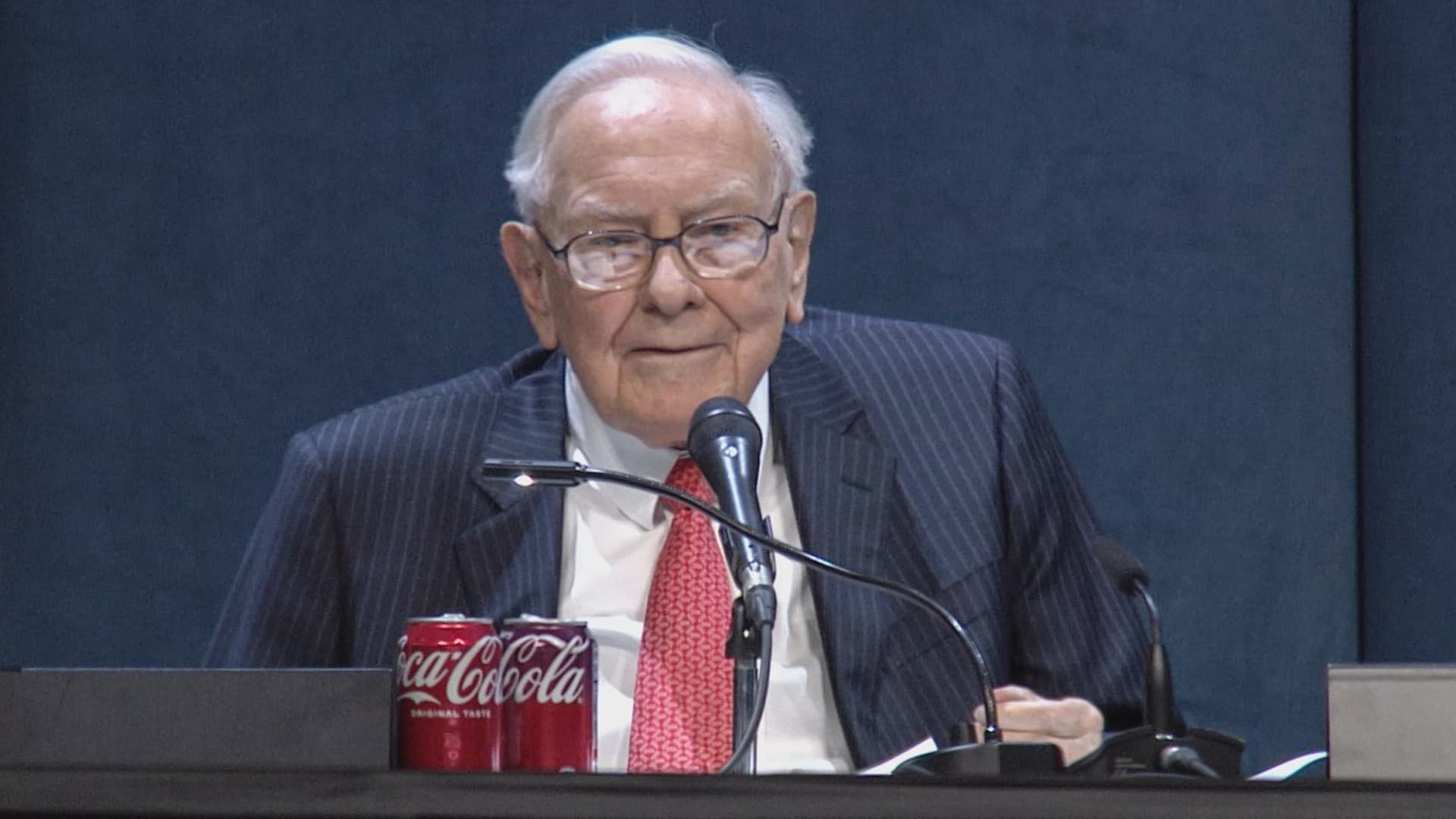
- Stock Underperformance: Berkshire Hathaway's B shares fell approximately 1% this week while the S&P 500 rose 0.6%, increasing the relative underperformance to 11.3 percentage points, indicating investor concerns about the company's future prospects.
- Buyback Potential: UBS analyst Brian Meredith estimates Berkshire is trading at an 8% discount to its intrinsic value, with expectations for 2026 repurchases raised to $1.7 billion, which could attract more investor interest in the stock.
- Management Changes Impact: New CEO Greg Abel has unloaded approximately $16 billion in stocks managed by Todd Combs, which may affect portfolio diversity but also provides Abel with a chance for direct management of the remaining assets.
- Market Value Shift: Walmart's market value has surged over 35% in the past year, surpassing Berkshire to become the ninth largest company in the U.S., reflecting market preference for retail over concerns regarding Berkshire's growth trajectory.
See More

Berkshire Hathaway Faces Changes After Buffett's Departure

- Leadership Change: Warren Buffett's resignation as CEO marks a significant shift for Berkshire Hathaway, with new CEO Greg Abel taking the helm for the first time in sixty years, potentially impacting the company's investment strategy and market confidence.
- Portfolio Adjustment: Abel has reportedly sold all stocks managed by former investment lieutenant Todd Combs, amounting to approximately $15 billion, indicating a decisive move by the new CEO that may lead to a shift in the company's investment style.
- Core Holdings Strategy: In his letter to shareholders, Abel identified nine 'core holdings' that he implied would see limited activity unless there are fundamental changes in their long-term economic prospects, suggesting a potential reduction in Berkshire's investment activity.
- Market Reaction Anticipation: Investors will gain insights into Berkshire's stock transactions for Q1 in the upcoming 10-Q filing due by May 2, which will provide crucial clues about Abel's future investment direction, although it may take several quarters to fully divest Combs' investments.
See More

Berkshire's New CEO Signals Portfolio Changes After Combs Departure
- Executive Shift Impact: Todd Combs, one of Buffett's top investment managers, has left for JPMorgan Chase, resulting in new CEO Greg Abel taking control of most of the portfolio, potentially affecting around $15 billion in asset allocation, reflecting significant changes in the company's governance structure.
- Portfolio Scale: Berkshire's total investment portfolio is approximately $322 billion, with Combs managing over 5% of it, equating to at least $16 billion, highlighting his importance in the company's investment strategy.
- Investment Strategy Shift: In his letter to shareholders, Abel indicated a commitment to maintaining core holdings, suggesting a potential shift towards a more passive investment strategy with fewer quarterly changes, which may alter investor expectations regarding the company's activity level.
- Market Reaction Expectations: While Abel stated that Ted Weschler would continue managing 6% of the portfolio, market uncertainty remains regarding Berkshire's future investment direction, prompting investors to closely monitor the upcoming first-quarter 10-Q report for more insights.
See More
Federal Reserve Holds Rates Steady, Some Banks Cut Yields
- Stable Rate Policy: The Federal Reserve's decision to maintain the federal funds rate between 3.5%-3.75% is generally positive for savers; however, some banks have still lowered their high-yield savings account rates, indicating competitive pressures in the market.
- Yield Cuts by Banks: According to a BTIG report, three major banks—Capital One, Synchrony, and Marcus by Goldman Sachs—have recently reduced their annual percentage yields, following a cut by Ally Financial, reflecting adjustments in banking strategies under yield pressure.
- Shifting Market Expectations: While analysts believe the Fed will not cut rates, bank earnings reports indicate robust consumer spending and lending in the U.S., suggesting that growth expectations remain intact, which could influence future rate decisions.
- Deposit Product Yield Comparison: Despite some banks lowering rates, Bread Financial and LendingClub maintain a 4% yield, but they are expected to follow suit with cuts, highlighting the ongoing competition for high-yield deposit products in the market.
See More
JP Morgan Maintains Overweight Rating on Mastercard Post Visa's Q2 Earnings Beat
- Rating Maintenance: JP Morgan has decided to maintain its Overweight rating on Mastercard, indicating confidence in the company's future performance, particularly against the backdrop of ongoing growth in the payments industry.
- Price Target Set: The firm has set a price target of $507.62 for Mastercard, reflecting optimistic expectations regarding its future profitability, which aligns with Visa's recent earnings performance.
- Market Reaction: Visa's Q2 earnings beat expectations may provide support for Mastercard's stock price, further bolstering investor confidence in the company.
- Industry Outlook: As digital payments continue to gain traction, Mastercard's position in the global payments market is expected to strengthen, and JP Morgan's rating and price target reflect a positive outlook on this trend.
See More
Middle East Tensions Propel US Stocks to Record Highs
- Strong Market Performance: The S&P 500 and Nasdaq rose by 0.6% and 1.5% respectively, reaching record highs amid fluctuating Middle East tensions, indicating investor optimism for upcoming peace talks despite ongoing uncertainties.
- Tech Stock Divergence: Hardware stocks like Intel and Nvidia surged by 33% and 3.2% respectively, while software stocks such as IBM and ServiceNow faced sell-offs due to disappointing guidance, reflecting market preference for AI infrastructure and concerns over the software sector.
- GE Vernova's Impressive Earnings: GE Vernova's stock jumped nearly 14% following a strong earnings report, with its price target raised from $1,000 to $1,300, highlighting robust demand for heavy-duty natural gas turbines and the company's pivotal role in the AI boom.
- Boeing's Better-Than-Expected Results: Boeing reported revenue exceeding expectations, leading to a 5.5% stock increase, demonstrating that rising jet fuel prices due to Middle East tensions did not significantly impact demand, showcasing the company's recovery under CEO Kelly Ortberg.
See More
Berkshire Hathaway Shares Decline Amid Market Gains
- Stock Underperformance: Berkshire Hathaway's B shares fell approximately 1% this week while the S&P 500 rose 0.6%, increasing the relative underperformance to 11.3 percentage points, indicating investor concerns about the company's future prospects.
- Buyback Potential: UBS analyst Brian Meredith estimates Berkshire is trading at an 8% discount to its intrinsic value, with expectations for 2026 repurchases raised to $1.7 billion, which could attract more investor interest in the stock.
- Management Changes Impact: New CEO Greg Abel has unloaded approximately $16 billion in stocks managed by Todd Combs, which may affect portfolio diversity but also provides Abel with a chance for direct management of the remaining assets.
- Market Value Shift: Walmart's market value has surged over 35% in the past year, surpassing Berkshire to become the ninth largest company in the U.S., reflecting market preference for retail over concerns regarding Berkshire's growth trajectory.
See More
Berkshire Hathaway Faces Changes After Buffett's Departure
- Leadership Change: Warren Buffett's resignation as CEO marks a significant shift for Berkshire Hathaway, with new CEO Greg Abel taking the helm for the first time in sixty years, potentially impacting the company's investment strategy and market confidence.
- Portfolio Adjustment: Abel has reportedly sold all stocks managed by former investment lieutenant Todd Combs, amounting to approximately $15 billion, indicating a decisive move by the new CEO that may lead to a shift in the company's investment style.
- Core Holdings Strategy: In his letter to shareholders, Abel identified nine 'core holdings' that he implied would see limited activity unless there are fundamental changes in their long-term economic prospects, suggesting a potential reduction in Berkshire's investment activity.
- Market Reaction Anticipation: Investors will gain insights into Berkshire's stock transactions for Q1 in the upcoming 10-Q filing due by May 2, which will provide crucial clues about Abel's future investment direction, although it may take several quarters to fully divest Combs' investments.
See More
Berkshire's New CEO Signals Portfolio Changes After Combs Departure
- Executive Shift Impact: Todd Combs, one of Buffett's top investment managers, has left for JPMorgan Chase, resulting in new CEO Greg Abel taking control of most of the portfolio, potentially affecting around $15 billion in asset allocation, reflecting significant changes in the company's governance structure.
- Portfolio Scale: Berkshire's total investment portfolio is approximately $322 billion, with Combs managing over 5% of it, equating to at least $16 billion, highlighting his importance in the company's investment strategy.
- Investment Strategy Shift: In his letter to shareholders, Abel indicated a commitment to maintaining core holdings, suggesting a potential shift towards a more passive investment strategy with fewer quarterly changes, which may alter investor expectations regarding the company's activity level.
- Market Reaction Expectations: While Abel stated that Ted Weschler would continue managing 6% of the portfolio, market uncertainty remains regarding Berkshire's future investment direction, prompting investors to closely monitor the upcoming first-quarter 10-Q report for more insights.
See More