ARM Holdings Downgraded to Sell by Goldman Sachs, Price Target Cut to $120
Written by Emily J. Thompson, Senior Investment Analyst
Updated: Dec 22 2025
0mins


Source: Benzinga
- ARM Holdings Downgrade: Goldman Sachs analyst James Schneider downgraded ARM Holdings from Neutral to Sell, lowering the price target from $160 to $120, resulting in a 15% stock decline over the past month, with a 52-week low of $80.
- Crane NXT Performance Analysis: Baird analyst Michael Halloran maintained an Outperform rating on Crane NXT but reduced the price target from $88 to $82, leading to a 14% drop in the stock over the past month, with a 52-week low of $41.54.
- BlackBerry Earnings Beat: BlackBerry reported Q3 revenue of $141.8 million, exceeding analyst expectations of $137.4 million, with adjusted earnings of 5 cents per share, surpassing the 4 cents estimate, despite a 13% stock decline over the past five days and a 52-week low of $2.80.
- Market Trends: Despite BlackBerry's strong financial performance, CEO John Giamatteo noted the company achieved its strongest GAAP profitability in nearly four years, yet the stock fell to $3.77, reflecting market caution towards tech stocks.
Trade with 70% Backtested Accuracy
Stop guessing "Should I Buy ARM?" and start using high-conviction signals backed by rigorous historical data.
Sign up today to access powerful investing tools and make smarter, data-driven decisions.
Analyst Views on ARM
Wall Street analysts forecast ARM stock price to fall
24 Analyst Rating
19 Buy
4 Hold
1 Sell
Strong Buy
Current: 342.930

Low
120.00
Averages
160.58
High
201.00
Current: 342.930
Low
120.00
Averages
160.58
High
201.00
About ARM
Arm Holdings plc is a United Kingdom-based company. The Company is engaged in the design of central processing units (CPUs) and compute platforms for semiconductor chips. It develops and licenses CPU products and related technology. Its cloud and data center solutions include Arm AGI CPU and Arm Neoverse Compute Subsystems. The Arm Agentic Generalized Infrastructure (AGI) CPU is a production-ready system on a chip (SoC) for artificial intelligence (AI) data centers, delivering compute at scale. The Arm Neoverse Compute Subsystems (CSS) are pre-validated, performance-optimized compute platforms designed to accelerate infrastructure silicon development. The Company's primary markets include smartphone applications, processors and other chips used in mobile phones, consumer electronics, networking equipment, cloud and data center servers, automotive applications, Internet of Things (loT) and other embedded computing devices.
About the author

Emily J. Thompson
Emily J. Thompson, a Chartered Financial Analyst (CFA) with 12 years in investment research, graduated with honors from the Wharton School. Specializing in industrial and technology stocks, she provides in-depth analysis for Intellectia’s earnings and market brief reports.

SpaceX Plans Record IPO, Aiming to Raise $75 Billion


- IPO Fundraising Scale: SpaceX plans to issue 555,555,555 shares at $135 each, aiming to raise $75 billion and achieve a valuation of $1.77 trillion, setting a historic record that reflects strong market confidence in its growth potential.
- Business Diversification: The company operates in three segments: rocket launches, satellite internet, and artificial intelligence, with the rocket launch segment having successfully launched approximately 650 times at a 99% success rate, solidifying its leadership in the aerospace market.
- Strategic Partnership Agreement: SpaceX has reached a deal with Alphabet to receive $920 million per month for computing capacity from 2026 to 2029, valued at $30 billion, which will significantly enhance the company's financial position and market competitiveness.
- Investment Risk Warning: Despite the optimistic IPO outlook, historical data shows that over half of the 30 largest IPOs in the past 15 years saw stock prices decline within the first week and at 12 months, indicating that investors should approach newly listed stocks with caution due to their volatility.
See More

SpaceX IPO Set to Break Historical Records
- Massive Fundraising: SpaceX plans to offer 555,555,555 shares at $135 each, aiming to raise $75 billion and achieve a valuation of $1.77 trillion, setting a historical record that reflects strong market confidence in its growth prospects.
- Diverse Business Segments: SpaceX operates in rocket launches, satellite internet, and artificial intelligence, with a notable 99% success rate in rocket launches and a network of approximately 9,600 Starlink satellites, enhancing its competitive edge globally.
- Intriguing Financials: In 2025, SpaceX generated $18.7 billion in revenue, a 33% year-over-year increase, but reported a net loss of $4.9 billion; however, an adjusted EBITDA of $6.6 billion indicates potential profitability, and a $30 billion deal with Alphabet will further improve its financial position.
- Investment Risk Advisory: Historical data shows that over half of the 30 largest IPOs in the past 15 years performed poorly in their first year, prompting investors to exercise caution, especially since founder Elon Musk will control 82% of the voting power, limiting retail investors' influence on company decisions.
See More

SpaceX Set to Launch Largest IPO in History


- Historical Data Analysis: An analysis by Canaccord Genuity reveals that since 2008, the average performance of seven major IPOs shows the Nasdaq Composite gained 10.9% one year post-IPO, while the S&P 500 only rose 1.1%, indicating that large IPOs typically do not hinder market performance.
- SpaceX IPO Scale: SpaceX is set to debut this Friday, aiming to raise $75 billion by selling 555.6 million shares at $135 each, marking the largest IPO in Nasdaq history, which will significantly enhance its market position.
- Market Dynamics Changes: Recent adjustments by Nasdaq make it easier for SpaceX to enter the Nasdaq-100 index, which will attract more investors to indirectly hold SpaceX shares through the Invesco QQQ Trust ETF, further boosting its market recognition.
- Investor Sentiment Analysis: Despite the current bullish market sentiment, Goldman Sachs strategists note that historical peaks in bull markets often coincide with disappointing growth and tightening policies, suggesting that while these conditions are not yet present, potential risks are gradually emerging.
See More

US Stocks Rebound Led by Chipmakers Amid Geopolitical Tensions


- Market Rebound: The S&P 500 Index rose by 1.01%, the Dow Jones Industrial Average increased by 0.46%, and the Nasdaq 100 Index climbed by 2.39%, indicating a recovery from last Friday's selloff, particularly driven by strong performances in chipmakers and AI infrastructure stocks.
- Oil Price Volatility: WTI crude oil prices initially surged over 4% due to escalating tensions between Iran and Israel but retreated after Iran announced an end to its military operations, alleviating pressure on the stock market as expectations for a ceasefire emerged.
- Interest Rate Expectations: The market is pricing in only a 3% chance of a 25 basis point rate hike at the next FOMC meeting, reflecting a cautious outlook among investors, especially following robust nonfarm payroll data, which could influence bond market dynamics.
- Tech Stock Surge: Intel's stock surged by 11% after Google placed an order for three million Tensor Processing Units, driving a broader rally in chip stocks, highlighting the tech sector's critical role in the market recovery and potentially attracting more investor interest in related equities.
See More
Computex Highlights Surge in AI Demand


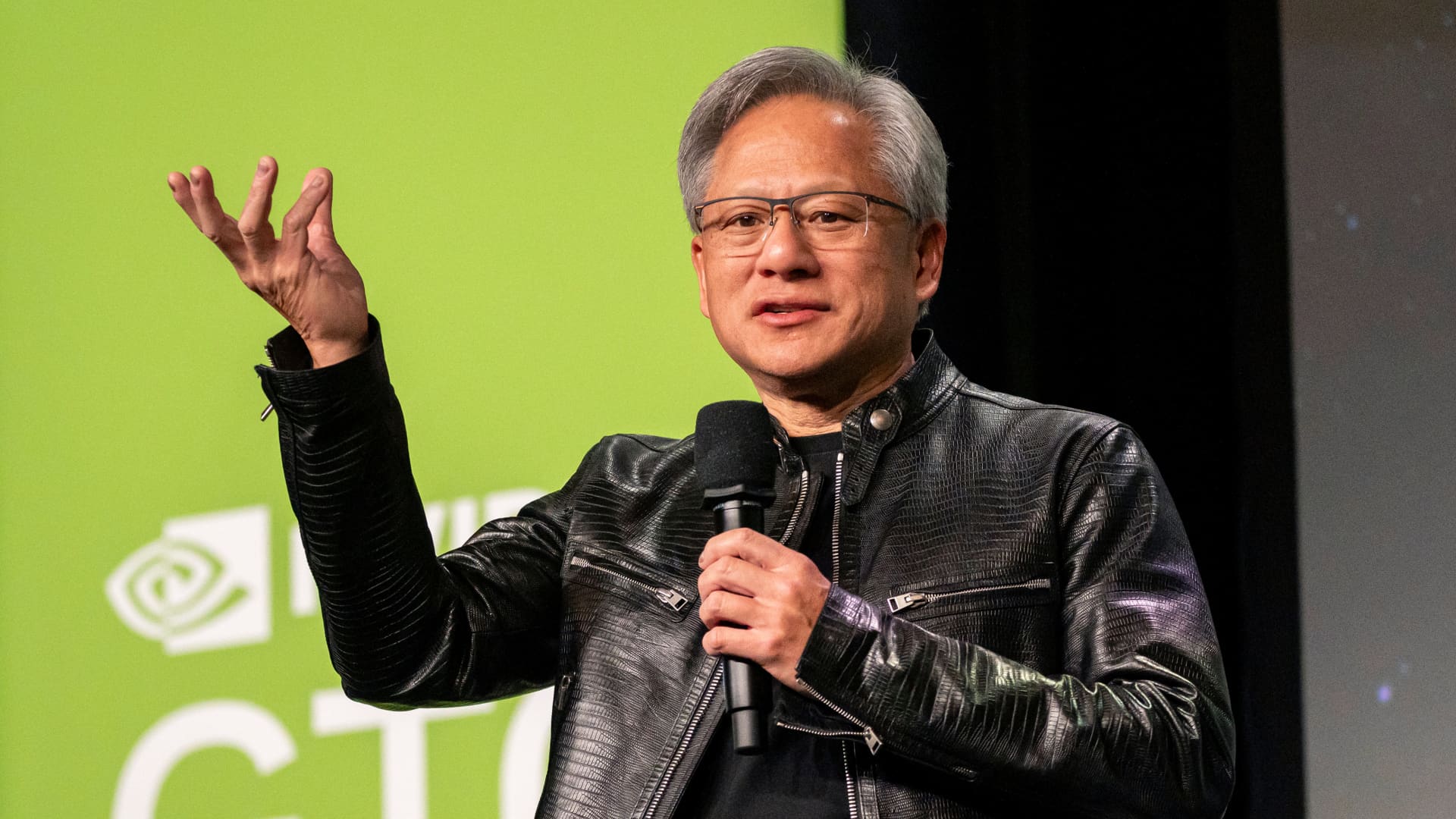
- Nvidia Market Dominance: According to UBS analysts, Nvidia continues to lead in GPU shipments over AMD, with expectations that its Blackwell will dominate the market by 2026, highlighting its critical role in the surge of AI computing demand.
- AMD Shipment Outlook: While AMD's Helios is expected to begin shipments in Q4 2026, full rack deployments may be delayed until the end of 2026 due to additional time needed for optimization and validation, potentially impacting its competitive position in the market.
- Arm Customer Expansion: Arm confirmed that its AGI products are now in production at TSMC, with new large-scale customers including ByteDance and Oracle, suggesting that its previous $15 billion revenue target may be conservative, reflecting an optimistic outlook on its expanding hyperscaler customer base.
- Marvell Stock Surge: Following comments from Nvidia CEO Jensen Huang, Marvell's stock surged 14%, indicating its strong positioning in AI networking and XPUs, although the market reaction may be somewhat overextended given limited incremental disclosures.
See More
Global Tech Stocks Face Significant Declines

- Tech Stock Plunge: The Nasdaq Composite fell 4.18% last Friday, marking its largest drop since April 2025, indicating negative sentiment towards tech stocks and potentially signaling the start of a market correction.
- Chipmakers Hit Hard: The KOSPI index in South Korea dropped over 8% at one point, with Samsung Electronics and SK Hynix falling 5% and 2% respectively, together accounting for over 40% of the index, highlighting the fragility of the global chip sector.
- Geopolitical Tensions: Escalating tensions between Israel and Iran have led to a sharp rise in oil prices, further impacting market sentiment and potentially increasing selling pressure on tech stocks.
- Italian Banking M&A: Italian banking giant Intesa Sanpaolo has launched an all-share takeover bid for Banca Monte dei Paschi di Siena, offering a 12.5% premium, igniting a bidding war and showcasing the competitiveness and activity in the financial markets.
See More
SpaceX Plans Record IPO, Aiming to Raise $75 Billion
- IPO Fundraising Scale: SpaceX plans to issue 555,555,555 shares at $135 each, aiming to raise $75 billion and achieve a valuation of $1.77 trillion, setting a historic record that reflects strong market confidence in its growth potential.
- Business Diversification: The company operates in three segments: rocket launches, satellite internet, and artificial intelligence, with the rocket launch segment having successfully launched approximately 650 times at a 99% success rate, solidifying its leadership in the aerospace market.
- Strategic Partnership Agreement: SpaceX has reached a deal with Alphabet to receive $920 million per month for computing capacity from 2026 to 2029, valued at $30 billion, which will significantly enhance the company's financial position and market competitiveness.
- Investment Risk Warning: Despite the optimistic IPO outlook, historical data shows that over half of the 30 largest IPOs in the past 15 years saw stock prices decline within the first week and at 12 months, indicating that investors should approach newly listed stocks with caution due to their volatility.
See More
SpaceX IPO Set to Break Historical Records
- Massive Fundraising: SpaceX plans to offer 555,555,555 shares at $135 each, aiming to raise $75 billion and achieve a valuation of $1.77 trillion, setting a historical record that reflects strong market confidence in its growth prospects.
- Diverse Business Segments: SpaceX operates in rocket launches, satellite internet, and artificial intelligence, with a notable 99% success rate in rocket launches and a network of approximately 9,600 Starlink satellites, enhancing its competitive edge globally.
- Intriguing Financials: In 2025, SpaceX generated $18.7 billion in revenue, a 33% year-over-year increase, but reported a net loss of $4.9 billion; however, an adjusted EBITDA of $6.6 billion indicates potential profitability, and a $30 billion deal with Alphabet will further improve its financial position.
- Investment Risk Advisory: Historical data shows that over half of the 30 largest IPOs in the past 15 years performed poorly in their first year, prompting investors to exercise caution, especially since founder Elon Musk will control 82% of the voting power, limiting retail investors' influence on company decisions.
See More
SpaceX Set to Launch Largest IPO in History
- Historical Data Analysis: An analysis by Canaccord Genuity reveals that since 2008, the average performance of seven major IPOs shows the Nasdaq Composite gained 10.9% one year post-IPO, while the S&P 500 only rose 1.1%, indicating that large IPOs typically do not hinder market performance.
- SpaceX IPO Scale: SpaceX is set to debut this Friday, aiming to raise $75 billion by selling 555.6 million shares at $135 each, marking the largest IPO in Nasdaq history, which will significantly enhance its market position.
- Market Dynamics Changes: Recent adjustments by Nasdaq make it easier for SpaceX to enter the Nasdaq-100 index, which will attract more investors to indirectly hold SpaceX shares through the Invesco QQQ Trust ETF, further boosting its market recognition.
- Investor Sentiment Analysis: Despite the current bullish market sentiment, Goldman Sachs strategists note that historical peaks in bull markets often coincide with disappointing growth and tightening policies, suggesting that while these conditions are not yet present, potential risks are gradually emerging.
See More
US Stocks Rebound Led by Chipmakers Amid Geopolitical Tensions
- Market Rebound: The S&P 500 Index rose by 1.01%, the Dow Jones Industrial Average increased by 0.46%, and the Nasdaq 100 Index climbed by 2.39%, indicating a recovery from last Friday's selloff, particularly driven by strong performances in chipmakers and AI infrastructure stocks.
- Oil Price Volatility: WTI crude oil prices initially surged over 4% due to escalating tensions between Iran and Israel but retreated after Iran announced an end to its military operations, alleviating pressure on the stock market as expectations for a ceasefire emerged.
- Interest Rate Expectations: The market is pricing in only a 3% chance of a 25 basis point rate hike at the next FOMC meeting, reflecting a cautious outlook among investors, especially following robust nonfarm payroll data, which could influence bond market dynamics.
- Tech Stock Surge: Intel's stock surged by 11% after Google placed an order for three million Tensor Processing Units, driving a broader rally in chip stocks, highlighting the tech sector's critical role in the market recovery and potentially attracting more investor interest in related equities.
See More
Computex Highlights Surge in AI Demand
- Nvidia Market Dominance: According to UBS analysts, Nvidia continues to lead in GPU shipments over AMD, with expectations that its Blackwell will dominate the market by 2026, highlighting its critical role in the surge of AI computing demand.
- AMD Shipment Outlook: While AMD's Helios is expected to begin shipments in Q4 2026, full rack deployments may be delayed until the end of 2026 due to additional time needed for optimization and validation, potentially impacting its competitive position in the market.
- Arm Customer Expansion: Arm confirmed that its AGI products are now in production at TSMC, with new large-scale customers including ByteDance and Oracle, suggesting that its previous $15 billion revenue target may be conservative, reflecting an optimistic outlook on its expanding hyperscaler customer base.
- Marvell Stock Surge: Following comments from Nvidia CEO Jensen Huang, Marvell's stock surged 14%, indicating its strong positioning in AI networking and XPUs, although the market reaction may be somewhat overextended given limited incremental disclosures.
See More
Global Tech Stocks Face Significant Declines
- Tech Stock Plunge: The Nasdaq Composite fell 4.18% last Friday, marking its largest drop since April 2025, indicating negative sentiment towards tech stocks and potentially signaling the start of a market correction.
- Chipmakers Hit Hard: The KOSPI index in South Korea dropped over 8% at one point, with Samsung Electronics and SK Hynix falling 5% and 2% respectively, together accounting for over 40% of the index, highlighting the fragility of the global chip sector.
- Geopolitical Tensions: Escalating tensions between Israel and Iran have led to a sharp rise in oil prices, further impacting market sentiment and potentially increasing selling pressure on tech stocks.
- Italian Banking M&A: Italian banking giant Intesa Sanpaolo has launched an all-share takeover bid for Banca Monte dei Paschi di Siena, offering a 12.5% premium, igniting a bidding war and showcasing the competitiveness and activity in the financial markets.
See More