Analysis of Growth Challenges in Large-Cap Stocks

- Starbucks Sales Weakness: Starbucks (SBUX) has experienced declining same-store sales over the past two years, with projected sales expected to drop by 2.9% in the next 12 months, indicating a need for adjustments in pricing and marketing strategies to stimulate demand, potentially impacting market share.
- General Dynamics Growth Challenges: General Dynamics (GD) has seen only a 6.9% annual revenue growth over the past five years, which is below other industrial companies, and an estimated sales growth of 4% for the next 12 months suggests a slowdown in demand that could affect its competitiveness and investment appeal.
- Viking's Profitability Issues: Viking (VIK) reported a 17.5% annual revenue growth over the last two years, slower than its consumer discretionary peers, and its operating margin of 21.8% falls short of the industry average, while lacking free cash flow limits its ability to reinvest for growth or distribute capital.
- Challenging Market Environment: Large-cap stocks are facing growth challenges, prompting investors to be cautious, particularly with companies like Starbucks, General Dynamics, and Viking, which may require a reassessment of their portfolios to navigate future uncertainties.
Trade with 70% Backtested Accuracy
Analyst Views on SBUX

About SBUX
About the author

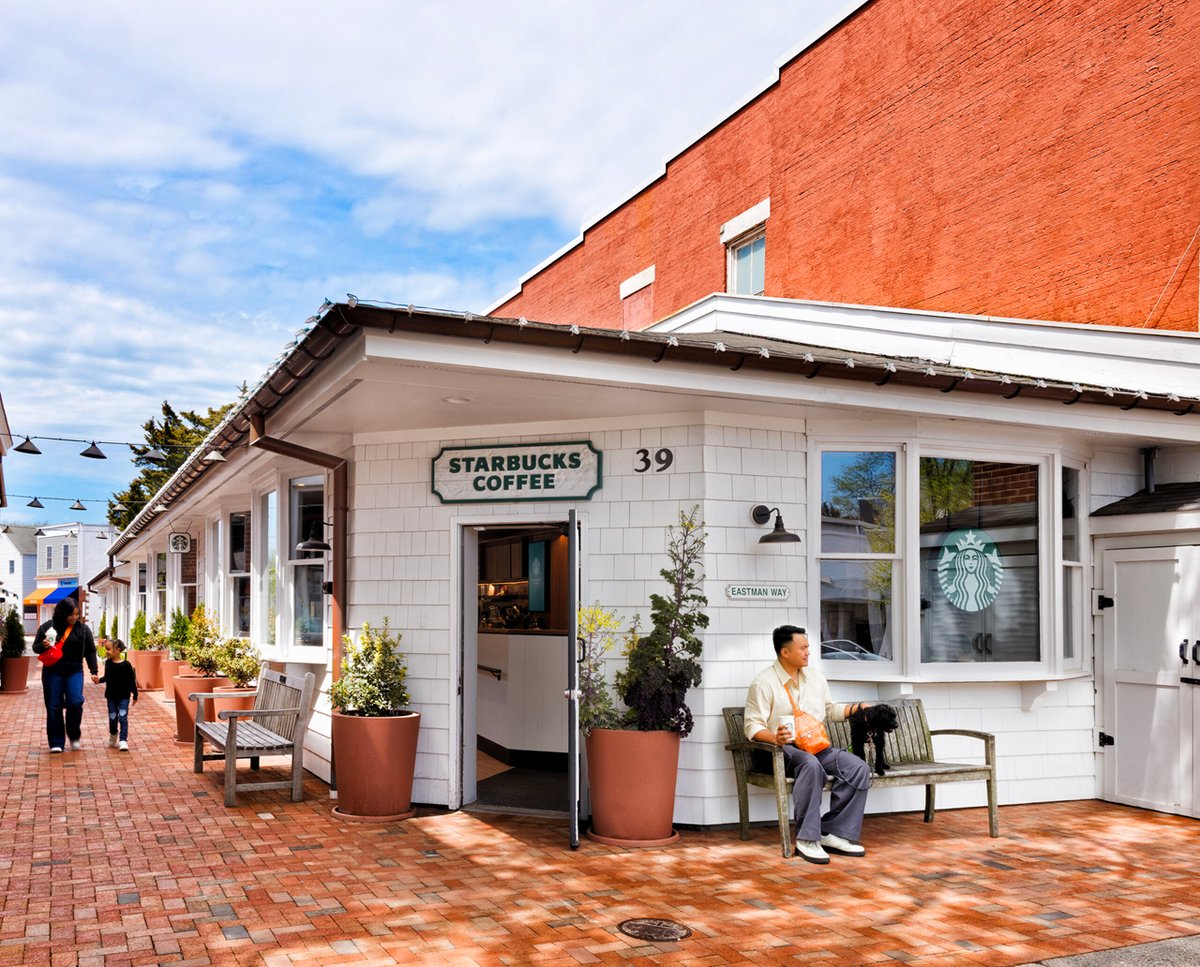
Starbucks Shows Strong Growth, Stock Rises 7%
- Significant Revenue Growth: In the second quarter of fiscal 2026, Starbucks reported a 9% year-over-year revenue increase, a 6.2% rise in comparable sales, and a 32% increase in earnings per share to $0.45, indicating a robust recovery that boosts investor confidence.
- Strong U.S. Market Performance: U.S. comparable sales rose 7.1%, driven by a 4.4% increase in transactions and a 2.6% rise in average ticket size, suggesting that growth is primarily due to increased customer engagement rather than just price hikes, reflecting a resurgence in the company's competitive position.
- Delivery Service Expansion: Starbucks' delivery service saw a 30% year-to-date increase, catering to consumer demand, while cold drink sales performed well, with new energy refreshers and mango flavors exceeding expectations, and cold foam sales rising 40% in the U.S.
- Completion of China Business Sale: Starbucks finalized the sale of its China business to a local partner, maintaining its status as the
Analysis of Growth Challenges in Large-Cap Stocks

- Starbucks Sales Weakness: Starbucks (SBUX) has experienced declining same-store sales over the past two years, with projected sales expected to drop by 2.9% in the next 12 months, indicating a need for adjustments in pricing and marketing strategies to stimulate demand, potentially impacting market share.
- General Dynamics Growth Challenges: General Dynamics (GD) has seen only a 6.9% annual revenue growth over the past five years, which is below other industrial companies, and an estimated sales growth of 4% for the next 12 months suggests a slowdown in demand that could affect its competitiveness and investment appeal.
- Viking's Profitability Issues: Viking (VIK) reported a 17.5% annual revenue growth over the last two years, slower than its consumer discretionary peers, and its operating margin of 21.8% falls short of the industry average, while lacking free cash flow limits its ability to reinvest for growth or distribute capital.
- Challenging Market Environment: Large-cap stocks are facing growth challenges, prompting investors to be cautious, particularly with companies like Starbucks, General Dynamics, and Viking, which may require a reassessment of their portfolios to navigate future uncertainties.
Casey's General Stores Joins S&P 500, Boosting Market Position

- S&P 500 Inclusion: Casey's General Stores (CASY) officially joined the S&P 500 on April 9, replacing Hologic (HOLX), which is expected to enhance its market visibility and drive stock price appreciation, evidenced by a 7% increase in the past week.
- Strong Financial Performance: In the latest quarter, Casey's reported diluted EPS of $3.49, nearly a 50% year-over-year increase, and EBITDA of $309 million, up 27.5%, showcasing robust revenue growth amid rising gas prices.
- Zoom's Investment Value: Zoom Communications (ZM) invested $51 million in Anthropic in May 2023, with analysts estimating the stake's current value between $2 billion and $4 billion, as Anthropic approaches a valuation of $900 billion, significantly enhancing Zoom's market potential.
- eBay Acquisition Dynamics: eBay (EBAY) shares surged 12% following news of GameStop's acquisition proposal, with CEO Ryan Cohen quietly building a stake, indicating potential for increased market positioning despite the mismatch in company sizes.
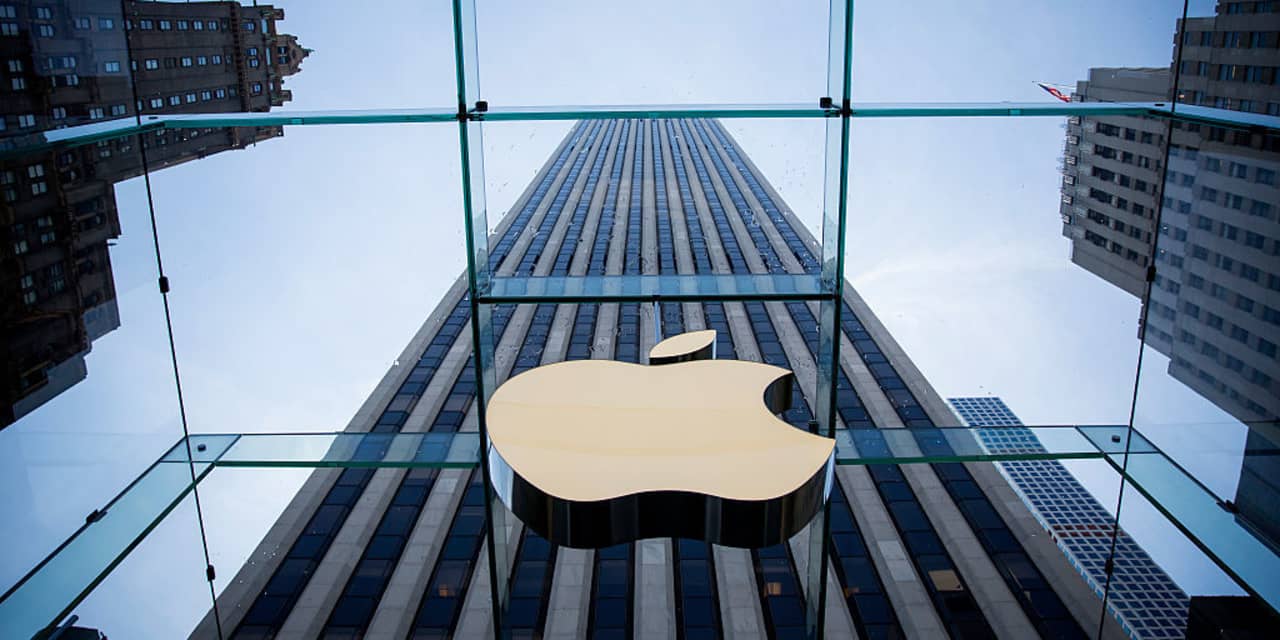
RPT-BUZZ-US STOCKS WEEKLY: UNDAUNTED


Market Overview: The U.S. stock market has shown resilience despite economic uncertainties, with investors remaining optimistic about future growth.
Sector Performance: Technology and healthcare sectors have outperformed others, driven by strong earnings reports and positive outlooks.
Economic Indicators: Recent economic data suggests a steady recovery, with improvements in employment rates and consumer spending.
Investor Sentiment: Overall investor sentiment remains bullish, with many looking for opportunities in undervalued stocks amidst market fluctuations.

U.S. Restaurant Chains Report Weak Sales Growth Amid Rising Gas Prices
- Sales Growth Slowdown: Several U.S. restaurant chains, including Wingstop and Domino's, reported weaker-than-expected sales growth in the latest quarter, primarily due to soaring gasoline prices caused by the U.S.-Israeli war, forcing consumers to cut back on other spending, with expectations that other chains will face similar challenges ahead.
- Significant Oil Price Impact: According to GasBuddy.com, the average gasoline price in the U.S. has reached $4.43, a nearly 40% increase from last year, with prices in California exceeding $6, presenting unprecedented challenges for the restaurant industry, as evidenced by Wingstop's 8.7% decline in same-store sales.
- Diminished Market Confidence: Since the onset of the war, the LSEG U.S. restaurant index has dropped by 5%, erasing over $40 billion in market value, reflecting a decline in investor confidence in the sector, with a notable increase in analysts downgrading profit forecasts for the upcoming quarter.
- Changing Consumer Behavior: As gasoline prices rise, restaurant visitations are gradually declining, with analysis predicting that at $4.20 per gallon, visits could decrease by approximately 1.5%, and if prices exceed $5.10, fast-food traffic may drop by 3%, indicating a long-term impact on the restaurant industry.

Zoom Adjusts Parental Leave Policy Amid Rising Costs
- Parental Leave Reduction: Zoom has cut paid parental leave for birthing employees from 22-24 weeks to 18 weeks, while non-birthing parents now receive 10 weeks instead of 16, reflecting the company's strategy to control costs amid rising healthcare expenses.
- Market Comparison Pressure: As healthcare costs rise, more companies are scrutinizing employee benefits, particularly parental leave, with many focusing on this area for cuts as they set 2027 budgets, indicating competitive pressures within the industry.
- Policy Adjustment Trend: According to Gallagher's Shauna Bryngelson, many companies are reassessing their parental leave policies to better align with state-led paid leave programs, which typically offer around 12 weeks, prompting a search for a more sustainable balance within the 4-12 week range.
- Overall Industry Changes: Despite cuts from companies like Zoom and Deloitte, a Brown & Brown survey found that 71% of employers still offer paid parental leave beyond state requirements, with 69% planning to increase benefit amounts or durations, indicating that many firms are expanding their benefits in response to competitive pressures.
Starbucks Shows Strong Growth, Stock Rises 7%
- Significant Revenue Growth: In the second quarter of fiscal 2026, Starbucks reported a 9% year-over-year revenue increase, a 6.2% rise in comparable sales, and a 32% increase in earnings per share to $0.45, indicating a robust recovery that boosts investor confidence.
- Strong U.S. Market Performance: U.S. comparable sales rose 7.1%, driven by a 4.4% increase in transactions and a 2.6% rise in average ticket size, suggesting that growth is primarily due to increased customer engagement rather than just price hikes, reflecting a resurgence in the company's competitive position.
- Delivery Service Expansion: Starbucks' delivery service saw a 30% year-to-date increase, catering to consumer demand, while cold drink sales performed well, with new energy refreshers and mango flavors exceeding expectations, and cold foam sales rising 40% in the U.S.
- Completion of China Business Sale: Starbucks finalized the sale of its China business to a local partner, maintaining its status as the
Analysis of Growth Challenges in Large-Cap Stocks
- Starbucks Sales Weakness: Starbucks (SBUX) has experienced declining same-store sales over the past two years, with projected sales expected to drop by 2.9% in the next 12 months, indicating a need for adjustments in pricing and marketing strategies to stimulate demand, potentially impacting market share.
- General Dynamics Growth Challenges: General Dynamics (GD) has seen only a 6.9% annual revenue growth over the past five years, which is below other industrial companies, and an estimated sales growth of 4% for the next 12 months suggests a slowdown in demand that could affect its competitiveness and investment appeal.
- Viking's Profitability Issues: Viking (VIK) reported a 17.5% annual revenue growth over the last two years, slower than its consumer discretionary peers, and its operating margin of 21.8% falls short of the industry average, while lacking free cash flow limits its ability to reinvest for growth or distribute capital.
- Challenging Market Environment: Large-cap stocks are facing growth challenges, prompting investors to be cautious, particularly with companies like Starbucks, General Dynamics, and Viking, which may require a reassessment of their portfolios to navigate future uncertainties.
Casey's General Stores Joins S&P 500, Boosting Market Position
- S&P 500 Inclusion: Casey's General Stores (CASY) officially joined the S&P 500 on April 9, replacing Hologic (HOLX), which is expected to enhance its market visibility and drive stock price appreciation, evidenced by a 7% increase in the past week.
- Strong Financial Performance: In the latest quarter, Casey's reported diluted EPS of $3.49, nearly a 50% year-over-year increase, and EBITDA of $309 million, up 27.5%, showcasing robust revenue growth amid rising gas prices.
- Zoom's Investment Value: Zoom Communications (ZM) invested $51 million in Anthropic in May 2023, with analysts estimating the stake's current value between $2 billion and $4 billion, as Anthropic approaches a valuation of $900 billion, significantly enhancing Zoom's market potential.
- eBay Acquisition Dynamics: eBay (EBAY) shares surged 12% following news of GameStop's acquisition proposal, with CEO Ryan Cohen quietly building a stake, indicating potential for increased market positioning despite the mismatch in company sizes.
RPT-BUZZ-US STOCKS WEEKLY: UNDAUNTED
Market Overview: The U.S. stock market has shown resilience despite economic uncertainties, with investors remaining optimistic about future growth.
Sector Performance: Technology and healthcare sectors have outperformed others, driven by strong earnings reports and positive outlooks.
Economic Indicators: Recent economic data suggests a steady recovery, with improvements in employment rates and consumer spending.
Investor Sentiment: Overall investor sentiment remains bullish, with many looking for opportunities in undervalued stocks amidst market fluctuations.
U.S. Restaurant Chains Report Weak Sales Growth Amid Rising Gas Prices
- Sales Growth Slowdown: Several U.S. restaurant chains, including Wingstop and Domino's, reported weaker-than-expected sales growth in the latest quarter, primarily due to soaring gasoline prices caused by the U.S.-Israeli war, forcing consumers to cut back on other spending, with expectations that other chains will face similar challenges ahead.
- Significant Oil Price Impact: According to GasBuddy.com, the average gasoline price in the U.S. has reached $4.43, a nearly 40% increase from last year, with prices in California exceeding $6, presenting unprecedented challenges for the restaurant industry, as evidenced by Wingstop's 8.7% decline in same-store sales.
- Diminished Market Confidence: Since the onset of the war, the LSEG U.S. restaurant index has dropped by 5%, erasing over $40 billion in market value, reflecting a decline in investor confidence in the sector, with a notable increase in analysts downgrading profit forecasts for the upcoming quarter.
- Changing Consumer Behavior: As gasoline prices rise, restaurant visitations are gradually declining, with analysis predicting that at $4.20 per gallon, visits could decrease by approximately 1.5%, and if prices exceed $5.10, fast-food traffic may drop by 3%, indicating a long-term impact on the restaurant industry.
Zoom Adjusts Parental Leave Policy Amid Rising Costs
- Parental Leave Reduction: Zoom has cut paid parental leave for birthing employees from 22-24 weeks to 18 weeks, while non-birthing parents now receive 10 weeks instead of 16, reflecting the company's strategy to control costs amid rising healthcare expenses.
- Market Comparison Pressure: As healthcare costs rise, more companies are scrutinizing employee benefits, particularly parental leave, with many focusing on this area for cuts as they set 2027 budgets, indicating competitive pressures within the industry.
- Policy Adjustment Trend: According to Gallagher's Shauna Bryngelson, many companies are reassessing their parental leave policies to better align with state-led paid leave programs, which typically offer around 12 weeks, prompting a search for a more sustainable balance within the 4-12 week range.
- Overall Industry Changes: Despite cuts from companies like Zoom and Deloitte, a Brown & Brown survey found that 71% of employers still offer paid parental leave beyond state requirements, with 69% planning to increase benefit amounts or durations, indicating that many firms are expanding their benefits in response to competitive pressures.